AlphaGeometry

Search documents
X @Demis Hassabis
Demis Hassabis· 2026-03-20 15:08
RT Pushmeet Kohli (@pushmeet)Our AlphaProof paper is in this week’s issue of @Nature!In 2024, @GoogleDeepMind's proof agents AlphaProof & AlphaGeometry together made a substantial leap in AI by achieving the silver-medal standard in solving IMO problems.The Nature paper describes the technical innovations required—in particular, the RL loop bridging natural language & symbolic rigor—that made AlphaProof possible. ...
中国AI变身奥数出题人
Xin Lang Cai Jing· 2026-01-28 15:49
Core Insights - The article highlights the development of the "Tongju Model," the world's first general artificial intelligence system capable of both generating and solving mathematical Olympiad problems, marking a significant advancement in automated reasoning and embodied intelligence in China [1] Group 1: Technological Breakthrough - The "Tongju Model" achieves top international performance in automated reasoning and has made significant leaps in functionality and efficiency [1] - The system can solve complex geometry problems from the International Mathematical Olympiad within 38 minutes using only a standard consumer-grade graphics card [1] Group 2: Challenges in AI Geometry Problem Solving - AI has historically faced two main challenges in geometry: "combinatorial explosion" and "lack of high-quality data," which hindered effective model training [1] - The "Tongju Model" addresses these challenges by abstractly modeling the geometry world as a finite tree Markov process, thus avoiding ineffective repeated attempts [1] Group 3: Innovation and Application - The system introduces "normalized representation" technology to automatically identify and merge symmetric or isomorphic topological structures, significantly compressing the search space [1] - Three new geometry problems generated by the "Tongju Model" have been officially included in the 2024 National Middle School Mathematics League and the American Elite Olympiad, marking the first time AI-generated questions have entered high-level human mathematics competitions [1] Group 4: Future Directions - The research team plans to continue expanding the general artificial intelligence model following the "small data, big task" paradigm, aiming for further breakthroughs in China's AI capabilities [1]
从“解题高手”到“金牌教练”,中国AI变身奥数出题人
Ren Min Ri Bao· 2026-01-28 14:31
2024年初,谷歌DeepMind团队开发出神经符号系统AlphaGeometry,虽然在解题能力上取得了重要进 展,但其主要依赖于大规模离线合成数据和庞大的计算资源。与之相比,我国自主研发的"通矩模型"不 仅是一个能解题的"优等生",更是一位能从无到有、创造出具备数学审美价值的题目的"金牌教练"。 据介绍,"通矩模型"系统的技术核心在于神经符号引导树搜索架构。与传统大模型的"暴力搜索"不同, 团队将复杂的几何世界抽象地建模为有限树上的马尔可夫过程(即依据系统当前的状态推断系统下一个 最大可能性的状态),使几何图形的构建变成一个有序的随机演化过程,从而避免了无效的重复尝试。 为了解决几何证明中困扰学界已久的"路径爆炸"难题,团队创新性地引入了"规范化表示"技术,能够自 动识别、合并对称或同构的拓扑结构,将庞杂的搜索空间压缩几个数量级。在AI寻找解题"灵感"的过程 中,系统还通过价值函数来模拟人类的数学审美。 相比DeepMind开发的AlphaGeometry需要依赖庞大的算力集群进行训练和推理,"通矩模型"仅需一张普 通的国产消费级显卡,即可在最多38分钟内解决近25年来所有的国际数学奥林匹克竞赛的几何难题 ...

38分钟内即可解决近25年所有奥数几何难题 人工智能逻辑推理技术获突破
Ke Ji Ri Bao· 2026-01-28 01:56
论文第一作者、北京通用人工智能研究院张驰博士介绍,TongGeometry能从浩如烟海的空间组合中, 精准捕捉到具备人类数学家审美标准的高质量题目,在国际上首次实现从"模仿解题"到"自主创造"的范 式转变。 我国科研团队近日开发出全球首个同时具备自主出题和自动解题双重能力的通用人工智能系统——"通 矩模型"(TongGeometry)。相关成果"基于引导树搜索的奥数几何问题提出与解答系统"1月26日发表于 《自然·机器智能》上。 奥林匹克数学竞赛被视为人工智能逻辑推理能力的"试金石"。2024年初,DeepMind公司开发的 AlphaGeometry人工智能系统展示了AI在解题方面的巨大潜力,但其本质上是一个"被动解题者",训练 极度依赖大规模的合成数据和昂贵的计算资源。与之相比,我国自研的TongGeometry则展现出更高维 度的智能:不仅是一个能满分交卷的"优等生",更是一位能创造优美、新颖题目的"出题名师"。其自主 生成的3道几何新题,已正式入选2024年全国中学生数学联赛(北京赛区)及美国精英奥赛。 论文共同通讯作者、北京大学心理与认知科学学院助理教授朱毅鑫表示,这意味着中国科研团队在自动 化推理 ...
人工智能逻辑推理技术获突破
Ke Ji Ri Bao· 2026-01-28 01:19
我国科研团队近日开发出全球首个同时具备自主出题和自动解题双重能力的通用人工智能系统 ——"通矩模型"(TongGeometry)。相关成果"基于引导树搜索的奥数几何问题提出与解答系统"1月26 日发表于《自然·机器智能》上。 相比AlphaGeometry需要庞大的算力集群,TongGeometry仅需单张消费级显卡即可在最多38分钟 内,解决近25年所有的奥数几何难题。 论文共同通讯作者、北京大学心理与认知科学学院助理教授朱毅鑫表示,这意味着中国科研团队在 自动化推理的逻辑核心领域实现关键技术自研,并在性能与功能多样性上全面超越以DeepMind为代表 的国际顶尖水平。同时,我们的系统在理解逻辑底层美学和自主发现科学规律方面走在了前列。这种不 依赖海量标注数据、通过内部逻辑自我演化的路径,正是通用人工智能(AGI)发展的关键。 奥林匹克数学竞赛被视为人工智能逻辑推理能力的"试金石"。2024年初,DeepMind公司开发的 AlphaGeometry人工智能系统展示了AI在解题方面的巨大潜力,但其本质上是一个"被动解题者",训练 极度依赖大规模的合成数据和昂贵的计算资源。与之相比,我国自研的TongGeom ...
全球首个!国产AI出的题被收入高规格人类数学竞赛
Huan Qiu Wang Zi Xun· 2026-01-27 02:01
目前,TongGeometry的原创能力已得到专业学术界和竞赛圈的认可。系统自主生成的3道几何新题,已 正式入选2024年全国中学生数学联赛(北京赛区)及美国精英奥赛(Ersatz Math Olympiad),这是AI 原创题目首次进入高规格人类数学竞赛。 这一成果标志着中国科研团队在自动化推理的逻辑核心领域实现关键技术自研,并在性能与功能多样性 上全面超越了以DeepMind为代表的国际顶尖水平。 我国科研团队开发出全球首个同时具备自主出题(Proposing)和自动解题(Solving)双重能力的通用 人工智能系统——"通矩模型"(TongGeometry)。相关成果26日发表于《自然·机器智能》。 2024年初,DeepMind开发的AlphaGeometry展示了AI在解题方面的巨大潜力。然而,AlphaGeometry本 质上是一个"被动解题者",其训练极度依赖于大规模的合成数据和昂贵的计算资源。与之相比,我国科 研团队自主研发的TongGeometry则展现出了更高维度的智能:它不仅是一个能够满分交卷的"优等生", 更是一位能够创造优美、新颖题目的"出题名师"。 论文第一作者、北京通用人工智能研 ...
我国在通用人工智能逻辑推理领域实现重大跨越
Huan Qiu Wang Zi Xun· 2026-01-27 01:41
在性能表现上,TongGeometry展现了极高的国产原创技术优越性。相比AlphaGeometry需要庞大的算力 集群,TongGeometry仅需单张消费级显卡(如RTX 4090)即可在最多38分钟内,解决近25年所有的奥 数几何难题,其推理效率和准确率均达到世界顶尖水平。此外,该系统通过创新的"规范化表示"技术, 将搜索空间压缩了几个数量级,有效解决了传统方法中的路径爆炸问题。 论文共同通讯作者、北京大学心理与认知科学学院助理教授朱毅鑫表示,TongGeometry的意义不仅在 于解题速度的提升,更在于它通过模拟人类数学家的直觉和审美,实现了"小数据、大任务"的范式转 化。这种不依赖海量标注数据、通过内部逻辑自我演化的路径,正是通用人工智能(AGI)发展的关 键。"我们的系统不仅能与国际最先进的AI系统对标,更在理解逻辑底层美学和自主发现科学规律方面 走在了前列。"他说。 来源:科技日报 科技日报记者 杨雪 我国科研团队开发出全球首个同时具备自主出题(Proposing)和自动解题(Solving)双重能力的通用 人工智能系统——"通矩模型"(TongGeometry)。相关成果"基于引导树搜索的奥数 ...
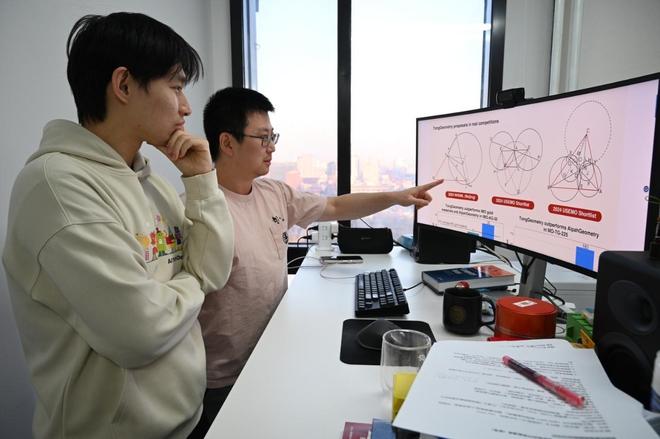
思考已成白菜价?黄仁勋一语成谶,物理学家:人类科研只剩3年
3 6 Ke· 2026-01-16 08:44
Core Viewpoint - The rapid advancement of AI is threatening the traditional roles of scientists, potentially leading to the obsolescence of familiar scientific research practices within three years [2][5][20]. Group 1: Impact of AI on Scientific Research - AI is expected to replace tasks traditionally performed by students and postdocs, significantly reducing costs and time associated with scientific research [3][7]. - The efficiency of research output is projected to increase by an average of 40%, with non-native English speakers seeing improvements of up to 80% [11]. - The adoption of AI tools in research is anticipated to approach nearly 100%, leading to a surge in the number of published papers and overwhelming the peer review process [11][22]. Group 2: Changes in Academic Landscape - The integration of AI in research is reshaping the academic environment, with institutions like MIT and Oxford beginning to adopt AI-based services [8][19]. - The reliance on AI tools is not limited to junior researchers; even top scientists like Terence Tao are utilizing AI for various aspects of their work [12]. - The U.S. government's "Genesis Mission" aims to leverage AI to accelerate scientific discoveries, indicating a strategic push at the national level [14][15][18]. Group 3: Future of Scientific Roles - The traditional roles of researchers, particularly in theoretical physics and mathematics, are at risk as AI can perform complex calculations and analyses more efficiently [6][8]. - The shift towards AI-driven research may lead to a breakdown in the traditional academic hierarchy, making entry-level positions more challenging to attain [25]. - Future scientists will need to evolve from being mere "knowledge carriers" to "wisdom commanders," focusing on problem formulation and interdisciplinary connections rather than rote knowledge [25][26].

Nature重磅发文:深度学习x符号学习,是AGI唯一路径
3 6 Ke· 2025-12-17 02:12
Core Insights - The article discusses the evolution of AI, highlighting the resurgence of symbolic AI in conjunction with neural networks as a potential pathway to achieving Artificial General Intelligence (AGI) [1][2][5] - Experts express skepticism about relying solely on neural networks, indicating that a combination of symbolic reasoning and neural learning may be necessary for advanced AI applications [18][19][21] Group 1: Symbolic AI and Neural Networks - Symbolic AI, historically dominant, relies on rules, logic, and clear conceptual relationships to model the world [3] - The rise of neural networks, which learn from data, has led to the marginalization of symbolic systems, but recent trends show a renewed interest in integrating both approaches [5][7] - The integration of statistical learning and explicit reasoning aims to create intelligences that are understandable and traceable, especially in high-stakes fields like military and healthcare [7][18] Group 2: Challenges and Opportunities - The complexity of merging neural networks with symbolic AI is likened to designing a "two-headed monster," indicating significant technical challenges [7] - Historical lessons, such as Richard Sutton's "Bitter Lesson," suggest that systems leveraging vast amounts of raw data have consistently outperformed those based on human-designed rules [9][10][13] - Critics argue that the lack of symbolic knowledge in neural networks leads to fundamental errors, emphasizing the need for a hybrid approach to enhance logical reasoning capabilities [16][18] Group 3: Current Developments and Perspectives - Notable examples of neurosymbolic AI systems include DeepMind's AlphaGeometry, which effectively solves complex mathematical problems by combining symbolic programming with neural training [7][33] - The debate continues among researchers regarding the best approach, with some advocating for a focus on effective methods rather than strict adherence to one philosophy [26][28] - The exploration of neurosymbolic AI is still in its early stages, with various technical paths being developed to harness the strengths of both symbolic and neural methodologies [29][32]
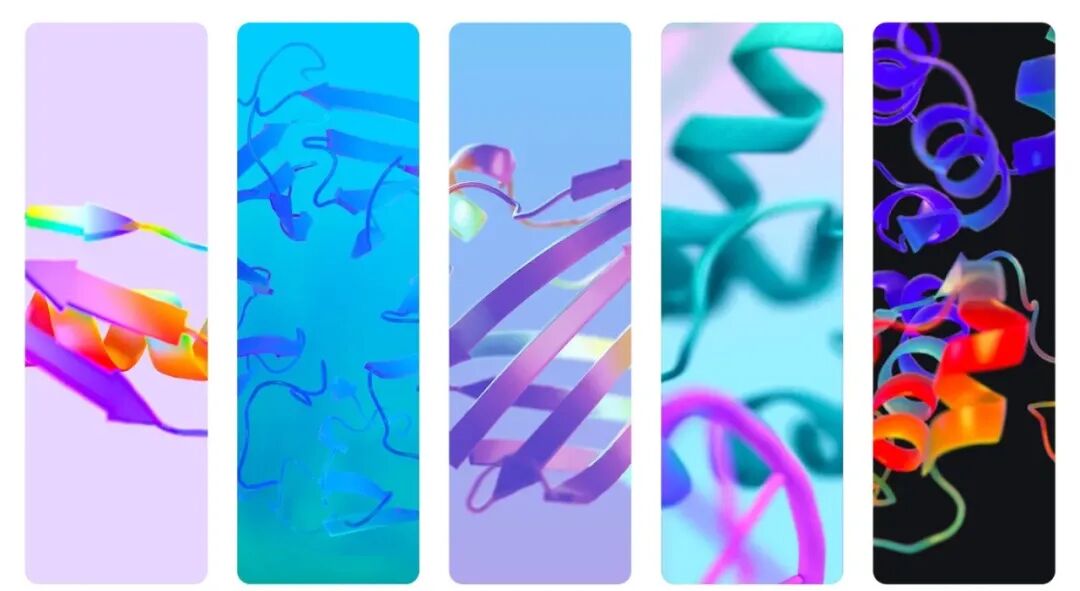
AI for Science,走到哪一步了?
3 6 Ke· 2025-12-03 09:15
Core Insights - Google DeepMind's AlphaFold has significantly impacted protein structure prediction, driving advancements in scientific research over the past five years [1][4] - AI is reshaping scientific research, particularly in life sciences and biomedicine, due to rich data availability and urgent societal needs [1][3] Group 1: AI in Scientific Research - AI models and tools have achieved breakthroughs in basic research, including protein structure prediction and the discovery of new biological pathways [1][3] - The paradigm of "foundation models + research agents + autonomous laboratories" is emerging in AI-driven scientific research [3][13] Group 2: Advancements in Biology - DeepMind's AlphaFold has solved the protein structure prediction problem, earning the 2024 Nobel Prize in Chemistry and establishing itself as a digital infrastructure for modern biology [4] - The C2S-Scale model, developed by Google and Yale University, has generated new hypotheses about cancer cell behavior, showcasing AI's potential in formulating original scientific hypotheses [8] Group 3: AI in Drug Development - AI-assisted pathology detection has expanded to new disease scenarios, with the DeepGEM model achieving a prediction accuracy of 78% to 99% for lung cancer gene mutations [10] - The AI-optimized drug MTS-004 has completed Phase III clinical trials, marking a significant milestone in AI-driven drug discovery [10] Group 4: AI in Other Scientific Fields - AI applications in materials science are gaining momentum, with startups like Periodic Labs and CuspAI focusing on discovering new materials [11] - DeepMind's WeatherNext 2 model has surpassed traditional physical models in accuracy and efficiency for weather predictions [5] Group 5: Future of AI in Science - The evolution of scientific intelligence technologies is expected to accelerate, with AI foundational models and robotics enhancing research efficiency [19] - The integration of AI into scientific discovery is anticipated to lead to significant breakthroughs, with predictions of achieving near-relativistic level discoveries by 2028 [19]