
Cyberone

Search documents
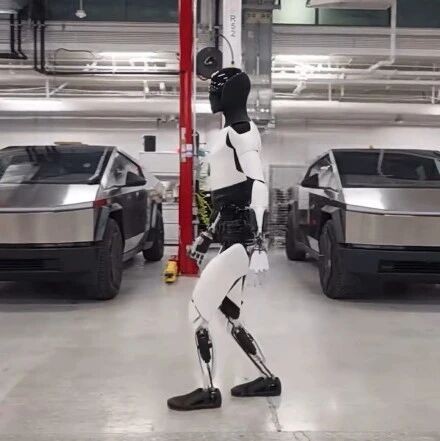
从汽车到人形机器人,产业链大象轻盈起舞
机器人大讲堂· 2026-03-02 11:23
Core Insights - The article emphasizes that successful cross-industry breakthroughs are not zero-sum games but rather involve the transfer of core competencies based on first principles, transforming existing barriers into new competitive advantages [1] Industry Trends - The price curve for humanoid robots is becoming increasingly clear, with models like Unitree R1 starting at 29,900 yuan and others like Bumi priced under 10,000 yuan, indicating a significant reduction in industry costs [2][3] - By 2025, the expected shipment of humanoid robots is around 20,000 units, increasing to 62,500 units in 2026, with optimistic estimates reaching 100,000 to 200,000 units, which could lead to a dramatic drop in costs due to economies of scale [4][6] Technological and Supply Chain Insights - The core challenge for mass production of humanoid robots lies in the dual constraints of insufficient technological maturity and high costs, with the automotive industry's established technology and supply chain capabilities providing a key solution [8] - The synergy between automotive and robotics industries is highlighted, with companies like Tesla successfully demonstrating the feasibility of vehicle-robot collaboration, which has been validated by various enterprises [8][9] - The average Bill of Materials (BOM) cost for humanoid robots is projected to drop to around 400,000 yuan by 2025, a reduction of over 90% compared to earlier models, thanks to the advantages of the automotive supply chain [9] Company Case Study: Top Group - Top Group, with 40 years of experience in the automotive parts industry, has positioned itself as a leader in the humanoid robot supply chain, leveraging its core competencies to facilitate the transition into robotics [7][13] - The company's platform-based approach allows it to cover eight major automotive product lines, enhancing its value proposition to robot manufacturers by reducing supply chain complexity [13][15] - Top Group's strategic investments, such as a 5 billion yuan production base for robot components, aim to align with the mass production schedules of major players like Tesla, ensuring efficient delivery and cost control [15][16] Future Outlook - The humanoid robot industry is expected to enter a phase of explosive growth as production lines ramp up, with Top Group's case illustrating that true cross-industry winners are those who build core capabilities and strategically migrate them at the right time [19]


首届机器人半马| 天工Ultra夺冠,宇树G1“不情不愿”,为什么?
Guan Cha Zhe Wang· 2025-04-20 01:25
Core Insights - The first humanoid robot half marathon held in Beijing attracted significant attention, showcasing various robots' performance and capabilities [1] - Tian Gong Ultra from the Beijing Humanoid Robot Innovation Center won the competition, highlighting the center's strong local advantages and collaboration with major companies like Xiaomi and UBTECH [2] - The performance of other robots, such as Yuzhu Technology's G1, raised questions about adaptability to competition scenarios and the strategic focus of different companies in the humanoid robotics sector [3][5] Group 1: Competition Overview - The event featured various humanoid robots competing for speed, endurance, and personality, with Tian Gong Ultra emerging as the clear winner [1] - The competition sparked discussions about the implications of the rankings and the current state of humanoid robotics in China [1] - Observers noted that many strong competitors did not participate, prompting questions about the industry's readiness for such events [1] Group 2: Industry Dynamics - The Beijing Humanoid Robot Innovation Center serves as a hub for the humanoid robotics industry in northern China, attracting numerous startups and fostering collaboration [2] - The absence of major players like Huawei and Midea from the competition suggests a strategic focus on practical applications rather than public demonstrations [6][7] - The adaptability of robots to specific scenarios is crucial, with industry experts emphasizing the importance of integrating humanoid robots into logistics and manufacturing environments for greater economic value [5][6] Group 3: Technical Considerations - The performance of Yuzhu Technology's G1 robot, despite some shortcomings, demonstrated advanced capabilities such as independent recovery from falls [3] - The design and size of humanoid robots impact their performance, with smaller models being easier to manufacture but less practical for certain applications [10] - The competition highlighted the need for robots to be tailored for specific tasks rather than merely replicating human form, as seen in the preference for non-humanoid designs in certain industrial applications [6][8]

