
DDR5 16Gb颗粒

Search documents
惊!!三星电子解散HBM团队
是说芯语· 2025-12-05 03:13
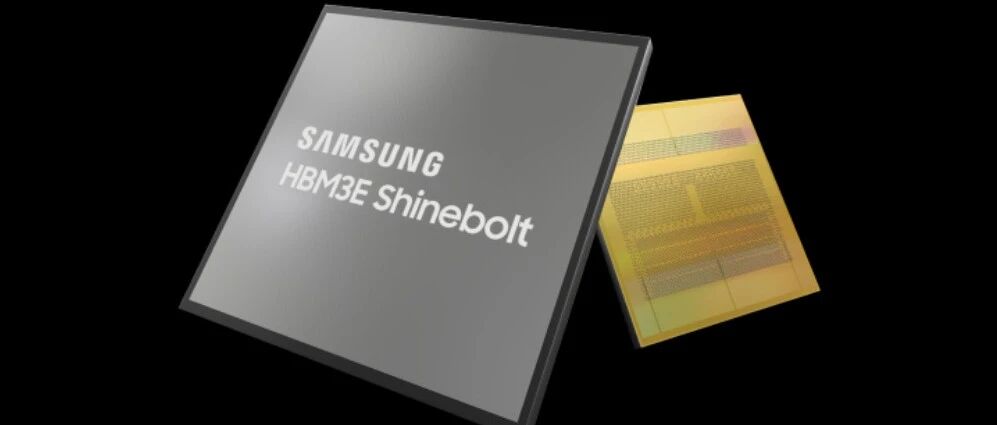
Core Viewpoint - Samsung Electronics has announced a significant organizational restructuring, dissolving its high bandwidth memory (HBM) special development team and integrating its personnel and operations into the DRAM development department to enhance operational efficiency and competitiveness [1][3]. Group 1: Adjustment Details - The restructuring indicates a shift from an independent "task force" model for HBM to a more integrated approach within the mainstream storage chip R&D framework [3][4]. - The original HBM team members will transition to the design team under the DRAM development department, with the former HBM team leader continuing to oversee the development of next-generation HBM products [3][4]. - This change reflects Samsung's confidence in its HBM technology, which is now deemed competitive enough to be integrated with core DRAM technology [4]. Group 2: Market Impact - Samsung's market share in the global HBM market fell to 17% in Q2, ranking third behind SK Hynix's 62% share [5][6]. - The company is optimistic about its market performance in the coming year, especially with the successful entry of HBM3E into NVIDIA's supply chain and all orders for HBM4 already sold out [5][6]. - TrendForce predicts that Samsung's market share in the global HBM market could exceed 30% by 2026, driven by increased production capacity and demand [6][7]. Group 3: Strategic Positioning - Samsung's restructuring coincides with a super cycle in the global memory market, with significant price increases observed in DDR5 memory chips [6][7]. - The company aims to solidify its traditional DRAM market while simultaneously expanding its high-end HBM product line, reflecting a dual-track strategy [6][7]. - The restructuring is part of Samsung's strategy to effectively integrate internal resources to seize market opportunities and enhance its market share [7].

存储涨价风暴席卷消费市场,下游厂商迎来“最难定价季”
Di Yi Cai Jing· 2025-11-26 13:28
Core Insights - The consumer electronics market is facing significant challenges due to a storage price surge that began in the second half of 2025, affecting all segments from upstream to downstream [1][2][3] - The price of storage components, such as DDR5 chips, has seen dramatic increases, with some prices doubling within a month, leading to inventory shortages for major smartphone manufacturers [2][6] - Companies are responding to rising costs by increasing product prices, with mid-range smartphones seeing price hikes of 200 to 300 yuan [3][7] Price Surge in Storage Components - The price of 1TB mechanical hard drives has risen from over 380 yuan to nearly 500 yuan, while 1TB solid-state drives have increased from over 500 yuan to 700 yuan [1] - The price of DDR5 16Gb chips surged from $7.68 to $15.5 within a month, marking a 102% increase [2] - Major manufacturers like Samsung and SK Hynix have paused quotes due to extreme price volatility [2] Impact on Smartphone Manufacturers - Major smartphone brands are experiencing inventory levels below two months, with some DRAM stocks lasting less than three weeks [2] - Companies are adjusting their pricing strategies to cope with increased storage costs, with OPPO and Honor raising prices for their new models [3][7] - Smaller smartphone brands may face significant challenges and potential market exit due to low margins and rising costs [6] Effects on PC and Home Storage Markets - The price of AI home storage products has increased by 20-30% compared to the previous year's Double Eleven shopping festival [4][5] - NAS products have also seen price increases, with some models rising from 2499 yuan to 3149 yuan [5] - The overall trend in the NAS market is expected to be upward due to rising component costs and increased demand for higher performance [5][8] Future Market Outlook - The storage price surge is anticipated to continue into 2026, with analysts warning of potential further adjustments to global smartphone shipment forecasts [7][9] - Despite current challenges, the NAS market is projected to grow significantly, with a compound annual growth rate exceeding 25% over the next five years [9] - The demand for storage is driven by the explosion of AI applications, which has led to a notable supply shortage [9]