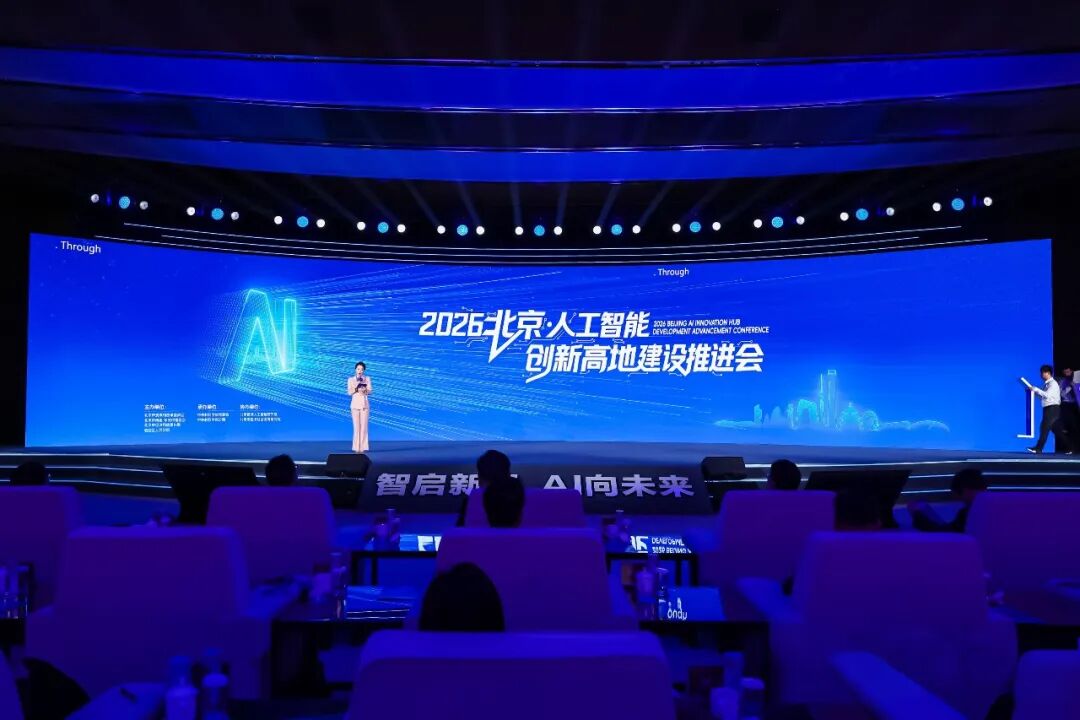
Galbot G1人形机器人

Search documents
为什么春晚的机器人不“僵”了?具身智能正在经历一场大脑进化
机器人大讲堂· 2026-02-19 00:00
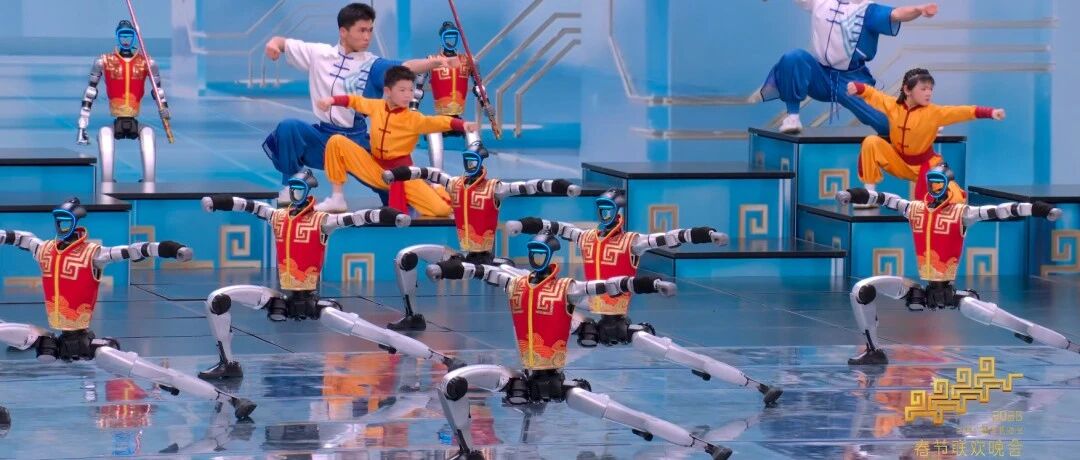
Core Viewpoint - The evolution of humanoid robots is moving from performance in controlled environments to practical applications in real-world scenarios, emphasizing the need for robots to understand and predict physical interactions [5][6][26]. Group 1: Humanoid Robot Performance - The performance of humanoid robots at the Spring Festival Gala has shown significant advancements, with previous years featuring coordinated movements and complex formations [1][2]. - This year's robots demonstrated a level of agility and responsiveness that suggests a breakthrough in their control algorithms and hardware integration [5]. Group 2: Challenges in Real-World Applications - Despite advancements, the transition from staged performances to real-world applications remains challenging, as robots must navigate unpredictable environments like factories and homes [5][6]. - Current humanoid robots lack the ability to understand physical laws, which limits their effectiveness in dynamic settings [13][22]. Group 3: VLA Paradigm and Industry Anxiety - The dominant paradigm for embodied intelligence is the Visual-Language-Action (VLA) model, which is currently highly competitive [7]. - Companies like Ant Group and Horizon are developing advanced VLA models that enhance spatial awareness and adaptability across different robotic configurations [8][10]. Group 4: Transition to World Models - The industry is recognizing the need to evolve from VLA to embodied world models that allow robots to simulate and predict physical interactions [14][15]. - Ant Group's LingBot-World is a notable example, providing a high-fidelity simulation environment for robots to learn and adapt without real-world consequences [16]. Group 5: Impact on Industry Scalability - The shift from action mapping to physical pre-simulation is expected to reduce the data requirements for training new skills significantly, from thousands of examples to just 30-50 [23]. - Robots equipped with predictive capabilities have shown a high success rate in complex tasks, achieving over 91% in multi-task scenarios [24]. Group 6: Conclusion and Future Directions - The journey of humanoid robots is transitioning from mere demonstrations to practical applications, with a focus on understanding physical laws and improving operational capabilities in real-world environments [26][28]. - The ongoing debate about the best approaches for robotic intelligence continues, with various strategies being explored to enhance performance in unpredictable settings [27].

宇树科技官宣上2026春晚,三机器人公司同台竞技
Bei Ke Cai Jing· 2026-01-26 13:53
Group 1 - Yushu Technology announced its partnership with the Central Radio and Television Station for the 2026 Spring Festival Gala, continuing its presence in the event after previous successful appearances [1] - The company has achieved the highest global shipment volume for its quadruped and humanoid robots in recent years, marking a significant milestone in large-scale delivery [1] - In 2025, Yushu Technology expects to exceed 5,500 units in actual shipments of humanoid robots, with over 6,500 units in mass production [1] Group 2 - Yushu Technology completed a Series C financing round in June last year, with investors including China Mobile, Tencent, Alibaba, and others, and is currently in a critical phase for its IPO [2] - Three companies have announced partnerships with the 2026 Spring Festival Gala, including Yushu Technology, Galaxy General Robotics, and Magic Atom [2][3] - Galaxy General Robotics, established in May 2023, has launched the Galbot G1 humanoid robot and completed a financing round exceeding $300 million, with a valuation over $3 billion [2] - Magic Atom, founded in January 2024, will also be a strategic partner for the 2026 Spring Festival Gala, showcasing its Magic Bot and Magic Dog robot series [3]


魔法原子和银河通用机器人官宣上春晚,两家公司有何来头?
Xin Lang Cai Jing· 2026-01-26 02:52
智通财经记者 | 宋佳楠 继魔法原子之后,又一家机器人公司将登上今年的春晚舞台。 1月25日,中央广播电视总台正式宣布,银河通用机器人成为2026年春节联欢晚会指定具身大模型机器人。而在1月23日,魔法原子成为马年春晚的智能机器 人战略合作伙伴。 公开资料显示,北京银河通用机器人有限公司(GALBOT)成立于2023年5月,注册地位于北京海淀区,是聚焦具身多模态大模型通用机器人研发的科技企 业,法定代表人为姚腾洲。公司主要在商业、工业、医疗等场景提供智能机器人产品,成立两年内已搭建了覆盖北京、深圳、苏州三地的研发体系。 在技术路线上,银河通用强调"实用主义",推出了"轮足复合"方案——在机器人腿部融合轮式机构,实现复杂地形足式通行与平坦路面轮式高速移动的双模 切换,试图解决纯双足机器人能耗高、续航短的问题。其自主研发GraspVLA、GroceryVLA、NavFoM等多个涵盖操作、导航、应用等领域的端到端具身大 模型,实现了让机器人"自主干活"。 银河通用创始人兼CTO王鹤于2014年从清华大学获得学士学位,2021年获得斯坦福博士学位,师从美国三院院士Leonidas J.Guibas教授,是中国具身智能 ...
拿下全球AI大模型第一股,北京的AI阳谋,藏不住
3 6 Ke· 2026-01-15 00:16
Core Insights - Beijing is recognized as the leading city in China's AI development, holding significant advantages in industry scale, talent, technology breakthroughs, and ecosystem [1][2] - The successful IPO of Zhizhu AI, a company derived from Tsinghua University, marks a milestone as the "first global AI large model stock," highlighting Beijing's leadership in AI research and development [1] - The AI industry in Beijing is supported by a dense ecosystem of top universities and research institutions, contributing to its dominance in talent and innovation [2] Industry Overview - The AI core industry in Beijing has a scale of nearly 350 billion yuan, with around 2,400 related companies, accounting for half of the national figures [2] - Beijing is home to 148 top AI scholars, representing 40% of the national total, and has launched 162 large models, nearly 30% of the national total [2] - Key players in the AI core industry chain, including chip companies and leading large model products, are concentrated in Beijing, showcasing its commercial viability [3] Future Developments - Beijing's AI strategy is evolving towards integrating AI into the physical world, moving beyond mere computational power and model iteration [3][5] - The concept of "embodied intelligence" is gaining traction, aiming to create AI systems that can interact seamlessly with the real world [5][9] - Companies in Beijing are developing advanced robotics and simulation technologies to enhance the capabilities of AI in practical applications [12][13] Innovation Ecosystem - The establishment of four "AI innovation districts" in Beijing signifies a shift towards real-world applications of AI technologies [13] - The focus on embodied intelligence represents an opportunity for China to redefine the rules of the game in AI, moving from application innovation to foundational technology development [13][14] - Beijing's comprehensive approach to AI, from brain to body, positions it as a potential leader in defining the future of the industry [14]