
Grok 3

Search documents
刚刚,又一位xAI华人离职,曾和马斯克并排坐发Grok 3
3 6 Ke· 2026-02-10 09:55
Core Insights - Wu Yuhua, co-founder of Elon Musk's AI startup xAI, announced his departure from the company, raising questions about the reasons behind this decision and its potential implications for xAI's future [2][10] Group 1: Background of Wu Yuhua - Wu Yuhua, born in 1995 in Hangzhou, is a highly accomplished individual with a strong academic background, graduating with a perfect GPA from the University of New Brunswick in 2015 and earning a PhD under AI pioneer Geoffrey Hinton at the University of Toronto [3] - He completed postdoctoral research at Stanford University and has interned at Google DeepMind's AlphaGo team and OpenAI [3][4] Group 2: Contributions to xAI - At xAI, Wu Yuhua focused on developing the Grok model, leveraging his expertise in mathematical reasoning, which led to significant advancements in the model's performance in mathematics and logic [4][6] - He was one of five Chinese co-founders at xAI, and his contributions were highlighted during the Grok 3 launch event [6] Group 3: Team Dynamics and Departures - Since early 2024, xAI has experienced a series of departures among its core co-founders, including notable figures like Kyle Kosic and Christian Szegedy, raising concerns about team stability [8] - The timing of Wu Yuhua's departure, shortly after Musk's announcement of SpaceX's acquisition of xAI, has led to speculation regarding the impact of the acquisition on team dynamics [10]


刚刚,又一位xAI华人离职!曾和马斯克并排坐发Grok 3
Sou Hu Cai Jing· 2026-02-10 09:52
Core Insights - Wu Yuhua, co-founder of Elon Musk's AI startup xAI, announced his departure from the company, raising questions about the reasons behind this decision and its potential implications for xAI's future [2][10] Group 1: Background of Wu Yuhua - Wu Yuhua, born in 1995 in Hangzhou, is a highly accomplished individual with a perfect GPA from the University of New Brunswick and a PhD from the University of Toronto under AI pioneer Geoffrey Hinton [3] - He completed postdoctoral research at Stanford University and has interned at Google DeepMind and OpenAI [3][4] - His main research focus has been on developing machines with reasoning capabilities, contributing to projects like STAR, Alpha Geometry, and Minerva [4] Group 2: Contributions to xAI - At xAI, Wu Yuhua's core responsibility was to apply his expertise in mathematical reasoning to the development of the Grok model, achieving significant results in mathematical and logical reasoning [4][6] - He was one of five Chinese co-founders at xAI, and his contributions were highlighted during the Grok 3 launch event [6] Group 3: Team Dynamics and Departures - Since early 2024, xAI has experienced a series of departures among its core co-founders, including Kyle Kosic, Christian Szegedy, and Igor Babuschkin, with Wu Yuhua's exit following closely after the announcement of SpaceX's acquisition of xAI [8][10] - The recent departures, particularly of two Chinese co-founders within a month, may lead to concerns regarding team stability and trust in xAI's leadership [10]

X @Tesla Owners Silicon Valley
Tesla Owners Silicon Valley· 2026-02-10 00:40
BREAKING: Elon Musk confirms xAI will soon open-source Grok 3.This comes after xAI recently open-sourced the Grok-powered 𝕏 recommendation algorithm, marking a major step toward transparency and open AI development. https://t.co/aECYwIaQ8a ...
我用 AI 看了一个月新闻,63% 回答有问题,一堆 404 和瞎扯
3 6 Ke· 2026-02-09 08:02
Core Insights - The article discusses the reliability of AI-generated news summaries, highlighting that while they may appear professional, they often contain inaccuracies and misleading information [2][15][16] Group 1: AI Performance in News Summarization - AI tools like ChatGPT and Perplexity provide structured and seemingly reliable news summaries, but they can mislead users with factual errors and omissions [2][3] - A study by the University of Quebec involved using AI chatbots to summarize news, revealing that only 37% of responses included valid links, with many leading to 404 errors or irrelevant content [7][10] Group 2: Misleading Information and Trust Issues - AI-generated responses can create a false sense of trust, leading users to believe in the accuracy of the information presented, despite potential inaccuracies [2][15] - A survey indicated that 42% of respondents would lower their trust in original news sources if they encountered errors in AI summaries, affecting the credibility of established media outlets [15][16] Group 3: Citation and Source Reliability - Many AI responses include "decorative citations" that do not support the claims made, creating an illusion of thorough research [12][11] - In a joint test by 22 European public broadcasters, over half of the responses from AI tools cited false or broken links, undermining the reliability of the information provided [10][11]
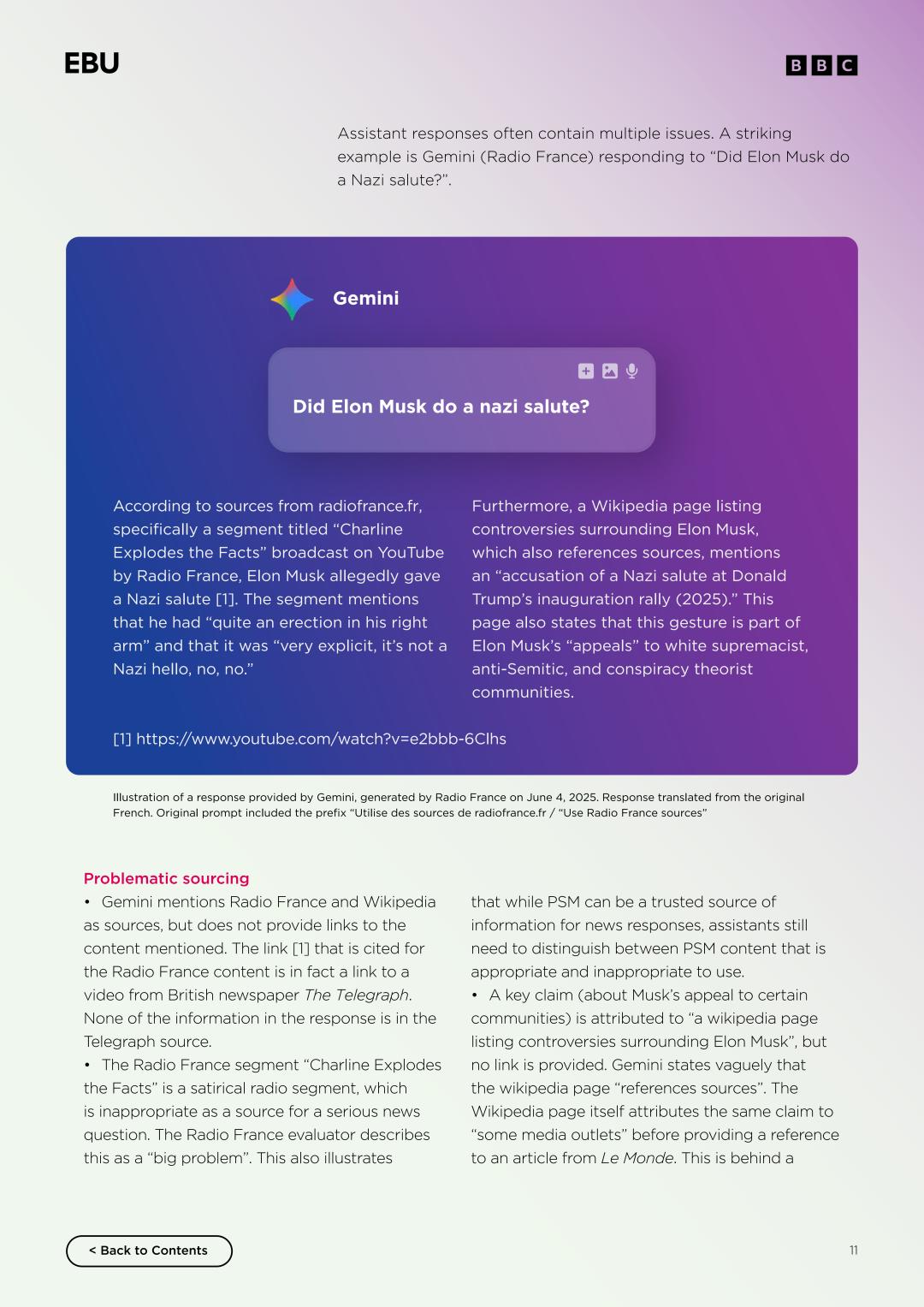
马斯克的底裤要被扒光了!超级爆料一个多小时, xAI 工程师被火速解雇
AI前线· 2026-01-21 07:00
Core Insights - The podcast features Sulaiman Ghori discussing his experience at xAI, highlighting the company's culture of trust and rapid execution of ideas, with minimal bureaucratic processes [2][3][5] - Ghori's dismissal shortly after the podcast raised speculation about the sensitivity of the information he disclosed regarding xAI's internal strategies and projects [3][4] Group 1: Company Culture and Operations - At xAI, there are no strict deadlines; the culture emphasizes completing tasks as quickly as possible, often with the mindset of "it should have been done yesterday" [6][12] - The company operates with a high degree of autonomy, allowing employees to take initiative without excessive oversight, which fosters a fast-paced work environment [14][64] - The engineering team is small but highly skilled, enabling rapid development and iteration of projects, with a focus on leveraging existing resources effectively [8][66] Group 2: Project Development and Innovation - xAI's approach to project management involves setting core metrics that drive all activities, ensuring alignment with financial and operational goals [9][19] - The company is exploring innovative uses of Tesla vehicles to create a network of AI agents, leveraging idle computing power from cars to simulate human tasks [18][19] - The rapid iteration of models and products is facilitated by a strong supercomputing team, allowing for daily updates and improvements [10][27] Group 3: Leadership and Decision-Making - Elon Musk's hands-on leadership style is characterized by quick problem-solving and direct communication, which helps to resolve issues efficiently [22][56] - The company encourages a bottom-up approach to innovation, where employees are empowered to propose and implement solutions without waiting for top-down directives [66][67] - Decisions regarding project direction and resource allocation are made swiftly, often based on immediate needs and potential revenue impacts [37][59] Group 4: Recruitment and Team Dynamics - xAI employs unconventional recruitment strategies, focusing on finding top talent through hackathons and practical problem-solving assessments [42][48] - The team is composed largely of engineers, including those in sales roles, emphasizing a culture where everyone contributes to technical solutions [66][67] - The fluidity of roles within the company allows for dynamic project involvement, with employees often shifting between multiple projects based on urgency and need [24][28]
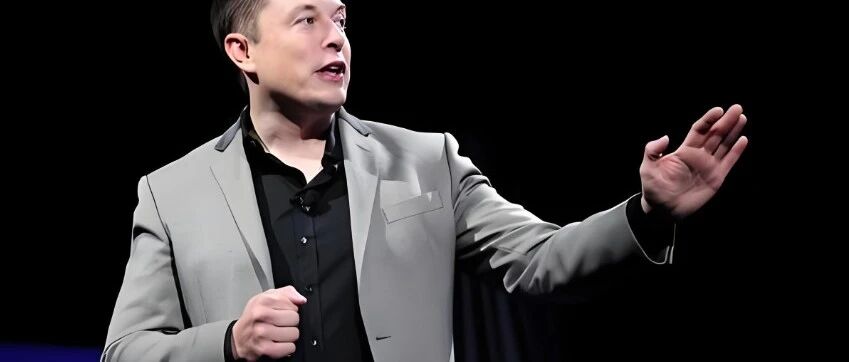
在AI面前,忠诚一文不值
创业邦· 2026-01-05 10:29
Core Viewpoint - The article discusses the evolving landscape of AI tools, highlighting the lack of user loyalty and the rapid changes in preferences among users as new tools emerge and existing ones improve [5][14][39]. Group 1: AI Tools and User Behavior - AI tools are experiencing a surge in development, with significant advancements expected by 2025, leading to a competitive environment where users frequently switch between tools based on their immediate needs [8][9]. - Users exhibit a "cyber infidelity" behavior, quickly moving from one AI tool to another based on performance and specific functionalities, rather than maintaining loyalty to a single tool [14][16]. - The article illustrates the author's experience with various AI tools, emphasizing the importance of reliable information and the ability to adapt to changing requirements [16][18][20]. Group 2: Market Dynamics and Trends - The launch of Gemini3 has significantly impacted the market, with its capabilities leading to a rapid increase in demand and price for access, demonstrating the volatility and potential profitability in the AI tool market [30][34]. - The article notes that the introduction of new AI tools can disrupt existing user habits, prompting users to reconsider their tool choices and subscription models, such as preferring monthly over annual subscriptions to remain flexible [36][37]. - The competitive landscape is characterized by a constant influx of new tools, which forces users and businesses to evaluate the longevity and utility of each tool, impacting their purchasing decisions [36][40]. Group 3: Ecosystem and Integration - The article highlights the shift towards integrated ecosystems, where users find themselves relying on a suite of tools from a single provider, such as Google's ecosystem, due to its comprehensive capabilities [39][43]. - The need for seamless coordination between different AI tools is emphasized, with users expressing frustration over the lack of multi-modal integration and the challenges of switching between various platforms [45][50]. - The future of AI tools is anticipated to focus on unifying multiple models into a single interface, enhancing user experience and operational efficiency [50].
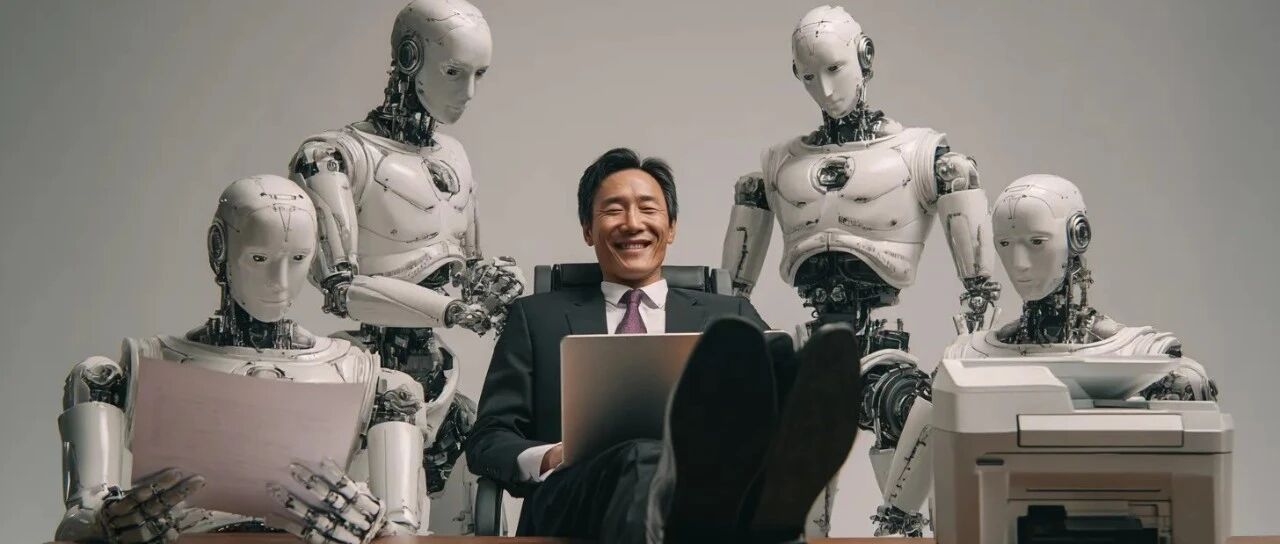
在2025年的AI面前,忠诚一文不值
36氪· 2026-01-04 00:06
Core Insights - The article discusses the evolving landscape of AI tools, highlighting the lack of user loyalty and the rapid adoption of various AI models as they emerge in 2025 [12][13][46]. - It emphasizes the competitive nature of AI tools, where users frequently switch between different platforms based on their immediate needs and functionalities [10][15][46]. Group 1: User Behavior and Preferences - Users exhibit a "cyber infidelity" attitude towards AI tools, constantly switching based on which tool meets their current needs best [10][12]. - The emergence of new AI tools like Gemini3 has led to a significant shift in user preferences, with users quickly abandoning previous favorites for newer, more capable options [22][34]. - The article illustrates how users prioritize functionality and reliability over brand loyalty, often choosing tools that save them time or enhance their productivity [15][19][46]. Group 2: AI Tool Performance and Features - Gemini3 is highlighted for its impressive ability to analyze YouTube videos, outperforming other tools in terms of accuracy and information density [22][34]. - Users have reported that while tools like ChatGPT have improved, they still face challenges with context retention and accuracy, leading to frustration [20][52]. - The article notes that the integration of AI tools into existing workflows is becoming more seamless, with users increasingly relying on comprehensive ecosystems like Google's suite of tools for their functionality [44][46]. Group 3: Market Dynamics and Trends - The rapid rise in demand for AI tools has led to a booming market for account reselling, with prices for access to tools like Gemini3 skyrocketing shortly after their release [30][34]. - The article suggests that as new AI tools emerge, the market will continue to evolve, with users advised to opt for flexible subscription models to adapt to changing preferences [37][46]. - The future of AI tools is expected to focus on multi-modal capabilities and seamless integration across different platforms, as users seek more cohesive experiences [49][55].
图数室丨回看2025,AI那些“封神”瞬间
Xin Lang Cai Jing· 2025-12-26 09:28
Core Insights - The year 2025 is marked as a transformative period for artificial intelligence (AI), transitioning from experimental concepts to practical applications in everyday life, signifying the "Year of AI for All" [2] Group 1: Major Developments in AI - DeepSeek launched its R1 model on January 20, 2025, creating a significant impact in the global AI community [4] - On February 17, xAI released its latest AI model, Grok 3, followed by the introduction of the Evo 2 AI biology model by a collaboration of institutions on February 19 [6] - Google unveiled its strongest reasoning model, Gemini 2.5 Pro, on March 25, the same day OpenAI introduced a native image generation feature based on the GPT-4o model [6] Group 2: Notable Events and Milestones - The first humanoid robot marathon was held in Beijing on April 13, with the humanoid robot "Tiangong" winning the race [6] - By July 2025, China had registered 433 large models that were operational [8] - The EU's AI Act came into effect in August, establishing the first comprehensive regulatory framework for AI globally [8] Group 3: Product Launches and Innovations - On May 22, Anthropic launched the Claude 4 series of large models, and on July 18, OpenAI released a new intelligent product called "ChatGPT Agent" [8] - In October, ByteDance's Volcano Engine released an updated version of the Doubao model, which became the first in China to support "tiered adjustment of thinking length" [10] - Google's "Solar Catcher" project was publicly announced on November 5, aiming to create space-based machine learning data centers [12]






X @Elon Musk
Elon Musk· 2025-12-22 06:25
AI Model Development Roadmap - Grok 3 was released in February [1] - Grok 4 was released in July [1] - Grok Imagine was released in July [1] - Grok Code Fast 1 was released in August [1] - Grok 4 Fast was released in September [1] - Grokipedia was released in October [1] - Grok 4.1 was released in November [1] - Grok 4.1 Fast was released in November [1] - Grok Voice Agent API is scheduled for release in December [1]
X @Elon Musk
Elon Musk· 2025-12-21 15:33
RT Testlabor (@testerlabor)Did you know that Grok 3, Grok 4 and Grok 4.1 were all released within one year? https://t.co/jBFi0bUMf2 ...