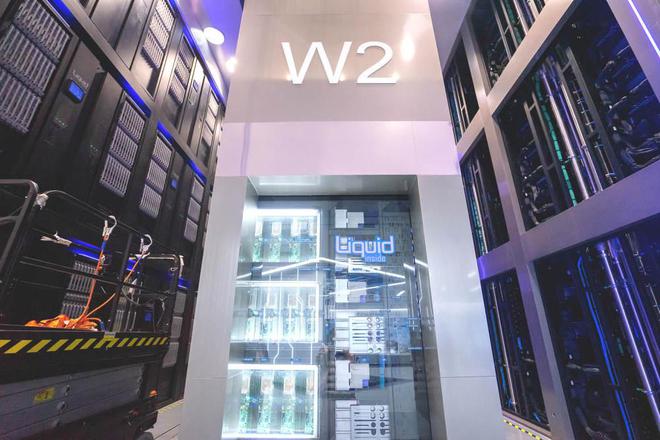
H100服务器

Search documents
存储芯片飙涨!大疆躺赢,市值狂飙近千亿!
是说芯语· 2026-03-13 00:41
Core Viewpoint - The article discusses the significant price increases in memory cards and chips, particularly driven by AI demand, and how DJI is navigating this landscape effectively, leveraging its scale and ecosystem to maintain supply and pricing power [5][11][12]. Price Surge Analysis - The price of TF cards has surged over 50% post-holiday, with enterprise-grade DDR5 memory chips seeing price increases exceeding 455% [5][8]. - UBS predicts a 72% quarter-over-quarter increase in DDR contract prices and a 65% increase in NAND contract prices for Q1 2026, marking the sixth consecutive quarter of price rises [8]. Supply Chain Dynamics - The current market faces a "price but no goods" scenario, where even willing buyers struggle to secure sufficient stock [10]. - The supply-demand mismatch is primarily due to AI's insatiable appetite for memory, leading major manufacturers to prioritize AI server production over consumer electronics [11][12]. DJI's Competitive Position - DJI is projected to achieve revenues between 85 billion to 90 billion yuan in 2025, significantly outpacing competitors like GoPro [16]. - DJI's procurement strategy allows it to secure long-term contracts with suppliers, enabling it to maintain stable prices even as the market experiences volatility [18]. Product Strategy and Ecosystem - DJI is shifting from a hardware-centric model to a service-oriented approach, offering cloud services to alleviate consumer storage concerns [22]. - The introduction of cloud services and advanced compression technology allows DJI to mitigate hardware cost increases while enhancing user experience [25]. Risks and Challenges - DJI's reliance on a global supply chain poses risks, particularly if geopolitical tensions disrupt access to critical components [29][30]. - The cyclical nature of the semiconductor industry raises concerns about potential price drops and inventory issues if demand does not meet expectations [30]. Talent Retention Issues - The article highlights concerns over talent retention as former DJI employees establish competing ventures, indicating a potential brain drain [36][39]. - The disparity in compensation and equity opportunities between DJI and emerging competitors may exacerbate this issue [38][40]. Conclusion - The current price surge in memory components presents both challenges and opportunities for industry players, with DJI positioned to leverage its scale and ecosystem to navigate these changes effectively [42][43].


算力之争:从成功帮助新加坡企业应对美国BIS调查H100转售和刑事起诉案件探讨中国企业如何思考和应对
Xin Lang Cai Jing· 2025-12-04 11:28
Core Viewpoint - The article discusses the increasing tension between the US and China in the AI sector, particularly regarding the export control of high-performance computing hardware, exemplified by the H100 servers, and highlights the importance of compliance for Chinese companies in navigating these regulations [2][24]. Group 1: Case Background and Summary - A Singaporean company purchased H100 servers from a US supplier and resold them to a downstream client, with deliveries to Southeast Asia [3][25]. - On August 2, two controlling persons of the downstream client were arrested by the US government for allegedly reselling H100 servers, which were ultimately reported to flow to China [4][26]. - The comparison between the Singaporean company and the downstream client reveals significant similarities in their business practices, yet the outcomes were drastically different, emphasizing the need for Chinese companies to reassess their compliance strategies [6][28]. Group 2: Complexity of US Restrictions on AI Computing Power - The restrictions imposed by the US on AI computing power are intricate, affecting how Chinese companies evaluate their business risks, and it is crucial not to underestimate these complexities [7][29]. - The US began banning the sale of H100 to China in October 2022, coinciding with the product's launch, indicating that any H100 entering China is likely in violation of US regulations [7][29]. - The legal framework surrounding these restrictions is multifaceted, requiring companies to integrate compliance into their operational processes, including order management and delivery systems [7][29]. Group 3: US Investigation Procedures and Compliance - The article emphasizes the rigorous nature of post-shipment verification by the US, where companies must be prepared for detailed scrutiny and must provide comprehensive documentation to demonstrate compliance [11][33]. - The investigation approach of the US Bureau of Industry and Security (BIS) is characterized by meticulousness and thoroughness, focusing on the specifics of business operations and compliance mechanisms [12][34]. - Companies must understand that compliance is not merely about having formal policies but about the actual execution of these policies in practice [14][34]. Group 4: Recommendations for Chinese Companies - Chinese companies are advised to enhance their understanding of US export control regulations and the investigative mindset of US authorities to mitigate risks effectively [16][20]. - It is crucial for companies to develop forward-looking and anticipatory business plans that consider potential changes in regulations and compliance requirements [20][21]. - The establishment of overseas entities or structures like VIEs does not guarantee protection from US legal scrutiny, as accountability can extend to individuals behind these entities [19][22].
心智观察所|中泰证券王芳:国产化进程当前的关键词是“深水区”和“高端化”
Guan Cha Zhe Wang· 2025-11-06 02:14
Core Insights - The electronic sector has shown strong performance in 2023, with an overall increase of over 40% year-to-date, driven by significant gains in the PCB segment, which rose over 110% [1][4] - The investment logic in the electronic sector is based on three pillars: cyclicality, innovation, and localization [4][21] - The current market environment indicates a weak recovery phase, with basic fundamentals improving but not overly optimistic [5][21] Investment Logic - The electronic sector's investment logic includes cyclicality, innovation, and localization, with stocks meeting at least one of these criteria likely to perform well [4][21] - The cyclicality aspect is crucial, as the sector's performance is closely tied to global semiconductor trends and geopolitical factors [4][5] - The innovation aspect is highlighted by the rapid advancements in AI and its impact on various electronic segments, particularly in cloud computing and hardware [7][21] AI Development and Investment - The AI landscape has shifted focus from cloud training to cloud inference, with significant capital expenditures expected from major tech companies [7][8] - Major cloud providers are projected to spend approximately $390 billion on capital expenditures in 2025, indicating sustained investment interest in AI [8][9] - The growth in AI applications is expected to drive demand for related hardware, particularly in the PCB and semiconductor sectors [11][12] Financial Performance - The electronic sector is experiencing a trend of "increasing revenue without increasing profit," with overall revenue growth projected at over 10% for 2024, but profit margins remaining stable [6][21] - Specific segments, such as PCB, have shown remarkable profit growth, with a year-on-year increase of over 60% in the second quarter, driven by AI demand [6][11] Localization and High-End Development - The localization process in China is characterized by a focus on high-end semiconductor manufacturing, with significant growth in domestic IC design and production capabilities [18][19] - The high-end semiconductor market, particularly in GPUs and advanced CPUs, is a critical area for future investment, with low localization rates presenting substantial opportunities [19][20] - The overall semiconductor industry is expected to enter a "deep water zone," requiring significant advancements in high-end technology and manufacturing processes [20][21]



AI算力需求井喷 “算力贷” 可解融资之困吗?|新产业金融观察 ①
2 1 Shi Ji Jing Ji Bao Dao· 2025-04-25 02:34
Core Insights - The emergence of large models has significantly increased the demand for computing power, but high capital costs deter many enterprises from investing [2][4] - To address funding challenges, several banks have launched "computing power loans" to support companies in the computing power sector [2][6] Group 1: Demand and Costs - The demand for computing power has surged this year, particularly driven by advancements in domestic large models and the DeepSeek trend [2][4] - High costs associated with hardware procurement, computing power leasing, and subsequent operations have made it difficult for small and medium-sized enterprises to participate [2][4] - For instance, the price of high-performance graphics cards can exceed 100,000 yuan, posing a significant barrier for startups [4] Group 2: Banking Innovations - At least five banks have introduced "computing power loan" products this year, indicating a growing trend in financial support for the computing power industry [2][6] - These loans are tailored to meet the differentiated financing needs of enterprises across the entire computing power industry chain [3][7] - For example, Jiangsu Bank's Shanghai branch has signed agreements with several companies, with a total credit amount reaching 1 billion yuan [7] Group 3: Loan Structure and Flexibility - The "computing power loans" are designed with a focus on specific sectors, such as AI chip manufacturers and cloud computing service providers [7][8] - Some banks have adjusted their evaluation systems and enhanced repayment flexibility to better align with the characteristics of computing power enterprises [3][9] - For instance, Shunde Rural Commercial Bank has differentiated its loan products into "computing power operation loans" and "computing power upgrade loans" to cater to various needs [8] Group 4: Evaluation and Risk Management - Banks are modifying their evaluation models to better assess computing power enterprises, moving away from traditional financial metrics [9][10] - The evaluation includes factors such as core technology, market competitiveness, and research investment, allowing for a more nuanced understanding of a company's potential [9][10] - Additionally, some banks are incorporating ESG performance into their loan pricing, offering interest rate discounts based on ESG ratings [10]