IC卡

Search documents
广东一男子SIM卡炼出191克黄金,价值21万元?当事人紧急澄清
Sou Hu Cai Jing· 2026-01-24 10:40
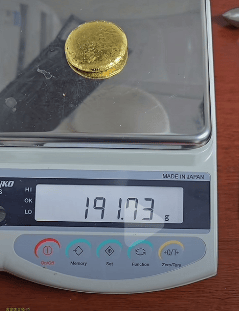
Core Viewpoint - A man in Guangdong successfully extracted 191.73 grams of gold from over 170 kilograms of SIM card chip waste, valued at approximately 214,737.6 yuan based on the current gold price of 1,120.00 yuan per gram [1] Group 1: Extraction Process - The extraction process involved specific electronic waste, particularly gold-plated chip waste from the telecommunications sector, rather than ordinary SIM cards [2] - The man clarified that the weight of the waste used was close to 2 tons, emphasizing that individual SIM cards contain negligible amounts of gold [2] - The extraction process is complex and requires compliance with industry standards, aimed at showcasing the recovery value rather than creating sensationalism [2] Group 2: Public Reaction and Misunderstandings - The topic sparked significant online discussion, with many users expressing surprise at the ability to extract gold from SIM cards [3][5] - Some users humorously commented on their own experiences with gold, indicating a mix of curiosity and disbelief regarding the extraction process [6] Group 3: Safety and Feasibility Concerns - The man warned that the gold content in SIM cards is extremely low, typically around 0.02 grams or less per card, and the extraction process is hazardous, not recommended for individuals [3][12] - The extraction methods discussed in videos often involve dangerous chemicals and require precise conditions, making them unsuitable for home experimentation [10]

男子用SIM卡炼出191克黄金,价值21万元?当事人紧急澄清
Sou Hu Cai Jing· 2026-01-24 10:40
Core Viewpoint - The discussion around the recovery of precious metals from electronic waste, particularly SIM cards, has sparked debate regarding safety and environmental concerns, with clarifications needed on the actual processes involved in metal recovery [1][3]. Group 1: Precious Metal Recovery Process - The SIM cards and other electronic components contain recoverable gold, which is extracted through a process involving gold plating at critical connection points [1]. - The gold recovery process is not based on individual SIM cards but rather on a collection of gold-plated electronic waste from the telecommunications sector [3]. - The weight of gold extracted from a specific batch was reported as "191.73 grams," but this figure has been misrepresented as being derived from single SIM cards, leading to misunderstandings [3]. Group 2: Safety and Environmental Concerns - The extraction process involves hazardous chemicals, which pose significant safety risks and potential environmental pollution, making it inadvisable for individuals to attempt gold recovery from SIM cards [3]. - The gold content in a typical SIM card is very low, approximately 0.02 grams, making personal collection impractical and ineffective [3].

男子用SIM卡炼出191克黄金?遭质疑后当事人回应
Sou Hu Cai Jing· 2026-01-24 03:54
Core Viewpoint - The topic of "a man extracting 191 grams of gold from SIM cards" has sparked significant online discussion, with various opinions on the validity and safety of the practice [1] Group 1: Gold Extraction Process - The individual involved clarified that the gold was extracted not from a single SIM card, but from a collection of gold-plated electronic waste materials from the telecommunications sector [4] - The reported weight of "191.73 grams" refers to a specific batch of processed material, which has been misrepresented as being derived solely from SIM cards [4] - The extraction process is part of the precious metal recovery industry, focusing on compliant extraction from specific electronic waste, rather than a casual personal endeavor [4] Group 2: Safety and Environmental Concerns - The gold content in a typical SIM card is very low, approximately 0.02 grams per card, making personal extraction impractical due to the minimal yield [4] - The extraction process involves the use of highly corrosive chemicals, posing significant safety hazards and environmental pollution risks, which discourages individual attempts at extraction [4][2]

东港股份(002117) - 002117东港股份投资者关系管理信息20250521
2025-05-21 09:08
Group 1: Company Overview and Business Transition - Donggang Co., Ltd. has transitioned from traditional printing to information service provision, focusing on the information industry and developing products related to AI technology [1][2] - The company has developed a large model platform and related robotic products as part of its AI business expansion [2] Group 2: Data Security Measures - The company emphasizes data security by implementing internal and external network isolation, storing data on internal servers, and using dedicated lines for customer data transmission [1] - The company has obtained information security and IT service system certifications, ensuring data encryption and security measures are in place [1] Group 3: AI Business and Technical Team - The AI technical team comprises personnel with experience from various sectors, including electronic invoicing and lottery machine development, contributing to a strong technical foundation [2] - The company collaborates with experts from renowned international AI institutions for technical guidance and project development [2] Group 4: Financial Performance and Projections - The company has a low bad debt loss rate, with only 47,900 yuan in receivables written off in 2024, indicating strong payment capabilities from major clients [3] - Despite increased market competition leading to a decline in gross margin, new business areas such as archive storage, smart cards, and AI robots are expected to continue growing and provide new growth momentum [3] Group 5: Product and Market Strategy - The company's RFID products primarily utilize domestic chips, tailored to customer needs [2] - The robot business currently has a small revenue share and does not significantly impact overall performance, with a focus on vertical applications in specific industries [2][3]

IC卡预付费充值管理系统
Sou Hu Cai Jing· 2025-05-20 02:13
Core Insights - The IC card prepaid recharge management system is essential for managing IC card recharges, consumption, and related services, widely used in daily life applications such as public transport, access control, and shopping cards [1] Group 1: Basic Concepts - IC cards, short for integrated circuit cards, are made of plastic and contain embedded chips that store information, offering read and write functionalities, making them convenient, efficient, and secure for various applications [1] Group 2: Key Functions of the Prepaid Recharge Management System - The system includes several functional modules such as account management, allowing users to register and manage personal accounts securely [2] - Users can recharge their IC cards through multiple methods including bank transfers, online payments, and cash, ensuring convenience for users [2] - The system provides a consumption record query feature, enabling users to track their spending, which aids in personal budget management [3] - A refund function is available for users to request refunds on recharged amounts, ensuring a straightforward and secure process [3] - Data statistics and analysis capabilities allow for the aggregation and analysis of user recharge and consumption data, helping management understand user habits and optimize services [4][5] Group 3: System Structure - The IC card prepaid recharge management system consists of a front end and a back end, where the front end serves as the user interface for operations like registration and recharge [5] - The back end handles data processing and storage, including databases for user information and transaction records [5] Group 4: Application Scenarios - In public transport, IC cards are used for fare collection, with the system facilitating easy recharges and consumption tracking for users [6] - In commercial payments, many malls and supermarkets utilize IC cards for transactions, with the system aiding in sales data statistics and inventory management [6] - In educational institutions, IC cards function as campus cards, covering various services like library borrowing and cafeteria payments, with the system assisting students in managing their accounts [6] Group 5: Security and Privacy Protection - Security and privacy are critical in the IC card prepaid recharge management system, which should employ encryption technologies to protect user information and prevent data breaches [7] Group 6: Future Development Trends - The proliferation of mobile payments is expected to lead to more integration of recharge management systems with mobile payment platforms, enhancing user convenience [8] - The application of artificial intelligence in the system can provide personalized services and recommendations based on user data analysis [9] - The introduction of blockchain technology may enhance data security and transparency within the prepaid recharge management system [9] Group 7: Summary - The IC card prepaid recharge management system plays a vital role in modern society, offering convenient recharge and consumption functionalities that enhance user experience, with ongoing technological advancements expected to improve system features and security [9]