LPDDR5内存模块

Search documents
你没看错!美光:存储将缺货到2028年!
是说芯语· 2026-01-12 11:53
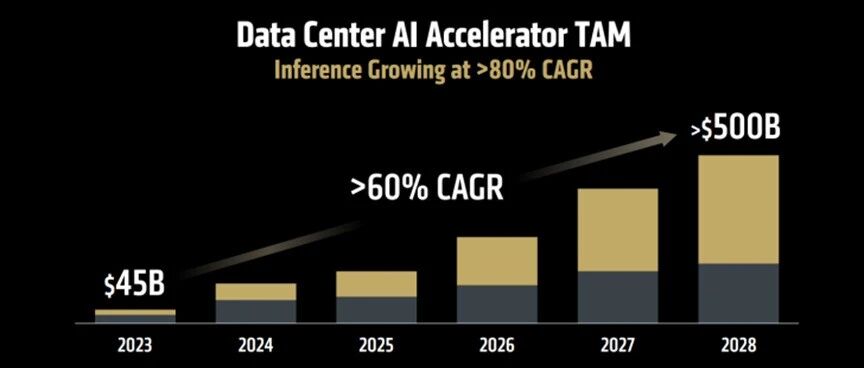
Core Viewpoint - Micron is a leading memory manufacturer facing a significant demand surge in DRAM memory due to the rise of artificial intelligence, which has led to a supply shortage affecting both consumer and data center markets [1][2][3] Group 1: Current Market Situation - The total addressable market (TAM) for data centers is rapidly expanding, with potential market size increasing from 30%-35% to 50%-60%, indicating a substantial demand for memory [2] - Micron's OEM consumer channel constitutes a significant portion of its market share, supplying major PC brands like Dell and Asus, thus maintaining a presence in the consumer market despite the exit from the "Crucial" brand [2][3] - The current supply shortage is not solely a Micron issue but a broader industry challenge, with all manufacturers struggling to meet the heightened demand [3] Group 2: Production Capacity and Challenges - Micron is facing challenges in adjusting production lines to meet varying memory module capacities, which complicates efforts to increase overall DRAM output [5][6] - The company is working to stabilize demand and production to maximize yield, as fluctuations in memory configurations can lead to reduced output [6] - Significant expansions in production capacity will not yield results until 2028 due to the lengthy process of construction and customer certification [7] Group 3: Competitive Landscape - There is increasing speculation about Chinese memory suppliers potentially filling market gaps, with Micron welcoming competition as a means to improve its own offerings [8][9] - The memory industry is experiencing a strong demand driven by AI infrastructure, which is expected to sustain high prices and profitability for manufacturers [10][13] Group 4: Future Outlook - Analysts predict that the demand for NAND flash and DRAM will continue to grow, with capital expenditures from major tech companies expected to rise significantly [14][17] - Despite the current high demand, memory manufacturers are cautious about expanding production capacity due to past experiences with market volatility [17][18]


美光:存储将缺到2028
半导体行业观察· 2026-01-12 01:31
Core Viewpoint - Micron is a leading memory manufacturer facing a significant demand surge in DRAM memory due to the rise of artificial intelligence, which has led to a supply shortage affecting both consumer and data center markets [1][2][3]. Group 1: Market Dynamics - The Total Addressable Market (TAM) for data centers is rapidly expanding, with the potential market size increasing from 30%-35% to 50%-60%, indicating a substantial demand for memory products [2]. - Micron's OEM consumer channel plays a crucial role in its market share, supplying major PC brands like Dell and Asus, which helps maintain its presence in the consumer market despite the exit from the "Crucial" brand [2][3]. - The current supply shortage is not solely a Micron issue but a broader industry challenge, with all manufacturers struggling to meet the increasing demand across various segments [3]. Group 2: Production Challenges - The sudden spike in DRAM demand has made it difficult for Micron to adjust its supply chain effectively, leading to production constraints [5]. - Capacity expansion is complex and involves more than just adding new machines; it requires addressing the differentiation in memory module capacities, which complicates production efficiency [5][6]. - Micron is working to stabilize demand and production by reducing the variety of chips produced, which is essential for maximizing output [6]. Group 3: Future Outlook - Micron's factory expansion plans are expected to yield significant results only by 2028 due to the lengthy process of construction, customer certification, and technology validation [7][8]. - The memory shortage is likely to persist until the demand from the AI sector begins to decline, as manufacturers are cautious about rapidly increasing production capacity due to past market volatility [9][11]. - The competitive landscape is evolving, with Chinese memory suppliers potentially filling market gaps, but Micron welcomes competition as it drives improvement and innovation [8][9]. Group 4: Financial Implications - The current memory shortage has led to increased prices, significantly boosting revenues and profits for memory manufacturers like Micron, which reported record quarterly earnings [11][14]. - Analysts predict that high prices for memory chips and hard drives will continue to support the market's elevated value, although the industry remains wary of cyclical downturns [14][18]. - Major tech companies are driving capital expenditures to unprecedented levels, which could sustain the demand for memory products for several years [15].