
Memo Air Display

Search documents
极米科技(688696):2025业绩快报点评:内外销有望修复,新业务稳步拓展
GUOTAI HAITONG SECURITIES· 2026-03-04 15:29
Investment Rating - The investment rating for the company is "Accumulate" with a target price of 136.80 CNY, while the current price is 92.98 CNY [6]. Core Insights - The company has solidified its leading position in the domestic market, successfully adjusted its overseas operations, and is steadily expanding into new business areas such as commercial display products and smart cockpit solutions [2][12]. - For 2025, the company expects to achieve a revenue of 3.467 billion CNY, reflecting a year-on-year increase of 1.85%, and a net profit attributable to the parent company of 143 million CNY, up 19.25% year-on-year [12]. - The company is focusing on enhancing its research and development capabilities and improving its supply chain efficiency, which has led to an increase in gross profit margins [12]. Financial Summary - Total revenue for 2023 was 3,557 million CNY, with a projected decrease to 3,405 million CNY in 2024, followed by a slight increase to 3,467 million CNY in 2025 [5]. - The net profit attributable to the parent company is expected to rise from 121 million CNY in 2023 to 143 million CNY in 2025, indicating a growth trajectory [5]. - The earnings per share (EPS) is projected to increase from 1.72 CNY in 2023 to 2.05 CNY in 2025 [5]. Market Position and Business Development - In the domestic market, the company increased its market share from 14.5% to 17.6% in 2025, despite a 7.3% decline in overall retail sales volume [12]. - The company has launched new products in overseas markets, including the MoGo 4 and Horizon 20 series, which have seen strong demand during promotional periods [12]. - New business initiatives, such as the commercial display product "Taishan" series and AI glasses MemoMind, are expected to contribute positively to the company's revenue streams [12].

东方证券:端侧AI落地场景明朗 智能眼镜与AI赋能跨境电商成双主线
智通财经网· 2026-01-16 02:14
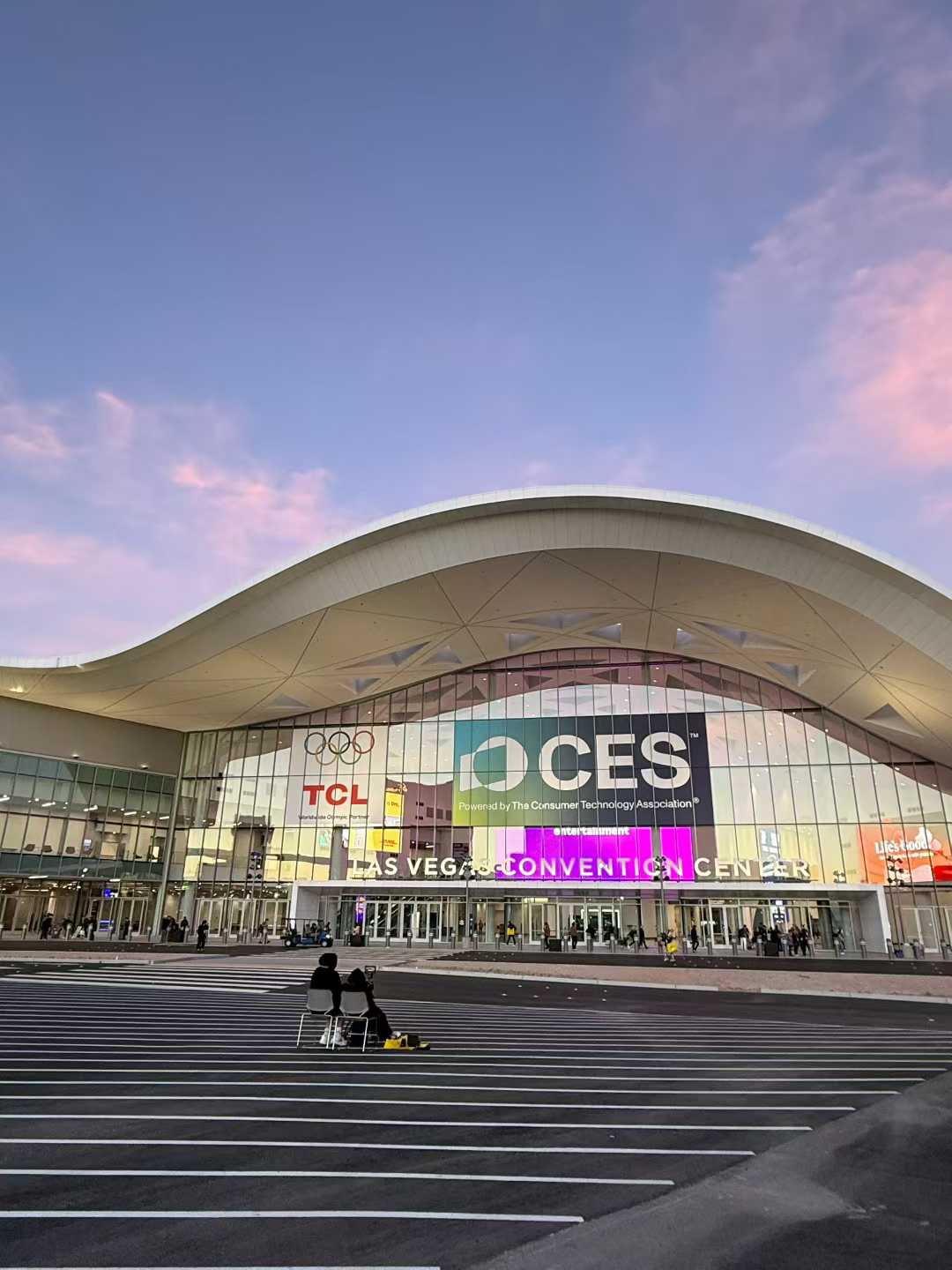
Core Insights - The report from Dongfang Securities highlights the growing importance of smart glasses as a key application for edge AI, with a positive outlook for the eyewear industry chain and leading cross-border e-commerce companies driven by new product innovations [1][2] Group 1: Smart Glasses Market - The CES 2026 showcased smart glasses as a major trend, with over 90% of the core exhibition area occupied by Chinese brands, including more than 50 companies like Thunderbird, XREAL, INMO, and Rokid [2] - Key highlights from CES include the launch of the world's first dual-lens AR glasses with eSIM functionality by Thunderbird, Rokid's lightweight AI glasses for overseas markets weighing only 38.5 grams, and the MemoMind smart glasses by XGIMI, which weigh just 28.9 grams [2][3] - Global smart glasses shipments are projected to increase from 9.93 million units in 2025 to 86.9 million units by 2030, with the market size expected to grow from 19.7 billion yuan to 161.2 billion yuan, reflecting a CAGR of 50% [3] Group 2: Industry Dynamics - The report emphasizes that smart glasses are standardized products, requiring collaboration with eyewear companies to customize for individual consumer needs, as consumer preferences vary widely [3] - Weight is a critical factor influencing consumer decisions, making companies that can produce ultra-thin lenses and master fitting technology vital in the supply chain [3] - Consumer education for smart glasses relies heavily on offline channels, highlighting the importance of retail eyewear stores with strong distribution networks [3] Group 3: Investment Recommendations - Recommended investment targets in the smart glasses sector include companies like KANAT, Doctor Glasses, Mingyue Lenses, Aishide, and Tianyin Holdings [5] - In the cross-border e-commerce space, notable companies include Anker Innovations and Ugreen Technology, which are also highlighted for their innovative product launches at CES [5]

终于上桌吃饭,AI眼镜分野于CES:独立重要,智能体更重要
3 6 Ke· 2026-01-12 03:05
Core Insights - CES 2026 showcased a significant shift in the AI landscape, with AI not just as a feature but as a means to redefine user interaction with information [1][6] - AI glasses emerged as a prominent category, indicating a growing consumer interest and potential market viability [5][18] Group 1: AI Glasses Development - AI glasses are evolving from mere concepts to practical devices, with a focus on usability and experience rather than just technological gimmicks [5][18] - The differentiation among AI glasses continues, with AI audio glasses showing disadvantages compared to AI display and multifunctional glasses like Rokid's offerings [5][18] - The introduction of independent operation capabilities in AI glasses, such as the Thunder X3 Pro with eSIM, marks a significant trend towards detaching from smartphones [10][12] Group 2: Market Trends and Consumer Engagement - Consumer interest in AI glasses is high, with significant foot traffic at Rokid's booth during CES, indicating a positive reception for products like the Rokid AI Glasses Style [3][5] - Companies are focusing on making AI glasses practical for daily use, with various manufacturers exploring different approaches to enhance user experience and encourage purchases [18][22] - The emergence of smart agent stores is crucial for the AI glasses industry, allowing developers to define functionalities, similar to how the App Store transformed the smartphone market [28][31] Group 3: Technical Innovations and Challenges - Innovations in connectivity, such as Qualcomm's efforts to achieve low-power WiFi connections, are essential for the independent operation of AI glasses [12][33] - Battery life and ease of recharging are critical factors for the independence of AI glasses, with various designs being tested to improve these aspects [13][33] - The balance between lightweight design and essential functionalities, such as first-person photography and video recording, remains a challenge for manufacturers [32][33]

补贴与展会双重加持,智能眼镜迎来“成人礼”
Jin Rong Jie· 2026-01-09 06:34
Core Insights - The Chinese government has introduced a subsidy for consumers purchasing smart glasses priced under 6000 yuan, offering a 15% discount, with a maximum of 500 yuan [2] - The CES 2026 event has showcased a significant shift towards AI glasses, with various companies presenting innovative products that enhance user experience [3][4] Policy Support - The new policy, effective from 2026, includes smart glasses in the consumer goods trade-in subsidy program, reflecting government support for the AI terminal industry [2] - This policy change indicates a move from conceptual products to mainstream consumer acceptance of smart glasses [2] Exhibition Highlights - CES 2026 featured 4112 companies, with major players like Nvidia, AMD, and Hisense showcasing their latest AI glasses [3] - The event highlighted AI as a core driver in product development, moving beyond being an additional feature [3] Technological Differentiation - Companies are adopting various technological paths, with some focusing on ultra-lightweight designs while others emphasize functional integration [4] - Innovations include modular designs and advanced interaction technologies, such as Meta's EMG handwriting recognition [4] Practical Applications - The maturity of smart glasses is evident, with many products weighing under 30 grams and offering diverse interaction methods [5] - Companies are exploring accessibility features, such as special subsidies for visually impaired users [6] Market Opportunities - The subsidy policy is expected to lower the entry barrier for consumers, making smart glasses more attractive [6] - Different market segments are emerging, with companies like BleeqUp targeting professional sports and others like MemoMind focusing on everyday use [6] Future Trends - The smart glasses market is shifting from general-purpose devices to specialized solutions tailored for specific scenarios [7] - The integration of AI models is expected to transform smart glasses into proactive assistants, enhancing user experience and driving market growth [7]
轻工制造行业跟踪报告:CES 举办在即,关注智能眼镜新品节奏
Huachuang Securities· 2026-01-07 05:14
Investment Rating - The industry investment rating is "Recommended," indicating an expected increase in the industry index exceeding the benchmark index by more than 5% in the next 3-6 months [15]. Core Insights - The report emphasizes the importance of exploring supply chain opportunities from the demand side, particularly in the context of the upcoming CES event, which is expected to showcase a variety of new smart glasses products [3][9]. - The report highlights that 2026 is anticipated to be a year of significant growth for smart glasses, driven by supportive policies and supply upgrades, with a focus on enhancing product features and user experience [9]. Industry Overview - The light industry manufacturing sector comprises 164 listed companies with a total market capitalization of approximately 1,094.55 billion and a circulating market value of about 934.63 billion [6]. - The absolute performance of the industry over the past 12 months has been 32.9%, while the relative performance compared to the benchmark has been 5.8% [7]. Key Company Forecasts and Valuations - 康耐特光学 (Kangnait Optical) is projected to have an EPS of 1.18, 1.45, and 1.81 for 2025E, 2026E, and 2027E respectively, with a strong buy rating [4]. - The PE ratios for 康耐特光学 are forecasted to be 41.05, 33.26, and 26.64 for the same years, indicating strong growth potential [4]. Upcoming Events - The 2026 International Consumer Electronics Show (CES) is scheduled from January 6 to 9, showcasing over 50 exhibitors in the AI glasses segment, with significant product launches expected from various companies [9].

