
P型超薄HJT电池

Search documents
马斯克领跑太空光伏
Di Yi Cai Jing Zi Xun· 2026-02-13 14:20
Core Insights - The recent surge in the space photovoltaic sector, driven by Elon Musk's comments on the potential of solar energy for AI, has led to significant market fluctuations, with the Wind Space Photovoltaic Index rising nearly 40% in January before experiencing an over 8% decline from its peak due to clarifications from multiple companies [2][3] - The concept of space photovoltaics, while not new, is gaining traction as advancements in launch technology and cost reductions from companies like SpaceX make large-scale deployment more feasible [4][6] - Industry experts express skepticism about the immediate commercial viability of space photovoltaics, emphasizing that ground-based solar power will remain the primary energy source for the foreseeable future [2][5] Industry Trends - The potential market for space photovoltaics is vast, with estimates suggesting that launching 10,000 satellites annually could create a market worth 200 billion yuan for solar wings, and long-term projections estimate the market could reach 5.6 trillion yuan [3] - The rapid increase in SpaceX's launch frequency, from 31 launches in 2021 to a projected 167 in 2025, is expected to significantly lower launch costs, thereby facilitating the growth of the space photovoltaic sector [4] - Despite the optimism surrounding space photovoltaics, the industry remains cautious, with challenges such as high certification times for aerospace clients and the need for standardized supply chains and quality control systems [5][6] Technological Developments - The industry is focusing on developing new technologies such as P-type ultra-thin HJT batteries and perovskite-silicon tandem batteries, which are seen as potential solutions for the challenges faced in space photovoltaic applications [7] - Perovskite tandem batteries have shown laboratory efficiencies exceeding 35% and are significantly cheaper than traditional gallium arsenide batteries, making them a promising candidate for future space applications [7][8] - The integration of solar technology with aerospace initiatives is viewed as essential for Chinese companies to leverage their existing advantages in the photovoltaic supply chain and to participate in the global space race [9]



马斯克领跑太空光伏,中国何时产业化落地
Di Yi Cai Jing· 2026-02-13 13:52
Core Viewpoint - The emergence of space photovoltaic technology, driven by Elon Musk's vision, presents both opportunities and challenges for the Chinese photovoltaic industry, with a focus on collaboration with domestic aerospace companies and the need for technological advancements in the sector [1][2][6]. Group 1: Market Dynamics - The space photovoltaic sector is projected to have a market potential of 5.6 trillion yuan, driven by the deployment of satellites and the integration of solar energy with AI capabilities [2][3]. - The Wind Space Photovoltaic Index saw a nearly 40% increase in January, but has since corrected by over 8% due to clarifications from multiple companies [1][2]. - The capital frenzy surrounding space photovoltaics has been influenced by Musk's statements at the Davos Forum, highlighting the importance of solar energy for AI [1][2]. Group 2: Technological Challenges - The high cost of satellite launches and limited capacity have historically constrained the scalability of space photovoltaics, but advancements in reusable rocket technology by SpaceX are changing this landscape [3][7]. - The industry remains cautious about the large-scale commercialization of space photovoltaics, citing the need for extensive testing and validation of technologies in extreme space environments [3][4]. - Current space photovoltaic solutions are primarily custom-made in small batches, necessitating the establishment of standardized supply chains and quality control systems [3][4]. Group 3: Strategic Collaborations - Chinese photovoltaic companies are encouraged to leverage their existing advantages in ground solar energy to collaborate with aerospace firms, aiming to capture opportunities in the space photovoltaic market [6][8]. - The integration of advanced technologies such as perovskite and heterojunction (HJT) solar cells is seen as crucial for the future of space photovoltaics, with potential applications in satellite energy systems [7][8]. - Companies are actively pursuing partnerships to test new technologies, with plans to replace traditional gallium arsenide solar cells with more efficient alternatives in upcoming satellite missions [6][7]. Group 4: Future Outlook - The global race towards space energy systems is intensifying, with initiatives like China's "Sunshine Plan" and the EU's SOLARIS plan emphasizing the importance of space photovoltaic stations [7]. - The next few years are expected to yield significant technological advancements in the photovoltaic sector, particularly in the development of P-type ultra-thin HJT cells and perovskite tandem cells [7][8]. - The Chinese photovoltaic industry is positioned to play a pivotal role in the future of space energy, given its comprehensive supply chain and competitive cost structure [8].
当光伏“卷”上太空,产业苦等“廉价船票”
Jing Ji Guan Cha Wang· 2026-02-02 05:08
Core Viewpoint - The "space photovoltaic" concept is not merely speculative but represents a systemic industrial leap driven by commercial aerospace, AI computing power, and photovoltaic technology revolution [2] Group 1: Market Dynamics - Since the end of 2025, the "space photovoltaic" sector in A-shares has shown resilience against market downturns, fueled by Elon Musk's vision of deploying 100GW solar arrays in space annually and the rising energy consumption of global AI computing [2] - The market for solar wings, considering the nearly 100,000 low-orbit satellites currently planned, is estimated to be in the hundreds of billions, with potential growth to a trillion-dollar scale if space computing centers are deployed [3] Group 2: Technological Pathways - Three main technological pathways for space photovoltaics are emerging: GaAs (Gallium Arsenide), HJT (Heterojunction), and perovskite tandem cells [4] - GaAs offers over 30% efficiency and a lifespan of 15-20 years but is costly at 1,000 yuan per watt, with a global annual production capacity of only about 150 megawatts [4] - HJT technology is seen as the optimal solution for commercialization, with companies like King Kong Photovoltaics focusing on its development since 2021, leveraging techniques that meet the specific demands of space applications [5][6] Group 3: Industry Challenges - The industry faces significant challenges, including high launch costs, which can exceed $2,000 per kilogram, making it difficult for competitive space batteries to be integrated into satellites or energy modules [9] - The current market is still in its infancy, lacking unified international standards and sufficient simulation testing resources, which complicates the validation of product reliability in space environments [8][10] - The lengthy wait times for launch opportunities, often extending to 1-2 years, hinder the speed of technology validation and market readiness [10] Group 4: Collaborative Efforts and Future Outlook - Companies are actively seeking partnerships across the aerospace supply chain, aiming to establish deep collaborations with satellite manufacturers and rocket companies [10] - There is a growing call for national policies and standards to support the development of the space photovoltaic sector, including the establishment of testing standards for space photovoltaic components [10]

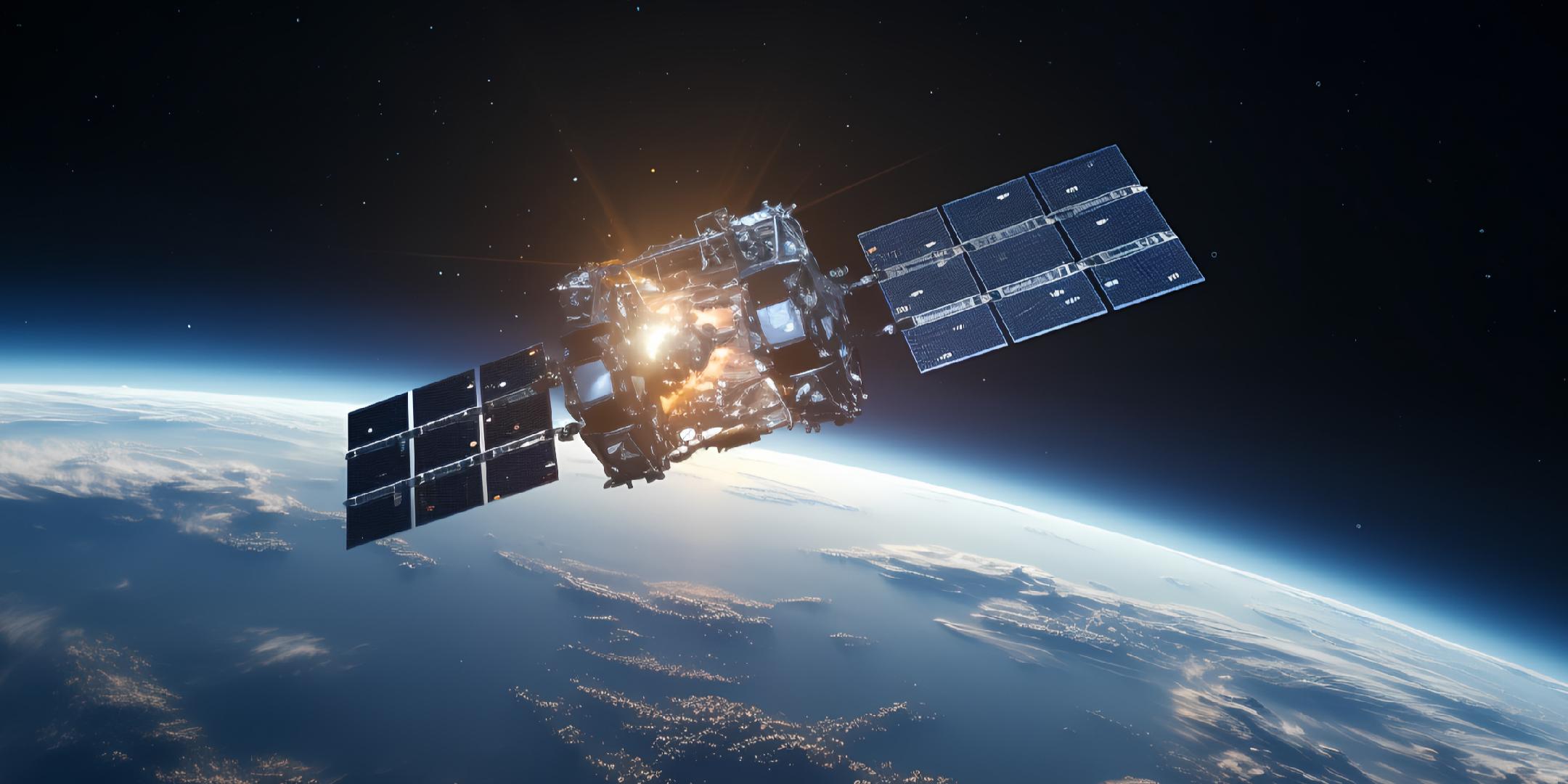
光伏“卷”上太空
财联社· 2026-02-01 04:51
Core Viewpoint - The "space photovoltaic" concept is not merely speculative but represents a systemic industrial leap driven by commercial aerospace, AI computing power, and photovoltaic technology revolution [1] Group 1: Market Dynamics - Since the end of 2025, the A-share "space photovoltaic" sector has shown resilience against market downturns, fueled by Elon Musk's vision of deploying 100GW solar arrays in space annually and the soaring energy consumption of global AI computing [1] - The market for solar wings, driven by nearly 100,000 planned low-orbit satellites, is estimated to be in the hundreds of billions, with potential growth to a trillion-dollar scale if space computing centers are deployed [2] Group 2: Technological Pathways - Three main technological pathways are currently being explored in space photovoltaics: GaAs (Gallium Arsenide), HJT (Heterojunction), and perovskite tandem cells [3][4] - GaAs offers over 30% efficiency and a lifespan of 15-20 years but is costly at 1000 yuan per watt, with a global annual production capacity of only about 150 megawatts [3] - HJT technology is seen as the optimal solution during the commercialization transition, with companies like Jingang Photovoltaics focusing on its development since 2021 [6][7] Group 3: Industry Challenges - The industry faces significant challenges, including high launch costs and the need for extensive testing and validation of new technologies in space environments [11][12] - The current market is still in its infancy, with no unified international standards and limited resources for simulation testing, making it difficult to prove the long-term reliability of products [10][12] - The high cost of space launch services remains a major barrier, with domestic costs significantly higher than those of SpaceX, impacting the overall feasibility of deploying competitive space solar solutions [11] Group 4: Collaborative Efforts and Future Outlook - Companies are actively seeking partnerships within the aerospace supply chain, aiming to establish deep collaborations with satellite manufacturers and rocket companies [12] - There is a growing call for national policies and standards to support the development of the space photovoltaic sector, including the establishment of testing standards for space photovoltaic components [12]
商业航天迈入奇点时刻,东方日升领跑太空光伏布局
Quan Jing Wang· 2026-01-12 10:12
Core Viewpoint - China has submitted an application to the International Telecommunication Union (ITU) for the addition of 203,000 low Earth orbit satellites, marking a strategic move to secure dominance in the space communication sector, which is expected to significantly benefit leading companies in the industry, such as Dongfang Risheng [1] Group 1: Industry Developments - The commercial space market is poised for substantial growth due to China's strategic actions in low Earth orbit satellite internet [1] - The establishment of space data centers is crucial for advancing from satellite manufacturing to space resource development and commercialization, potentially creating a demand for over 800GW of space photovoltaic installations [2] - The photovoltaic industry is experiencing a policy shift aimed at eliminating outdated production capacity, which will strengthen competitive barriers for leading companies [3] Group 2: Company Insights - Dongfang Risheng has successfully commercialized P-type ultra-thin HJT batteries, which have advantages in production cost control, power-to-weight ratio, and adaptability to flexible solar wing structures [2] - The company is actively developing next-generation battery technologies, including perovskite/silicon heterojunction stacked solar cells, achieving a conversion efficiency of 30.99% [3] - With the cancellation of export tax rebates for photovoltaic products, the industry is expected to see a consolidation of resources towards leading companies, enhancing their profitability [4] Group 3: Future Opportunities - Dongfang Risheng is well-positioned to leverage policy benefits and industry opportunities in both terrestrial and space photovoltaic markets, opening up long-term growth potential [5]
