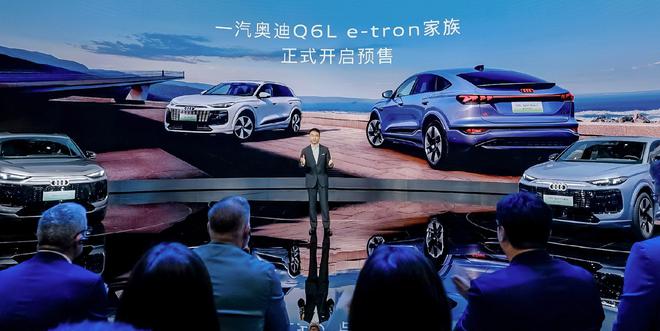
PPE豪华纯电平台

Search documents
破局豪华存量战:一汽奥迪“油电混共进全智”的生存法则
2 1 Shi Ji Jing Ji Bao Dao· 2026-02-01 04:03
Core Viewpoint - The traditional luxury car brands in China are at a crossroads as the luxury car market faces a decline in market share, with a significant drop in the fuel luxury car segment, while domestic brands and new forces are gaining market share through electric and intelligent advantages [1][15]. Market Trends - The luxury car market share in China decreased by 2.8% year-on-year, with the fuel luxury car segment experiencing an 11.3% decline [1]. - The penetration rate of new energy vehicles has surpassed 50%, leading to a consensus on "comprehensive electrification" within the industry [1]. Audi's Strategy - Audi's decision to reverse its plan to stop developing internal combustion engine vehicles by 2033 has been controversial but resulted in strong sales performance, with retail sales reaching 570,088 units in 2025, reclaiming the top position in luxury fuel vehicle sales [1][15]. - Audi's strategy is not to abandon electrification but to create a diverse product matrix that includes internal combustion engines (ICE), battery electric vehicles (BEV), and plug-in hybrid electric vehicles (PHEV) [2][16]. Product Performance - The Audi A6L and Q5L have been standout performers, with A6L selling 172,000 units and Q5L selling 140,000 units in 2025, leading their respective segments [2][5]. - The launch of the Audi A5L, based on the PPC luxury fuel intelligent platform, has been pivotal in revitalizing the fuel vehicle market, achieving over 25,000 deliveries by December 2025 [5][11]. Technological Advancements - The PPC platform aims to enhance the value of fuel vehicles through advanced technology, including a 48V mild hybrid system and L2+ level intelligent driving capabilities [4][11]. - The PPE platform, which underpins the Audi Q6L e-tron family, features an 800V high-voltage architecture and advanced charging technology, addressing range anxiety and enhancing competitive edge in the electric vehicle market [7][9]. Collaboration and Innovation - Audi's collaboration with Huawei on intelligent driving technology emphasizes a tailored approach rather than a one-size-fits-all solution, ensuring that luxury attributes are maintained [9][10]. - The integration of advanced features such as a high-performance central computing platform and vehicle motion management system in the A5L demonstrates Audi's commitment to enhancing user experience [5][11]. Future Outlook - Audi aims to solidify its position in the luxury car market by balancing fuel and electric vehicle offerings while enhancing intelligent features, with plans to introduce new models like the A6L and A6L e-tron in 2026 [11][16]. - The company's entry into F1 racing in 2026 is expected to reinforce its "performance luxury" branding and engage users through experiential marketing [13][16].

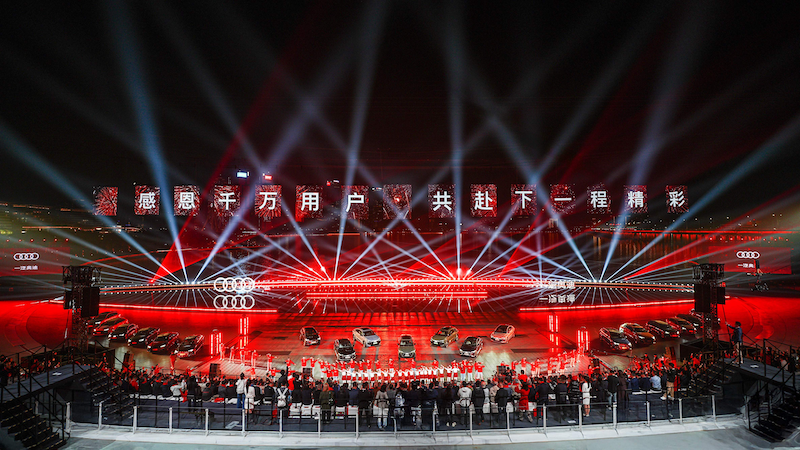
南海潮涌处,坚守见真章
Xin Hua Wang· 2025-12-09 08:46
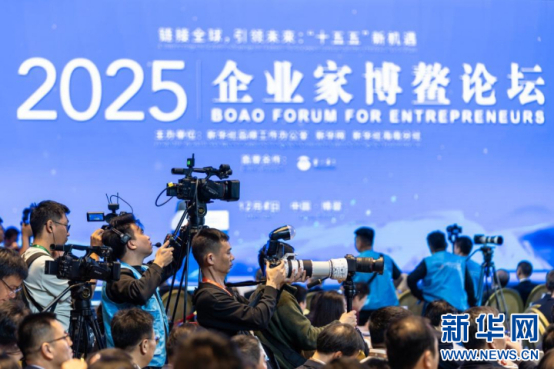
Core Perspective - The concept of "long-termism" has emerged as a focal point at the 2025 Boao Forum, replacing previous trends like "hot spots" and "explosive products" [3] - Leading companies such as Audi, Haier, and Qualcomm emphasize the importance of long-term commitment in a fast-paced business environment [3] Group 1: Value Commitment - Long-termism embodies a conscious restraint against the temptations of rapid success, focusing on core values [4] - Brand building is described as a foundational process rather than a superficial marketing effort, requiring a long-term investment approach [4] - Examples include the cultivation of rice varieties taking 8-10 years and Audi's development of a luxury fuel-efficient intelligent platform over several years [4] Group 2: Growth Path - Long-termism is characterized by dynamic engagement in core sectors, rejecting short-term speculation [5] - Companies like Bosideng and Qualcomm illustrate the importance of sustained focus on innovation and brand development [5][6] - Audi's 37-year commitment to the Chinese market highlights the importance of aligning with local user needs and industry development [6] Group 3: Policy Support - The long-term commitment of companies is supported by stable national policies, particularly during the transition from the 14th to the 15th Five-Year Plan [6] - Audi's development of the PPE luxury electric platform aligns with national green development goals, showcasing the impact of policy on long-term technological investment [6] Group 4: Collaborative Ecosystem - Long-termism evolves into a collaborative ecosystem where technology, manufacturing, and quality work together [8] - Audi's strategy includes a high localization rate of 90% and partnerships with local suppliers, enhancing supply chain efficiency and reducing carbon emissions [8] - The integration of AI technology into luxury brands exemplifies the collaborative approach to innovation [8] Conclusion - The narratives of companies committed to long-termism reflect a deeper understanding of market dynamics and user needs, contributing to high-quality economic development in China [9]
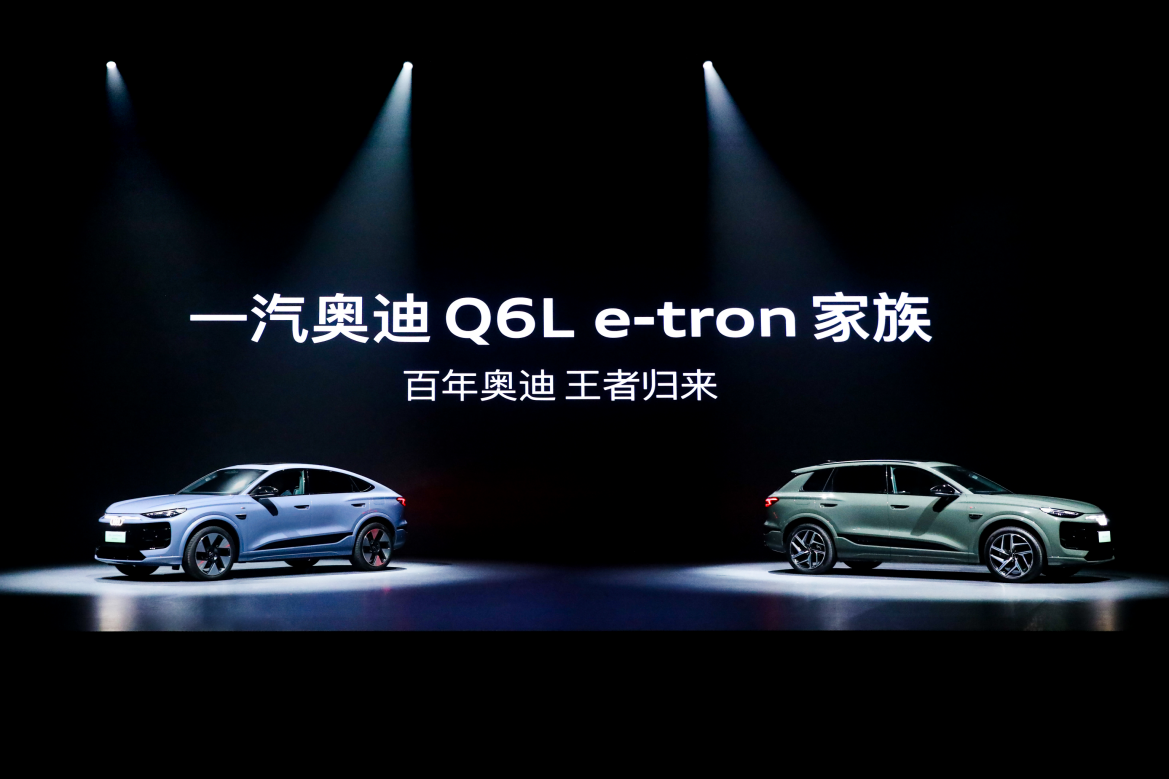
更懂中国的德系豪华纯电SUV! 一汽奥迪Q6L e-tron诠释中德智造新高度
Zheng Quan Ri Bao Wang· 2025-08-27 01:57
Core Insights - The article highlights the integration of Audi's PPE luxury electric platform with leading Chinese technology, establishing the core competitiveness of the FAW Audi Q6 Le-tron [2][4][5] - The Q6 Le-tron is positioned to redefine the luxury electric vehicle market by enhancing the overall value chain experience, moving beyond mere technical specifications [8][12] Group 1: Technology and Innovation - The PPE luxury electric platform, developed in collaboration with Porsche, is designed for high-end electric vehicles, featuring innovations in battery management, energy efficiency, and charging technology [2] - The Q6 Le-tron utilizes an advanced 800V high-voltage platform, allowing for a rapid charging capability of 294 kilometers in just 10 minutes, and is equipped with a 107 kWh battery providing a range of 765 kilometers under CLTC conditions [2][10] - The vehicle incorporates Huawei's customized Qian Kun intelligent driving technology, featuring a comprehensive perception system with 2 LiDARs, 13 cameras, 5 millimeter-wave radars, and 12 ultrasonic radars [4][10] Group 2: Manufacturing and Sustainability - The FAW Audi Q6 Le-tron is produced in a state-of-the-art smart factory that emphasizes green manufacturing, achieving near-zero carbon emissions and utilizing 100% green energy [5][7] - The factory boasts nearly 1,000 robots and a local supplier rate of 90%, fostering a robust industrial ecosystem that enhances the entire supply chain [7] Group 3: Market Positioning and User Experience - The Q6 Le-tron aims to elevate the luxury experience by integrating advanced technology and design, including an 88-inch AR-HUD, a 14.5-inch OLED MMI touchscreen, and a premium Bang & Olufsen sound system [10][12] - The company has introduced a direct sales model with transparent pricing and exclusive services, enhancing customer rights and transforming the sales channel into a user-centric operation [12] Group 4: Strategic Implications - The launch of the Q6 Le-tron signifies a pivotal shift in China's electric vehicle industry from scale expansion to quality enhancement, providing a replicable model for high-end electric vehicle transformation [12]
“奥迪+华为第一车”开启预售,传统豪华品牌反向拥抱中国技术
Jing Ji Guan Cha Bao· 2025-06-02 10:25
Group 1 - The core point of the article is the launch of the Audi Q6L e-tron, which signifies a shift in traditional luxury brands embracing Chinese technology, particularly through its collaboration with Huawei [2][3]. - The Q6L e-tron is built on the PPE luxury electric platform and features the Huawei Drive ADS 3.0 system, which includes 11 cameras and 31 perception hardware components, enhancing its autonomous driving capabilities [2][3]. - The vehicle supports ultra-fast charging with a 107kWh battery from CATL, achieving a charging power of 270kW, allowing for a range of 294 kilometers with just 10 minutes of charging [2]. Group 2 - The interior design of the Q6L e-tron includes a five-screen setup tailored to Chinese user preferences, contrasting sharply with the minimalist style of competitors like Tesla [3]. - Although the official price has not been announced, the pre-sale strategy indicates Audi's competitive ambition, with a deposit of 1,000 yuan offsetting 6,000 yuan of the purchase price, and limited users can enjoy up to 60,000 yuan in equipment gifts [3]. - The pricing strategy reflects a broader trend of "technological equality" in the market, as competitors like Avita 07 and NIO ES6 offer advanced features at lower price points, challenging traditional luxury brand pricing [3]. Group 3 - The Q6L e-tron is seen as the beginning of a transformation, with the upcoming A6L e-tron expected to further integrate German luxury with Chinese technology [4]. - The evolution in the electric vehicle market suggests that agility in ecosystem integration will determine success, rather than historical brand legacy [4].