QDII指数基金

Search documents
投资进化论丨指数基金怎样配置才科学?牢记5个“不同”
Sou Hu Cai Jing· 2026-02-24 09:04
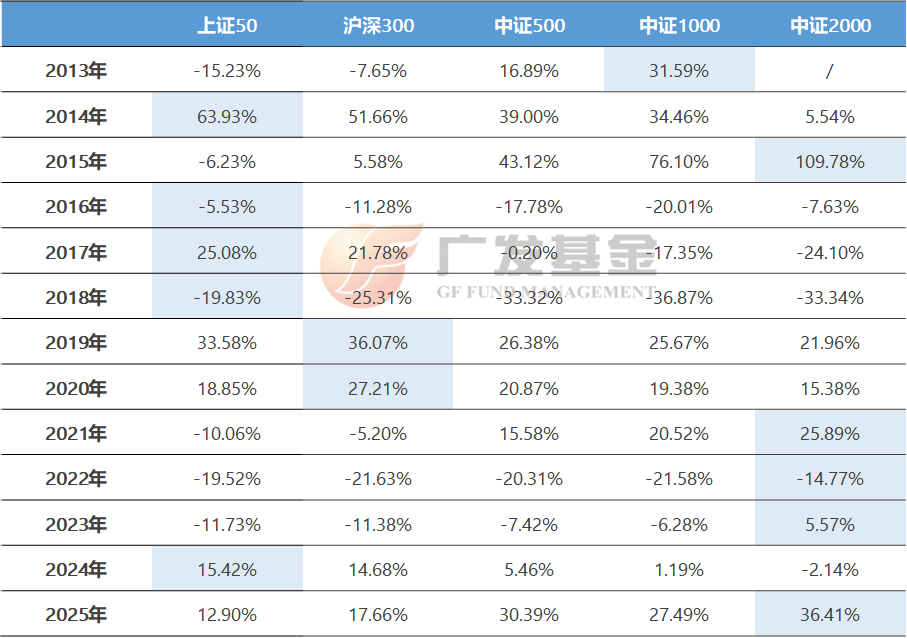
Core Viewpoint - In 2025, domestic ETFs in China continued to show strong growth, surpassing 6 trillion yuan, making it the largest ETF market in Asia. Investors increasingly utilize index funds as a core positioning tool for asset allocation, emphasizing the importance of effective diversification through various dimensions [1]. Group 1: Different Constituents - Investors often mistakenly believe that purchasing different index funds equates to achieving diversification. High overlap in constituents can lead to "pseudo-diversification." For example, holding both the CSI 300 and the CSI 800 does not effectively reduce risk due to their overlapping stocks [2]. - In contrast, the CSI 1000, which consists of stocks not included in the CSI 800, provides true diversification when held alongside the CSI 800, allowing for effective risk management [2]. Group 2: Different Styles - Stocks can be categorized by market capitalization into large-cap, mid-cap, small-cap, and micro-cap styles. Historical data shows that there are style rotations between large-cap and small-cap stocks in the A-share market, influenced by macroeconomic factors [3][5]. - A strategy combining both large-cap and small-cap stocks can be beneficial, leveraging their performance differences in varying macro environments [5]. Group 3: Different Industries and Strategies - The A-share market features a variety of industry and strategy indices, allowing investors to capture growth opportunities in specific sectors. Investors can adopt a "core-satellite" strategy, using mainstream broad-based indices as core holdings while selecting industry or strategy indices for potential excess returns [6]. Group 4: Different Investment Markets - The performance of markets in different countries and regions can vary significantly. Investing in low-correlation markets can enhance diversification and capture growth opportunities. QDII index funds facilitate global investment for ordinary investors, with significant indices linked to U.S. and Hong Kong markets [8]. Group 5: Different Asset Classes - Different asset classes can exhibit interactive relationships, such as bonds strengthening during stock market corrections. Combining negatively correlated assets (e.g., stocks and bonds) or low-correlation assets (e.g., stocks and commodities) can reduce overall portfolio volatility [9][10]. Conclusion - Utilizing index tools for asset allocation requires a comprehensive approach. Investors are encouraged to consider constituents, styles, industry strategies, investment markets, and asset classes to optimize their investment portfolios scientifically [11].

存款利率跌破1%!金价3300、比特币11万,如零利率来临普通人怎么办
Sou Hu Cai Jing· 2025-06-15 00:26
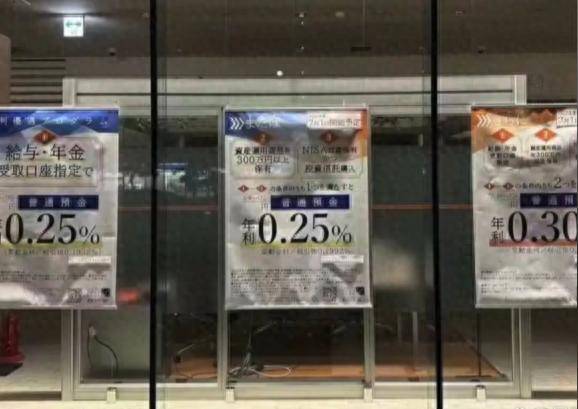
Core Viewpoint - The article discusses the challenges posed by a low-interest-rate environment and suggests various asset allocation strategies to mitigate inflation pressure and enhance returns in such conditions [1][3][7]. Group 1: Financial Environment - The global financial environment is becoming increasingly complex, with many individuals struggling to keep pace [1]. - Japan's zero interest rate policy since 1999 and Europe's negative interest rates since 2014 have led to a shift in asset allocation strategies among residents [1][3]. Group 2: Current Market Conditions - Gold prices have reached $3,300, and Bitcoin has surged to $110,000, while deposit interest rates have fallen below 1%, creating significant pressure on traditional savings [3]. - Major domestic banks have collectively lowered deposit rates, with one-year fixed deposit rates dropping below 1% [3]. Group 3: Asset Allocation Strategies - Personal asset management should follow a "three-part method" for diversified asset allocation [3]. - Short-term liquidity should be managed through money market funds or T+0 cash management products, with annualized rates around 1% [3]. - High-dividend stocks and REITs are recommended for stable income, with average dividend rates of approximately 3% for domestic ETFs and up to 7% for Hong Kong's high-dividend ETFs [5]. - A combination of government bonds, convertible bonds, and high-rated corporate bonds can target around 3% returns, with domestic options including policy financial bond funds and convertible bond index funds [5]. - Long-term guaranteed income can be achieved through life insurance products offering around 3% returns, although recent trends show a decline in guaranteed rates [5][7]. Group 4: Global Asset Diversification - Investors concerned about currency depreciation are advised to consider QDII index funds and gold ETFs for international asset diversification and commodity risk hedging [5]. - The article emphasizes the need for a multi-faceted investment strategy to adapt to the low-interest-rate environment and ensure asset preservation and growth [7].