QFLP(合格境外有限合伙人)

Search documents
创投2025:投硬投新 已是春来?
Shang Hai Zheng Quan Bao· 2025-12-28 19:24
Core Insights - The Chinese venture capital market is experiencing a turning point after a prolonged downturn, with signs of recovery emerging in fundraising, investment, and exit channels [1][2]. Fundraising Landscape - The venture capital market in 2025 is characterized by a diverse funding structure led by state-owned enterprises (SOEs), with SOEs accounting for 55% of limited partners (LPs) and controlling 81% of the market [2][3]. - The number of private equity fund managers has reached 11,600, with 4,099 having SOE backgrounds, managing 64.5% of the total fund size [2]. Investment Trends - Investment focus has shifted towards "hard technology" sectors such as semiconductors, biomedicine, and artificial intelligence, with early-stage investments maintaining a high level of interest [4][5]. - The proportion of investments in new productivity sectors has exceeded 70%, with electronic information, biomedicine, and manufacturing leading the way [4]. Exit Strategies - The IPO market is gradually recovering, with 191 IPOs in A-shares and Hong Kong involving 1,114 investment institutions, yielding an average internal rate of return (IRR) of 47.14% on the first day [8][10]. - Mergers and acquisitions (M&A) are also on the rise, with 1,855 domestic M&A transactions completed in the first three quarters of 2025, amounting to 6,330.46 billion yuan [8][9]. Structural Changes - The introduction of various financing tools, such as the promotion of science and technology bonds and QFLP (Qualified Foreign Limited Partner) schemes, is enhancing the capital structure of the venture capital industry [6][7]. - International capital is returning to the Chinese venture capital market, with initiatives to attract foreign sovereign funds and enhance investment opportunities [7]. Challenges Ahead - Despite the positive trends, the industry still faces significant exit pressures, with over 17 trillion yuan in funds awaiting resolution, highlighting the need for a vibrant capital market [10].
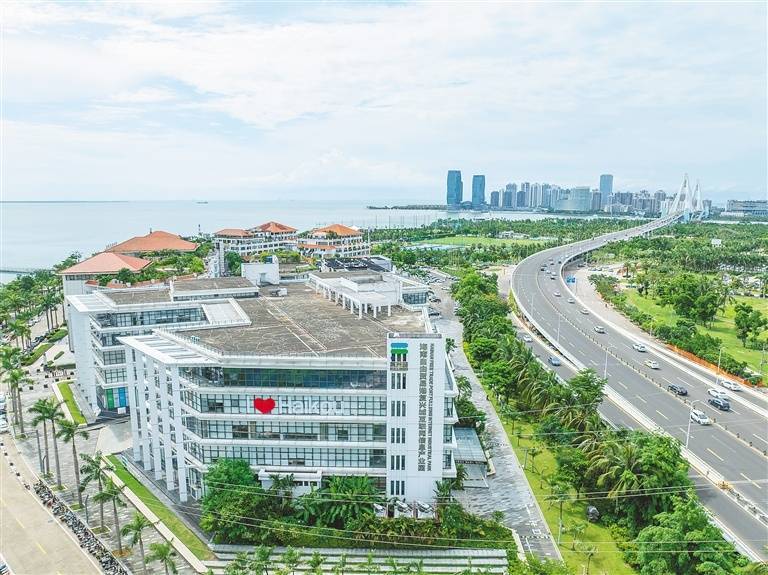
海南大谷国际园区董事长张焱:以政策洼地与金融创新,迎接海南自贸港的产业与财富机遇
Cai Jing Wang· 2025-12-27 14:01
Core Insights - The forum focused on the future positioning of Hainan Free Trade Port and new opportunities in Sanya, highlighting the importance of financial innovation and talent attraction in the region [1][2]. Financial Sector Development - Financial industry is characterized by high intensity, capital, taxation, and talent, with policies acting as a magnet for businesses [2][5]. - The introduction of the "Double 15%" tax policy in June 2020 significantly increased business interest, leading to a financial cluster effect in Sanya's Central Business District [2][5]. - Innovations in financial services include QDLP, QFLP, and ODI, which have opened up new avenues for investment and collaboration, particularly in stablecoin and other cutting-edge areas [2][6]. Industry Opportunities - Three key industries identified for growth post-border closure are trade, manufacturing, and the gold industry, with trade seeing a threefold increase in large-scale transactions [6][8]. - The gold industry is expected to thrive due to tax reforms that will significantly reduce the tax burden on gold purchases, attracting major players like Zijin Mining and Zhongjin Gold [8]. Wealth Management - Establishing limited partnership enterprises is recommended as an effective method for family wealth management, allowing for efficient asset planning and inheritance [9]. - The ease of registering investment limited partnerships in Hainan is highlighted as a competitive advantage compared to other regions [9]. Talent Attraction and Infrastructure - Sanya is enhancing its infrastructure to attract high-end financial talent, including top-tier medical and educational resources, and affordable housing options [6][8]. - The city is positioning itself as a hub for financial services, with rising property values indicating a growing wealth management ecosystem [11].
前海合作区外资成绩单亮眼
Shen Zhen Shang Bao· 2025-08-04 05:36
Core Insights - The actual foreign investment in Qianhai reached 12.326 billion yuan in the first half of the year, marking a year-on-year increase of 15.9%, accounting for 59.0% of Shenzhen's total [1] - Qianhai has established itself as a preferred destination for foreign investment, with over 12,000 foreign enterprises now settled in the area [3] Group 1: Foreign Investment Growth - The Qianhai Shekou Free Trade Zone saw actual foreign investment of 10.702 billion yuan, a significant year-on-year growth of 40.5% [1] - The top three industries for foreign investment in Qianhai during the first half of the year were finance (29.5%), business services (29.4%), and software and information technology services (17.5%) [2] - Foreign investment in the financial sector grew by 19.5%, while high-tech services experienced a remarkable increase of 72.4% [2] Group 2: Institutional and Financial Innovations - Qianhai has been at the forefront of financial innovation, piloting policies such as QFLP (Qualified Foreign Limited Partner) total management and cross-border wealth management [2] - The newly established QFLP funds account for over 90% of Shenzhen's total, while QDIE quotas represent 80% of the city's total [2] - The area offers a 15% corporate income tax incentive, and foreign enterprises can reduce operational costs by over 40% through cross-border cash pools [2] Group 3: Business Environment and Future Prospects - Qianhai has been recognized for its excellent business environment within the Guangdong-Hong Kong-Macao Greater Bay Area, attributed to high transparency in government governance and simplified business registration processes [3] - Over 52% of members of the South China American Chamber of Commerce plan to establish new offices in Qianhai in the near future [3] - Qianhai aims to deepen institutional openness in finance, data cross-border, and healthcare sectors [3]
海南自贸港跨境资金“活水”双向奔涌
Sou Hu Cai Jing· 2025-06-06 01:02
Core Insights - The establishment of the EF account in Hainan Free Trade Port has significantly facilitated cross-border capital flow, with over 330 accounts opened and a transaction volume exceeding 120 billion RMB as of early May 2023 [4][5] - The EF account allows for more convenient and cost-effective foreign exchange operations for enterprises, saving approximately 300 RMB per $10,000 in transaction costs [3][4] - The QFLP and QDLP policies are enhancing cross-border investment opportunities, attracting foreign capital into Hainan and allowing domestic funds to invest abroad [5][6] Financial Innovations - The EF account serves as a "currency bridge" between Hainan and foreign markets, enabling seamless cross-border transactions [4] - As of May 2023, 19 countries and regions have opened EF accounts in Hainan, with funds flowing to and from 48 countries [2][5] - The total foreign exchange revenue and expenditure in Hainan is projected to reach $108.63 billion in 2024, marking a significant milestone for the region [2] Policy Developments - The Hainan Free Trade Port has implemented a series of financial policies aimed at enhancing cross-border capital flow, including the expansion of the cross-border trade and investment pilot program [8] - The establishment of a cross-border capital centralized operation center is expected to further streamline financial operations and enhance the region's attractiveness for foreign investment [8] - The financial policies in Hainan are designed to create a secure and efficient environment for both domestic and international businesses, promoting a robust financial ecosystem [5][8]