TPU v7 Ironwood

Search documents
群狼围上来了,黄仁勋最大的竞争对手来了
3 6 Ke· 2025-12-12 02:16
Core Insights - The U.S. government has approved NVIDIA to sell high-end H200 GPU chips to China and other approved customers, requiring a 25% sales commission, marking a significant lobbying success for CEO Jensen Huang [1] - NVIDIA's stock price rose following this news, as the company had lost a substantial share of the Chinese market due to previous export restrictions [1] - NVIDIA's data center revenue from China has sharply declined, dropping from 25% to nearly zero due to these restrictions [2] Group 1: NVIDIA's Market Position - NVIDIA has dominated the AI GPU market, holding over 80% market share, but has seen its share in the Chinese market plummet due to U.S. sanctions [2][3] - The company reported $130 billion in data center revenue in the most recent fiscal year, but faces risks from high customer concentration, with the top two customers accounting for 39% of revenue [2] - Huang's optimism about NVIDIA's competitive edge is challenged by the increasing self-sufficiency of major clients like Google, Amazon, and Microsoft, who are developing their own AI chips [10][15] Group 2: Competitors' Developments - Amazon's AWS has introduced the Trainium 3 AI chip, which claims to reduce training costs by 50% compared to NVIDIA's offerings, positioning it as a direct competitor [5][6] - Google's TPU v7 Ironwood chip has shown a tenfold performance increase over its predecessor and is optimized for high throughput and low latency, further intensifying competition [9][10] - Microsoft is facing delays in its self-developed Maia chip, which is intended to reduce reliance on NVIDIA, with significant cost advantages projected [11][14] Group 3: Market Dynamics - The AI chip market is expected to see a "performance vs. cost" showdown in 2026, with NVIDIA maintaining a performance edge while competitors emphasize cost savings [15][16] - Amazon aims to increase its self-developed chip share to 50%, while Google's TPU market share has reached 8%, indicating a shift towards diversified chip usage among AI companies [17][18] - Analysts predict that self-developed chips from major tech companies could capture 20-25% of the market share in the next five years, posing a significant threat to NVIDIA's dominance [20]





群狼围上来了!黄仁勋最大的竞争对手来了
Xin Lang Ke Ji· 2025-12-12 00:24
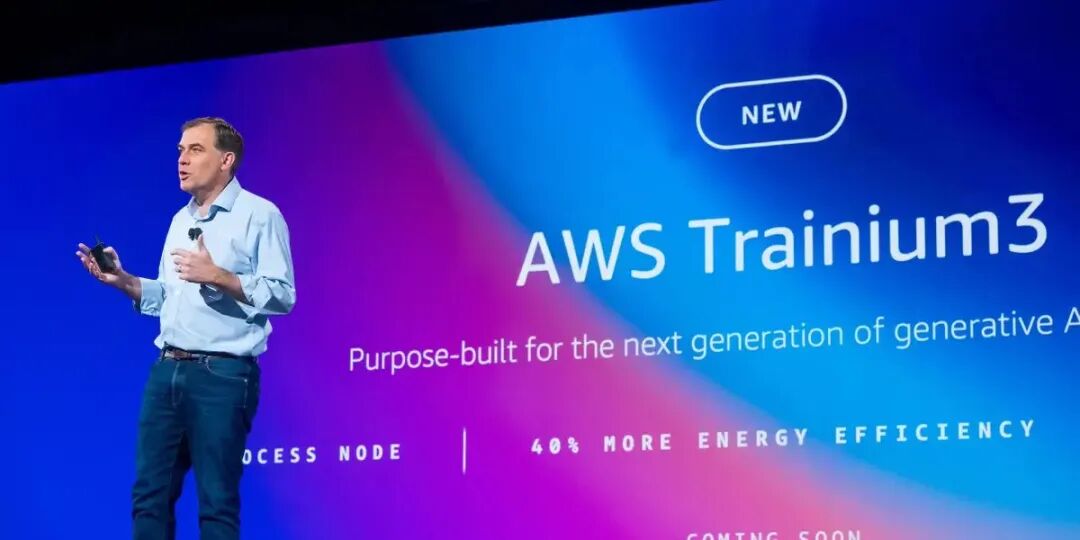
Core Insights - The U.S. government has approved NVIDIA to sell high-end H200 GPU chips to China and other approved customers, requiring a 25% sales commission, marking a significant lobbying success for CEO Jensen Huang [1][2] - NVIDIA's stock price rose following this news, as the company had lost a substantial share of the Chinese market due to previous export restrictions [1] - Despite this approval, NVIDIA's latest Blackwell and future Rubin series GPUs remain banned for export [1] Group 1: Market Dynamics - NVIDIA's market share in the AI GPU sector had dropped from 95% to nearly zero in China due to restrictions, with revenue from the Chinese market for its data center business falling from 25% to a much lower percentage [1][2] - The AI GPU market in China is estimated to be worth between $20 billion and $30 billion this year, making the re-entry significant for NVIDIA's revenue [2] - Major cloud service providers like Google, Amazon, and Microsoft are developing their own chips, posing a competitive threat to NVIDIA [2][3] Group 2: Competitive Landscape - Amazon's new AI chip, Trainium 3, is designed to be a low-cost alternative to NVIDIA's GPUs, claiming to reduce training costs by 50% compared to previous generations [6][19] - Google has released its seventh-generation TPU, Ironwood, which boasts a tenfold performance increase over its predecessor and is optimized for high throughput and low latency [10][11] - Google’s TPU is expected to capture an 8% market share in the AI chip market by 2025, with Meta planning to adopt Google's TPU, further intensifying competition for NVIDIA [12][22] Group 3: Client Concentration Risks - NVIDIA's revenue is highly concentrated, with its top two customers accounting for 39% of its revenue and the top three for 53% [2] - The shift of major clients like Google and Amazon towards self-developed chips could significantly impact NVIDIA's order volume and market position [3][12] - Microsoft is facing delays in its self-developed Maia chip, which could hinder its ability to reduce reliance on NVIDIA chips [13][16] Group 4: Future Projections - The competition between performance and cost will intensify in 2026, as major players release their latest self-developed chips [17][18] - NVIDIA's Blackwell architecture is expected to maintain a performance edge, but competitors are focusing on cost advantages [19][20] - Analysts predict that self-developed chips from major tech companies could capture 20-25% of the market share in the next five years, indicating a significant shift in the competitive landscape [26]
群狼围上来了!黄仁勋最大的竞争对手来了|硅谷观察
Xin Lang Cai Jing· 2025-12-11 23:28
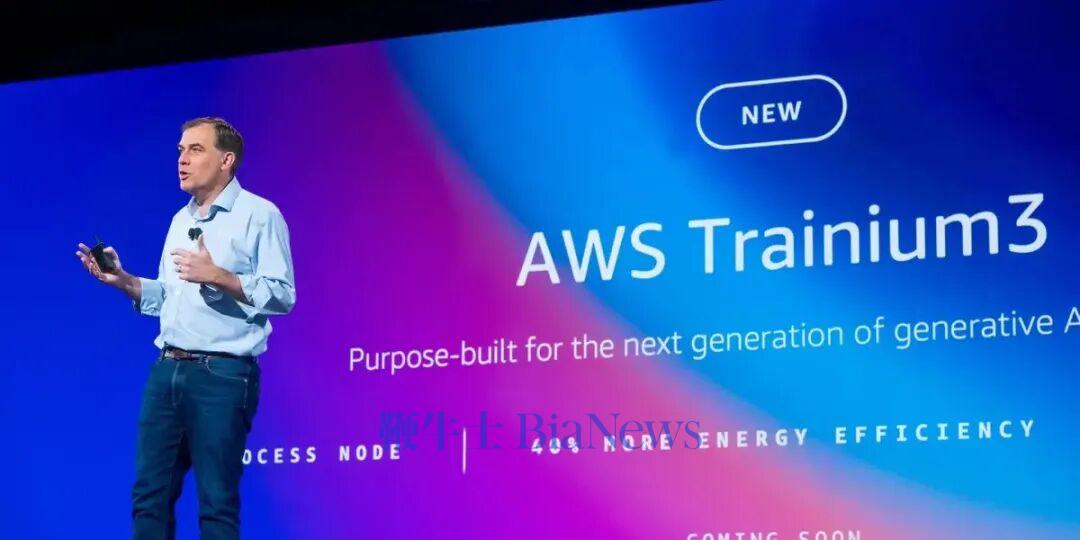
Core Insights - The U.S. government has officially approved NVIDIA to sell high-end H200 GPU chips to China and other "approved customers," requiring a 25% sales commission to the U.S. government, which also applies to other U.S. chip giants like AMD and Intel [2][24] - This approval marks a significant victory for NVIDIA CEO Jensen Huang, who has lobbied for months to lift the export ban, which had severely impacted NVIDIA's market share in China [2][24] - NVIDIA's stock price rose following this news, as the company had lost a substantial portion of its market share in the AI GPU market, dropping from 95% to nearly zero in the past two years due to U.S. export restrictions [2][24] Group 1: NVIDIA's Market Position - NVIDIA is a leading company in the generative AI era, dominating the AI chip market with over 80% market share due to its performance advantages and the CUDA platform [3][25] - The company's data center business generated $130 billion in revenue in the most recent fiscal year, but it faces risks due to high customer concentration, with the top two customers accounting for 39% of revenue [3][25] - Huang has expressed concerns about losing the Chinese market, which is estimated to be worth $20 billion to $30 billion in AI GPUs this year [3][24] Group 2: Competition from Major Tech Giants - Major cloud service providers like Google, Amazon, and Microsoft are accelerating the development of their own chips, posing a significant threat to NVIDIA's market position [3][24] - Amazon's new AI chip, Trainium 3, is designed to be a low-cost alternative to NVIDIA's GPUs, claiming to reduce training costs by 50% compared to similar GPU systems [6][27] - Google has released its seventh-generation TPU, Ironwood, which boasts a performance increase of 10 times over its predecessor and is optimized for high-throughput, low-latency inference tasks [10][31] Group 3: Future Market Dynamics - The competition is expected to intensify in 2026, with a focus on a "performance vs. cost" showdown as Google, Amazon, and Microsoft release their latest self-developed chips [38] - Amazon aims to increase its self-developed chip share to 50% and grow its AI cloud market share from 31% to 35% [40] - Google's TPU market share has reportedly climbed to 8%, with plans to sell its previously internal-use TPUs to external customers, further diversifying the chip supply landscape [41][40]

电子行业2026年投资策略:AI创新与存储周期
GF SECURITIES· 2025-12-10 09:08
Core Insights - The report emphasizes the synergy between AI innovation and capital expenditure (CAPEX), highlighting that model innovation is the core driver of AI development, with CAPEX serving as the foundation for the AI cycle [12][14] - The AI industry chain includes AI hardware, CAPEX, and AI models and applications, which collectively support the computational needs for large model training and inference [12][14] - The report suggests that the AI storage cycle is driven by rising prices and simultaneous expansion and upgrades in production capacity, particularly in cloud and edge storage [4][34] Group 1: AI Innovation and CAPEX - Model innovation is identified as the key driver of AI development, with significant capital expenditures from cloud service providers and leading enterprises providing a stable cash flow to support upstream hardware sectors [14][24] - The report notes that major companies like Google and OpenAI are making substantial advancements in multi-modal models, which are expected to enhance user engagement and monetization opportunities [19][25] - The integration of AI capabilities into various applications is projected to create a closed loop of high computational demand leading to high-value content and increased user willingness to pay [24][25] Group 2: Storage Cycle - The report indicates that storage prices are on the rise, significantly boosting the gross margins of original manufacturers, with capital expenditures in the storage sector entering an upward phase [4][34] - It highlights that traditional DRAM and NAND production is being approached cautiously, while HBM production is prioritized, indicating a shift in focus within the storage industry [4][34] - The report discusses the emergence of new opportunities in the storage foundry model, driven by the evolving demands of AI applications [4][34] Group 3: Investment Recommendations - The report recommends focusing on companies within the AI ecosystem, particularly those involved in AI storage, PCB, and power supply sectors, as they are expected to experience sustained growth [4][34] - It suggests that the ongoing upgrades in DRAM and NAND architectures will create new equipment demand, presenting investment opportunities in related companies [4][34] - The report encourages attention to the storage industry chain, particularly in light of the anticipated price increases and margin improvements for original manufacturers [4][34]
谷歌特斯拉“神仙打架”,自动驾驶红利怎么抓?
Xin Lang Ji Jin· 2025-11-28 00:50
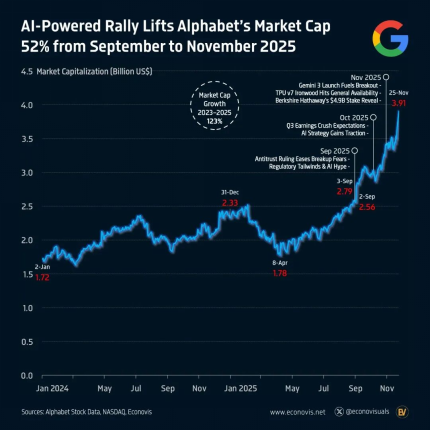
Group 1 - Alphabet has become the fourth company globally to surpass a market capitalization of $3 trillion, joining Apple, Microsoft, and Nvidia [3] - The rapid increase in Alphabet's market value, which rose over $1.34 trillion in just two months, is attributed to multiple disruptive actions reshaping the tech industry [1][4] - Key drivers of Alphabet's stock surge include favorable antitrust rulings, positive regulatory environment, optimistic sentiment towards AI, and strong Q3 earnings exceeding expectations [4] Group 2 - Waymo, Google's autonomous driving division, operates over 2,500 vehicles and has achieved over 100 million miles of fully autonomous driving, with plans to expand its service to over 20 cities [7][9] - Waymo's business model combines ride-hailing services with technology licensing, marking a significant step towards the commercialization of autonomous driving [8] - In contrast, Tesla's approach focuses on a pure vision technology route, with plans to deploy 1,000 Robotaxis by the end of 2025, aiming for a fleet of 1 million Robotaxis across the U.S. [9][10] Group 3 - The competition between Waymo and Tesla represents a significant technological rivalry that will shape the future of the trillion-dollar autonomous driving market, with 2026 being a pivotal year for both companies [10] - Waymo's multi-sensor fusion approach is more costly, while Tesla's pure vision strategy offers long-term cost advantages and scalability [10] - The ongoing expansion of Waymo's services, including plans for international testing in London, highlights its commitment to leading in the autonomous driving sector [9]