
VR电影

Search documents
“百变影厅”构建融合消费新场景
Sou Hu Cai Jing· 2026-01-17 05:50
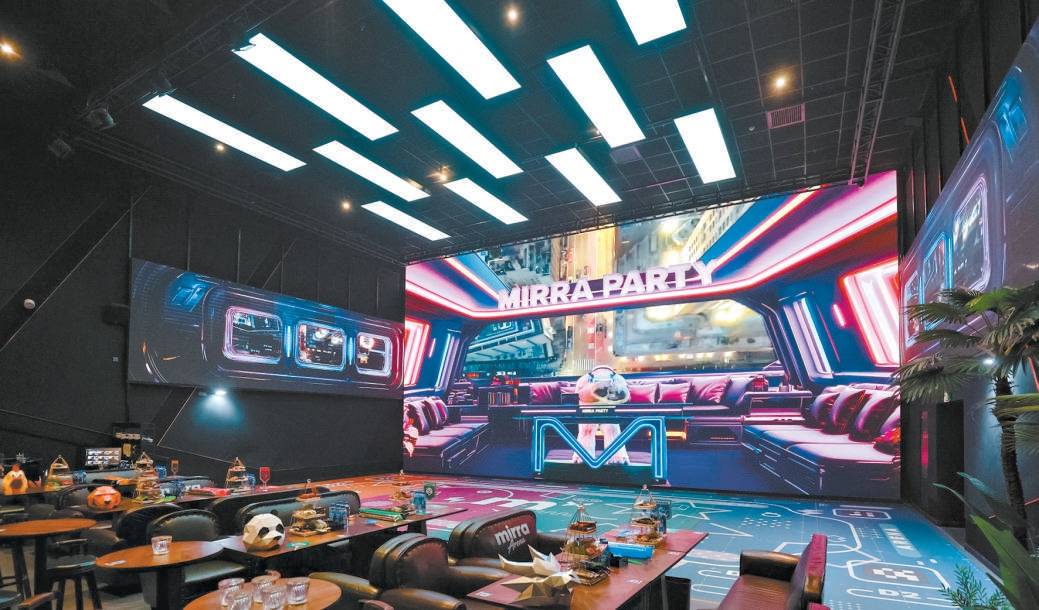
Core Viewpoint - The article discusses the transformation of cinemas in Beijing, highlighting the integration of diverse experiences beyond traditional movie viewing, creating a "movie+" consumption model that enhances cultural engagement and consumer vitality in the city [7]. Group 1: New Cinema Spaces - Twelve cinemas in Beijing have officially launched new spaces that incorporate immersive technology, local cultural exhibitions, and interactive activities, moving beyond the traditional function of just screening films [7]. - The new cinema spaces aim to provide a rich cultural experience, ensuring that there are engaging activities both inside and outside the screening rooms [7]. Group 2: Innovative Offerings - The Capital Cinema in Xidan has introduced live broadcasts of events, such as the Vienna New Year Concert, and popular games, enhancing the audience's experience during the New Year celebrations [8]. - The Mirra Fusion Hall at the Yao Lai Jackie Chan Cinema integrates movies, games, performances, and dining into a single space, utilizing advanced technologies like VR and AI to create an interactive environment [9][10]. Group 3: Market Adaptation - Cinema operators are adapting to changing consumer preferences, particularly among younger audiences who seek interactive and social experiences rather than passive viewing [10]. - The integration of cultural and technological elements is seen as a crucial strategy for cinemas to remain competitive and relevant in the evolving entertainment landscape [10][11]. Group 4: Virtual Reality Innovations - The 798 Super Vision Cinema, located in the 798 Art District, is the first virtual reality cinema in China, offering immersive experiences where viewers can actively participate in the storyline [11]. - The cinema has successfully attracted over 63,000 visitors since its opening, showcasing the growing interest in VR films and the potential for cinemas to diversify their offerings [12].

近百家影院跨年夜不打烊
Xin Lang Cai Jing· 2025-12-26 23:07
Core Viewpoint - Beijing's cinemas are extending their operating hours on New Year's Eve, offering various activities and discounts to celebrate the New Year with audiences [1][2]. Group 1: Extended Operating Hours and Activities - Nearly 100 cinemas in Beijing will remain open until dawn on New Year's Eve, featuring continuous movie screenings [2]. - Key cinemas like Yao Lai Jackie Chan Cinema and Xingyi Cinema will host special countdown events, utilizing large screens for digital countdowns, light shows, and music interactions to create a festive atmosphere [2]. - Some cinemas will also broadcast New Year concerts, music talk shows, and live performances to enhance the celebratory experience [2]. Group 2: Special Offers and Discounts - Multiple cinemas are offering exclusive New Year's Eve packages, including couple viewing deals, membership recharge gifts, and lottery prizes [2]. - Platforms like Maoyan and Taopiaotiao will provide viewing subsidies, allowing users to access movie discount coupons through a specific WeChat mini-program on January 1 [2][3]. Group 3: Collaboration with Local Businesses - Several cinemas are partnering with nearby businesses, allowing movie ticket holders to enjoy exclusive discounts or gifts at designated restaurants and retail stores, promoting a "viewing + consumption" synergy [3]. Group 4: New Film Releases and Exclusive Screenings - The 2026 New Year's film lineup includes diverse new releases such as "Mateng, Don't Go," "Hidden Kill," "In the Place of Arms," and "Reunion Order," showcasing various genres and themes [4][5]. - Exclusive screenings of classic New Year films will be held at select cinemas, including a themed film festival featuring popular past titles [5]. Group 5: New Cinema Spaces - The first batch of 12 new cinema spaces in Beijing has been announced, featuring innovative concepts like "movie + dining" experiences and immersive technology [6][7]. - The first virtual reality cinema in China, located in the 798 Art District, has been introduced, offering a unique viewing experience with interactive VR films [7].
500亿票房中国电影赢在哪里
Xin Lang Cai Jing· 2025-12-19 18:23
Core Insights - The Chinese film industry has surpassed 50 billion yuan in total box office revenue for 2025, exceeding last year's figures by 7.5 billion yuan, indicating a significant growth and transformation in the industry [1] Group 1: Content Creation and Market Dynamics - The true winners in the industry are those who have broken free from reliance on imported films, showcasing strong content creativity with films like "Nanjing Photo Studio" and "Ne Zha," which have redefined market narratives [1] - The emotional connection of audiences to local stories is growing, establishing a solid foundation for the Chinese film industry [1] Group 2: Industry Integration and Economic Impact - The influence of a movie ticket extends beyond cinema, activating the entire consumption chain, with merchandise from "Ne Zha" generating hundreds of billions in sales and themed pop-up stores boosting local economies [2] - The integration of film elements into various sectors, such as bookstores and restaurants, demonstrates the film industry's role as a catalyst for regional economic activation [2] Group 3: Technological Advancements - The industry is witnessing a shift from traditional manufacturing to intelligent production, with advancements like virtual studios and AI-driven production processes enhancing efficiency [2] - The use of domestically developed technologies, such as the CINITY system for premieres, signifies a growing technological strength within the Chinese film industry [2] Group 4: Cultural Exchange and Global Reach - Films like "Ne Zha" and "Nanjing Photo Studio" have successfully penetrated international markets, generating significant box office revenue and fostering discussions on historical perspectives [3] - The promotion of cultural tourism through film locations is transforming the perception of China, allowing audiences to connect with Chinese culture on a deeper level [3] Group 5: Future Industry Trends - The surpassing of the 50 billion yuan milestone reveals a shift in industry logic, emphasizing content confidence over mere traffic, technological empowerment, and cross-industry integration [3] - The evolution of the Chinese film industry marks a transition from being a box office giant to becoming a film powerhouse, with the journey just beginning [3]

VR:娱乐行业的新兴趋势
Sou Hu Cai Jing· 2025-09-28 08:35
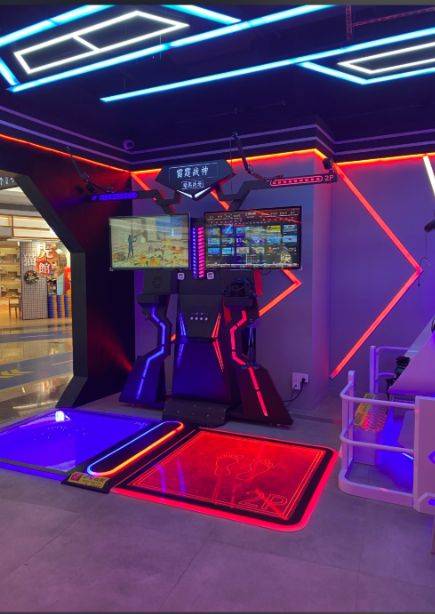
Core Insights - Virtual reality (VR) technology is increasingly reshaping the entertainment industry by enhancing consumer experiences and creative processes [1] - VR is not only a new form of entertainment but also transforms the production, distribution, and consumption of entertainment products [1] Gaming Industry - VR technology has revolutionized video gaming, providing immersive experiences that break traditional screen limitations [1] - First-person shooter (FPS) games in VR offer unprecedented sensory experiences, increasing engagement and excitement for players [2] - Developers are exploring innovative game designs, moving beyond traditional controls to incorporate body movement and eye-tracking technologies [2] - New game genres, such as multiplayer VR competitions and VR running games, have emerged, turning gaming into a new social and entertainment medium [2] Virtual Concerts and Performing Arts - VR is becoming a new trend in virtual concerts and performing arts, allowing audiences to experience performances from afar [3][6] - Viewers can participate in virtual concerts from a first-person perspective, enhancing their sense of presence and interaction [4][6] - The technology eliminates spatial limitations, enabling more people to enjoy live performances and offering options like switching perspectives [6] Art Exhibitions and Interactive Experiences - VR is widely applied in art exhibitions and theater performances, allowing audiences to interact with artworks and participate in the creative process [6] - This interactivity makes traditional art exhibitions more engaging, attracting younger audiences and tech enthusiasts [6] Film Industry - VR is innovating the film experience by providing immersive viewing that allows audience participation and interaction [7] - VR films focus on viewer engagement, enabling them to influence the storyline and enhance the overall entertainment value [7][8] - The introduction of interactive films, such as Netflix's "Black Mirror: Bandersnatch," allows viewers to make choices that affect character outcomes [8] Theme Parks and Virtual Experiences - Theme parks are integrating VR elements to enhance visitor experiences, expanding the entertainment value of traditional rides [8][9] - VR virtual experience centers are being established, offering a variety of immersive activities that cater to different age groups [9] Cross-Industry Innovation - VR technology is acting as a catalyst for cross-industry integration, promoting collaboration between entertainment, education, tourism, and sports [9] - Companies are developing VR-based virtual tourism services and fitness applications, providing new experiences for users [9] Future Outlook - Despite the potential of VR in the entertainment industry, challenges such as high hardware costs and content standardization remain [9] - As technology advances, particularly in display devices and interactive experiences, VR is expected to play a significant role in driving innovation and development in the entertainment sector [9]
黄沙:VR电影的发展路径将有别于传统电影
Nan Fang Du Shi Bao· 2025-08-11 14:41
Core Insights - The 2025 Guangdong-Hong Kong-Macao Greater Bay Area Animation Film Week held in Dongguan featured discussions from industry leaders on various topics related to animation and VR technology [1][2] - Huang Sha, a key figure in digital technology, emphasized the evolution of VR technology and its implications for the film industry, particularly the importance of spatial positioning technology [1][2] Group 1: VR Technology and Industry Development - Huang Sha discussed the historical context of VR technology, referencing The Void, which raised $2 billion at its peak but went bankrupt in 2018 due to high operational costs linked to spatial positioning technology [1] - The breakthrough in SLAM centimeter-level spatial positioning technology in 2024 is expected to enhance the operational efficiency of VR cinemas, addressing a decade-long operational bottleneck in the industry [1] - The integration of VR technology with film presents unique challenges, as VR films focus on "physiological immersion" rather than merely being 360-degree panoramic films [1] Group 2: VR Film Production and Ethical Considerations - VR films differ from traditional films in their production logic, resembling game design more closely, as exemplified by the game "Black Myth: Wukong," which utilizes third-person perspectives and interactive storytelling [2] - Huang Sha highlighted psychological experiments to illustrate the profound psychological effects of VR experiences, suggesting that when the brain perceives virtual experiences as real, the psychological impacts are similar to real-life experiences [2] - The need for an ethical framework to manage the cognitive risks associated with immersion in VR is emphasized, particularly to avoid violent or graphic content and to use VR's sensory effects cautiously [2]