e:N系列

Search documents
本田将把在华生产的EV进口到日本销售
日经中文网· 2026-03-04 07:30
Core Viewpoint - Honda is set to import and sell pure electric vehicles (EVs) produced in China to Japan, marking the first time a Japanese automaker has taken such a step. This initiative aims to boost EV sales in Japan and improve factory utilization in China, where Honda is facing significant competition and declining sales [2][4][5]. Group 1: Honda's Electric Vehicle Strategy - Honda will adapt its "e:N" series, launched in China in 2022, for the Japanese market, with a new brand name "Insight" [4]. - The vehicles will be produced and sold through a joint venture established by Honda and a Chinese automaker [4]. - Currently, Honda's EV offerings in Japan are limited, with only two light EV models available, and the company aims to enhance its product lineup to compete effectively [4]. Group 2: Market Context and Challenges - The imported Chinese EVs are expected to have a driving range of around 500 kilometers, making them the longest-range models offered by Honda in Japan [5]. - Honda's sales in China have been declining, with a reported 24% drop in new car sales in 2025, totaling 645,345 units, marking five consecutive years of decline [5]. - The competitive landscape in Japan is intensifying, with Tesla and other foreign automakers strengthening their EV sales strategies, alongside domestic competitors like Toyota and Suzuki launching new electric models [5].


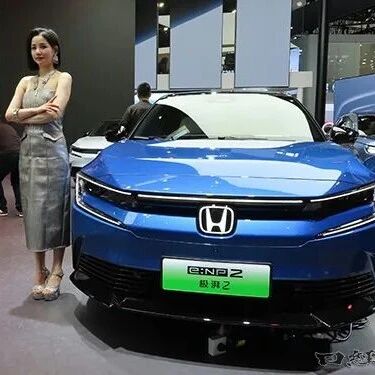
本田中国全面掉队:前十月销量下滑超20% 新能源被丰田、日产甩开
Jing Ji Guan Cha Wang· 2025-11-11 11:52
Core Viewpoint - Honda's automotive sales in China have significantly declined, with a 20.6% drop in October 2025 and a 20.5% decrease in cumulative sales from January to October 2025, indicating a challenging market position for the company in the region [2]. Sales Performance - Honda's terminal automotive sales in China for October 2025 were 59,886 units, down 20.6% year-on-year [2]. - Cumulative sales from January to October 2025 reached 527,740 units, reflecting a 20.5% decline compared to the previous year [2]. - Dongfeng Honda sold 29,678 vehicles in October, a 15.2% decrease, and 257,755 vehicles from January to October, down 24.7% [2]. - GAC Honda's October sales were 35,671 units, down 15.8%, with cumulative sales of 259,576 units, a 26.2% decline [2]. - In comparison, Toyota's sales in China showed growth, with GAC Toyota and FAW Toyota achieving year-on-year increases of 4.4% and 7%, respectively [2]. Market Position and Competition - Honda ranks last among Japanese joint venture brands in terms of sales performance in China [2]. - The company's struggles are attributed to a failed transition to electric vehicles, despite launching the e:N series and the Yae brand specifically for the Chinese market [2]. Strategic Adjustments - Honda has initiated several measures to address its poor market performance, including layoffs, production capacity optimization, supply chain restructuring, and the introduction of more Chinese smart technologies [3]. - By July 2024, Honda plans to reduce its total production capacity in China from 1.49 million to 1.2 million vehicles [3]. Supply Chain Developments - GAC Honda has agreed to acquire 50% of Dongfeng Honda Engine for approximately 1.172 billion yuan, enhancing its control over engine supply and improving operational efficiency [4]. - GAC Honda's registered capital will increase from $541 million to $867 million, with a total investment of about $326 million from GAC Group, Honda, and Honda China [4]. Management Changes - In September, Dongfeng Motor Group adjusted the management of Dongfeng Honda, appointing a new executive vice president to leverage experience in new energy technology and marketing [5]. Future Outlook - Honda's global strategy indicates a slowdown in its electrification process, potentially impacting its electric vehicle offerings in China [5]. - The launch of the second model under the Yae brand has been postponed to 2026, raising questions about Honda's ability to navigate the Chinese market effectively [5].
东风本田“换帅” 老将曹东杰回归挑起重担
Jing Ji Guan Cha Wang· 2025-09-16 12:25
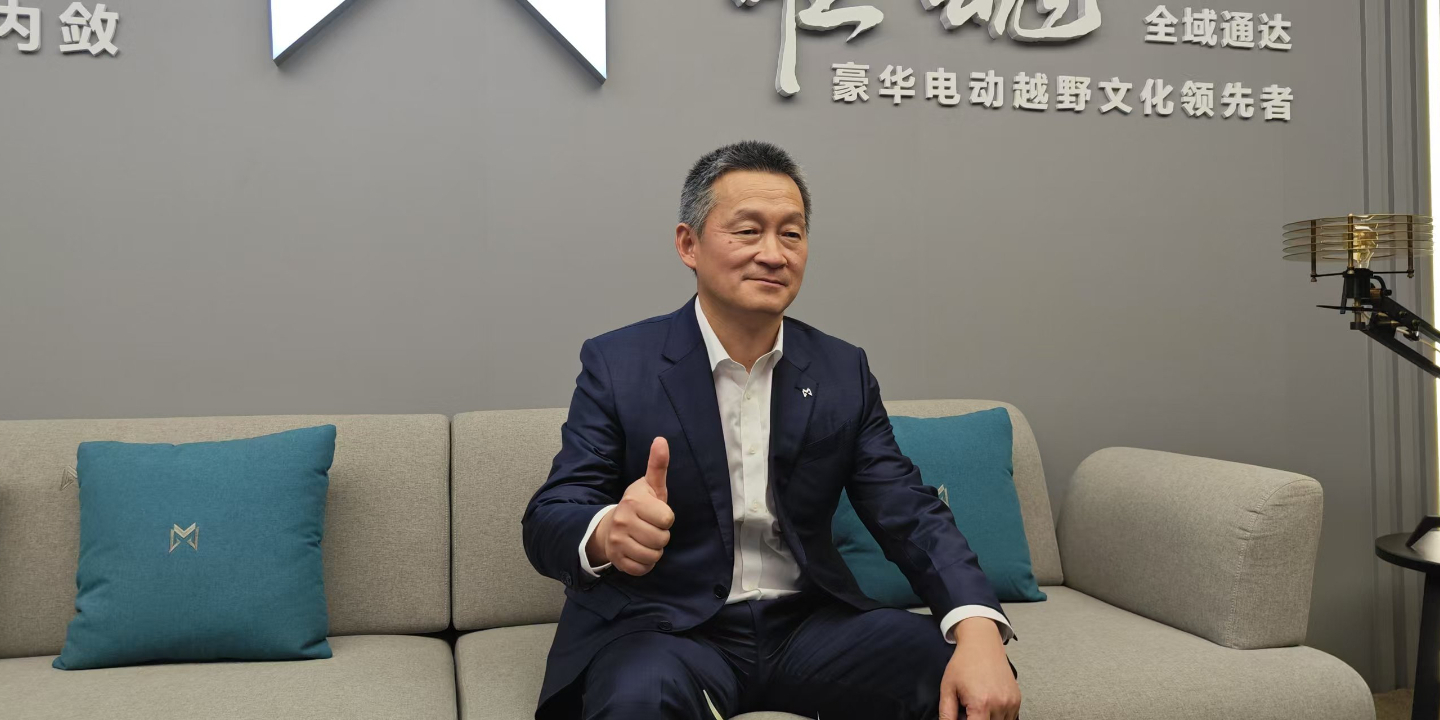
Management Changes - Dongfeng Honda has made significant management adjustments, appointing Cao Dongjie as the new executive vice president, replacing Pan Jianxin [2] - Cao Dongjie has extensive experience within Dongfeng Honda and previously led the Dongfeng Warriors brand [2][3] - The leadership change indicates a shift in strategy, with a focus on revitalizing the company's direction [2] Brand Development - The Dongfeng Warriors brand, under Cao Dongjie's leadership, launched its first model, the Warrior 917, in August 2023, priced from 637,700 yuan [3] - The brand's second model, the Warrior M817, was introduced in August 2023, priced between 319,900 yuan and 349,900 yuan, featuring advanced Huawei technology [3] - The transition from a high-end positioning to a focus on increasing sales volume is evident in the new product strategy [3] Market Position and Challenges - Dongfeng Honda faces challenges in the electric vehicle market, lagging behind competitors like Dongfeng Nissan and GAC Toyota [4] - Despite launching several brands, Dongfeng Honda has not yet introduced competitive electric products [4][5] - The company plans to incorporate more Chinese smart technologies into future products to enhance competitiveness [5] Strategic Partnerships - Dongfeng Honda has announced strategic collaborations with local companies in the fields of smart technology and electrification [4][5] - The partnerships aim to accelerate the introduction of competitive electric products and improve the company's market position [5]
本田大撤退,日系的崩溃
Tai Mei Ti A P P· 2025-07-30 01:25
Core Viewpoint - Honda is undergoing a significant retreat from the Chinese market, marked by the closure of production facilities and a disappointing performance in the electric vehicle sector [1][2]. Group 1: Production Changes - Honda China announced the closure of the Dongfeng Honda second factory in Wuhan by November 2024, which was previously transformed into a new energy vehicle production base [1]. - GAC Honda will also close its factory in Guangzhou by October 2024, indicating a broader trend of production facility shutdowns [1]. - The Dongfeng Honda second factory is expected to be repurposed for commercial real estate development, following the precedent set by the first factory [1]. Group 2: Sales Performance - Honda's electric vehicle sales in China have been underwhelming, with cumulative sales from July 2024 to June 2025 totaling less than 24,000 units, averaging under 2,000 units per month [2]. - GAC Honda's e:NP1 and e:NP2 models sold 2,062 and 3,312 units respectively over the past year, while Dongfeng Honda's e:NS1 and e:NS2 models sold only 1,473 and 940 units [3]. - Overall, Honda's new car sales in June 2025 showed a significant decline, with Dongfeng Honda's sales down 23.62% year-on-year and GAC Honda's down 12.61% [7][8]. Group 3: Market Position and Challenges - Honda's decline in the Chinese market is attributed to a combination of factors, including a failure to adapt to the rapid growth of the electric vehicle market and competition from domestic brands like BYD and Geely [16][21]. - Despite having an early start in the electric vehicle segment, Honda's sales have plummeted since reaching a peak in 2020, with Dongfeng Honda's sales dropping by 49.64% and GAC Honda's by 41.60% by 2024 [9][13]. - The company's attempts to pivot towards electric vehicles have been criticized as insufficient, with new models failing to gain traction in a competitive market [17][20].