
Zhong Yang Ji Wei Guo Jia Jian Wei Wang Zhan

Search documents
黑龙江省大庆市政协原党组成员、副主席,肇源县委原书记迟维喜被开除党籍和公职
Zhong Yang Ji Wei Guo Jia Jian Wei Wang Zhan· 2026-01-09 02:24
Core Points - The investigation into Chi Weixi, former vice chairman of Daqing Municipal CPPCC and former secretary of Zhaoyuan County, revealed serious violations of party discipline and law, including corruption and abuse of power [1][2] - Chi Weixi's actions included accepting gifts and money, unauthorized construction projects, and engaging in corrupt practices with illegal businessmen [1][2] Summary by Sections Investigation Findings - Chi Weixi lost his ideals and beliefs, resisted organizational scrutiny, and failed to fulfill the responsibility of strict party governance [1] - He violated the central eight regulations by accepting gifts and engaging in extravagant public dining [1] - He interfered in project bidding and selection processes for personal gain, using his position to benefit others [1] Disciplinary Actions - Chi Weixi was expelled from the party and removed from public office due to severe violations of political, organizational, and disciplinary regulations [2] - His qualifications as a representative in various party congresses were terminated, and his case was referred to the judicial authorities for prosecution [2]
贵州省住房和城乡建设厅党组书记、厅长王春接受纪律审查和监察调查
Zhong Yang Ji Wei Guo Jia Jian Wei Wang Zhan· 2026-01-09 01:34
中央纪委国家监委网站讯 据贵州省纪委监委消息:贵州省住房和城乡建设厅党组书记、厅长王春 涉嫌严重违纪违法,目前正接受贵州省纪委监委纪律审查和监察调查。 (贵州省纪委监委) ...
新疆维吾尔自治区政协阿克苏地区工委党组成员、副主任,地区工商联(总工会)主席(会长)高焰接受纪律审查和监察调查
Zhong Yang Ji Wei Guo Jia Jian Wei Wang Zhan· 2026-01-09 01:07
中央纪委国家监委网站讯 据新疆维吾尔自治区纪委监委消息:新疆维吾尔自治区政协阿克苏地区工委 党组成员、副主任,地区工商联(总工会)主席(会长)高焰涉嫌严重违纪违法,目前正接受新疆维吾 尔自治区纪委监委纪律审查和监察调查。 (新疆维吾尔自治区纪委监委) ...
廉洁文化中国行丨大河奔腾向前进
Zhong Yang Ji Wei Guo Jia Jian Wei Wang Zhan· 2026-01-08 23:51
Core Viewpoint - The article emphasizes the historical significance and ongoing importance of the Yellow River, particularly focusing on the Sanmenxia Water Conservancy Project as a symbol of resilience and progress in water management in China [8][9][11]. Group 1: Historical Context - The Yellow River is recognized as one of the most challenging rivers to manage globally, with its governance being a long-standing aspiration for the Chinese people [8]. - The Sanmenxia Water Conservancy Project, initiated in 1957, is hailed as a pivotal achievement in controlling the Yellow River's flooding, fundamentally altering its historical pattern of frequent breaches [9][11]. - The project has undergone multiple renovations and operational adjustments, establishing a solid foundation for the long-term stability of the Yellow River basin [9]. Group 2: Cultural Significance - The article highlights the cultural legacy associated with the Yellow River, referencing historical figures like Emperor Taizong of the Tang Dynasty and Mao Zedong, who have expressed the river's profound national significance [9][10]. - The Sanmenxia area is depicted as a site of artistic inspiration, with notable works created by artists like Wu Zuoren, capturing the spirit of the era and the monumental efforts in river management [10]. Group 3: Modern Developments - The Sanmenxia Water Conservancy Project continues to play a vital role in ecological protection and high-quality development within the Yellow River basin, reflecting a commitment to sustainable management practices [11][18]. - Recent initiatives have focused on enhancing water source conservation, soil preservation, and pollution control, marking a significant shift towards proactive river governance [18]. - The article notes the strategic elevation of ecological protection and high-quality development in the Yellow River basin as a national priority, showcasing the government's commitment to sustainable practices [18].


坚定文化自信 建设文化强国丨提升中华文明传播力影响力
Zhong Yang Ji Wei Guo Jia Jian Wei Wang Zhan· 2026-01-08 23:51
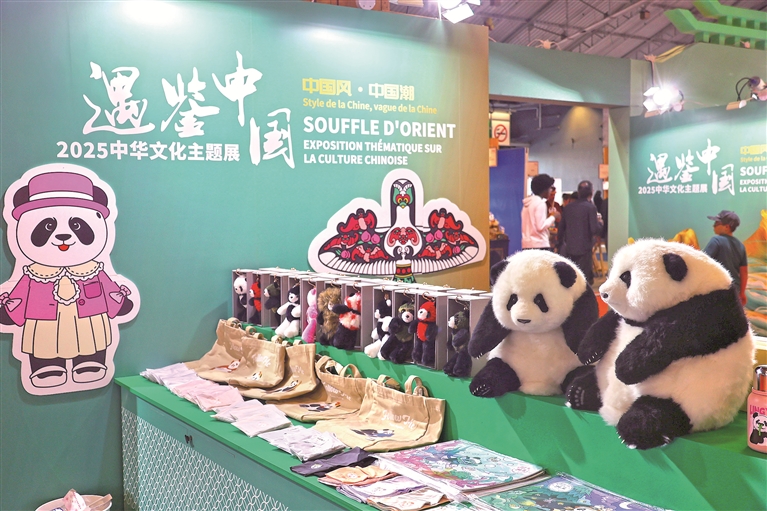
Group 1 - The "Encountering China" 2025 Chinese Culture Theme Exhibition is showcased at the Paris International Fair, emphasizing the importance of cultural strength in China's modernization efforts [2] - The Central Committee's suggestions for the 15th Five-Year Plan focus on enhancing the influence of Chinese civilization, reflecting the leadership's commitment to international communication [2][3] - The report from the 20th National Congress highlights the need to present a credible, lovable, and respectable image of China through storytelling rooted in its rich civilization [3][5] Group 2 - The historical continuity of Chinese civilization is crucial for effectively communicating China's past, present, and future to the world [3][4] - The integration of Marxism with over 5,000 years of Chinese civilization provides a profound cultural foundation for the socialist path with Chinese characteristics [4] - The emphasis on cultural exchange and mutual learning among civilizations is seen as a vital force for human progress and world peace [7][9] Group 3 - China's global initiatives, including the Global Development Initiative and Global Security Initiative, aim to address contemporary challenges while promoting traditional values of mutual benefit and inclusivity [6][8] - The promotion of cultural products, such as online literature and games, is driving international interest in Chinese culture, showcasing a blend of ancient and modern elements [11] - The establishment of various cultural alliances and the facilitation of cultural exchanges through events and festivals are enhancing people-to-people connections between China and other countries [10]
回眸2025丨系统施治防范廉洁风险
Zhong Yang Ji Wei Guo Jia Jian Wei Wang Zhan· 2026-01-08 23:50
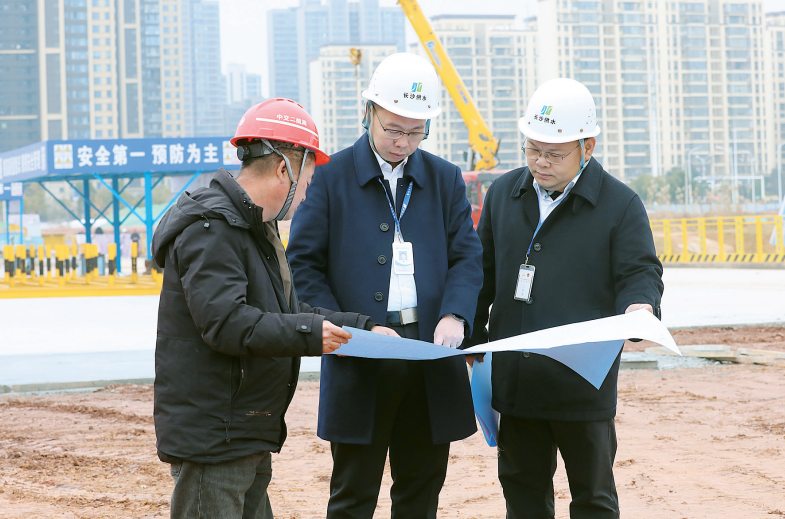
Core Viewpoint - Hunan Province is intensifying its focus on addressing prominent issues within state-owned enterprises (SOEs) to prevent corruption and ensure high-quality development [3][10]. Group 1: Supervision and Accountability - The Hunan Provincial Commission for Discipline Inspection and Supervision is enhancing oversight in the engineering construction sector, particularly focusing on project progress and fund utilization [3]. - In 2025, the provincial authorities reported 844 cases related to SOE issues, leading to 360 investigations involving 387 individuals [5]. - The provincial government emphasizes the importance of political supervision and accountability, particularly for key positions within SOEs, to ensure compliance with party discipline [5][6]. Group 2: Targeted Anti-Corruption Measures - A notable case involved the former deputy general manager of Hunan Construction Group, who was expelled from the party for serious violations, highlighting the crackdown on the "eating from enterprises" issue [4]. - The provincial authorities are utilizing a "room-group-enterprise" linkage mechanism to address issues in investment decisions, financial credit, and project approvals [4][5]. - The provincial government is implementing a comprehensive approach to tackle corruption, focusing on engineering bidding and supply chain management to mitigate risks [7][8]. Group 3: Education and Cultural Initiatives - The provincial authorities are conducting warning education sessions using typical cases to educate SOE employees about the consequences of corruption [9]. - Initiatives include organizing activities for party members to strengthen their commitment to integrity and ethical conduct [10]. - The government is promoting a culture of integrity through various educational programs and community engagement to foster a clean political environment [10][11].
回眸2025丨守好乡村振兴“钱袋子”
Zhong Yang Ji Wei Guo Jia Jian Wei Wang Zhan· 2026-01-08 23:50
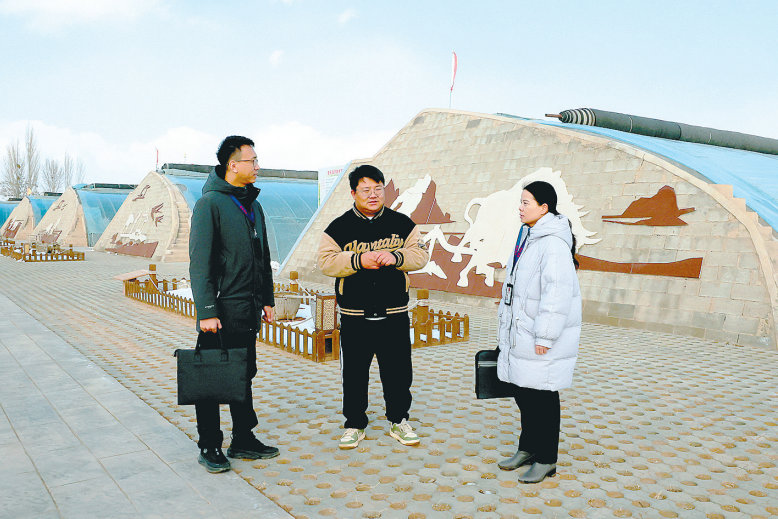
Core Viewpoint - Ningxia is enhancing the supervision of rural revitalization funds to ensure effective use and prevent corruption, aligning with the directives from the Central Commission for Discipline Inspection [3][5][12]. Group 1: Regulatory Framework and Mechanisms - The Ningxia government is focusing on the management of rural revitalization funds, emphasizing the need for a coordinated effort among various departments to tackle corruption and mismanagement [5][10]. - A "dual leader, dual special team, dual plan" mechanism has been established to enhance collaboration between the Discipline Inspection Commission and relevant departments, ensuring synchronized efforts in supervision and problem-solving [6][12]. - The government has implemented a comprehensive regulatory framework to address issues related to fund allocation, project approval, and quality control in rural revitalization projects [9][10]. Group 2: Monitoring and Accountability - Since 2023, Ningxia has conducted five rounds of inspections, identifying 2,533 issues related to rural revitalization funds, with 2,267 already rectified [6][10]. - A "four-check" mechanism has been established to enhance accountability, involving self-inspections, collaborative checks, and data comparisons to uncover issues [7][13]. - The region has seen significant actions against corruption, with 859 cases related to the misuse of rural revitalization funds being addressed, resulting in 582 individuals being investigated and 483 facing disciplinary actions [7][9]. Group 3: Focus Areas for Improvement - Key areas of focus include high-standard farmland construction, agricultural subsidies, and ensuring that funds are utilized effectively without misappropriation [8][10]. - The government is actively addressing idle resources and projects, conducting assessments on 48 idle projects to enhance fund utilization [11][12]. - Continuous improvement in governance is being pursued through the establishment of clear operational guidelines for fund management, aiming to resolve issues of ineffective oversight [10][12].
新疆生产建设兵团党委常委、副司令员李旭接受中央纪委国家监委纪律审查和监察调查
Zhong Yang Ji Wei Guo Jia Jian Wei Wang Zhan· 2026-01-08 10:04
中央纪委国家监委网站讯 新疆生产建设兵团党委常委、副司令员李旭涉嫌严重违纪违法,目前正接 受中央纪委国家监委纪律审查和监察调查。 ...
湖南省农村信用社联合社党委副书记、副理事长、主任蒋俊文接受纪律审查和监察调查
Zhong Yang Ji Wei Guo Jia Jian Wei Wang Zhan· 2026-01-08 09:05
(湖南省纪委监委) 中央纪委国家监委网站讯 据湖南省纪委监委消息:湖南省农村信用社联合社党委副书记、副理事长、 主任蒋俊文涉嫌严重违纪违法,主动投案,目前正接受湖南省纪委监委纪律审查和监察调查。 ...
山西省长治市副市长、市公安局局长秦书伟接受纪律审查和监察调查
Zhong Yang Ji Wei Guo Jia Jian Wei Wang Zhan· 2026-01-08 09:05
(山西省纪委监委) 中央纪委国家监委网站讯 据山西省纪委监委消息:山西省长治市副市长、市公安局局长秦书伟涉 嫌严重违纪违法,目前正接受山西省纪委监委纪律审查和监察调查。 ...