Tai Mei Ti A P P

Search documents
公开发声、高调挖人、投资150亿,雷军想续上机器人梦
Tai Mei Ti A P P· 2025-12-02 04:16
Group 1 - The core viewpoint of the article is that Xiaomi is making significant strides in the humanoid robot sector, with plans to deploy humanoid robots in its factories over the next five years and a growing focus on the household market for humanoid robots [1][17] - Xiaomi's robot team is actively recruiting talent, including notable figures such as Lu Zeyu, who previously led research on Tesla's Optimus dexterous hand, and Luo Fuli, a key researcher from DeepSeek [2][10] - The company is aiming to bridge the gap in the humanoid robot market by integrating advanced AI capabilities with dexterous robotic hands, showcasing a comprehensive strategy that combines both hardware and software expertise [3][10] Group 2 - Xiaomi's initial foray into the robotics field began in 2019 with the launch of its quadruped robot "Iron Egg," which was priced significantly lower than competitors, leading to initial success [11][12] - However, the market dynamics shifted, and Xiaomi's humanoid robot "Iron Big" faced challenges in gaining traction due to a lack of product upgrades and commercialization efforts [12][13] - In 2024, Xiaomi plans to integrate its robotics business with its automotive division, aiming to leverage shared AI resources and top talent to reduce costs and enhance innovation [14] Group 3 - Since 2015, Xiaomi has invested approximately 15 billion yuan in the robotics sector through various funds, supporting nearly 50 companies across the entire robotics supply chain [18][20] - Investments include key components such as precision transmission parts and sensors, which are crucial for the development of dexterous robotic hands [18][20] - The company is building a comprehensive ecosystem in the robotics field, encompassing hardware, software, and specialized applications, with a focus on advancing dexterous hand technology as part of this broader strategy [20][21]


迈向 ASI,阿里云以全栈 AI 服务能力开拓智能新版图
Tai Mei Ti A P P· 2025-12-02 03:45
Core Insights - The integration of large models and cloud computing is a significant trend in the AI era, driving technological innovation across industries [2][3] - Alibaba Cloud has transformed into a leading full-stack AI provider, excelling in both large model development and cloud computing capabilities [3][6] - The development of the Tongyi model family has positioned it as the largest open-source model family globally, with over 300 models and 600 million downloads [6][10] Group 1: AI Model Development - The Tongyi model family is recognized for its comprehensive capabilities, including text, vision, speech, and video processing, with flagship model Qwen3-Max outperforming competitors like GPT-5 [10][11] - The introduction of Qwen3-Next has significantly reduced training costs by over 90% while maintaining high performance, showcasing Alibaba Cloud's focus on efficiency and accessibility [11][12] - The release of specialized models, such as Qwen3-Coder and Qwen3-VL, enhances AI's ability to interact with the real world, improving coding tasks and spatial understanding [12][13] Group 2: Infrastructure and Performance - Alibaba Cloud has upgraded its AI infrastructure, introducing the new Panjiu supernode server capable of housing up to 128 AI chips, ensuring stable performance under high loads [14][15] - The HPN 8.0 high-performance network architecture has improved communication efficiency in large-scale distributed training, reducing latency and bandwidth bottlenecks [15][16] - The introduction of intelligent tiered storage mechanisms optimizes data management, allowing for cost-effective storage solutions while maintaining high performance [16][18] Group 3: Data Management and AI Integration - The launch of the Yaochi multi-modal data management platform simplifies data management processes, enhancing business development and deployment efficiency [18][19] - The DMS platform supports over 40 data sources, significantly improving multi-modal development efficiency and reducing compliance risks by 90% [19][20] - The integration of AI capabilities into traditional data processing workflows allows seamless data handling and analysis, enhancing overall operational efficiency [22][23] Group 4: Agent Development and Application - The focus on developing AI agents is crucial for bridging the gap between large models and practical business applications, with Alibaba Cloud providing comprehensive support for agent development [32][33] - The dual-track development approach allows businesses to experiment with low-code solutions before transitioning to more complex, high-code frameworks, facilitating smoother implementation [34][36] - The rapid growth of agent applications across various industries, including finance and manufacturing, demonstrates the transformative potential of AI agents in enhancing operational efficiency [36][37]



外卖大战,便宜了谁?
Tai Mei Ti A P P· 2025-12-02 02:30
Core Insights - The irrational competition in the food delivery sector is expected to transition to a more rational and mature phase, with platforms that possess deep industry insights, proven operational excellence, and sustainable high-quality growth becoming industry leaders [1] Group 1: Market Dynamics - The ongoing food delivery battle has led to significant financial losses for major players, with Meituan reporting a loss of 16 billion, Alibaba's profit dropping by 76%, and JD's net profit halving, resulting in over 77 billion burned in just one quarter [2][4][5] - The competition is characterized by a lack of unified victory standards, as the three major players (Meituan, Alibaba, and JD) are not competing on the same track, leading to a scenario where no clear winner emerges [9][14] Group 2: Company Strategies - JD initiated the competition but is now focusing on building its supply chain capabilities, with a projected loss of 34 billion in its instant retail business by 2025 [4][10] - Alibaba views food delivery as a high-frequency trigger to activate its broader e-commerce platform, aiming to enhance user engagement and overall consumption [11] - Meituan sees food delivery as a critical lifeline, emphasizing its foundational role in the company's ecosystem and its strategy to maintain market dominance [12][13] Group 3: Financial Performance - JD's net profit fell by 54.7% year-on-year to 5.3 billion, while its marketing expenses surged by 110.5% to 21.1 billion due to increased promotional activities [4] - Alibaba's adjusted EBITA dropped from 44.3 billion to 10.5 billion, primarily due to a significant reduction in flash sales [5] - Meituan's core local business revenue decreased by 2.8%, resulting in a loss of 14.1 billion, equating to a daily loss of 1.5 billion [6] Group 4: Future Outlook - The three companies have signaled a shift towards efficiency and strategic focus, with terms like "reduction," "unsustainable," and "strategic focus" being commonly used [15][17] - The future of the food delivery market will likely involve smarter subsidy strategies, with a shift from indiscriminate coupons to targeted promotions, and a focus on high-value user engagement [19][20]


蛰伏后的爆发:思灵机器人从工业场景迈向物理AI
Tai Mei Ti A P P· 2025-12-02 00:25
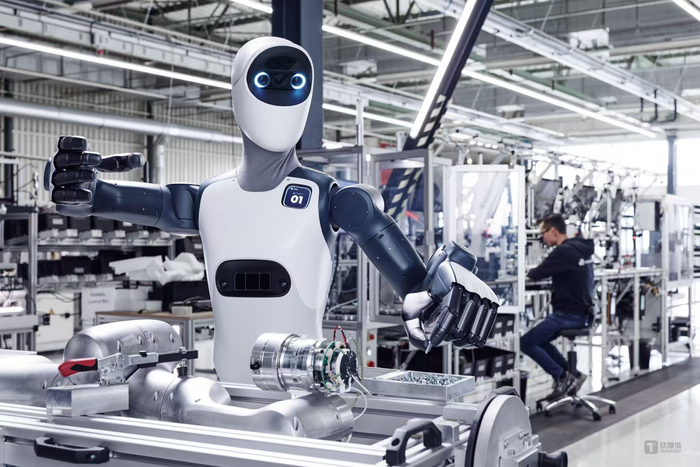
Core Insights - The industrial scene has become a competitive battleground for leading embodied intelligence companies, driven by the global restructuring of supply chains and the manufacturing industry's shift towards smart and flexible operations [2] - A report from Crunchbase indicates that 70% of global robotics funding in 2024 will be directed towards industrial applications, with the International Federation of Robotics (IFR) predicting the industrial robotics market will reach 10 million units by 2030 [2] - Despite the demand, challenges such as precision, stability, durability, and collaboration between machines and humans hinder the widespread adoption of industrial robots [2] Company Overview - Agile Robots, founded in 2018, has gained attention with the release of its full-sized industrial humanoid robot, Agile ONE, and the acquisition of Thyssenkrupp Automation Engineering [3] - The company has completed multiple funding rounds, attracting investments from notable firms such as SoftBank Vision Fund, Sequoia Capital, and Hillhouse Capital, among others [3] - The founder, Dr. Chen Zhaopeng, is a recognized expert in robotics, previously holding a senior position at the German Aerospace Center [3] Product Development - Agile Robots has delivered over 30,000 robots across various industries, including automotive and consumer electronics, achieving a remarkable revenue growth of 100% for seven consecutive years [5] - Agile ONE integrates core technologies developed over years, representing a complete ecosystem for factory automation and embodying the concept of "physical artificial intelligence" [5] - The Agile Hand, a high-freedom dexterous hand, features advanced sensors and control systems, enhancing precision and adaptability in various industrial tasks [7][10] Technological Innovation - The robot's "three-layer brain" architecture distinguishes it from traditional models, enabling complex decision-making, task planning, and precise operations [13] - Agile Robots has developed a vast dataset from over 30,000 deployed robots, enhancing the adaptability and performance of Agile ONE in real-world industrial scenarios [14] - The company emphasizes creating a comprehensive physical AI ecosystem rather than just standalone robots, facilitating collaboration between machines and humans [15][17] Market Expansion - Agile Robots has expanded its offerings beyond traditional industrial applications, venturing into healthcare with its 7-degree-of-freedom medical robot, Diana7 Med, and exploring solutions in agriculture, education, and energy sectors [21][23] - The company has strategically acquired other firms to enhance its industrial robotics ecosystem, including notable companies like Franka and idealworks [19] Conclusion - Agile Robots' journey reflects a commitment to addressing real-world challenges across various sectors, continuously evolving its technology and expanding its market presence while adhering to its mission of linking artificial intelligence with the physical world [25]
DeepSeek发布最强开源新品,瞄向全能Agent,给GPT-5与Gemini 3下战书
Tai Mei Ti A P P· 2025-12-01 15:03
Core Insights - DeepSeek has launched two new models, DeepSeek-V3.2 and DeepSeek-V3.2-Speciale, marking a significant advancement in AI capabilities, particularly in reasoning and output efficiency [2][3] - The V3.2 model is positioned as the strongest open-source large model, outperforming competitors in various benchmarks while significantly reducing output length and computational costs [3][4] - The V3.2 model integrates a new sparse attention mechanism (DSA) to enhance performance in long-context scenarios, while also improving the model's ability to follow instructions and generalize in complex environments [8][9] Model Performance - In benchmark tests, DeepSeek-V3.2 achieved competitive scores against models like GPT-5, Claude 4.5, and Gemini 3 Pro, with notable strengths in specific areas [4][5] - The V3.2 model demonstrated superior performance in question-and-answer scenarios, providing detailed and accurate travel recommendations through advanced tool usage [5][6] - The V3.2 Speciale model focuses on maximizing reasoning capabilities, achieving results comparable to Gemini 3.0 Pro in mainstream reasoning benchmarks, although it requires a higher token cost and is not designed for everyday use [9][10] Development Focus - DeepSeek emphasizes practical usability and generalization in its models, aiming to overcome common pitfalls in AI interactions, such as making basic common-sense errors [6][8] - The company is committed to enhancing the reasoning abilities of its models, as evidenced by the integration of advanced mathematical reasoning capabilities from the recently released DeepSeek-Math-V2 [9][10] - The competitive landscape for large models is intensifying, with major players like GPT-5 and Gemini 3 pushing the boundaries of AI capabilities, suggesting a dynamic future for AI development [10]


途虎养车的加盟门店数,为何总是遥遥领先?
Tai Mei Ti A P P· 2025-12-01 10:23
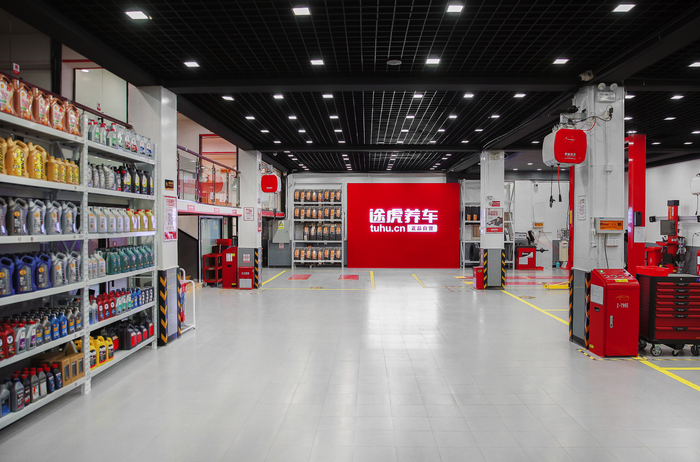
Core Insights - The Chinese automotive aftermarket is projected to reach an annual revenue of 1.7 trillion yuan by 2025, more than doubling since 2015, indicating significant growth potential [2] - Tuhu Car Maintenance leads the automotive aftermarket chain franchise sector with a consumer preference rate of 45.38%, significantly higher than its competitors [2][5] - Tuhu has established a robust supply chain network and a standardized service model, allowing it to maintain a competitive edge and achieve high profitability among its franchise stores [7][12] Market Overview - By 2025, China's vehicle ownership is expected to exceed 359 million, driving the growth of the automotive aftermarket [2] - The competitive landscape is shifting from chaotic growth to a more refined approach, with leading brands like Tuhu gaining market share and consumer trust [2][5] Tuhu's Business Model - Tuhu's franchise model is likened to McDonald's, focusing on a replicable business system that includes product, service, and operational standards [3] - The company addresses the fragmented nature of the automotive aftermarket by standardizing high-frequency service projects and integrating online and offline operations [5][13] Supply Chain and Cost Efficiency - Tuhu collaborates directly with major brands like Michelin and Continental to create a direct supply chain, reducing procurement costs by 15%-20% compared to traditional channels [9] - The company has developed a smart inventory system that alleviates financial pressure on franchisees by managing stock levels based on sales forecasts [12] Franchise Growth and Profitability - Tuhu's franchise network has expanded significantly, with a net increase of 331 stores in just six months, and over 90% of stores open for more than six months achieving profitability [7][8] - The company's model not only leads in store count but also demonstrates sustainability and health in its business operations [8] Competitive Advantages - Tuhu's supply chain is evolving, particularly in the electric vehicle aftermarket, where it has established partnerships with battery manufacturers and trained certified technicians [10] - The company's ability to offer lower prices through bulk purchasing and customized products enhances its competitive position in the market [9][13]
工程化的长期主义:OceanBase十五年沉淀,如何成为AI时代的数据基石
Tai Mei Ti A P P· 2025-12-01 10:20
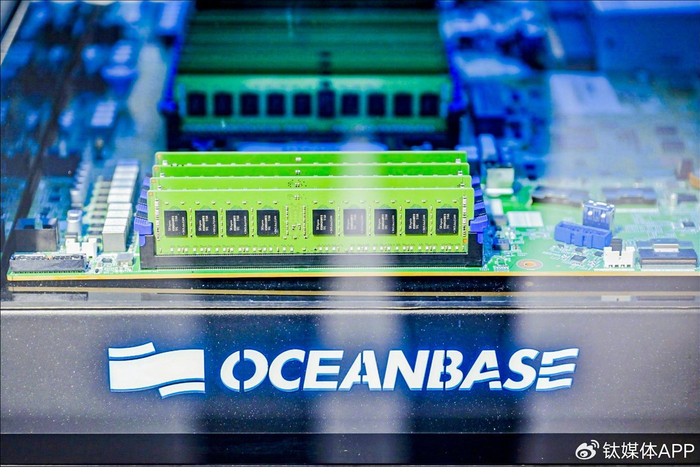
Core Insights - The rapid development of artificial intelligence (AI) is transforming the role of databases from passive data storage to active business decision-making centers [3][5] - OceanBase has achieved significant growth, with over 4,000 clients and an annual growth rate of over 100% in client numbers for five consecutive years [3][5][18] - The company emphasizes engineering capabilities as a critical factor for success in the AI era, focusing on practical problem-solving rather than superficial technological showcases [8][12] Engineering Capabilities - OceanBase's engineering culture is deeply rooted in its founder's vision of creating a world-class database, emphasizing meticulous attention to detail [6][8] - The company has developed a unique engineering gene through real business pressures, leading to significant technological advancements over its 15-year history [5][9] - Key technological milestones include the establishment of a native distributed architecture and the breakthrough of an integrated architecture in version 4.0, which allows for distributed capabilities in a single-machine environment [9][10] Product Innovations - OceanBase has launched the first AI-native hybrid search database, seekdb, aimed at transitioning databases from traditional business support systems to AI-native data entry points [5][14] - The new version 4.4 integrates transaction processing (TP), analytical processing (AP), and AI capabilities into a single core, allowing for simultaneous handling of high-concurrency transactions and complex data analysis [9][12] - The seekdb database features a four-dimensional hybrid search capability, achieving millisecond-level responses at a scale of billions of data [14][16] Market Position and Expansion - OceanBase holds the leading market share in the financial sector, with major institutions like Ping An Life migrating their core systems to its platform [18][20] - The company is expanding its presence in government and telecommunications sectors, with significant implementations in social security systems and unified AI knowledge bases [20] - OceanBase aims to increase its overseas revenue share to 20%, focusing on emerging markets in Southeast Asia, Latin America, and the Middle East [20][21] Future Outlook - The database market is projected to reach $218 billion by 2028, driven by the integration of generative AI capabilities [21] - OceanBase's strategy to embed AI capabilities into its database architecture positions it to capitalize on this market potential and move closer to its goal of becoming a world-class database [21]
在华与华上过班的人,会不会也嘲笑华杉?
Tai Mei Ti A P P· 2025-12-01 10:01
Core Viewpoint - The article discusses the rise and challenges of the marketing company "Hua Yu Hua," highlighting its controversial reputation and the internal dynamics that shape its operations and employee experiences [1][11]. Group 1: Company Background and Growth - Hua Yu Hua gained significant recognition during the rapid growth of brands like "Mi Xue Bing Cheng," positioning itself as a key player in the marketing industry [2]. - The company has a high revenue generation per employee, reportedly around 2 million yuan, but also faces criticism for its perceived lack of creativity and reliance on standardized methods [8]. Group 2: Employee Experience and Culture - Employees at Hua Yu Hua often work long hours, averaging over 12 hours a day, with a culture that emphasizes high performance and strict adherence to company methodologies [2][3]. - New hires are required to write reading notes for 100 consecutive days, reflecting the company's focus on internalizing its founder's theories and practices [2][4]. - The mentorship system is described as a double-edged sword, where new employees are expected to learn on the job with limited guidance from their mentors [3][4]. Group 3: Leadership and Management Style - The founder, Hua Shan, is portrayed as a busy and somewhat distant figure, often engaged in client relations and project oversight, which creates a perception of him as a strict and enigmatic leader [5][6]. - Weekly meetings are intensive, lasting several hours, where Hua Shan personally reviews all major projects, ensuring quality control but also leading to lengthy discussions [5]. Group 4: Industry Position and Challenges - The marketing strategies employed by Hua Yu Hua are increasingly viewed as outdated in the face of new media dynamics, particularly with the rise of platforms like Douyin [11][12]. - The company faces criticism for its inability to adapt to the changing landscape of marketing, where traditional methods are losing effectiveness against more modern approaches [11][14]. - The ongoing public discourse, particularly the recent exchanges between Hua Shan and figures like Luo Yonghao, reflects a broader struggle between traditional and new marketing paradigms [12][14].
【Fintech 周报】六大行集体下架五年期大额存单,险资年内举牌次数创近10年新高
Tai Mei Ti A P P· 2025-12-01 07:44
Regulatory Dynamics - New credit repair regulations will be implemented starting April 1, 2025, categorizing credit information into "minor, general, and severe," with minor infractions generally not disclosed [2] - Beijing has launched a three-month campaign to address six types of online financial misconduct, focusing on misleading information and illegal financial activities [2] - Six government departments have jointly issued a plan to enhance consumer finance products and services, aiming to improve their adaptability and convenience [2] Industry Dynamics - Over 260 billion yuan in mid-term dividends have been distributed by 13 banks, with the six major state-owned banks contributing over 70% of the total [4] - Several banks have withdrawn long-term deposit products, focusing on shorter-term offerings, with interest rates also being reduced [4] - Insurance companies and banks are providing support for the recent fire incident in Hong Kong, with various institutions mobilizing resources for relief efforts [4] - Insurance companies have seen a record number of stake acquisitions this year, with 37 instances reported, the highest in nearly a decade [4] Corporate Dynamics - Guiyang Bank's acquisition of a loss-making village bank faced opposition from over 27% of minority shareholders, raising concerns about dilution of equity value and risk exposure [5] - Two banks in Shaanxi have been approved for dissolution, with all operations and assets being transferred to the local rural commercial bank [5] - Ant Consumer Finance reported a revenue of 10.041 billion yuan and a net profit of 1.460 billion yuan for the first half of 2025, marking year-on-year growth of 67.77% and 57.84% respectively [5] - Quantitative Technology Co. debuted on the Hong Kong Stock Exchange, with shares rising 88.78% on the first day, achieving a market capitalization of nearly 9.5 billion HKD [5] - New Guodu has submitted an application for an IPO in Hong Kong, aiming to enhance its global strategy and expand overseas operations [5]

发改委给人形机器人产业“泼冷水”,“宇树”们将何去何从?| 马上评
Tai Mei Ti A P P· 2025-12-01 04:10
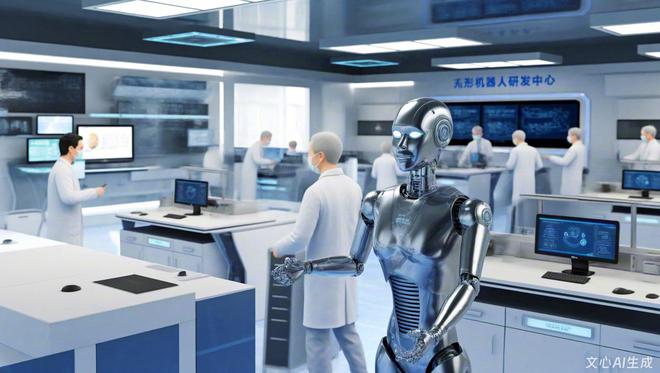
Core Insights - The human-shaped robot industry is experiencing a significant surge in interest and investment, with a projected market size reaching hundreds of billions by 2030, despite recent regulatory warnings about potential over-saturation and risks associated with similar products flooding the market [1][3][12] - The National Development and Reform Commission (NDRC) has expressed concerns about the maturity of technology, commercialization models, and application scenarios in the human-shaped robot sector, indicating a need for caution against excessive competition and resource wastage [4][5][6] - The industry is characterized by a rapid increase in the number of companies, with over 150 registered firms, many of which are startups or companies entering from other sectors, leading to a high degree of product homogeneity [3][10] Industry Dynamics - The human-shaped robot sector is currently witnessing unprecedented growth, with a 183.78% year-on-year increase in registered companies, surpassing the total number from the previous year [3] - Major players like Yushutech have recently completed their listing preparations, reflecting the industry's capital enthusiasm, while other companies are also pursuing similar paths [3][4] - The NDRC's warnings highlight the need for a balance between speed and potential market bubbles, emphasizing the importance of sustainable development in the face of rapid industry expansion [5][6] Technological Challenges - The industry is fragmented with various technological paths, including traditional mechanical designs and AI-driven systems, but lacks a unified consensus on core technologies, leading to inefficient resource allocation [7][8] - Key technological bottlenecks remain, such as high-precision servo motors and lightweight materials, which hinder the industry's progress [7][8] Commercial Viability - Despite optimistic forecasts for market growth, the current commercialization landscape is challenging, with high production costs (ranging from 500,000 to 1,000,000 yuan) and low market acceptance (generally below 200,000 yuan) creating a "cost inversion" scenario [9] - Many companies are still in the "burning cash for R&D" phase, lacking clear paths to profitability, which raises concerns about their long-term sustainability [9][10] Market Competition - The influx of new entrants has led to a saturation of similar products, resulting in significant resource waste and a lack of innovative high-end products [10][12] - The NDRC's emphasis on avoiding redundant product launches aims to mitigate risks associated with over-competition and to encourage a focus on quality over quantity in the industry [5][10] Strategic Recommendations - Companies are advised to focus on building technological differentiation and avoiding direct competition with established players like Tesla, instead targeting niche markets where they can establish a competitive edge [16][17] - Emphasizing specialized solutions rather than generic products can help firms navigate the current market challenges and align with regulatory expectations [17][18] - The shift in policy from broad encouragement to targeted support indicates that companies with strong technological foundations and clear business models will be favored, while those lacking differentiation may face market exit [19][20]