Tai Mei Ti A P P

Search documents
90亿+美金押注MCE赛道:巨头抢滩,为何Biotech寥寥?
Tai Mei Ti A P P· 2026-02-09 08:47
Core Insights - The global MCE (Myeloid Cell Engager) market has surpassed $9 billion in cumulative transaction value from 2022 to 2025, with major pharmaceutical companies like Novartis, Eli Lilly, and GSK actively entering the field through collaborations and acquisitions [1][20] - The year 2025 is anticipated to be a pivotal year for MCE, with significant deals such as Sanofi's $1.9 billion acquisition of Dren Bio and GSK's collaboration with LTZ Therapeutics valued at over $1.5 billion [1][19][12] - Despite the enthusiasm from large pharmaceutical companies, there are only a handful of biotech firms with a clear focus on MCE, raising questions about the early-stage technology and the limited number of players in the field [1][20] Industry Dynamics - The bottleneck in immunotherapy has led to a renewed focus on myeloid cell therapies, as traditional T-cell therapies face limitations in solid tumors [2][22] - Research indicates that myeloid cells, such as macrophages and dendritic cells, play a crucial role in the immune response within the tumor microenvironment, prompting a shift towards targeting these cells for therapeutic purposes [2][3] - The MCE approach utilizes bispecific antibodies to bridge tumor cells and myeloid cells, enhancing the immune response against tumors while addressing the limitations of T-cell therapies [5][7] Competitive Landscape - The MCE market is characterized by a three-tier structure: core biotech firms with proprietary technology, multinational corporations (MNCs) accelerating development through partnerships, and companies with foundational immunology expertise poised to enter the market [9][10] - Key players in the biotech sector include Dren Bio, which focuses on Dectin-1 activation, and LTZ Therapeutics, which employs a dual-pathway activation strategy involving myeloid and NK cells [10][11] - Companies like Elpiscience and Glenmark are also exploring innovative approaches to enhance myeloid cell engagement, indicating a diverse range of strategies within the MCE landscape [14][17] Market Potential - The demand for MCE therapies is driven by the substantial market size in oncology and autoimmune diseases, with the global solid tumor treatment market projected to reach $272 billion by 2032 [22] - MCE therapies are expected to address unmet needs in solid tumors, offering a differentiated mechanism compared to traditional therapies, which often face safety and efficacy challenges [22][23] - The potential for MCE to complement existing therapies like CAR-T and PD-1 inhibitors highlights its strategic importance in the evolving landscape of immunotherapy [23][24] Future Outlook - The success of MCE as a next-generation immunotherapy will depend on clinical trial outcomes and the ability to overcome technical challenges related to safety and efficacy [22][24] - The next 3-5 years will be critical for MCE, as clinical data will determine its viability and potential to reshape treatment paradigms in oncology and beyond [24]


【数智周报】 Anthropic法律插件、金融模型致美股软件股“地震”;OpenAI推出GPT-5.3-Codex;甲骨文被曝或裁员3万人;OpenAI...
Tai Mei Ti A P P· 2026-02-08 02:25
Group 1 - Intel CEO Pat Gelsinger stated that the shortage of storage chips may continue until 2028 due to ongoing demand from data center construction, leading to a supply-demand imbalance in the chip market [2] - Alphabet CEO Sundar Pichai emphasized that Gemini will empower SaaS software rather than replace it, highlighting its integration into key workflows for enhancing product experience and operational efficiency [3] - The "father of HBM," Professor Jin Jeong-ho, predicted that by 2038, the demand for HBF (High Bandwidth Flash) will surpass that of HBM due to the increasing data requirements driven by AI advancements [3] Group 2 - Qianwen APP launched a 30 billion yuan red envelope campaign to compete in the AI application market, leading to a surge in downloads and topping the App Store [4][5] - The AI market is evolving into a strategic competition for the next generation of traffic super entry, with major players like Baidu and Tencent also announcing cash red envelope activities [5] - The release of the Step 3.5 Flash model by Jiyue Xingchen aims to enhance real-time agent workflows, achieving a maximum inference speed of 350 tokens per second [6] Group 3 - Zhiyuan announced the release of the GLM-OCR model, which has a parameter size of only 0.9 billion and achieves state-of-the-art performance in various recognition tasks [7] - Alibaba Qianwen launched the Qwen3-Coder-Next model, designed for programming agents, with a total of 80 billion parameters [8] - The Zhiyuan Research Institute initiated the "Zhiyuan Scholar 3.0" phase, focusing on cutting-edge innovation and providing robust support for scholars [9] Group 4 - The Brain-Machine Interaction and Human-Machine Integration Haihe Laboratory announced the launch of China's first "Traditional Chinese Medicine Brain-Machine Interface" equipment [10] - FF unveiled its first embodied AI robot at the National Automobile Dealers Association event, marking a significant step in the company's recovery efforts [11] - Baidu plans to distribute dividends for the first time in 2026 and has authorized a stock buyback program of up to $5 billion [12] Group 5 - Alibaba has unified its AI model branding under Qianwen to avoid confusion from multiple names [13][14] - China has launched the largest domestic AI computing power pool, with three sets of super cluster systems now operational [15][16] - Pony.ai and Moore Threads announced a strategic partnership to focus on the implementation and scaling of L4 autonomous driving technology [17] Group 6 - UCloud's liquid-cooled cabinets have been launched at the Ulanqab Smart Computing Center, marking a shift towards large-scale commercial use of liquid cooling technology [18] - Tencent has entered the desktop agent market with the internal testing of its WorkBuddy tool, aimed at enhancing workplace efficiency [19] - Midea Medical introduced the first DR intelligent agent for automated medical imaging processes [20] Group 7 - The establishment of Shanghai Mifeng Embodied Intelligence Technology Company focuses on AI application software development and intelligent robotics [21] - Zhejiang University unveiled the world's fastest humanoid robot, Bolt, capable of running at 10 meters per second [22] - Qingcheng Jizhi launched AI Ping, a one-stop AI evaluation and API service routing platform [23] Group 8 - The first AI percutaneous puncture navigation robot in China has been approved for market launch, marking a significant advancement in AI-assisted medical technology [24] - National Measurement Quantum completed over 100 million yuan in A++ round financing, led by CICC Capital [25] - Shengshu Technology announced the completion of over 600 million yuan in A+ round financing for the development of multimodal large models [26] Group 9 - Baidu and other investors have acquired stakes in the Beijing Humanoid Robot Innovation Center, increasing its registered capital to approximately 600 million yuan [27] - Xiaomi's investment fund has acquired shares in the intelligent IoT chip developer Ziguang Qingteng, raising its registered capital [28] - Anthropic's new AI legal agent plugin led to a significant drop in software stocks, with RELX PLC and others experiencing substantial losses [29][30] Group 10 - OpenAI launched GPT-5.3-Codex, enhancing coding performance and increasing operational speed by 25% [31] - Oracle plans to raise $45 billion to $50 billion by 2026 to expand its cloud infrastructure capacity [32] - Oracle is reportedly considering layoffs of 20,000 to 30,000 employees due to financial pressures related to AI data center expansion [33] Group 11 - Revolut plans to triple its workforce in Singapore over the next three years, aiming to expand its business operations [34] - SpaceX is reportedly in deep negotiations with xAI regarding a potential merger [35] - OpenAI is developing a new platform to assist enterprises in deploying AI agents more easily [49]

哈三联首亏超3.15亿:集采寒流+减值拖累下“翻身仗”要怎么打?丨看财报
Tai Mei Ti A P P· 2026-01-29 10:06
Core Viewpoint - Harbin Sanlian Pharmaceutical (002900.SZ) has announced its first annual loss since its A-share listing in 2017, with a projected revenue of 790 million yuan for 2025, a decrease of 30% year-on-year, and a net loss estimated between 315 million to 375 million yuan [2][4]. Revenue and Profitability - The company's revenue is expected to drop by 343 million yuan compared to the previous year, primarily due to a significant decline in sales prices and rigid costs [2][4]. - The basic earnings per share are projected to be between -1.19 and -1 yuan [2][4]. - The net profit attributable to shareholders is forecasted to be -375 million yuan, marking a 739.11% decline year-on-year [4]. Price Pressure and Market Competition - A major factor in the company's poor performance is the decline in sales prices, particularly due to the implementation of centralized drug procurement policies, which have severely impacted the prices of core products [3][4]. - The product "Injection of Yanhuning" is facing an average price drop of 86% due to competitive pressures from 31 companies participating in the procurement [5][6]. - The "Ondansetron Hydrochloride Injection" has seen a price reduction of 56.85% after entering the procurement process, leading to a 37.91% decline in revenue despite increased sales volume [8]. Asset Impairment and Expenses - The company has faced significant asset impairments, with a total of 59.49 million yuan in impairment provisions impacting net profit by over 55 million yuan [11][12]. - Inventory write-downs, particularly for "Injection of Yanhuning," have resulted in a reduction of over 87% in recoverable amounts, contributing to the overall financial strain [11][12]. - High fixed expenses have not decreased in line with revenue, leading to increased expense ratios [13]. Strategic Moves and Future Outlook - In response to the challenges, the company is attempting to pivot towards a health-oriented business model, including the establishment of a new division focused on synthetic biology and the launch of new beauty products [14][18]. - However, the beauty industry is highly competitive, and the synthetic biology sector requires significant investment and long development cycles, posing additional challenges for the company [18].


海昌智能冲关北交所:关联方和比亚迪的订单也难治“利润贫血”? |IPO观察
Tai Mei Ti A P P· 2026-01-29 10:00
Core Viewpoint - Haichang Intelligent is preparing for its IPO on the Beijing Stock Exchange amid challenges such as declining profit margins and heavy reliance on major clients like BYD and Luxshare Precision, raising concerns about its business model and governance [2][3][19]. Group 1: Company Overview - Haichang Intelligent, formerly a part of Tianhai Electric, specializes in manufacturing high-performance automotive wiring harness equipment, with significant revenue contributions from fully automatic crimping machines and testing equipment [5][8]. - The company has a workforce of over 700, but its asset structure reveals a low level of fixed assets, indicating a labor-intensive operation rather than a high-end equipment manufacturer [2][10]. Group 2: Financial Performance - Revenue growth from 2022 to 2025 shows an increase from 5.2 billion to 8 billion yuan, but net profit growth has been under pressure, with net profits declining from 1.08 billion to 0.61 billion yuan during the same period [8][19]. - The gross margin has decreased from 37.74% in 2022 to 33.5% in 2025, attributed to increased market competition and higher costs associated with customized orders [8][19]. Group 3: Client Dependency and Market Position - Haichang Intelligent's major clients include Tianhai Electronics, BYD, and Luxshare Precision, with the top five clients accounting for over 54% of total sales, indicating a high concentration risk [9][10]. - The company has defined BYD and Jietai Technology as "strategic low-price clients," which suggests a reliance on low pricing to secure sales, impacting profit margins [8][19]. Group 4: IPO and Expansion Plans - The company plans to raise 4.52 billion yuan through its IPO to expand production capacity by 60%, despite concerns about the ability to absorb this new capacity in a slowing market for electric vehicles [2][14]. - The planned expansion includes investments in intelligent equipment and a research center, with expectations of generating an additional 4.8 billion yuan in revenue post-expansion [12][13]. Group 5: Regulatory Scrutiny and Governance Concerns - The company faces heightened scrutiny from regulators due to its ties with Tianhai Electronics, which is both a major customer and a significant accounts receivable source, raising questions about revenue recognition and governance transparency [18][19]. - Recent incidents involving sensitive financial transactions between Haichang Intelligent and its parent company have amplified concerns regarding internal controls and the quality of reported profits [18][19].

印度尼帕病毒点燃IVD“一日狂欢”:短炒退潮后,赛道真需求在哪?丨行业风向标
Tai Mei Ti A P P· 2026-01-29 06:30
Group 1 - The Nipah virus outbreak in West Bengal, India, has reported 5 confirmed cases, with a high fatality rate of 40%-75% and no approved vaccines or treatments available globally [2][10] - The outbreak has triggered a short-lived surge in the In Vitro Diagnostics (IVD) sector in the A-share market, with significant stock price increases for companies like Cap Bio and Zhijiang Bio on January 26, followed by a rapid decline [4][12] - The IVD industry's response to the outbreak reflects a short-term reaction pattern to public health events, indicating a need to shift focus from sporadic events to long-term value driven by policy support, growing health service demand, and technological upgrades [6][15] Group 2 - The high mortality rate of the Nipah virus and the absence of specific vaccines and effective therapies have become emotional anchors for market reactions [7] - The IVD sector's core companies have seen significant price adjustments, with many stocks down over 70% from their historical highs during the COVID-19 pandemic, leading to a perception of "low valuation + oversold" conditions [7][13] - The actual demand for testing related to the Nipah virus is insufficient to sustain prolonged stock price increases, as the virus has a low transmission efficiency and primarily causes localized outbreaks [13][19] Group 3 - The IVD industry is currently experiencing a transformation phase, moving away from reliance on sporadic pandemics to a focus on regular diagnostic needs driven by an aging population and increased health awareness [19][20] - The market for medical testing in China is projected to grow from 17.97 billion yuan in 2018 to 71.92 billion yuan by 2027, with a compound annual growth rate of 19.1% [19] - Policy support, such as the "14th Five-Year Plan for National Health," aims to enhance the medical testing industry, providing a framework for technological innovation and industry upgrades [19][20]


AI眼镜的全新卡位赛:长期博弈拼谁耗得起,创业公司没有退路
Tai Mei Ti A P P· 2026-01-28 03:32
"2025年前三季度,智能眼镜市场出货量超过178万副,其中近八成是AI眼镜。"日前,工信部对外公布 的这组数据,无疑是"提振"了国内AI眼镜产业。如果按照规模来看,百万自然不是一个很大的量级,但 对比2024年20万左右的出货量,六倍的增长还是很可观的。 不仅如此,在2026年一开年,AI眼镜再一次刷屏,成为CES 2026上体验出圈的AI物种。资本层面,也 是好消息不断,包括雷鸟创新、影目科技以及XREAL等均有新的融资进账。随着字节、华为在今年也 都要下场,AI眼镜也将加速走进大众视野。刚刚上市的龙旗科技认为,智能眼镜板块预计将延续强劲 增长,2024年至2029年的复合年增长率达45.4%。微光科技副总裁、软工首席谢鑫更是直言,"今年市 场可能会达到千万级的销量。" 不过,仍需要指出的一点是,基于当前的硬件限制和软件生态的匮乏,AI眼镜远谈不上取代手机,最 终形态也存在争议,甚至长时间佩戴的问题也都没有解决。热潮之下,"百镜大战"会继续上演,不同的 是,今年更多巨头的入局会加速市场泡沫的破裂。而对于创业公司来说,则是一场没有退路的战役。 大厂押注、超10亿资金入账,新的卡位赛打响 当AI大模型在两年多 ...


谋购IPO折戟标的,是否能成为埃夫特的盈利“解药”| 并购一线
Tai Mei Ti A P P· 2026-01-27 17:04
1月27日,埃夫特(688165.SH)同步抛出两份牵动市场神经的公告。 但这一系列的动作未带来预期的营收增长和利润贡献,反而成为拖累业绩的包袱。埃夫特在其2024年年 报中坦言:"截至2024年12月31日,公司合并报表商誉账面价值为19,102.20万元(已计提商誉减值准备 13,083.94万元),占公司合并报表总资产 5.25%,主要系公司2015年以来先后收购了 CMA、 EVOLUT、WFC所致。" 虽然业绩或许没达预期,但在埃夫特看来通过海外资产的收购,至少拓宽了公司的业务范围,在2024年 年报中埃夫特还指出,通过海外的收购"在全球范围内逐步积累了汽车工业、航空及轨道交通业、汽车 零部件及其他通用工业的客户资源"。 如今,在自身尚未摆脱亏损泥潭的情况下,埃夫特再次将目光投向收购IPO折戟标的,市场上质疑的声 音似乎更多,不过交易标的的审计、评估工作尚未完成,交易价格尚未确定,后续还需提交公司董事 会、股东会审议,并经监管机构批准,能否顺利落地仍存变数。 一边是上市公司披露了业绩惨淡的2025年年度业绩预告,预计全年归母净亏损将进一步扩大至4.5亿至 5.5亿元。另一边,埃夫特宣布筹划发行股份及 ...

海目星2025年预亏超8.5亿:毛利率陷历史低位,四季度扭亏难消分歧|看财报
Tai Mei Ti A P P· 2026-01-27 11:13
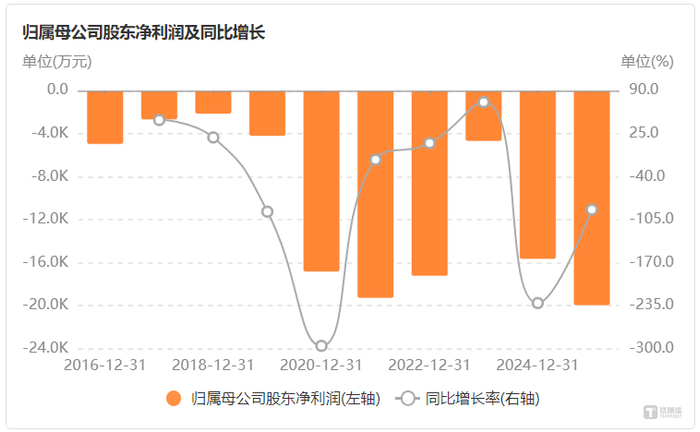
Core Viewpoint - The company, HaiMuxing, is expected to report a net loss of 850 million to 910 million yuan for the fiscal year 2025, indicating a further deterioration in performance compared to the previous year due to multiple factors including declining gross margins and increased impairment provisions [2][3] Group 1: Financial Performance - The gross margin has significantly declined from 34.22% in Q3 2022 to 17.76% in Q3 2025, representing a drop of over 48% [3] - The company reported a gross margin of 30.50% for the entire year of 2022, which decreased to 15.20% in the first half of 2025, with a slight recovery to 17.76% in the first three quarters of 2025 [3] - The company has accumulated over 500 million yuan in impairment losses in the first three quarters of 2025, attributed to inventory write-downs and bad debts [5] Group 2: Operational Challenges - The company faces increased operational challenges, reflected in rising inventory turnover days, which reached 526.73 days in 2025 compared to 335.23 days in 2022, and accounts receivable turnover days, which increased to 186 days from 75.61 days in 2022 [5] - The capital liability ratio has risen to 82.36% by Q3 2025, indicating increased debt pressure due to declining operational efficiency and ongoing investments in R&D and overseas expansion [6] Group 3: Market Conditions and Future Outlook - The company has reported a potential turnaround in Q4 2025, with an expected net profit of 2.518 million to 62.52 million yuan, marking a year-on-year increase of 100.76% to 118.92% [7] - The company has over 10 billion yuan in orders on hand, which may support performance in 2026, but confirmation of a sustainable recovery will depend on Q1 2026 data [7] - The company is exploring new technologies in collaboration with industry leaders, but faces challenges in resource allocation across multiple business segments and the need for effective market positioning [8]



造假、巨亏、实控人涉刑:睿昂基因诈骗迷局下的精准医疗之困
Tai Mei Ti A P P· 2026-01-27 02:21
Core Viewpoint - Ruian Gene (688217.SH) faces dual setbacks as its actual controllers are sued for fraud, and the company forecasts a significant revenue drop for 2025, indicating a severe decline in financial performance and trust [2][10]. Group 1: Company Background - Ruian Gene was founded by actual controllers Xiong Hui and Xiong Jun, who have impressive academic backgrounds and initially developed a clinical HBV drug resistance testing kit, filling a technological gap in the market [5]. - The company went public on the STAR Market in May 2021, becoming a star in precision medicine due to its technological advantages in leukemia detection, with the controlling family holding over 30% of the shares [5][6]. Group 2: Fraud Allegations and Investigation - The fraud investigation began in July 2021 when the Shenzhen Medical Insurance Bureau received reports of employees from AstraZeneca allegedly altering cancer patient gene test results to fraudulently obtain insurance reimbursements [6][9]. - Ruian Gene was implicated as a key player in the fraud chain, with its subsidiary Wuhan Sitai being mentioned in court proceedings regarding the manipulation of test results [9][10]. Group 3: Financial Performance and Forecast - The company forecasts a revenue of only 170 million to 176 million yuan for 2025, representing a year-on-year decline of 27.36% to 29.84%, with net losses expected to widen to between 39.91 million and 59.86 million yuan [2][12]. - The core business of molecular diagnostic reagent sales has been severely impacted, with a nearly 20% decline in revenue in the first half of 2025, and the testing service business experiencing a 30.2% drop in revenue [13][15]. Group 4: Governance and Management Response - Following the legal troubles of the actual controllers, the company's governance structure has not changed significantly, with Xiong Hui resigning from her positions in September 2025 but her husband quickly taking over [10][18]. - Despite ongoing financial losses and the legal issues, the company approved a cash dividend of 1.7 yuan per 10 shares, reflecting a disconnect between management decisions and financial realities [17][18]. Group 5: Industry Implications - The situation at Ruian Gene serves as a cautionary tale for the precision medicine industry, emphasizing the importance of trust and integrity in maintaining market position and customer relationships [20].


新势力的下半场,小鹏正在换一种跑法
Tai Mei Ti A P P· 2026-01-26 14:00
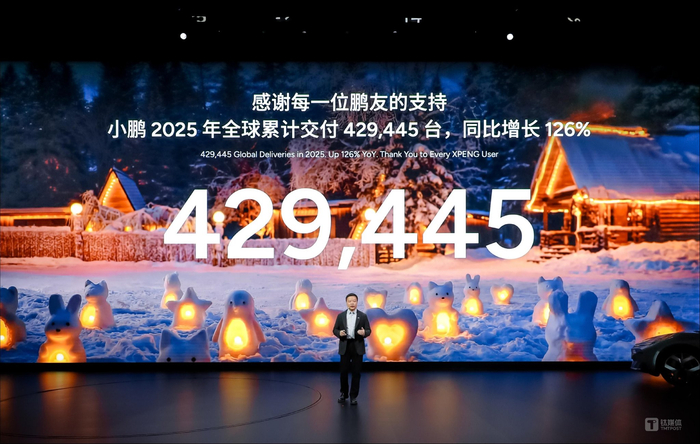
Core Viewpoint - Xiaopeng Motors is positioning itself for a new growth cycle starting in 2026, emphasizing a shift from a focus on pure electric vehicles and intelligent driving to a dual-energy product strategy, technological innovation, and global market expansion [2][3][20]. Group 1: Product Strategy - Xiaopeng launched four new models simultaneously, including the P7+, G7, G6, and G9, aiming to regain market momentum and address diverse consumer needs in a competitive landscape [3][20]. - The company is betting on a dual-energy approach, integrating both pure electric and range-extended vehicles to broaden its market reach and enhance sales stability in 2026 [7][10]. - The specifications of the new models, such as the P7+ and G7, highlight a focus on maintaining a pure electric driving experience while extending range through innovative battery and fuel tank designs [9][10]. Group 2: Market Dynamics - The range-extended vehicle market is expected to see significant growth in 2026, with over ten major automakers planning to launch new models, indicating a shift in supply-side dynamics [7][20]. - Xiaopeng's strategy aims to address the increasing competition in the electric vehicle market by expanding its product matrix and enhancing its delivery capabilities [3][10]. Group 3: Organizational Resilience - In 2025, Xiaopeng focused on restructuring its organizational capabilities, achieving a delivery of 429,000 vehicles, a 126% year-on-year increase, and reaching a milestone of one million vehicles produced [11][13]. - The company adopted a conservative approach to inventory management, prioritizing low stock levels and efficient cash flow to mitigate operational risks [13][14]. Group 4: Technological and Global Expansion - Xiaopeng is entering a critical phase of technological advancement, transitioning from conceptual to practical applications of physical AI, which is expected to be pivotal from 2026 to 2028 [15][19]. - The company is enhancing its global presence, having entered over 60 countries, and is focusing on localizing research, manufacturing, and delivery to build a sustainable international business model [17][18]. Group 5: Evaluation Criteria for 2026 - The success of Xiaopeng's dual-energy strategy will be measured by its ability to expand overall sales without internal cannibalization, maintain delivery quality and customer satisfaction across multiple models, and establish replicable success in international markets [20][21].