Tai Mei Ti A P P

Search documents
创·问|巴特弗莱:跨界创业,重新定义预灌封系统——为创新药赋能最优解
Tai Mei Ti A P P· 2026-01-15 16:05
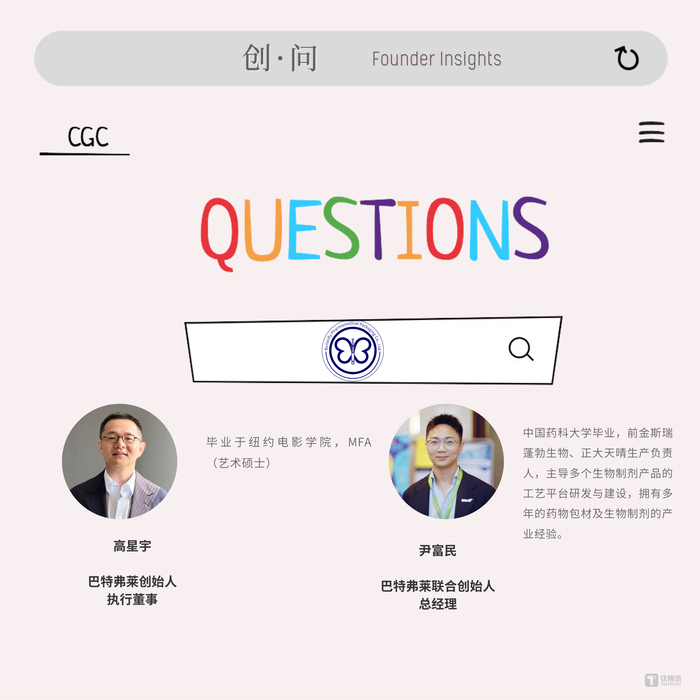
从电影文娱行业到医药包材,从制片人到执行董事,听上去,巴特弗莱创始人高星宇的经历一点也不像 个"典型"创业者。 就连他押注的方向——无硅油高分子预灌封注射器,似乎也是一门"既难又慢"的生意。 过去几年里,创新药飞速发展,但作为主流药包材的中硼硅玻璃,技术更新却几乎停滞。再加上这套体 系本身存在的硅油、重金属、粘合剂等问题,以及叠加了供应链安全等风险,都让药企对更安全、更稳 定的解决方案有着迫切需求。 行业里长期存在的结构性矛盾,让高星宇和巴特弗莱联合创始人、生物医药背景的尹富民,意识到了机 会所在。 跨界创业的身份,反而让高星宇和尹富民跳出传统的思维定式,没有沿着行业固有的经验路径去创新, 而是另辟蹊径,以全新的设计、产品理念,做出了新一代更高性能的药包材。 作为传统行业的新入局者,对巴特弗莱而言,最快的成长路径,不是横向扩张,而是专注在自己擅长的 领域持续深耕;真正的行业壁垒,也不是某项单点技术,而是面对每一代创新药,都能给出最优解。 全文分享如下: Q:华创资本 A:巴特弗莱创始人高星宇、联合创始人尹富民 结构性矛盾 华创资本:过去几年,药包材行业发生了哪些变化,让你们意识到这是一个可以切入创业的方向? ...


*ST阳光易主背后:京基集团撤退棋局与神秘女商人的6.15亿豪赌
Tai Mei Ti A P P· 2026-01-15 13:46
Core Viewpoint - The control change of *ST Yangguang (000608.SZ) marks the end of a significant chapter, with the exit of Jingji Group, previously seen as a "white knight," after five and a half years of involvement, selling its stake to a lesser-known individual, Liu Dan, for approximately 615 million yuan [2][4]. Group 1: Jingji Group's Exit Strategy - Jingji Group's exit is characterized as a strategic retreat, having initially invested 1.441 billion yuan at 6.6 yuan per share, but ultimately selling at a significant loss, with a total cash return of 615 million yuan, reflecting a more than 50% discount on its initial investment [4][5]. - The exit involved two transactions: selling 10% of shares at 2.42 yuan per share for 181 million yuan and the remaining 19.97% at 2.9 yuan per share for 434 million yuan, resulting in a total loss exceeding 800 million yuan [4][5]. - The exit is viewed as a calculated move within Jingji Group's broader capital strategy, particularly in light of a concurrent asset transaction involving Liu Dan, which allowed for a cash inflow of 650 million yuan from the sale of a loss-making hotel asset [5][6]. Group 2: Liu Dan's Acquisition - Liu Dan's acquisition of *ST Yangguang, involving an investment of approximately 615 million yuan, raises questions about her intentions, as she is a relatively unknown figure in the capital market [6][7]. - Liu Dan's background includes ownership of several companies, but her core business activities do not align with *ST Yangguang's existing operations, indicating a potential strategic motive behind the acquisition [6][7]. - The market speculates that Liu Dan may be interested in the company's listing status rather than its current operations, as *ST Yangguang faces significant financial challenges, including a cash balance of only 60.28 million yuan against liabilities of 415 million yuan [7][8]. Group 3: Market Reactions and Future Outlook - The market has reacted positively to the acquisition, with *ST Yangguang's stock experiencing multiple trading halts and a price increase of over 60% in a few months, reflecting investor expectations of potential capital operations [7][8]. - The future of *ST Yangguang remains uncertain, with the market awaiting Liu Dan's next moves and whether she can successfully navigate the company away from its precarious financial situation [8].


脑机路线之争:中企们与马斯克针尖对麦芒
Tai Mei Ti A P P· 2026-01-15 11:52
文 | 针探局,作者 | 曾可 脑机的伦理问题才是关键。 脑机接口,自踏入2026后,突兀的成为资本市场的新宠。 在部分证券软件统计的概念个股中,"人脑工程"已经有近50家相关企业,分别是涉及脑机安装的医疗器 材类公司、可能涉及脑机制造的消费电子类公司,甚至包括脑机内容提供商、一些软件和游戏公司。 更让人无语的是,连八字都没一撇的事儿,2026年九个交易日内整个板块已经实现超20%的涨幅。总市 值已经突破万亿人民币。 这和马斯克旧事重提有关——最近在一次访谈里,他直白地抛出了个想法:想改写人类的底层代码。他 甚至提出了一个惊人观点:人类有望实现"半永生",只要能"改写"生命里的既定程序,就能活得更久。 在马斯克的逻辑里,这个"半永生"蓝图分两步走: 第一步靠Neuralink的脑机接口完成"意识捕捉"——往大脑里植入高密度电极阵列,采集神经元信号,最 终生成包含记忆、思维模式的"心智快照",也就是传统意义上的灵魂。 第二步靠Optimus人形机器人当"意识载体"——让数字化的意识、也就是灵魂有个物理依托,从而实 现"意识转移"。 按照这个思路,等人类身体衰老到极限,就能通过"机械飞升"的方式,让意识以另一种形 ...
碳酸锂开年凶猛,冲破17万关口后向哪里去?
Tai Mei Ti A P P· 2026-01-15 11:26
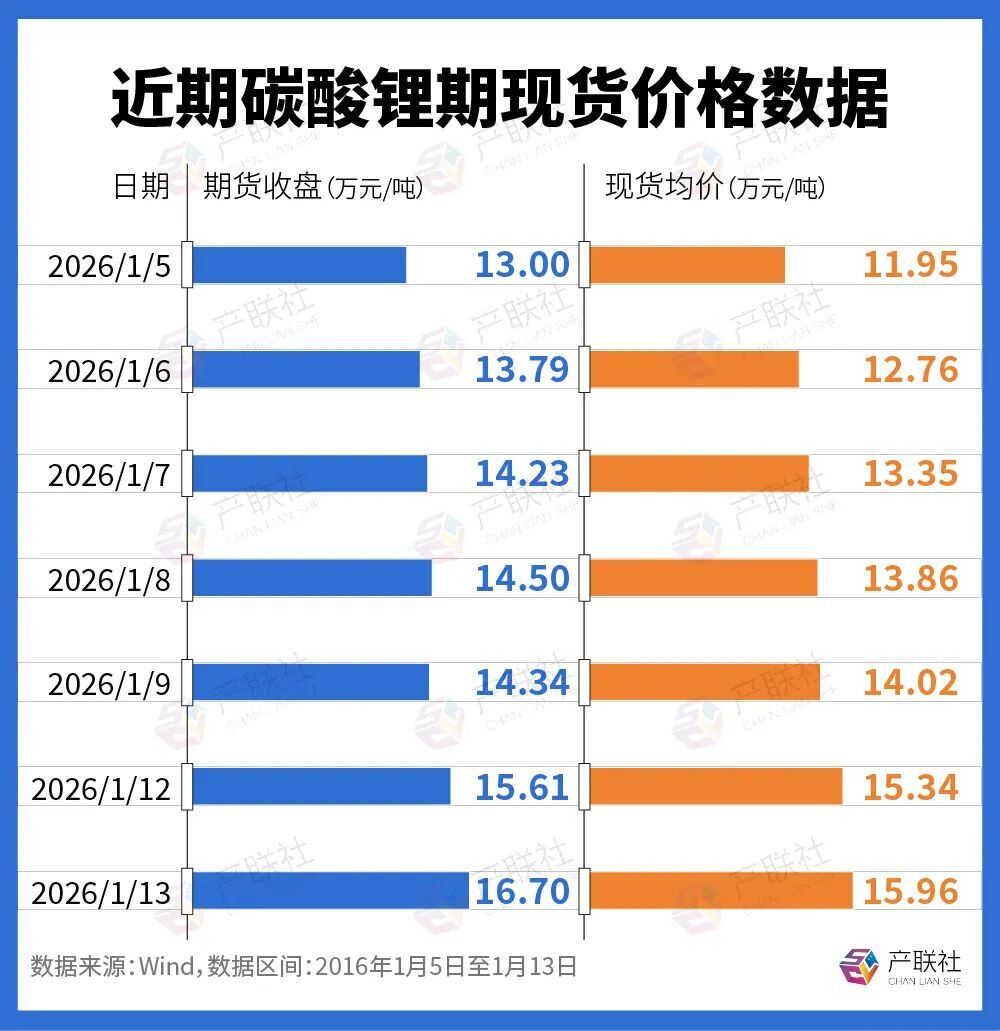
Core Viewpoint - The price of lithium carbonate futures has experienced a rapid increase, driven by multiple factors including policy adjustments, strong downstream demand, and supply disruptions, leading to significant impacts on the entire lithium battery supply chain [1][14]. Price Trends - Lithium carbonate futures prices rose from 130,000 yuan/ton on January 5, 2026, to a peak of 174,000 yuan/ton on January 13, 2026, marking a 33.8% increase within just eight trading days [1][3]. - From a low of 60,000 yuan/ton in the second half of 2025, prices have surged over 180% [3]. Policy Impact - The adjustment of the export tax rebate for battery products, effective April 1, 2026, from 9% to 6%, and its complete cancellation by January 1, 2027, has prompted downstream battery manufacturers to accelerate their procurement of lithium carbonate [6][14]. - This policy change is expected to create a concentrated demand surge before the tax adjustment, particularly benefiting the materials used in ternary batteries and energy storage [6]. Demand Growth - In 2025, China's retail sales of new energy passenger vehicles reached 12.809 million units, a year-on-year increase of 17.6%, with December exports soaring by 255% [8]. - Global sales of new energy vehicles are projected to reach 24.75 million units in 2026, continuing to drive demand for lithium battery materials [8]. - The new energy storage sector saw an addition of 34 GW/87 GWh in installed capacity in the first three quarters of 2025, reflecting a growth of over 65% [8]. Supply Disruptions - The cancellation of mining rights for 27 lithium mines in Yichun, Jiangxi, at the end of 2025 has raised concerns about short-term supply constraints, despite limited actual production capacity [9]. - Domestic lithium salt production decreased by 3.2% month-on-month in December 2025, coupled with maintenance at some enterprises, limiting supply growth [9]. Industry Chain Impact - The rise in lithium carbonate prices is expected to increase cost pressures on battery manufacturers, potentially leading to higher end-product prices for new energy vehicles [11]. - Midstream companies may enhance R&D investments to improve production efficiency and mitigate costs, while some smaller firms may face profit compression and exit the market [11]. - The overall market remains resilient, with consumer demand for new energy vehicles likely to continue growing despite price pressures [11]. Future Outlook - In the short term (Q1 2026), lithium carbonate prices are expected to remain high due to pre-export demand and post-holiday replenishment needs, with some forecasts suggesting prices could reach 180,000 to 200,000 yuan/ton [13]. - However, after the initial demand surge, prices may face downward pressure as inventory levels rise and production resumes [13]. - Long-term, the supply-demand gap is anticipated to widen due to slow new capacity releases, supporting a systemic increase in lithium prices [13].
银发人群洞察报告:3.51亿活跃人群带来三大变化,商机持续涌现……
Tai Mei Ti A P P· 2026-01-15 10:18
Core Insights - The active user base of the silver-haired population in China reached 351 million by November 2025, marking a year-on-year growth of 5.8% [2][12] - This demographic is transitioning from passive internet users to deeply engaged participants, with average monthly usage time increasing to 135 hours and usage frequency to 1,345 times, reflecting growth rates of 11.1% and 6.5% respectively [15][14] Group 1: User Engagement and Behavior - The silver-haired population's engagement has led to a shift in active usage patterns, with a peak activity rate of 75.4% around 4 PM, indicating a preference for off-peak usage times [17] - There is a notable change in application usage across different sectors, with online video consumption rising by 63.5% year-on-year, while short video usage declined by 2% [2] - The adoption of AIGC and smart living applications is increasing, showcasing a growing acceptance of technology among this demographic [2] Group 2: Consumption Patterns - The proportion of silver-haired individuals with moderate online consumption willingness has reached 48.9%, an increase of 2.1% year-on-year [3] - Key areas of growth in active user numbers include mobile gaming (16%), travel services (15.4%), smart devices (13.5%), life services (13.1%), and office business applications (10.4%) [3] - Major e-commerce platforms like Taobao, Pinduoduo, and JD.com have seen significant user engagement from this demographic, with Taobao's active user count reaching 205 million [3] Group 3: Health and Lifestyle - The silver-haired population is increasingly focusing on health management, utilizing health management apps for monitoring key health indicators like blood sugar and blood pressure [37] - There is a growing interest in health and wellness products, with a shift towards proactive health management rather than reactive medical care [37] Group 4: Digital and Technological Adoption - The silver-haired demographic is embracing higher-end smartphones, with 46.6% of users opting for devices priced above 3,000 yuan, reflecting a 9.1% increase [23] - This group is also becoming content creators, leveraging platforms like Douyin and Kuaishou, with active user numbers reaching 214.58 million and 106.74 million respectively [56] Group 5: Emotional and Social Engagement - The silver-haired population is increasingly engaging in social and emotional consumption, with a strong preference for nostalgic and light social gaming experiences [46] - Travel services tailored for this demographic are on the rise, with platforms like Ctrip and Tongcheng Travel seeing significant growth in user engagement [43]

榜单公布|2025 EDGE AWARDS年度最具影响力创作者正式揭晓
Tai Mei Ti A P P· 2026-01-15 09:04
Core Insights - In 2025, China embarks on a new chapter of high-quality development driven by technology and economic growth, with significant advancements in AI and quantum computing [1] - The "Taiduhao" platform by TMT Media recognizes self-media creators who provide unique insights and high-quality content, contributing to industry discussions and knowledge sharing [1] Summary by Categories Self-Media Creators - @半导体产业纵横 focuses on the semiconductor industry, publishing over 200 articles in 2025, with several articles achieving over 400,000 and 500,000 views [1] - @表外表里 published over 50 deep analysis articles in AI, TMT, and new consumption sectors, with notable articles receiving over 900,000 and 700,000 views [2] - @刀客Doc published around 65 articles on digital marketing, with a total reading volume of approximately 16 million and several articles widely shared in the advertising and marketing sectors [3] - @高见pro concentrated on venture capital and AI, with multiple articles achieving over 400,000 views [4] - @海豚研究 focused on core assets in Hong Kong and the US markets, with articles like "The Return of the Wolf" and "Google: AI Wolf Hasn't Arrived" garnering over 400,000 views [5] - @沈素明 published over 100 articles, with many achieving over 400,000 views, providing valuable insights for business managers [6] - @新品略财经 published over 100 original articles, with several achieving over 400,000 views [8] - @新质动能 published over 60 articles, with multiple pieces achieving over 400,000 views [9] - @一口老炮 also published over 60 articles, with several achieving over 400,000 views [10] - @伯虎财经 produced over 100 original videos, with single video views exceeding 800,000 [11] - @财经无忌 created videos that reached a maximum of 6 million views, combining financial logic with social context [12] - @大橘观商业 produced over 40 original videos, with single video views exceeding 1.04 million [12] - @金角财经 created videos that achieved over 3 million views, focusing on financial and industry changes [13] - @科学声音 produced videos that reached over 2 million views, emphasizing scientific knowledge dissemination [14] - @圈内师老师 published multiple deep and valuable content pieces, with single video views exceeding 2 million [16] - @探长唠前沿 produced over 100 original videos, with single video views exceeding 1.2 million [17] - @投资者老丁's videos received over 200 million views, with the highest single video view reaching 3.5 million [18] - @万联万象 produced over 100 original videos, with single video views exceeding 900,000 [19]
台积电Q4净利润飙升35%创历史新高,AI芯片需求持续强劲
Tai Mei Ti A P P· 2026-01-15 08:57
Core Viewpoint - TSMC's Q4 2025 financial results significantly exceeded market expectations, driven by strong demand for AI-related high-end chips, with revenue reaching $33.73 billion, a year-on-year increase of 25.5% and a quarter-on-quarter increase of 1.9% [2] Financial Performance - TSMC's net income for Q4 2025 was $16.04 billion, a 35% increase, surpassing analyst expectations of around 25% growth [6] - The gross margin for Q4 2025 rose to 62.3%, exceeding the market estimate of 60.6% [6] - The company reported a revenue of $122.42 billion for 2025, a 35.9% increase from 2024 [3] - Operating profit margin improved to 50.8%, up 5.1 percentage points from the previous year [3] - Free cash flow for 2025 was $1.00 billion, a 15.2% increase [3] Business Segments - High-performance computing accounted for 55% of TSMC's revenue, with a 48% year-on-year growth, while smartphone revenue increased to 32% [4] - Revenue from the smartphone, IoT, and automotive sectors grew by 11%, 15%, and 34% respectively, contributing 29%, 5%, and 5% to total revenue [4] Regional Contribution - North America remains TSMC's largest market, contributing 74% to total revenue [4] Future Outlook - TSMC projects a revenue growth rate of 30% for 2026, primarily driven by AI demand [5] - The company anticipates a compound annual growth rate of 15% to 20% for overall revenue over the next five years [6] - TSMC expects Q1 2026 gross margin to further increase to 63%-65% [6] Capital Expenditure - TSMC's capital expenditure for 2025 was $40.9 billion, within the expected range, with projections for 2026 capital expenditure to reach $49 billion to $56 billion [9] - The company plans to allocate 70%-80% of its capital budget to advanced process technologies [9] Production Capacity - TSMC's advanced process technology accounted for 77% of total wafer revenue in Q4 2025, with 3nm technology contributing 28% [9] - Despite significant capacity expansion, demand remains strong, and supply-demand tightness is expected to persist into 2026 [9][10] Market Impact - TSMC's stock price has surged approximately 340% since the beginning of 2023, reflecting the market's strong response to AI as a core growth driver [11] - The company's market capitalization is close to $1.7 trillion, making it the sixth most valuable company globally [11]


序轮科技获超亿元产业资本加持,加速半导体材料国产化 | 融资动态
Tai Mei Ti A P P· 2026-01-15 08:03
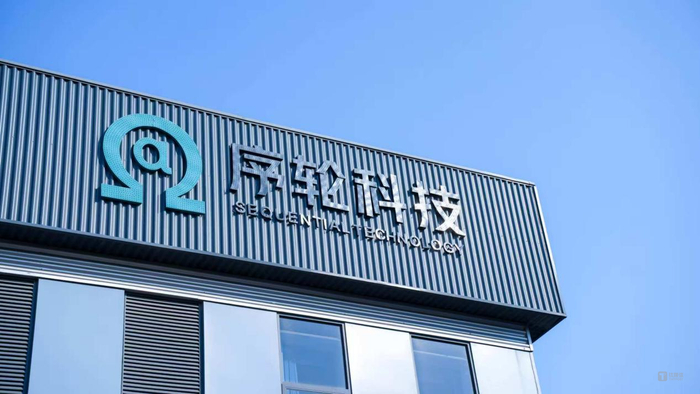
Core Viewpoint - Beijing Xulun Technology Co., Ltd. has completed a new round of strategic financing exceeding 100 million yuan, aimed at expanding production capacity and enhancing R&D in semiconductor packaging materials [1][3]. Group 1: Financing and Investment - The A4 round of financing was led by Northern Huachuang's strategic investment fund, while the A3 round was co-led by Beijing Electric Control Investment Fund and Qianhai Ark Fund [1]. - The funds will be used for the second phase of expansion for UV Tape/DAF product lines and to strengthen R&D in semiconductor packaging materials [3]. Group 2: Strategic Partnerships - Northern Huachuang's involvement will provide strong support for process equipment collaboration and process validation for Xulun Technology [3]. - Beijing Electric Control, as a major stakeholder in BOE and Yandong Microelectronics, will open its industrial ecosystem to Xulun Technology, accelerating product validation and integration in core processing scenarios [3]. Group 3: Technical Expertise and Infrastructure - The core technical team of Xulun Technology consists of members from top domestic and international universities and research institutions, specializing in materials science and chemical engineering [5]. - The company has established a 5,000 square meter R&D center in Beijing and a professional coating pilot base in Hebei, along with precision coating manufacturing lines in Jiangsu [5]. Group 4: Product Offerings and Market Position - Xulun Technology's products cover critical processes such as wafer thinning, cutting, chip mounting, and packaging, widely used in high-end manufacturing fields like RF chips and HBM [5][6]. - The company has provided mass production support to numerous leading domestic semiconductor firms, becoming a key player in the localization of semiconductor materials [6].
上市公司TOP5济安评估(1月5日至1月9日)|上市公司观察
Tai Mei Ti A P P· 2026-01-15 07:43
Group 1 - Institutional research activity has decreased week-on-week, focusing on high-growth sectors and leading companies with strong certainty [1] - Chengdu Xian Dao (688222) received attention from 74 institutions, highlighting its focus on small molecule drug discovery and development services [1] - The company has established a strong technical barrier in drug research and development, participating deeply in the global innovative drug development industry [1] Group 2 - Chengdu Xian Dao's financial ratings show strong debt repayment ability (A, ranked 164) and capital structure (A, ranked 825), indicating significant competitive advantages [1] - The company has good development and profitability capabilities (both rated BBB, ranked 590 and 1394), suggesting strong business growth potential [1] - However, cash flow and asset quality are rated BB (ranked 1573 and 1757), indicating average performance [1] Group 3 - SWOT analysis reveals strengths in debt repayment ability exceeding industry benchmarks by 26.85% and development ability exceeding by 9.69% [2] - Weaknesses include a scale strength below industry benchmarks by 66.32% and capital structure, operational efficiency, and cash flow below benchmarks by 14.33%, 12.05%, and 13.07% respectively [2] - Opportunities for improvement exist in multiple capabilities compared to industry leader WuXi AppTec, with significant potential for growth in scale, asset quality, operational efficiency, and profitability [2] Group 4 - Chengdu Xian Dao's stock price is currently at 32.52 CNY per share, significantly overvalued compared to the fair value of 24.09 CNY, with a deviation rate of +35.0% [4] - If the growth in innovative drug development orders does not meet expectations, or if core operational indicators continue to decline, the overvaluation may lead to a correction [4] Group 5 - Cai Bai Co., Ltd. (605599) focuses on gold and jewelry retail, receiving attention from 51 institutions, indicating its competitive advantage in the market [5] - The company has strong operational efficiency (AA, ranked 62), debt repayment ability (A, ranked 66), and asset quality (A, ranked 354) [5] - However, its capital structure is rated CCC (ranked 3873), indicating a significant shortcoming in capital allocation [5] Group 6 - SWOT analysis for Cai Bai shows strengths in asset quality exceeding industry benchmarks by 82.73% and operational efficiency by 44.48% [6] - Weaknesses include a capital structure significantly below industry benchmarks by 19.25% [6] - Opportunities for growth exist in scale and capital structure improvements compared to industry leader Shanghai Pharmaceuticals [6] Group 7 - Stock price for Cai Bai is at 17.30 CNY per share, undervalued compared to the fair value of 25.74 CNY, with a deviation rate of -32.79% [7] - A recovery in consumer demand in the gold and jewelry sector could lead to a correction in the undervaluation [7] Group 8 - Shuanglin Co., Ltd. (noted as 8) focuses on automotive components, receiving attention from 55 institutions, reflecting market interest in its potential in the electric vehicle sector [8] - The company has strong debt repayment ability (A, ranked 397), profitability (A, ranked 790), and asset quality (A, ranked 620) [8] - However, its capital structure is rated CCC (ranked 3507), indicating a significant weakness [8] Group 9 - SWOT analysis for Shuanglin reveals strengths in asset quality exceeding industry benchmarks by 27.67% and development ability by 24.44% [9] - Weaknesses include a capital structure below industry benchmarks by 23.48% and operational efficiency below by 6.38% [9] - Opportunities for improvement exist in multiple capabilities compared to industry leaders [9] Group 10 - Stock price for Shuanglin is at 39.61 CNY per share, slightly overvalued compared to the fair value of 36.18 CNY, with a deviation rate of +9.48% [11] - Continued deterioration in core operational indicators or increased competition could lead to a valuation correction [11] Group 11 - Pulit (002324) specializes in modified plastics, receiving attention from 51 institutions, indicating market interest in its growth potential [12] - The company has strong cash flow (BBB, ranked 541), asset quality (BBB, ranked 1334), and scale strength (BBB, ranked 1080) [12] - However, its debt repayment ability (B, ranked 3116) and capital structure (B, ranked 3388) are significant weaknesses [12] Group 12 - SWOT analysis for Pulit shows strengths in cash flow exceeding industry benchmarks by 21.29% and development ability by 11.66% [13] - Weaknesses include a capital structure below industry benchmarks by 26.8% [13] - Opportunities for improvement exist in multiple capabilities compared to industry leader Zhongce Rubber [13] Group 13 - Stock price for Pulit is at 22.80 CNY per share, overvalued compared to the fair value of 17.64 CNY, with a deviation rate of +29.25% [15] - Continued deterioration in core operational indicators or increased competition could lead to a valuation correction [15] Group 14 - Tangyuan Electric (300789) focuses on rail transit detection and monitoring, receiving attention from 56 institutions, indicating market interest in its growth potential [16] - The company has asset quality (BB, ranked 1745) and capital structure (BB, ranked 2041) at moderate levels, but cash flow (CC, ranked 4782) and scale strength (C, ranked 4151) are poor [16] - SWOT analysis reveals strengths in asset quality exceeding industry benchmarks by 34.95% and development ability by 14.32% [17] Group 15 - Weaknesses include scale strength below industry benchmarks by 51.66% and cash flow below by 40.1% [17] - Opportunities for improvement exist in multiple capabilities compared to industry leader Guodian Nanrui [17] Group 16 - Stock price for Tangyuan Electric is at 23.38 CNY per share, slightly undervalued compared to the fair value of 26.94 CNY, with a deviation rate of -13.21% [18] - If the company can leverage its smart operation business to improve profitability, it may push the valuation back to a reasonable range [18]




英特尔亮出AI PC王牌:酷睿Ultra
Tai Mei Ti A P P· 2026-01-15 07:08
Core Insights - Intel has launched the Core Ultra processors based on the new Panther Lake platform, marking a significant advancement in semiconductor manufacturing with the introduction of the Intel 18A process technology [2][3] - The company anticipates 2026 to be a pivotal year for the industry, with a surge in AI, computing, and process technology [2] - The Core Ultra processors demonstrate enhanced CPU performance, leading GPU integration, and improvements in energy efficiency, gaming performance, connectivity, and AI capabilities [2] Manufacturing Technology - The Core Ultra processors utilize Intel's 18A process technology, featuring backplane power delivery and a mixed architecture of performance cores, efficiency cores, and LPE efficiency cores [3] Performance Metrics - The Panther Lake platform supports up to 27 hours of battery life, with CPU performance improved by 60%, graphics performance by 77%, and overall AI performance doubled compared to the previous generation [4] - The new platform achieves a total computing power of 180 TOPS, capable of running large models with 700 billion parameters, and features a low-power NPU with 50 TOPS, enhancing inference performance by 2 times [4] AI Strategy and Market Position - Intel supports over 350 independent software developers and more than 900 AI models for local deployment, indicating rapid growth in the AI PC ecosystem [6] - The company plans to release the first Core Ultra-equipped PCs globally on January 27, with a total computing power equivalent to 40 data centers [6] - Intel's strategy includes the simultaneous launch of edge processors and corresponding PC versions, aiming to accelerate AI deployment in various sectors [6] Market Outlook - Following the restart of its wafer foundry business, Intel aims to validate its manufacturing technology through product performance and market success, which is crucial for future advancements [8] - The capital market outlook for Intel is optimistic, with a 32% increase in stock price year-to-date as of January 14, 2026, and a notable 10.6% rise over two days [8]