
Tai Mei Ti A P P

Search documents
智能时代,新兴科技品牌落地海外有哪些颠覆性变化?| CES 2026
Tai Mei Ti A P P· 2026-01-22 10:21
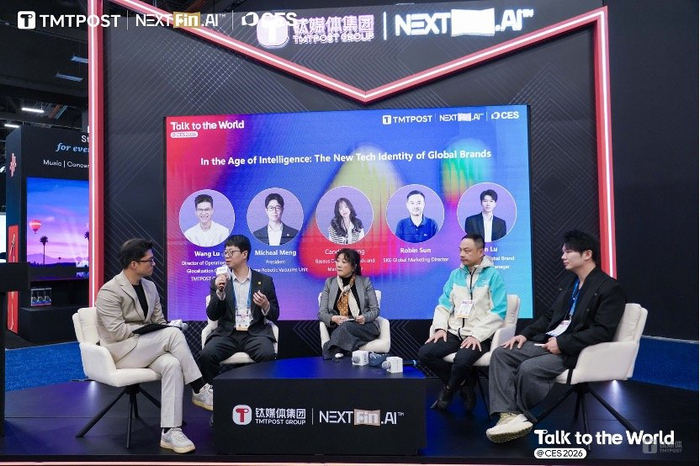
Core Insights - Chinese emerging technology brands are transitioning from low-end price competition to high-end smart and scenario-based branding in North America [1] - The CES event showcased the significant presence of Chinese brands, particularly DREAME, which emphasizes a shift in global brand image through comprehensive marketing strategies [1] Brand Strategy - DREAME's president highlighted three key strategies for building brand awareness: leveraging global exhibitions like CES, enhancing online and offline marketing, and engaging with influencers and sports stars [2] - The importance of balancing global brand consistency with local expression was emphasized, as different markets require tailored approaches while maintaining core brand values [2][3] - SKG's marketing director noted the need for unified brand tone across all channels and adapting marketing strategies to local cultural events and consumer behavior [3] Product Innovation - DREAME introduced several innovative products at CES, including a smart home robot capable of various household tasks and a stair-climbing vacuum cleaner [6] - Baseus showcased advanced mobile digital products with features like fast charging and smart temperature control, as well as innovative security cameras with AI capabilities [7] - SKG presented a range of massage devices utilizing advanced materials and technology for enhanced user experience [8] Market Insights - DREAME identified specific user needs in North America, such as the demand for stair-climbing vacuums due to the prevalence of multi-story homes [9] - Differences in user preferences between North America and Europe were noted, particularly regarding carpet cleaning needs and product functionality [10] Brand Positioning - The shift in perception of Chinese brands from cost-effective to high-end was discussed, with a focus on the importance of user insights and product innovation for long-term competitiveness [16] - Companies are investing significantly in R&D to maintain innovation, with DREAME allocating over 7% of its revenue to this area [16] Globalization Challenges - The complexities of global brand management were highlighted, emphasizing the need for localized strategies that respect regional differences while maintaining a unified brand message [24][25] - Companies face challenges in navigating compliance and market entry, with a focus on building trust and effective communication with local consumers [21][22] Marketing Strategies - Effective marketing in North America requires a blend of online and offline strategies, with a strong emphasis on community engagement and local partnerships [20][21] - The importance of adapting marketing messages to resonate with local cultural values and consumer expectations was underscored [23][25]


TCL控股索尼电视,日系电视从全球霸主到“集体退场”
Tai Mei Ti A P P· 2026-01-22 06:37
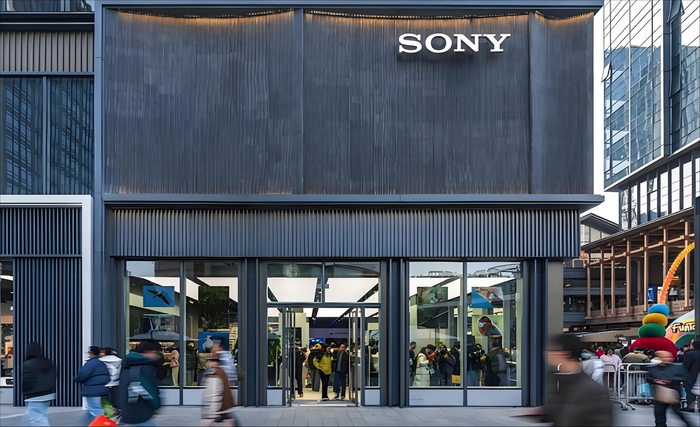
TCL电子在公告中提到,意向备忘录设置了排他期条款。索尼同意并承诺在意向备忘录日期起至2026年 3月31日止期间,其将不会直接或间接与任何第三方就与潜在交易类似或相当的交易进行任何讨论或谈 判。 另据索尼中国官网披露消息,双方计划于2026年3月底前就订立具有法律约束力的最终协议进行磋商。 在最终协议签署并取得相关主管部门批准等条件满足后,新公司预计将于2027年4月开始运营。 2026年伊始,全球电视行业的竞争格局,因为一项中日企业的合作被彻底改变。 1月20日晚,TCL电子在港交所公告,公司与Sony Corporation(索尼)签订意向备忘录。双方拟成立一 家承接索尼家庭娱乐业务的合资公司,由TCL电子持股51%、索尼持股49%。 这意味着,TCL将成为索尼全球家庭娱乐业务的控股方,承接索尼的电视机和家庭音响业务,涵盖从开 发、设计、制造到销售、服务的全链条运营。 图 片来源:索尼官网 电视业务,已成索尼的拖累 公开数据显示,2025年全球电视出货量预计为2.206亿台,同比小幅下滑0.7%,市场进入存量竞争与结 构升级并行的新阶段。 | Rank | Own brand | | Sell-in V ...
低温液奶新贵君乐宝港股IPO,为中国乳业制造新的增长极
Tai Mei Ti A P P· 2026-01-22 04:41
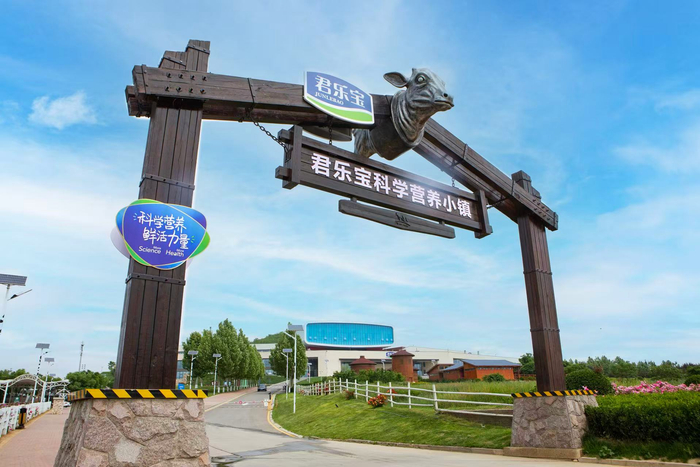
Core Insights - The Chinese dairy industry has entered a period of adjustment after years of rapid growth, yet companies like Junlebao are achieving rapid development through strong brand foundations, innovative product capabilities, and comprehensive supply chain systems [2] - Junlebao has submitted its IPO application to the Hong Kong Stock Exchange, marking a significant step in enhancing its influence in the industry [2] - According to Frost & Sullivan, Junlebao ranks third among comprehensive dairy companies in China by retail sales in 2024, indicating its strong market position [2] Financial Performance - Junlebao's total revenue is projected to grow from RMB 17.5 billion in 2023 to RMB 19.8 billion in 2024, with RMB 15.1 billion achieved in the first nine months of 2025, demonstrating steady revenue growth [2] - The adjusted net profit is expected to rise from RMB 600 million in 2023 to RMB 1.16 billion in 2024, reaching RMB 940 million in the first nine months of 2025, reflecting a significant improvement in profitability [3] - The adjusted net profit margin increased from 3.4% in 2023 to 5.9% in 2024, further rising to 6.2% in the first nine months of 2025, showcasing excellent operational quality [3] Market Presence - Junlebao's sales network covers all 31 provincial-level administrative regions in China, penetrating approximately 2,200 districts and counties, which accounts for about 77% of the total county-level administrative regions [3][4] - The company has established long-term stable partnerships with over 5,500 distributors, enabling its products to reach around 400,000 retail endpoints for low-temperature liquid milk and 70,000 for formula milk [4] Product Focus - The low-temperature liquid milk segment, including fresh milk and low-temperature yogurt, is the fastest-growing area in the Chinese dairy market, driven by rising health awareness and technological advancements [5] - Junlebao's "Yuexianhuo" brand has become the top player in the high-end fresh milk market with a market share of 24.0% in 2024, while its "Jianchun" brand leads the low-temperature yogurt market [5] Operational Strengths - Junlebao operates a fully integrated model covering dairy farming, R&D, production, and distribution, with 33 modern owned farms and 20 production facilities, ranking third in dairy cattle inventory in China [6] - The company achieved a self-sufficiency rate of 66% for milk sources in 2024, the highest among large comprehensive dairy enterprises in China, ensuring product quality and safety [6] Industry Outlook - The Chinese dairy market is projected to reach RMB 653.5 billion in 2024, with per capita consumption at only 40.5 kg, indicating significant long-term growth potential [7] - The penetration rate of low-temperature liquid milk is expected to increase from 25.3% in 2024 to 31.8% by 2029, representing a key growth avenue [7] - Funds raised from the IPO will primarily be used for factory construction, capacity expansion, brand marketing, channel development, and enhancing R&D and digitalization efforts [7]
弃购芯片设计、锁定双盈利引擎,盈方微的 “背水一战” 能赢吗?|并购一线
Tai Mei Ti A P P· 2026-01-20 12:52
Core Viewpoint - Yingfang Micro (000670.SZ) has resumed trading after a 14-day suspension, announcing a significant asset restructuring plan to acquire 100% stakes in Shanghai Xiaokeli and Fujide China, while abandoning the previous acquisition of Shiqing Intelligent. This move represents a strategic shift from internal restructuring to acquiring external quality assets to escape the "increased revenue without increased profit" dilemma [2][9]. Group 1: Acquisition Details - The acquisition focuses on two core targets, Shanghai Xiaokeli and Fujide China, which complement each other within the semiconductor distribution sector. The transaction design includes clauses that do not make the two acquisitions interdependent, significantly reducing overall restructuring risks [3]. - Shanghai Xiaokeli, established in 2005, is a component distributor with authorization from major semiconductor companies like Toshiba and ROHM. It has a stable revenue stream, projected to achieve revenues of 1.43 billion yuan and a net profit of 45.12 million yuan in 2024, with further growth expected in 2025 [4][6]. - Fujide China, with foreign investment background, specializes in high-value equipment distribution, serving as a core agent for Japanese and Korean semiconductor packaging and testing equipment. This acquisition opens a new high-margin distribution avenue for Yingfang Micro [4]. Group 2: Financial Implications - The share issuance price is set at 5.97 yuan per share, representing a 30% premium over the pre-suspension price of 7.73 yuan, which may create short-term valuation pressure. The payment method combines shares and cash, with plans to raise funds from up to 35 specific investors to alleviate cash flow pressures [7]. - The combined net profit of the two targets is expected to reach 82.45 million yuan in the first three quarters of 2025, significantly exceeding Yingfang Micro's loss of 43.34 million yuan during the same period, indicating an immediate positive impact on the company's financial performance [7]. Group 3: Strategic Context - The restructuring is a response to Yingfang Micro's ongoing struggles with profitability and failed internal restructuring attempts. The company has faced multiple setbacks in previous acquisition attempts, leading to a strategic pivot towards external acquisitions [9]. - The semiconductor industry is entering a recovery phase, with demand surging in automotive electronics, renewable energy, and AIoT sectors, providing growth opportunities for component and equipment distribution companies [9]. Group 4: Risks and Challenges - There are significant integration risks due to the differing business models of the two targets. Shanghai Xiaokeli focuses on technical service distribution, while Fujide China is centered on equipment distribution, which may complicate management and integration efforts [10]. - The financial stability of Shanghai Xiaokeli, despite current profitability, has historical volatility and high customer concentration risks. The dependency on a few major clients and suppliers raises concerns about future performance [10].


从第一台到第100万台,ES8为蔚来兜住了底
Tai Mei Ti A P P· 2026-01-20 12:25
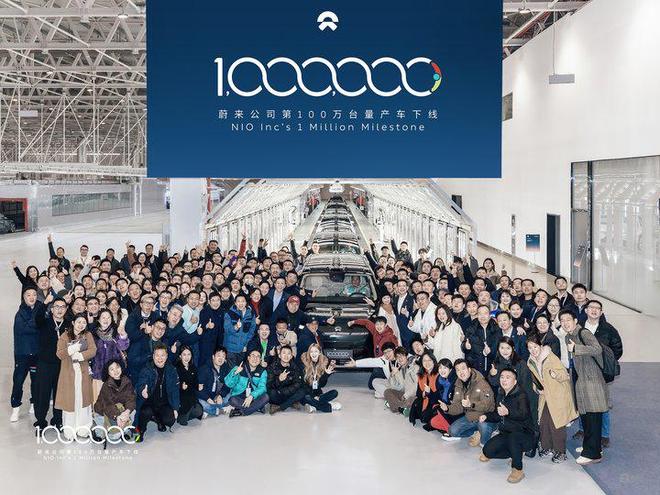
Core Insights - NIO has achieved a significant milestone by producing its one millionth vehicle, specifically the ES8, which symbolizes a turning point for the company and the electric vehicle market [2][3] - The ES8 has set new sales records in the high-end SUV segment, demonstrating a shift in consumer preferences from traditional luxury brands to electric vehicles [4][6] Group 1: Sales Performance - The new ES8 delivered 50,000 units within 120 days, achieving a monthly retail sales record of 22,258 units, surpassing previous records for vehicles priced over 400,000 yuan [3][4] - NIO's one million vehicles sold have an average price exceeding 300,000 yuan, indicating a strong brand premium compared to competitors who often rely on lower-priced models to reach similar sales figures [3][4] Group 2: Market Dynamics - A notable 62.4% of new ES8 orders come from customers replacing traditional luxury fuel vehicles, indicating a shift in consumer behavior towards electric vehicles [6] - The transition from fuel vehicles to electric vehicles is gaining momentum, with the market for large electric SUVs expected to grow significantly [7][8] Group 3: Competitive Landscape - NIO's success with the ES8 is causing traditional luxury brands, such as BMW and Mercedes-Benz, to reassess their market positions as they face increased competition from electric vehicles [6][12] - The company maintains a premium pricing strategy, which allows it to avoid engaging in price wars while still achieving high sales volumes [6][12] Group 4: Future Outlook - NIO aims to achieve a growth rate of 40% to 50% annually in the coming years, despite the challenges of maintaining brand loyalty and addressing consumer price sensitivity [14] - The company is under pressure to achieve profitability by 2026, as it navigates a complex multi-brand strategy and seeks to solidify its position in the high-end market [12][14][15]

纳德拉达沃斯发出警示:GDP增长将与“每美元每瓦特产生的算力”直接相关
Tai Mei Ti A P P· 2026-01-20 12:25
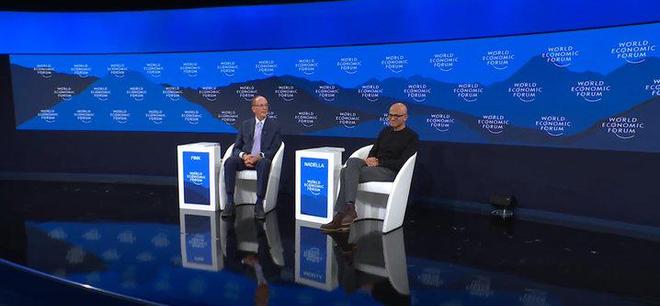
Group 1 - The core idea is that GDP growth in the future will be directly related to the computational power generated per dollar spent on energy [2][26] - Microsoft CEO Satya Nadella emphasized the importance of efficient computational power and its relationship with energy costs, stating that the pricing of computational power halves every three months [4][27] - Nadella highlighted that Europe must focus on leveraging its products to meet global demand rather than solely ensuring internal security, advocating for a combination of local development and global thinking [4][28] Group 2 - Nadella warned against the potential AI bubble, suggesting that AI's benefits must extend beyond the tech sector to industries like pharmaceuticals and finance to ensure sustainable growth [4][19] - Microsoft is not currently the most recognized "AI winner," as Nadella is rethinking the company's business model in the AI era, hiring experts to assist in this transition [5][24] - Large organizations face significant management challenges in adapting to AI, requiring a shift in leadership mindset and a reorganization of workflows to leverage AI effectively [6][21] Group 3 - The concept of "AI sovereignty" is crucial, with companies needing to embed their unique knowledge and proprietary data into their models to maintain control and prevent value loss [6][30] - Nadella believes that in a multi-model world, the competitive advantage lies in the ability to orchestrate various models and data to create unique AI capabilities [6][31] - The discussion highlighted the need for both private and public sector leadership to ensure the equitable diffusion of AI technology across different economies [14][17] Group 4 - Nadella pointed out that the current energy and computational power landscape is critical for economic growth, with a focus on reducing energy costs to enhance competitiveness [26][27] - The conversation addressed the disparities in AI adoption between developed and developing countries, noting that the commitment to using AI technology is becoming more uniform globally [25][26] - Nadella emphasized that the future of AI will not be dominated by a single model, but rather a diverse ecosystem of models that organizations can leverage for their specific needs [31][32]

是别针还是耳机?OpenAI首款AI硬件形态成谜
Tai Mei Ti A P P· 2026-01-20 08:53
图片来源:unsplash 当地时间1月19日,OpenAI首席全球事务官克里斯·莱恩(Chris Lehane)于瑞士举办的达沃斯论坛上表 示,设备是公司今年的重要规划之一,按照计划,有望在今年下半年推出首款产品。 不过,克里斯·莱恩并未针对设备的形态、细节或具体发布时间给出任何确定信息。 Axios首席技术记者伊纳·弗雷德(Ina Fried)在Axios House活动现场追问"是别针吗?""是耳戴设备 吗?",克里斯·莱恩均未置可否。 "大家可是在这里首次得知这一消息的,这款设备今年就要来了。"弗雷德进而确认道。 OpenAI首款AI硬件设备就要来了! "我没说它今年一定会来,我是说我们正按计划进行中。"莱恩依然谨慎回应称。 截图来自Axios House活动视频 在莱恩官宣之前,市场普遍预期OpenAI会在今年推出智能硬件设备。 去年5月,OpenAI以65亿美元收购了前苹果首席设计官乔纳森·伊夫(Jony Ive)的AI设备初创公司io, 彼时的一段宣传视频即暗示2026年会有新品面世,成为用户的"AI伙伴"。 此后,OpenAI首席执行官萨姆·阿尔特曼(Sam Altman)多次对这款备受市场关 ...
2026,物理AI的六大趋势:新物种大爆发,淘汰赛开启
Tai Mei Ti A P P· 2026-01-20 07:36
Core Viewpoint - The next wave of artificial intelligence (AI) will transition from virtual content generation to Physical AI, enabling autonomous completion of complex tasks in the real world by 2026 [1] Group 1: Trends in Physical AI - Trend 1: Robotaxi will move from regional trials to large-scale operations, driven by reduced costs of core hardware and supportive regulations in major markets [3][4] - Trend 2: The shipment volume of humanoid robots is expected to double, leading to a competitive landscape where companies lacking closed-loop evolution capabilities may face challenges [5][7] - Trend 3: AI Agents will evolve from simple Q&A bots to personal intelligent partners, increasing interaction with the real world and intensifying competition between terminal and application manufacturers [8][10] Group 2: Developments in Wearable and Cleaning Devices - Trend 4: A surge of innovative wearable devices will emerge, focusing on specific functions and seamless AI integration for health and interaction [11][13] - Trend 5: AI toys will enhance emotional companionship capabilities, moving away from mere conversation to empathetic interactions [14][15] - Trend 6: The cleaning appliance sector will see accelerated embodiment, with products gaining advanced capabilities to perceive and adapt to their environments [16][17]



蜂巢能源杨红新:2026,动力电池没有“容易的钱”
Tai Mei Ti A P P· 2026-01-20 01:20
Core Viewpoint - The main uncertainty for achieving profitability in 2026 for battery manufacturers stems from rising upstream raw material costs, which cannot be fully passed on to downstream customers, leading to significant challenges in profit margins [3]. Group 1: Raw Material Price Trends - The price of lithium carbonate has sharply increased from less than 60,000 yuan per ton in mid-2025 to over 130,000 yuan by the end of 2025, continuing to rise into 2026, with a cumulative increase of over 33,000 yuan per ton (over 25%) from early January 2026 [4]. - Phosphate iron lithium prices have experienced a dramatic decline of over 80% from 173,000 yuan per ton at the end of 2022 to 34,000 yuan in August 2025, leading to widespread losses in the industry [4]. Group 2: Cost Transmission Challenges - Battery manufacturers face difficulties in passing on rising costs to customers due to a potential slowdown in demand, with car manufacturers becoming less tolerant of cost increases [5]. - Key raw materials like lithium carbonate, copper, and hexafluorophosphate can be smoothly transmitted to downstream customers due to established price linkage agreements, while costs for non-bulk materials like separators and graphite must be absorbed by battery manufacturers [6]. Group 3: Export Tax Policy Changes - The export tax rebate for battery products will be reduced from 9% to 6% starting April 2026, with a complete cancellation planned for January 2027, significantly impacting profit margins for battery manufacturers relying on cost advantages for exports [7][8]. - Companies must navigate two strategies: negotiating price increases with overseas customers and pursuing localized production to mitigate the impact of reduced export rebates [8]. Group 4: Solid-State Battery Development - Despite being seen as a critical year for solid-state battery commercialization, industry experts express skepticism about the feasibility of large-scale production within the next 5 to 8 years due to significant technical challenges [10][11]. - Current industry focus should prioritize improving existing battery performance and safety rather than chasing the uncertain future of solid-state technology [11]. Group 5: Emerging Market Opportunities - The demand for unmanned delivery logistics vehicles is expected to surge, driven by the need to reduce logistics costs and comply with urban regulations [12]. - Southeast Asia's electric two- and three-wheeler market presents a significant growth opportunity, requiring high-performance batteries tailored to local conditions [12]. - The global electric tool market is projected to grow steadily at around 20% annually, providing a stable supplementary business for battery manufacturers [12]. Group 6: Strategic Industry Outlook - The battery industry in 2026 faces complex challenges, requiring companies to balance cost absorption with finding new revenue streams in international markets [13]. - Future winners in the industry will likely be those who can strategically navigate cost pressures and identify profitable opportunities rather than simply focusing on scale [13].

印度储能电池新增容量或增长十倍;谷歌宣布与沃尔玛提升Gemini AI购物功能;TikTok Shop东南亚跨境电商发布2026核心战略|一周出海参考
Tai Mei Ti A P P· 2026-01-19 10:57
Group 1 - Cambodia will implement a four-month visa exemption trial for Chinese citizens from June 15 to October 15, 2026, allowing a maximum stay of 14 days without visa fees [1] - Cambodia is reducing import tariffs on various goods to zero, including live poultry, computers, and laboratory instruments, to support agriculture, technology, and education [1] - Significant tax reductions on consumer goods such as sanitary napkins, diapers, and kitchen appliances, with tariffs dropping from 15% to 7%, and luxury car tariffs reduced from 35% to 7% [1] Group 2 - India is expected to see a tenfold increase in battery storage capacity, reaching approximately 5 GWh by 2026, driven by numerous approved projects [3] - The total capacity of ongoing projects in India has increased by 84% to 224 GWh, laying the groundwork for large-scale production in 2026 [3] Group 3 - The second phase of the cross-border energy agreement among Laos, Thailand, Malaysia, and Singapore has been signed, increasing the total capacity for cross-border electricity trading from 100 MW to a maximum of 200 MW [4] Group 4 - TikTok Shop Southeast Asia reported a more than 100% increase in annual GMV for 2025 compared to 2024, with daily GMV rising by 90% year-on-year [6] - The platform's strategic focus for 2026 includes driving high-quality growth and building a sustainable ecosystem, with initiatives to support top merchants and enhance logistics [7] Group 5 - Amazon has raised the on-time shipping compliance rate requirement for suppliers from 90% to 95%, with adjustments to compliance assessment methods [8] - Temu has introduced stricter penalties for store violations, including a "joint liability" mechanism affecting all stores owned by a merchant if one is rated poorly [9] Group 6 - Shopee plans to increase commission rates for various categories, with automotive parts rising from 7% to 12% and electronics from 5% to 12% starting February 2026 [11] - eBay will adjust fees for UK sellers, increasing the transaction service fee for orders over £10 from 30 pence to 40 pence starting February 12, 2026 [12] Group 7 - China's cross-border e-commerce imports and exports are projected to reach 2.75 trillion yuan by 2025, a 69.7% increase from 2020 [13] - The export scale of high-tech products, including electric vehicles and solar products, is expected to reach nearly 1.3 trillion yuan by 2025, growing 3.5 times since 2020 [13][14] Group 8 - Cainiao plans to expand its overseas warehouse network in Europe, North America, and Asia-Pacific, with a 32% year-on-year increase in order processing volume in 2025 [15] - Best's express network in Vietnam has officially launched, focusing on logistics services for e-commerce and B2B clients [16] Group 9 - The U.S. will impose a 10% tariff on goods from eight European countries starting February 1, 2026, increasing to 25% by June 1, 2026 [18] - The EU is considering retaliatory tariffs on $108 billion worth of U.S. goods in response to the U.S. tariff announcement [19] - Canada has reduced tariffs on Chinese electric vehicles from 100% to 6.1% under a new import quota system [20]