Investopedia

Search documents
Big Tech Earnings Live: Meta and Tesla Shares Surge on Strong Results; Microsoft Drops as Cloud Revenue Growth Slows
Investopedia· 2026-01-29 01:01
Microsoft - Microsoft’s stock decline is attributed to slowing revenue growth from its Azure cloud platform and concerns over backlog concentration, particularly its reliance on a significant deal with OpenAI [1][2] - The company’s remaining performance obligations, or backlog, is currently $625 billion, more than double from a year ago, with approximately 45% tied to OpenAI [2] - Despite these concerns, analysts believe Microsoft can monetize AI effectively due to its diverse business segments, including applications, security, and infrastructure [3] - Microsoft reported $81.3 billion in revenue for its fiscal second quarter, with adjusted earnings per share of $4.14, exceeding analyst expectations [21] - Intelligent Cloud revenue, which includes Azure, reached $32.9 billion, surpassing the consensus estimate of $32.39 billion [21] - Capital expenditures for Microsoft were $37.5 billion, higher than the expected $34.3 billion, with a significant portion allocated to short-lived assets like GPUs and CPUs [18] Meta - Meta's anticipated capital expenditures for 2026 are projected to be between $115 billion and $135 billion, significantly higher than last year's $72.22 billion and above analysts' expectations of $110 billion [13][14] - The increase in spending is primarily driven by investments in AI initiatives, particularly the Meta Superintelligence Labs [14] - Meta reported fourth-quarter earnings of $8.88 per share, with a 24% year-over-year revenue increase to a record $59.89 billion, driven by a surge in ad revenues [15] - The company expects first-quarter revenue between $53.5 billion and $56.5 billion, exceeding analyst projections [15] Tesla - Tesla's stock rose after reporting quarterly revenue of $25.71 billion, surpassing the consensus expectation of $25.12 billion, with net income at 60 cents per share [17] - The company did not provide a detailed outlook for vehicle sales, focusing instead on maximizing factory capacity utilization [12] - Tesla confirmed plans to unveil a new Optimus robot in the first quarter of 2026, with production expected to start in the same year [10]




Elon Musk's Latest Big Move: Tesla Won't Make Two of Its Car Models Anymore
Investopedia· 2026-01-29 00:55
Core Insights - Elon Musk aims to position Tesla as a multifaceted company beyond just automotive manufacturing, indicating a strategic shift towards broader technological and energy solutions [1] Group 1: Company Strategy - Tesla is focusing on expanding its identity to include energy products and services, which aligns with Musk's vision of a sustainable future [1] - The company is likely to leverage its existing technology and infrastructure to diversify its offerings, potentially increasing its market share in various sectors [1] Group 2: Market Position - By redefining its brand, Tesla seeks to attract a wider range of investors who are interested in technology and sustainability, not just automotive performance [1] - This strategic repositioning could enhance Tesla's competitive edge in the rapidly evolving electric vehicle and renewable energy markets [1]
Here's How Much Traders Expect Apple Stock to Move After Earnings Thursday
Investopedia· 2026-01-29 00:55
Core Insights - Apple is expected to report its fiscal first-quarter earnings, with traders anticipating a significant stock movement of about 4% in either direction following the results [1][6] - Current stock price is approximately 11% below early December highs, influenced by positive signals in the global smartphone market and demand for the iPhone 17 [2] - Analysts predict record revenue of $138.11 billion and earnings per share of $2.67, both reflecting an 11% year-over-year increase [4] Market Expectations - Strong iPhone sales during the holiday season could positively impact Apple's stock performance, with many investors looking for updates on Apple's AI initiatives [3] - Analysts from JPMorgan, UBS, and Morgan Stanley express concerns about potential margin impacts due to an ongoing memory chip shortage, although they believe the effect on Apple may be limited [4] Analyst Sentiment - Wall Street analysts show a bullish outlook on Apple's stock, with four out of eight analysts recommending a buy, three neutral, and one sell [5] - The average price target for Apple is around $291, suggesting a 14% upside from the current stock level [5]


Intel's Stock Soars as Client Rumors Swirl: Could Nvidia and Apple Deals Be on the Way?
Investopedia· 2026-01-28 22:01
Core Insights - Intel's stock surged by 11% on Wednesday, reflecting a broader rally in chip and AI-related stocks, with shares gaining nearly a third of their value in 2026 so far [1][1][1] - Reports suggest that Nvidia and Apple are considering shifting some of their 2028 chip production to Intel, which could signify new client acquisitions for Intel's manufacturing business [1][1][1] Intel's Position - The potential deals with Nvidia and Apple would mark a significant advancement for Intel, which has faced challenges in attracting new customers for its manufacturing services [1][1] - Intel's CEO mentioned ongoing engagement with prospective customers evaluating its manufacturing processes, although it remains unclear if these include Nvidia and Apple [1][1] Market Context - The report from DigiTimes indicates that U.S. manufacturing mandates and tariff pressures may favor Intel in securing these contracts [1][1] - TSMC, the world's largest chip manufacturer, may view the anticipated order diversions to Intel as more of an opportunity than a threat, potentially easing regulatory scrutiny and U.S. political pressure [1][1]


Carvana Stock Plummeted Today, Erasing Its 2026 Gains. Here's Why.
Investopedia· 2026-01-28 21:40
Core Insights - Carvana's stock experienced a significant decline of 20% following allegations from Gotham City Research, which accused the company of inflating profits to mislead investors and benefit its largest shareholder [1][1][1] Group 1: Stock Performance - Carvana's stock surged 10,000% over the past three years due to a turnaround effort, which is now being questioned by short sellers [1][1] - The stock fell 15% on Wednesday, erasing year-to-date gains and approaching its lowest price since early December [1][1] - Despite the recent slump, Carvana shares have increased approximately 10,000% since hitting an all-time low in December 2022 [1][1] Group 2: Allegations and Accusations - Gotham City Research claims Carvana overstated its profits by $1 billion for the years 2023 and 2024, while the company reported a total net income of about $550 million for those years [1][1] - The report echoes previous accusations from Hindenburg Research and Jim Chanos regarding Carvana's accounting practices [1][1] - Allegations suggest that Carvana inflated profits through dealings with companies owned by Ernest Garcia II, its largest shareholder [1][1] Group 3: Company Background and Developments - Carvana faced a dramatic decline in value between 2021 and late 2022 before initiating a turnaround in 2023, which included cost cuts and a deal with creditors [1][1] - The company's recent addition to the S&P 500 marked a significant milestone in its recovery efforts [1][1]


Gold Broke Past $5,300. The Hot Haven Asset is the Dollar's 'Biggest Challenger.
Investopedia· 2026-01-28 19:40
Key Takeaways "The dollar's supremacy is cracking," Nigel Green, founder of financial advisory firm deVere Group, wrote Wednesday morning. "When leaders and policymakers appear unconcerned about sharp declines, traders assume volatility will persist." Some dollar watchers are now looking toward what Fed Chair Jerome Powell might say about the dollar later today after the central bank's latest interest-rate decision. Over the longer term, many strategists expect gold prices to continue climbing, and weakness ...

AI Stocks Pick Up Steam—and the Nasdaq Tests Records—Ahead of Big Tech Earnings
Investopedia· 2026-01-28 18:41
The Nasdaq jumped 0.7% at the open to trade at 23,986, its highest price since early November. (The index was about flat in recent trading.) Its last record closing high—23,958.47—came on Oct. 29, right before earnings reports from tech giants amplified the debate on Wall Street about an AI bubble, dragging on tech stocks. Why are we back here? Because this year, investors have put those concerns aside to focus on the booming businesses of the companies supplying the technology that enables AI. Why This Is ...
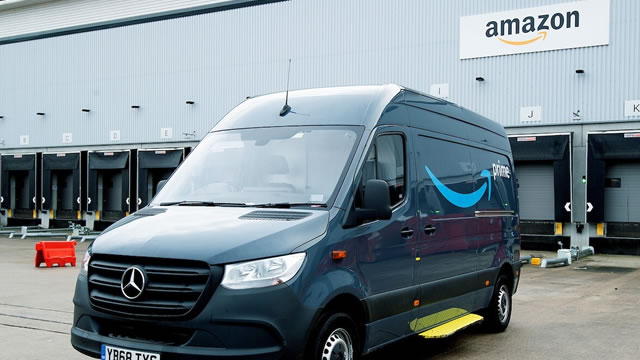
Amazon Is Laying Off 16,000 Workers, in Latest Round of Cuts
Investopedia· 2026-01-28 18:41
-- Amazon Is Laying Off 16,000 Workers, in Latest Round of Cuts [Stocks Little Changed Ahead of Fed Decision, Tech Earnings][What to Expect from Fed Meeting][How Much Traders Expect Tesla to Move After Earnings][How One Stock Shaved 422 Points Off the Dow Tuesday]- Top StoriesThe latest layoffs come after Amazon cut 14,000 roles in October.Matthias Balk / Picture Alliance / Getty ImagesClose### Key Takeaways- Many of Amazon's big tech peers have also laid off workers recently.- Amazon said Wednesday it is l ...

Here's How Much Traders Expect Tesla Stock to Move After Earnings
Investopedia· 2026-01-28 18:41
-- Here's How Much Traders Expect Tesla Stock to Move After Earnings [Stocks Little Changed Ahead of Fed Decision, Tech Earnings][What to Expect from Fed Meeting][How One Stock Shaved 422 Points Off the Dow Tuesday][Nvidia's Plans to Sell More Chips in China Just Cleared a Major Hurdle]- Top StoriesTesla shares hit a record high last month, even as its vehicle sales have declined, as investors focus on the company's advances in AI, self-driving cars, and robotics.David Paul Morris / Bloomberg / Getty Images ...

Starbucks Stock Is Getting Another Lift Wednesday—The Next Catalyst Could Come Tomorrow
Investopedia· 2026-01-28 17:46
Core Insights - Starbucks shares experienced a rise following the release of its latest financial results, indicating positive momentum in its turnaround strategy [1][1] - The company reported a 4% year-over-year increase in global and North American comparable-store sales for the fiscal first quarter, along with a 3% rise in transactions, signaling effective customer engagement [1][1] - An upcoming Investor Day event is expected to unveil Starbucks' long-term growth strategy, which may further influence investor sentiment [1][1] Financial Performance - Starbucks reported a 4% increase in comparable-store sales year-over-year for the fiscal first quarter ending December 28 [1][1] - Transactions also rose by 3%, indicating a successful implementation of the "Back to Starbucks" initiative aimed at increasing foot traffic in cafes [1][1] - The stock has outperformed the S&P 500 this year and is currently trading above $100, a significant recovery from its 12-month lows in the $70s [1][1] Strategic Vision - CEO Brian Niccol emphasized the company's commitment to becoming the world's greatest customer service company and enhancing its brand visibility and relevance [1][1] - The company aims to provide the best job in retail and position itself as a community coffee house while focusing on global growth and shareholder value [1][1] - The upcoming Investor Day is anticipated to provide further insights into the company's long-term growth strategy [1][1]