The Guardian

Search documents
Mining firms Rio Tinto and Glencore restart $260bn merger talks
The Guardian· 2026-01-09 08:09
Core Viewpoint - Rio Tinto and Glencore have resumed merger discussions that could create the world's largest mining company with an enterprise value exceeding $260 billion [1][2]. Company Overview - Rio Tinto has an enterprise value of $162 billion and employs around 60,000 people across 35 countries [2]. - Glencore, established in the 1970s, operates in over 30 countries with a workforce of approximately 150,000 [2]. Merger Details - The current expectation is that the merger would involve Rio Tinto acquiring Glencore through a court-sanctioned scheme of arrangement [3]. - There is no certainty regarding the offer or its terms at this stage [3]. Market Context - The merger talks follow a $53 billion merger between Anglo American and Teck, highlighting ongoing consolidation in the natural resources sector [3][4]. - Copper prices recently reached an all-time high of over $13,300 per tonne, with predictions of a potential supply shortfall of up to 10 million tonnes by 2040 [4]. Strategic Implications - A full merger would position the combined entity as a leader in various industrial metals, including iron ore and transition metals critical for technology production [5]. - Glencore aims to become the largest copper producer globally, currently ranking as the sixth-largest [5]. Previous Negotiations - Previous merger talks in 2024 failed due to disagreements over valuation, management structure, and the future of Glencore's coal operations [6]. - Glencore has restructured its business to separate its coal operations into a distinct Australian entity, while Rio Tinto divested its last coal mine in 2018 [6]. Political and Market Dynamics - The political climate towards fossil fuels has shifted, with notable figures advocating for increased fossil fuel production [7]. - Rio Tinto's new CEO, Simon Trott, took over in August, potentially influencing the company's strategic direction [7]. Financial Market Reactions - Under UK takeover rules, Rio Tinto has until February 5 to make a formal offer for Glencore or withdraw from negotiations [9]. - Following the news, Rio's shares fell by 6% in Australia and 2.5% in London, while Glencore's shares rose nearly 10% [9].


General Motors reports $7bn earnings loss after pulling back from EVs
The Guardian· 2026-01-08 22:12
Core Viewpoint - General Motors will incur a one-time earnings hit of $7.1 billion in its quarterly financial results primarily due to its pullback from electric vehicles (EVs) in response to changing US policies [1][2] Financial Impact - The fourth-quarter results will be negatively impacted by $6 billion in charges related to reversals on EV investments and an additional $1.1 billion in costs associated with restructuring its China operations [1][4] - This follows a $1.6 billion write-down in the third quarter due to shifts away from EVs after a significant policy reversal under former President Donald Trump [2] Strategic Adjustments - GM's CEO, Mary Barra, had previously invested heavily in EV capacity, aiming for emissions-free cars and trucks by 2035, but is now adjusting investments based on consumer demand [3] - The company noted a slowdown in industry-wide consumer demand for EVs in North America starting in 2025, attributed to the termination of certain consumer tax incentives and less stringent emissions regulations [4] Industry Context - GM's profit warning coincides with Ford's announcement of a $19.5 billion write-off over several years due to similar policy shifts affecting the EV market [2]


Trump plans to use Venezuela's huge crude reserves ‘to cut US oil price to $50 a barrel'
The Guardian· 2026-01-08 12:00
Group 1: Trump's Oil Strategy - The Trump administration plans to leverage Venezuela's vast crude reserves to control a significant portion of the western hemisphere's oil market, aiming to reduce oil prices to approximately $50 per barrel [1][2][4] - The U.S. has laid claim to 50 million barrels of Venezuelan crude, which is currently blockaded, and intends to control its sales indefinitely [4][6] - Venezuela's oil, which is stranded in tankers and storage, could be valued at up to $3 billion once sold, with proceeds intended to benefit the Venezuelan people [5] Group 2: Production and Market Impact - If Venezuela's oil output can be increased from 1 million barrels per day (bpd) to its previous highs of about 3 million bpd, it would significantly enhance U.S. domestic production to around 14 million bpd, representing one-third of OPEC+ output [7] - The global oil market has faced significant losses, with prices dropping nearly 20% in 2025, marking the largest annual loss since the COVID-19 pandemic [3] Group 3: Industry Response and Investment Concerns - U.S. oil companies, including Chevron, ExxonMobil, and ConocoPhillips, are reportedly hesitant to invest in Venezuela due to concerns over political stability and the need for serious guarantees from the Trump administration [8][9] - Trump has suggested that U.S. oil companies could be reimbursed for investments in Venezuela, but executives are cautious about entering the market without assurances [9]
Trump says he plans crackdown on defense firms over executive pay and stock buybacks
The Guardian· 2026-01-07 21:06
Group 1: Executive Compensation and Shareholder Payouts - The US President plans to impose restrictions on executive compensation and shareholder payouts at military defense contractors, specifically capping executive pay at $5 million until delivery issues are resolved [2][4][7] - In fiscal year 2024, top executives at major defense firms received significant compensation, with Lockheed Martin and General Dynamics CEOs earning over $23.7 million each, RTX CEO over $18 million, and Northrop Grumman CEO over $24.3 million [4] Group 2: Military Budget and Spending - The military budget is proposed to increase to $1.5 trillion by 2027, building on a recent authorization of $901 billion for the current fiscal year [5][6] - The President emphasizes the need for a "Dream Military" to ensure national security, linking increased spending to the urgency of military equipment production [6] Group 3: Defense Contractors' Performance - The President criticized defense contractors for not delivering vital equipment quickly enough, stating that their focus on dividends and stock buybacks is detrimental to military readiness [2][4][7] - Raytheon, owned by RTX, has been specifically called out for being the least responsive to Pentagon needs and for prioritizing shareholder returns over military demands [7][8]


Trump says administration will ban big investors from buying single-family homes
The Guardian· 2026-01-07 19:14
Group 1 - The Trump administration is moving to ban large institutional investors from purchasing single-family homes to help reduce home prices [1][4] - The median sale price of homes in the US was reported at $410,800 last year, reflecting the impact of inflation and housing market dynamics [2] - Trump emphasized that home ownership is a key aspect of the American Dream, which is becoming increasingly unattainable for many, particularly younger Americans, due to record high inflation [3] Group 2 - The president plans to ask Congress to codify the ban on institutional investors and will discuss additional housing proposals at the World Economic Forum [1][4] - Concerns about affordability and living costs have been central to Trump's campaign for the 2024 presidential election, as inflation remains above typical levels [2]


Warner Bros Discovery tells investors to reject latest $108bn hostile Paramount bid
The Guardian· 2026-01-07 12:35
Core Viewpoint - Warner Bros Discovery (WBD) has urged shareholders to reject a $108.4 billion hostile takeover bid from Paramount Skydance, labeling it as "inadequate" amid a fierce corporate battle for control of the media conglomerate [1][4]. Group 1: Takeover Bid Details - Paramount Skydance's bid is characterized as the "largest LBO in history," which poses significant risks to WBD shareholders if the offer fails [5]. - The revised offer from Paramount includes a termination fee of $5.8 billion, which matches the breakup fee WBD would incur if it exits its $82.7 billion deal with Netflix [5]. Group 2: Financial Guarantees and Flexibility - Larry Ellison, co-founder of Oracle, has provided a personal guarantee exceeding $40 billion to support Paramount's bid, addressing WBD's concerns regarding financial flexibility [2]. - WBD's board has expressed skepticism about Paramount's ability to complete the offer, citing insufficient value and uncertainty [4]. Group 3: Regulatory Scrutiny - Both the Netflix deal and Paramount's bid for WBD are anticipated to face significant regulatory scrutiny, with concerns raised by lawmakers and industry figures [6]. Group 4: Support for Netflix Deal - Co-CEOs of Netflix, Ted Sarandos and Greg Peters, reaffirmed their support for the merger with WBD, emphasizing it as the superior proposal that would benefit stockholders and the broader entertainment industry [7]. - The merger is expected to combine complementary strengths and enhance storytelling opportunities for audiences [8].



US energy stocks rise as Trump vows to unlock Venezuela's oil
The Guardian· 2026-01-05 15:00
Group 1: US Energy Stocks - US energy stocks experienced a rise, with Chevron shares increasing by 5%, Exxon Mobil by 2.3%, and Halliburton by 9.7% following Trump's promise to unlock Venezuela's oil reserves [1] - The political situation in Venezuela has led to a rally in the Venezuelan bond market, with bonds maturing in 2027 rising from 31.5p to over 40p on the dollar [9][10] Group 2: Oil Prices - Oil prices increased, with Brent crude rising by 1.5% to $61.64 per barrel and West Texas Intermediate up by 1.4% to $57.98 [2] - The potential for increased Venezuelan oil production could lead to a supply glut, as Trump indicated that US companies would invest billions to repair the oil infrastructure [3] Group 3: Investment Opportunities - A former Chevron executive is raising $2 billion for Venezuelan oil projects, indicating a readiness to invest in the country's oil sector [4][5] - The investments needed for Venezuela's oil industry include upgrading infrastructure, drilling new wells, and building refineries, which could take until 2030 or beyond to fully realize [6] Group 4: Market Reactions - The geopolitical upheaval has not prompted Opec+ to change its production strategy, maintaining a pause on production increases until at least April [11] - Precious metals like gold and silver saw price increases, with gold rising by 2% to $4,430.27 per ounce and silver by 3.9% to $75.42 per ounce, reflecting a traditional safe haven response to uncertainty [12]


What role could the US play in Venezuela's ‘bust' oil industry?
The Guardian· 2026-01-04 11:56
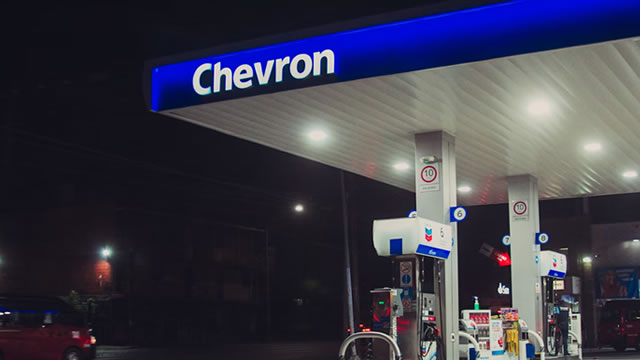
Core Insights - The Venezuelan oil industry has been significantly underperforming, with Donald Trump asserting that it has been "a total bust" for a long time, and he aims to take control of it with the support of major US oil companies [1] - Venezuela is believed to possess the largest oil reserves globally, estimated at around 300 billion barrels, which could represent about 17% of the world's total reserves [2] - The country's oil production has drastically declined from approximately 3.5 million barrels per day in 1999 to about 1 million barrels per day currently, highlighting severe operational challenges [3][4] US Oil Companies' Involvement - Trump has indicated that large US oil companies, such as Exxon Mobil and ConocoPhillips, could invest billions to repair Venezuela's oil infrastructure, which has suffered from neglect and corruption [5] - While these companies have not yet committed to the investment plans, there is speculation that prior agreements may exist between the US government and these firms [6] - US oil companies could potentially partner with Venezuela's state oil company, PDVSA, to develop oil production in exchange for profit-sharing, given PDVSA's dire financial situation [6] Impact on Venezuela's Oil Customers - Approximately 80% of Venezuela's crude oil is exported to China, which has provided significant financial support to Venezuela, estimated at $105 billion between 2007 and 2016 [8] - Control over Venezuela's oil industry by the US could lead to a shift in repayment dynamics, affecting China's access to low-cost energy [9] - Future oil shipments to China from US companies may be priced closer to market rates, impacting China's energy procurement strategy [11] Market Implications - Experts suggest that the recent developments are unlikely to have an immediate and lasting impact on crude oil prices, although volatility is expected as traders assess the implications of potential changes in US sanctions against Venezuelan oil [12] - A significant recovery in Venezuela's oil production to previous levels could take years and require substantial investment, estimated in the tens of billions of dollars, along with a long-term commitment from Western oil majors [13]

China's BYD overtakes Tesla as world's biggest electric car seller
The Guardian· 2026-01-02 15:09
Core Insights - BYD has overtaken Tesla as the world's largest electric carmaker in 2025, selling 2.26 million battery electric cars compared to Tesla's 1.63 million deliveries [1][11] - This shift signifies the rise of Chinese automotive companies in the global market, with BYD leading the charge alongside competitors like SAIC and Chery [2] Sales Performance - Tesla's sales declined by 9% in 2025 compared to 2024, with a total of 418,200 deliveries in the final quarter, falling short of analyst expectations [6][9] - BYD's overall car sales reached 4.55 million in 2025, although sales of plug-in hybrids decreased by 8% year-on-year to 2.29 million [12] Market Dynamics - The growth rate of electric car sales has slowed, prompting manufacturers to cut prices aggressively, while governments have rolled back targets for transitioning away from petrol vehicles [3] - Tesla's sales slump is attributed to the withdrawal of EV subsidies and emissions regulations under the Trump administration, as well as a backlash from consumers due to Musk's political stance [4][8] Competitive Landscape - Despite declining sales, Tesla remains the most valuable carmaker globally, with a market valuation of $1.4 trillion, surpassing the combined value of the next 30 car manufacturers [9] - BYD's sales of commercial vehicles, including electric buses and trucks, more than doubled to 57,000 units, indicating a diversification in its product offerings [12] - BYD has introduced advanced technology, such as the "God's Eye" feature, which is now available even on its lower-priced models, enhancing its competitive edge [10]


Apple reportedly cuts production of Vision Pro headset after poor sales
The Guardian· 2026-01-01 15:07
Core Insights - Apple has reportedly reduced production of the Vision Pro headset due to poor sales, cutting marketing efforts by over 95% last year [1][2] - Analysts indicate sluggish sales for the Vision Pro, with IDC estimating only 45,000 units sold in the last quarter of the previous year [2][3] - The Vision Pro's challenges echo the failure of Google Glass, with users facing social stigma and limited appeal [3][8] Sales and Market Performance - The Vision Pro headset is priced at £3,199 ($3,499), contributing to its sluggish sales performance [2] - Apple has not expanded direct sales beyond 13 countries, limiting its market reach [3] - Counterpoint Research predicts a 14% reduction in annual sales of virtual reality headsets, indicating a broader market trend [3] Product Development and Strategy - Apple is expected to release a cheaper version of the Vision Pro later this year, shifting focus towards AI-enabled devices [4][5] - Reports suggest Apple has paused its next iteration of virtual reality in favor of wearable AI devices [5][6] - Meta is also shifting investments from the metaverse towards AI glasses, indicating a trend among tech firms [5][6] User Experience and Market Reception - Initial consumer reception of the Vision Pro has been negative, with complaints about its weight, comfort, and perceived gimmickry [7][8] - The limited number of apps available for Vision Pro, reported at 3,000, is significantly lower compared to the app proliferation seen after the iPhone launch [9] - Analysts attribute the Vision Pro's lack of broad sales to its high cost, form factor, and insufficient native apps [8]