The Motley Fool

Search documents
Up 948%, Should You Buy Sandisk Right Now?
The Motley Fool· 2026-01-13 22:45
Core Viewpoint - Sandisk has experienced a remarkable stock increase of 948% since its spin-off from Western Digital, driven by strong demand for flash storage products due to AI applications [1][2]. Company Overview - Sandisk specializes in flash storage products, including SSDs, memory cards, flash drives, and embedded memory chips, catering to data centers, consumer devices, and edge devices [3]. - The company reports that demand for its storage products is outpacing supply, largely due to the growing need for storage driven by AI proliferation [3]. Financial Performance - In Q1 of fiscal 2026, revenue from edge devices like PCs and smartphones rose by 30% year-over-year, contributing 60% to Sandisk's total revenue [4]. - The company anticipates a low single-digit percentage increase in PC shipments and a mid-single-digit increase in storage capacity per PC, with potential for stronger growth due to AI-capable PCs requiring higher storage [5]. Market Dynamics - The smartphone market is also expected to see a high single-digit improvement in storage capacities due to on-device AI capabilities [7]. - Demand for SSDs in data centers is increasing significantly to support AI workloads, attributed to their superior performance and efficiency [7]. Strategic Engagements - Sandisk is actively engaging with five major hyperscale customers in the data center segment, with its SSD products currently in the qualification stage at several hyperscalers [8]. - The data center segment, which accounted for 11% of Sandisk's revenue in Q1, is projected to grow significantly as AI infrastructure builds out [9]. Pricing Environment - Supply constraints in the SSD market have led to increased prices for flash storage memory, with expectations of a double-digit price increase sequentially in Q2 [10]. - TrendForce forecasts a 33% to 38% increase in flash memory prices in Q1 2026, indicating a favorable pricing environment for Sandisk [11]. Valuation Metrics - Sandisk's stock is currently trading at 7 times sales, below the U.S. technology sector average of 8.7 [13]. - Earnings are projected to grow by 344% this year, followed by a 67% increase in the next fiscal year, suggesting a strong growth trajectory [13][14]. - The forward earnings multiple for Sandisk is 28, slightly above the Nasdaq-100 index's multiple of 26, indicating potential for premium valuation in the future [14].


How Lemonade Stock Gained 120% in 2025
The Motley Fool· 2026-01-13 22:30
Core Viewpoint - Lemonade's stock has seen a significant increase, rising 120.4% in 2025, indicating a positive shift in Wall Street's perception of the AI-driven insurance company [1][2]. Group 1: Stock Performance - Lemonade's shares rose 120.4% in 2025 and gained an additional 12% in the first 13 days of January, reaching prices not seen since July 2021 [1][2]. - The current stock price is $81.45, with a market capitalization of $6.5 billion [3]. Group 2: Financial Metrics - Lemonade has consistently exceeded Wall Street's expectations in quarterly reports, with three of the last four bottom-line surprises ranging from 25% to 31% better than anticipated [3]. - The gross loss ratio improved to 67%, down from 88% two years prior, indicating better claims management [5]. - The company now retains 33% of incoming insurance premiums after settling claims, up from 12% [6]. Group 3: AI and Business Model - Lemonade's AI systems have become effective in making decisions regarding sign-ups, pricing, and claims without human intervention [4]. - The evolving AI technology is contributing positively to Lemonade's financial results, with expectations of potential profitability and free cash flow in the next two to three years if improvements continue [6]. Group 4: Market Position and Future Prospects - Lemonade is targeting a trillion-dollar market dominated by traditional insurance companies, suggesting significant growth potential [7]. - The company is seen as a disruptor in the insurance industry, attracting customers from established giants [8].


Erasca Insider Sells $671K as Stock Jumps 189% This Past Year
The Motley Fool· 2026-01-13 19:53
Core Insights - The insider at Erasca, Garner Ebun, significantly reduced their direct equity stake by selling 120,000 shares for approximately $670,812, as reported in an SEC filing [1][2] Transaction Summary - The transaction involved the sale of 120,000 shares at a total value of $670,800, with a post-transaction direct common stock holding of 25,076 shares valued at $129,600 [2] - The shares were sold at a weighted average purchase price of $5.59, with the market closing at the same price on January 7, 2026 [2] Company Overview - Erasca's stock price was $5.59 as of January 7, 2026, with a market capitalization of $1.77 billion and a net income of -$127.7 million over the trailing twelve months [4] - The company experienced a 1-year price change of 189.77% [4] Transaction Context - The transaction was executed through an options exercise, with no gifts or indirect transfers involved [6] - The insider's direct common stock holdings decreased by 82.72%, from 145,076 to 25,076 shares [6] - The insider retains 360,000 options outstanding, indicating potential for further exercises and sales [6] Market Context - The sale occurred during a period of significant stock appreciation, with the stock price reflecting a substantial increase over the year [6] Company Operations - Erasca focuses on developing clinical-stage therapies targeting RAS/MAPK pathway-driven cancers, with lead candidates including ERAS-007, ERAS-601, and ERAS-801 [7][8] - The company operates a research-driven business model aimed at drug discovery, clinical development, and commercialization of oncology therapeutics [7] Financial Health - Erasca reported a cash balance of $362 million, expected to fund operations into the second half of 2028, with quarterly net losses narrowing year over year [10] Investor Implications - The insider's sale, while significant, is tied to a Rule 10b5-1 plan and does not detract from the company's core thesis; key factors to monitor include upcoming Phase 1 data and the durability of the balance sheet [9][11]


Which Search Giant Is Poised for Explosive Growth in the Next 10 Years?
The Motley Fool· 2026-01-13 10:02
Core Business Performance - Alphabet's total revenue for the third quarter rose 16% year over year to $102.3 billion, driven by strength across multiple business segments [3] - The core "Google Search and other" revenue increased by approximately 15% year over year to $56.6 billion, allowing the company to invest confidently across all segments [4] - Google Services revenue, which includes search, YouTube, Google Network, and subscriptions, rose 14% to $87.1 billion, indicating a strong cash flow from core operations [7] Growth in Other Segments - YouTube advertising revenue grew by 15% to $10.3 billion, contributing to overall revenue growth [5] - Revenue from Google subscriptions, platforms, and devices increased by 21% to $12.9 billion, highlighting the diversification of revenue streams [5] - Google Cloud revenue surged 34% year over year to $15.2 billion, with a backlog of $155 billion, suggesting continued strong growth potential [9] Cloud Business and Future Outlook - The capital-intensive nature of cloud computing, especially in the context of rising AI demand, poses both opportunities and risks for Alphabet [10][12] - The company plans to increase capital expenditures for 2025 to between $91 billion and $93 billion, up from a previous forecast of $85 billion, to meet customer demand [10] - If cloud momentum remains strong, Alphabet is positioned to outperform the market over the next decade, supported by its durable core business and fast-growing cloud platform [13][14]


Live Oak Bancshares CEO Lobbed Up 10,000 Shares For Sale in December
The Motley Fool· 2026-01-13 09:55
Core Insights - The CEO of Live Oak Bancshares, James S. Mahan III, sold 10,000 shares on December 10, 2025, amid disappointing stock performance [1][8] - The transaction was valued at approximately $343,300, based on a weighted average sale price of $34.33 per share [2] - Following the sale, Mahan retains over 3 million shares through indirect holdings, indicating a preference for indirect equity exposure [6] Company Overview - Live Oak Bancshares reported a total revenue of $434.21 million and a net income of $68.61 million for the trailing twelve months (TTM) [4] - The company has a dividend yield of 0.33% and experienced a 1-year price change of -1.71% as of January 12, 2025 [4] - The bank operates as a regional bank holding company, providing a range of commercial banking products and services, including loans and wealth management [7] Transaction Significance - Mahan's recent sale represents only 0.32% of his total indirect holdings, with no direct ownership remaining [6] - The sales were executed under a Rule 10b5-1 trading plan, indicating they were pre-planned rather than reactive to market conditions [8] - Investors are advised to monitor the upcoming Q4 FY 2025 earnings report, scheduled for January 21, 2026, to assess the company's financial trajectory [9]


Prediction: 1 Unstoppable Stock That Will Make Investors Money in 2026
The Motley Fool· 2026-01-13 09:30
Group 1 - The macroeconomic environment in the previous year was characterized by significant changes in trade policies and a strong focus on artificial intelligence investments [1] - O'Reilly Automotive has demonstrated a strong track record, with positive share price returns in all but one year from 2016 to 2025, including a 15% increase last year [3][4] - The company has achieved 32 consecutive years of same-store sales (SSS) growth, indicating robust demand for its services [4] Group 2 - O'Reilly's earnings per share (EPS) is projected to grow by 11.4% in 2026, following an annualized growth rate of 17.9% from 2019 to 2024 [5] - The current price-to-earnings (P/E) ratio for O'Reilly is 32.5, which is 25% higher than its trailing five-year average, indicating a valuation that is difficult to predict [6] - O'Reilly is recognized as a leader in the aftermarket auto parts industry, with ongoing expansion through new store openings and a strong focus on share repurchases [7]


If You'd Invested Just $1,000 in Nvidia 10 Years Ago, You'd Be Sitting on This Fortune Today
The Motley Fool· 2026-01-13 09:15
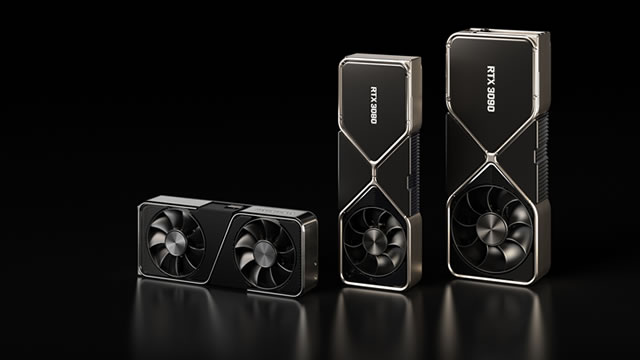
Core Insights - Nvidia has been a remarkable investment, particularly during the AI boom, with its GPUs in high demand from tech companies [1] - An investment of $1,000 in Nvidia a decade ago would have grown to $255,740, significantly outperforming the S&P 500 [2] - Nvidia's success illustrates the potential for life-changing results from investing in winning stocks, which can be identified by retail investors [3] Company Performance - Nvidia's current stock price is $184.94, with a market cap of $4.5 trillion [4] - The stock has a gross margin of 70.05% and a dividend yield of 0.02% [5] - Over a five-year period, an initial $1,000 investment would have grown to $18,320, highlighting the importance of holding onto winning stocks [5] Future Outlook - While Nvidia may not replicate its past performance, it remains a solid investment due to its leadership in the AI sector [6] - Investors are encouraged to consider smaller stocks that may have the potential to become the next Nvidia [6]

Biglari Holdings CEO Purchases Over 2,000 Insider Shares
The Motley Fool· 2026-01-13 09:04
Core Insights - The CEO of Biglari Holdings, Sardar Biglari, has been actively purchasing shares, acquiring 2,221 Class B shares for approximately $705,671.28 between December 8 and December 10, 2025, indicating confidence in the company's performance [1][2]. Transaction Summary - The recent insider purchase involved 2,221 shares traded at a total value of $705,678, with a weighted average purchase price of $317.73 per share [2]. - Post-transaction, direct ownership remained at one share, while indirect ownership through The Lion Fund, L.P. increased to 1,332,028 shares [3]. Company Overview - Biglari Holdings operates primarily in the restaurant industry, with additional interests in insurance, energy, and media, leveraging its established brands to create diverse revenue streams [5]. - As of January 13, 2026, the company's stock price was $430.74, with a market capitalization of $1.34 billion and a revenue of $386.51 million over the trailing twelve months [4]. Stock Performance - The stock price of Biglari Holdings has seen a significant increase, with a 1-year price change of 97.44% as of January 12, 2026, and a 31% surge in 2025 [4][7]. - Class B shares have been the more actively traded, with a notable year-to-date increase of nearly 30% [7]. Subsidiary Performance - The subsidiary Steak 'n Shake reported significant sales growth in Q4 2025, partly due to the introduction of a Bitcoin-themed burger and the accumulation of Bitcoin in its reserves, indicating a strategic adaptation to digital assets [8].


Should You Buy Ford Stock While It's Under $15?
The Motley Fool· 2026-01-13 08:30
Core Insights - Investors are showing increased optimism, with Ford's shares achieving a total return of 42% in 2025, outperforming the S&P 500 [1] - Ford's F-Series remains the best-selling truck line in America for the 44th consecutive year, with unit sales reaching 829,000 [1] - The company's pro division is experiencing notable success, contributing to higher margins and growth compared to the overall business [2] Financial Performance - Ford's current stock price is approximately $14.03, with a market capitalization of $56 billion [4] - The stock trades at a forward price-to-earnings ratio of 10, which may attract value investors [8] - Over the past decade, Ford's total return has been only 96%, significantly lagging behind the S&P 500's 331% return [4][5] Growth Prospects - Revenue is projected to decrease by 0.5% in 2026 and increase by only 1.1% in 2027, indicating minimal growth [6] - Profit margins are described as "razor-thin," and the automotive industry is characterized as mature with high capital expenditures and intense competition [6] Market Conditions - The Federal Reserve's potential interest rate cuts could positively impact demand for Ford vehicles, as lower financing costs may encourage purchases [2] - Economic downturns pose a risk to Ford's sales and profitability, as consumer sensitivity to macro trends can lead to declines in demand [7]


Global Partners LP Insider Purchases Nearly 4000 Shares To Close Out 2025
The Motley Fool· 2026-01-13 08:16
Company Overview - Global Partners LP is a leading midstream energy partnership involved in fuel distribution, storage, and retail operations, optimizing margins through integrated supply, logistics, and retailing across multiple channels [7] - The company offers a variety of products including gasoline, distillates, renewable fuels, crude oil, and propane, operating a network of gasoline stations and convenience stores primarily in the Northeastern United States [7] Financial Metrics - The company reported a total revenue of $18.10 billion and a net income of $71.54 million for the trailing twelve months (TTM) [4] - The dividend yield stands at 6.95%, with a one-year price change of -15.42% as of January 12, 2025 [4] Insider Transactions - Global GP LLC, the general partner of Global Partners LP, purchased 3,917 common units in open-market transactions on December 5 and December 8, 2025, for approximately $176,892, with a weighted average purchase price of $45.16 per unit [2][6] - Following these transactions, the direct holdings of Global GP LLC increased to 215,988 units, valued at approximately $9.75 million [2][6] - The purchases were made to fulfill obligations under the Long-Term Incentive Plan, indicating that these transactions are not strategic but rather routine [6][8] Market Performance - The stock of Global Partners LP has experienced a decline of approximately 11.30% in 2025, marking its worst year since 2020 [10] - Despite the recent downturn, the company has consistently raised dividends every quarter since Q3 FY 2021, making it a potential option for investors seeking high-dividend stocks in the gasoline industry [10]