QYResearch

Search documents
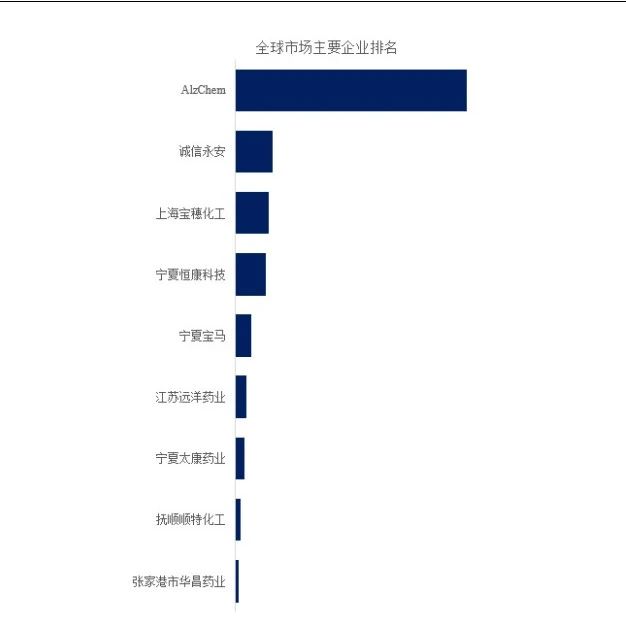
全球甘草酸二钾(DPG)主要生产商排名:2024年TOP5企业占据68%市场份额
QYResearch· 2025-07-28 07:41
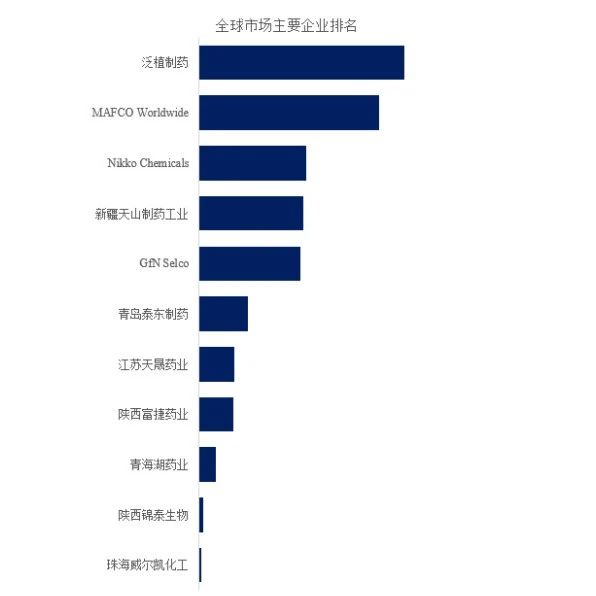
Core Viewpoint - The global market for Dipotassium Glycyrrhizinate (DPG) is projected to reach $80 million by 2031, with a compound annual growth rate (CAGR) of 7.0% in the coming years [2]. Market Overview - The global DPG market is expected to grow significantly, with the market size reaching $80 million by 2031 and a CAGR of 7.0% [2]. - The major manufacturers of DPG include companies such as GfN Selco, MAFCO Worldwide, and Nikko Chemicals, with the top five companies holding approximately 68.0% of the market share in 2024 [6]. - The cosmetic grade of DPG is the leading product type, accounting for about 68.4% of the market share [7]. - The primary application of DPG is in cosmetics and skin care, which constitutes approximately 60.6% of the demand [10]. Key Drivers - Technological advancements and industrial upgrades, such as green extraction processes, have significantly reduced energy consumption and pollution, creating compliance advantages under stricter environmental policies [13]. - The restructuring of policies and resource factors, including China's "14th Five-Year Plan" emphasizing biomanufacturing, supports the sustainable supply of raw materials [13]. - The rising consumer interest in health products post-COVID-19 has increased the penetration of DPG-containing health foods in markets like Japan and Southeast Asia [13]. - The trend towards "Clean Beauty" in mature markets and the long-standing preference for herbal ingredients among Asian consumers have positioned DPG as a valuable additive in high-end beauty products [14]. Key Challenges - Compliance with regulatory standards and safety regulations is critical in the pharmaceutical and cosmetic industries, posing significant risks for DPG manufacturers [16]. - Supply chain disruptions due to weather events or geopolitical issues may affect the availability and cost of raw materials [17]. - The competitive landscape in the cosmetic and pharmaceutical raw materials market is intense, with challenges in maintaining product differentiation and managing price volatility [20]. Industry Development Trends - DPG has been shown to inhibit allergic reactions in sensitive skin by promoting the synthesis of epidermal proteins and enhancing skin barrier function [22]. - There is a growing consumer demand for natural and plant-derived ingredients, which is likely to increase the demand for DPG due to its natural sourcing [23]. - Awareness of the health benefits associated with DPG may influence market trends positively [24].

全球与中国纳米流体市场现状及未来发展趋势
QYResearch· 2025-07-25 07:54
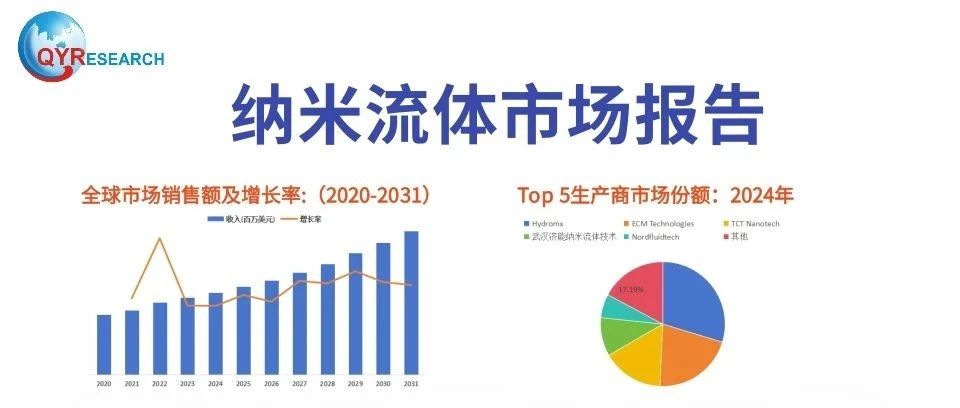
Core Viewpoint - The nanofluid industry is experiencing rapid growth due to its unique thermal properties and applications in various fields such as heat management, energy, and medical technology. The market is expected to expand significantly, driven by technological innovations and increasing demand for high-performance materials [1][3][10]. Industry Background - Nanofluids are stable colloidal suspensions formed by dispersing nanoparticles (1-100 nm) in base fluids like water or oil, significantly enhancing thermal properties such as thermal conductivity and viscosity [1]. - The concept of nanofluids emerged in the 1990s, with practical applications beginning in the 2000s, leading to a rapid development phase from the 2010s onwards [2]. Current Industry Status - Market demand for nanofluids is growing, particularly in heat management and automotive sectors, leading to an expansion of market size [3]. - Continuous technological innovations are enhancing the performance and application range of nanofluids [3]. - The application fields are broadening, including medical imaging, drug delivery, and environmental monitoring, injecting new vitality into the industry [3]. - Increased competition is noted as market demand rises, with companies facing challenges in R&D and market expansion [3]. - Government support for green technologies and efficient energy solutions is fostering industry growth [3]. Development Trends - The preparation technology for nanofluids is evolving towards more efficient, green, and cost-effective methods to meet industrial demands [4]. - In-depth research on the heat transfer mechanisms of nanofluids is ongoing, aiming to develop fluids with superior thermal performance [5]. - The technology is expected to deepen and expand in traditional sectors such as electronics, energy, and aerospace, enhancing cooling systems and energy efficiency [6]. Global Market Analysis - The global nanofluid market is projected to reach $24.72 million by 2024 and $43.37 million by 2031, with a CAGR of 8.51% from 2025 to 2031 [7]. - North America is currently the largest consumer market, accounting for 45.10% of the market share in 2024, followed by Europe and China [8]. - On the production side, North America and Europe hold significant shares, with projections indicating that China's production share will grow to 18.54% by 2031 [9]. Market Segmentation - The global nanofluid market is primarily divided into two preparation methods: one-step and two-step processes, with the two-step method dominating the market [13]. - In terms of application, HVAC systems are expected to account for approximately 91.79% of the market share in 2024, with a projected CAGR of 8.46% [14]. Key Players - Major manufacturers in the global nanofluid market include Hydromx, ECM Technologies, TCT Nanotech, Wuhan Jieneng Nanofluid Technology, Nordfluidtech, Ice Dragon Cooling, and FlexeGRAPH [17].
全球炼钢用钛铁市场2024年现状:头部企业占据半数以上份额
QYResearch· 2025-07-25 07:54
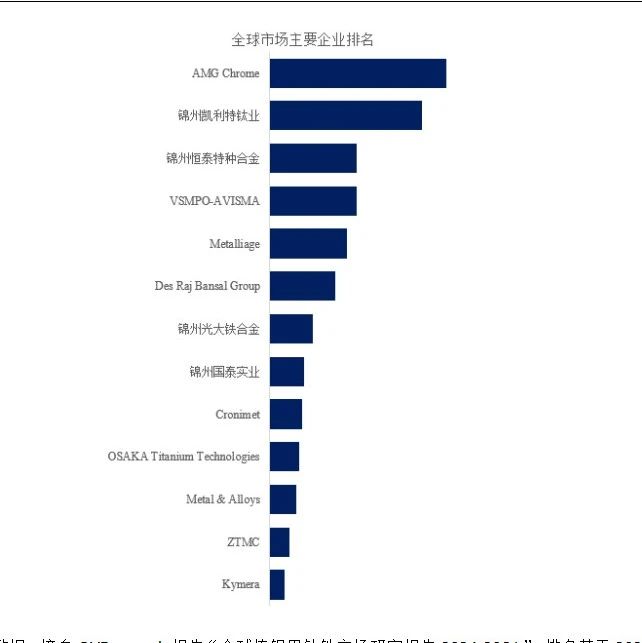
Core Viewpoint - The global market for titanium iron used in steelmaking is projected to reach $390 million by 2031, with a compound annual growth rate (CAGR) of 4.8% in the coming years [2]. Market Overview - Titanium iron is primarily composed of iron and titanium and is widely used in the steel industry to remove impurities and refine steel [1]. - The major producers of titanium iron globally include AMG Chrome, Jinzhou Kailite Titanium Industry, and VSMPO-AVISMA, with the top five manufacturers holding approximately 58.0% of the market share in 2024 [7]. - The most significant product type is titanium iron with a titanium content of 65%-75%, accounting for about 83.3% of the market share [8]. Application Segments - The primary application for titanium iron is as a stabilizer in stainless steel, which constitutes around 80.1% of the demand [12]. Driving Factors - The growth of the steel industry, particularly in emerging markets, is a key driver for the titanium iron market due to the increasing demand for high-quality specialty steel [14]. - Infrastructure projects such as buildings, bridges, and railways require durable materials, leading to a growing demand for titanium iron in construction applications [15]. - The trend towards lightweight and durable materials in end-user industries is pushing steel manufacturers to use titanium iron, especially in energy-efficient vehicles and environmentally friendly infrastructure projects [16]. Challenges - The complex production process and high energy consumption associated with titanium iron lead to elevated production costs, which may limit its use in cost-sensitive applications [17]. - Price volatility of raw materials used in titanium iron production can affect supply chain stability and cost structures for manufacturers and end-users [18]. - Environmental impacts from the production process, including emissions and waste generation, pose challenges for manufacturers in adhering to regulatory requirements and adopting sustainable practices [19]. Industry Trends - The titanium iron market is thriving due to its critical role in enhancing steel quality, with increasing demand for high-strength, corrosion-resistant steel across various industries, particularly automotive, construction, and aerospace [20]. - The steel production process is evolving towards more sustainable and cost-effective methods, with the use of recycled titanium scrap becoming more common, aligning with global sustainability goals [23]. - Rapid industrial growth and urbanization in developing economies, especially in Asia, are driving stable demand for titanium iron, while advancements in alloy formulation technology and clean production methods are influencing growth in mature markets [23].
2024年全球一水肌酸市场格局:前五大厂商占据81.0%份额
QYResearch· 2025-07-25 07:54
Core Viewpoint - The global creatine monohydrate market is projected to reach $570 million by 2031, with a compound annual growth rate (CAGR) of 3.9% over the coming years [2]. Market Overview - The global creatine monohydrate market is expected to grow significantly, driven by increasing health and fitness awareness [13]. - The top five manufacturers are projected to hold approximately 81.0% of the market share by 2024 [5]. Product Segmentation - Chemical synthesis is the dominant product type, accounting for about 95.2% of the market share [6]. - The primary application of creatine monohydrate is in sports nutrition and supplements, which constitutes around 78.0% of the demand [10]. Key Drivers - Growing global interest in health, fitness, and athletic performance is a major driver for the creatine monohydrate market [13]. - Manufacturers are innovating new creatine formulations, such as micronized creatine and flavored powders, to enhance convenience and taste [14]. - The expansion of online sales platforms has transformed purchasing habits, allowing brands to reach international audiences [14]. Major Challenges - In low-income regions, creatine monohydrate may be perceived as a luxury or non-essential item, which could limit market growth [15]. - The production of creatine monohydrate relies on specific raw materials, and supply chain disruptions could impact pricing and profit margins [16]. - Recent geopolitical tensions and supply chain issues have led to significant disruptions in the global supply chain, affecting timely production and distribution [17]. Innovation Trends - Advanced creatine formulations, such as creatine hydrochloride and buffered creatine, are being introduced to meet consumer demand for more effective supplements [18]. - There is a growing demand for clean label and vegan products, prompting the development of plant-based creatine supplements [19]. - The consumer base for creatine monohydrate is diversifying, with increasing usage among women, seniors, and adolescents [20]. - Manufacturers are developing multi-ingredient products that combine creatine with other supplements for comprehensive health solutions [21].
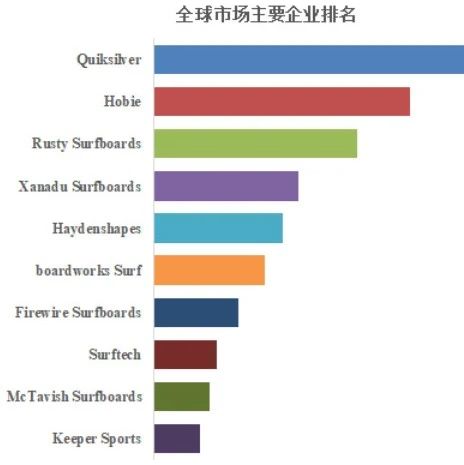
全球泡沫冲浪板市场前10强生产商排名及市场占有率
QYResearch· 2025-07-24 08:31
为了提高泡沫冲浪板的性能和竞争力,生产企业将不断加大技术研发投入,推动产品创新。例如,研发新型的材料和生产工艺,提高冲浪板 的强度、弹性和耐用性;开发智能化的冲浪板产品,配备传感器、导航系统等功能,提升用户体验。 据 QYResearch 调研团队最新报告"全球泡沫冲浪板市场报告 2025-2031 "显示,预计 2031 年全球泡沫冲浪板市场规模将达到 6.5 亿美元,未 来几年年复合增长率 CAGR 为 6.4% 。 泡沫冲浪板 ,全球市场总体规模 全球 泡沫冲浪板 市场前 10 强生产商排名及市场占有率(基于 2 02 4 年调研数据;目前最新数据以本公司最新调研数据为准) 泡沫冲浪板是指那些未覆盖硬树脂,以特殊的防水聚苯乙烯泡沫( EPS )等为主要材料制成的冲浪板,其甲板通常暴露在外,并覆盖一层乙 烯 - 醋酸乙烯酯( EVA )片材用于保护,底部则是坚硬光滑的薄片,以减少滑行时的阻力。主要由泡沫芯、 EVA 表层、底部光滑薄片以及 可能包含的加强筋或龙骨等部分构成。泡沫芯是板子的主体,提供浮力和支撑; EVA 表层覆盖在泡沫芯上,起到保护泡沫和增加摩擦力的 作用;底部光滑薄片则有助于冲浪板在水中快 ...
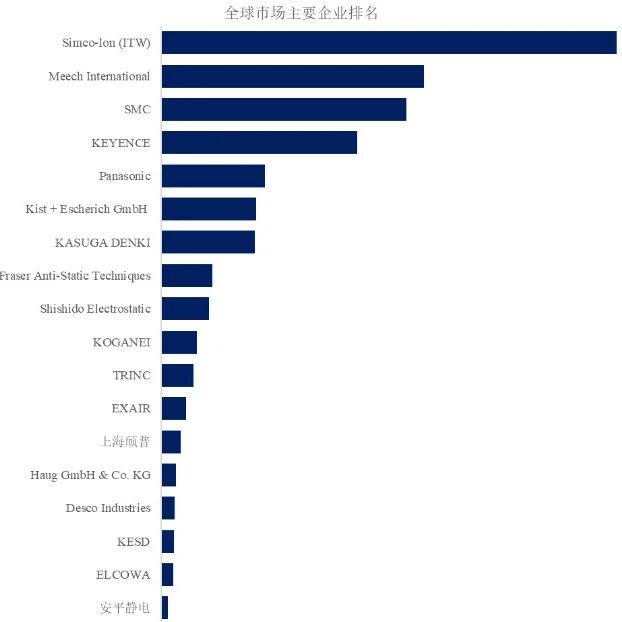
全球汽车和医疗器械行业用静电清洁设备市场前18强生产商排名及市场占有率
QYResearch· 2025-07-24 08:31
Core Viewpoint - The global market for electrostatic cleaning equipment in the automotive and medical device industries is projected to reach $130 million by 2031, with a compound annual growth rate (CAGR) of 5.5% over the coming years [1]. Market Overview - The global market size for electrostatic cleaning equipment in the automotive and medical device sectors is significant, with the automotive sector being the largest downstream market, accounting for approximately 63.8% of the demand [7][10]. - The leading product type in this market is the air gun, which holds about 44.4% of the market share [7]. Key Manufacturers - Major manufacturers in the global electrostatic cleaning equipment market include Simco-Ion (ITW), Meech International, SMC, KEYENCE, Panasonic, and others [6][7]. Market Dynamics Driving Factors - Strict cleanliness standards in the automotive and medical device industries necessitate the use of electrostatic cleaning equipment to ensure product safety and compatibility [10]. - The increasing miniaturization and complexity of components in both sectors require non-contact, residue-free cleaning solutions [10]. - The rise of electric vehicles (EVs) and electronic products demands precise cleaning to prevent electrical failures [12]. - Automation in manufacturing allows for seamless integration of electrostatic cleaning systems, enhancing productivity and maintaining quality [13]. Restraining Factors - High initial investment and ownership costs for electrostatic cleaning systems may deter small and medium-sized manufacturers from adoption [14]. - The complexity of integrating these systems into existing production lines poses challenges [15]. - Sensitivity of components to electrostatic discharge (ESD) can lead to potential risks if systems are not properly configured [16]. - Limited standardization and certification guidelines for electrostatic cleaning methods create challenges in validation and compliance [18]. - A shortage of skilled operators and technical support can affect the performance of electrostatic cleaning systems [19]. - Competing cleaning technologies, such as ultrasonic and plasma cleaning, may be preferred by buyers due to familiarity [20].
中国角膜移植市场现状研究分析与发展前景预测报告
QYResearch· 2025-07-24 08:31
Core Viewpoint - Corneal transplantation is a highly successful surgical procedure that replaces damaged corneal tissue with healthy donor corneas, addressing various eye conditions and restoring vision [1][2]. Market Overview - The corneal transplantation market in China is experiencing rapid growth, with the market size projected to reach 824 million yuan in 2024 and 1.286 billion yuan by 2031, reflecting a compound annual growth rate (CAGR) of 6.51% from 2025 to 2031 [4]. - Corneal diseases are a significant cause of blindness, second only to cataracts, making corneal transplantation a critical treatment option in ophthalmic microsurgery [3]. Market Dynamics - The supply of donor corneas is limited and unevenly distributed across regions, particularly affecting rural areas in central and western China [3]. - Recent improvements in eye bank systems, professional training, public awareness, and advancements in artificial cornea technologies are driving market development [3]. Market Segmentation - In 2024, penetrating keratoplasty is expected to dominate the market with a share of 61.41%, followed by lamellar keratoplasty at 21.60% [8]. - The ophthalmology specialty hospitals are the leading institutions for corneal transplantation, with their market size projected to grow from 619 million yuan in 2024 to 952 million yuan by 2031, at a CAGR of 6.33% [9]. Competitive Landscape - Major players in the domestic artificial cornea market include Shenzhen Ainier Cornea Engineering, Mihe Medical, Yueqing Regenerative Medicine, and Jiayue Meishi Biotechnology, with the top four companies holding approximately 87.59% of the market share in 2024 [7]. - The industry is transitioning towards diversified supply, precise treatment, and convenient services, with expectations of maintaining an annual growth rate of over 6% in the coming 5 to 10 years [9]. Supply Chain Analysis - The upstream supply chain primarily consists of voluntarily donated corneas organized by the Red Cross and hospitals, while artificial corneas are produced using high-purity medical-grade polymers and bioactive scaffold materials [11][12]. - Downstream, specialized ophthalmology hospitals and large public hospital eye centers are the main institutions performing the transplants, requiring long-term follow-up care for patients [12].

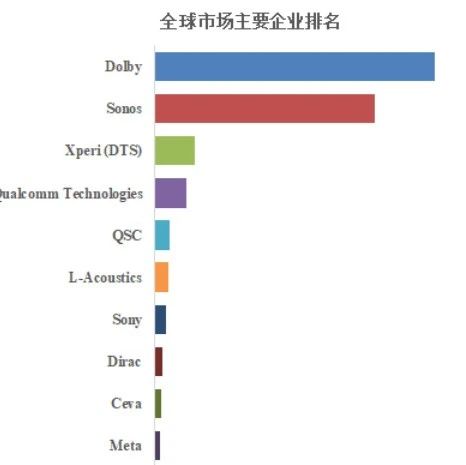
全球空间音频解决方案市场前10强生产商排名及市场占有率
QYResearch· 2025-07-23 03:54
Core Viewpoint - The article discusses the growing market for spatial audio solutions, highlighting its technological advancements, diverse applications across various industries, and competitive landscape, with a projected market size of $10.49 billion by 2031 and a CAGR of 9.9% from 2025 to 2031 [4][8]. Market Overview - Spatial audio solutions create immersive audio experiences by simulating sound perception from different directions and distances, enhancing multimedia content such as movies, video games, VR, and AR [1]. - The market is driven by technological advancements, including 3D audio, physical modeling, and audio scene synthesis, making production and playback more efficient and cost-effective [3]. Application Areas - Spatial audio applications extend beyond entertainment to sectors like education, healthcare, aviation, and architecture, with increasing demand for immersive audio experiences [3]. - In education, spatial audio enhances learning experiences; in healthcare, it is used for surgical simulations and psychological therapy; in architecture, it aids in environmental sound simulation [3]. Competitive Landscape - The global spatial audio solutions market is highly competitive, with both established companies and startups actively participating [4]. - Major companies leverage their technological and market advantages through mergers and collaborations, while startups focus on innovative solutions and flexible strategies [4]. - The top four manufacturers are expected to hold approximately 40% of the market share by 2024 [8]. Market Size and Growth - According to QYResearch, the global spatial audio solutions market is projected to reach $10.49 billion by 2031, with a CAGR of 9.9% [4]. - Software currently dominates the market, accounting for about 56% of the total market share, while entertainment and media represent the largest application segment, holding approximately 55% of the market [8][10].
全球锂电扫雪机市场前14强生产商排名及市场占有率
QYResearch· 2025-07-23 03:54
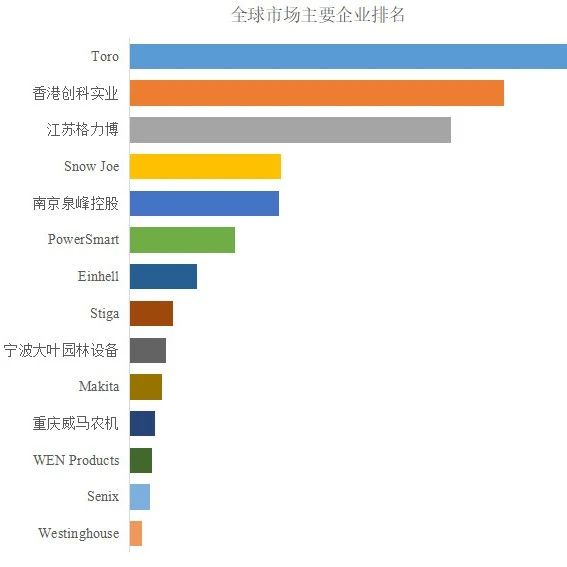
Core Insights - The global lithium battery snow blower market is experiencing rapid growth, driven by increasing environmental awareness and the trend towards electrification, with a significant shift from traditional fuel-powered equipment to lithium battery products [1][2] - The market size is projected to reach $520.05 million by 2031, with a compound annual growth rate (CAGR) of 5.24% over the coming years [2] Market Overview - Lithium battery snow blowers are eco-friendly machines that utilize rechargeable lithium batteries as their core power source, offering zero emissions, low noise, low vibration, and low maintenance costs [1] - The demand for efficient and clean snow removal equipment is notably increasing in China, particularly due to urbanization and the development of winter sports infrastructure [1] Regional Insights - North America remains the largest consumer market for lithium battery snow blowers, driven by strong demand for yard equipment and higher consumer spending power [1] - The European market is benefiting from stringent environmental regulations that accelerate the phase-out of fuel-powered equipment, creating ample opportunities for lithium battery products [1] - The Asian market, while starting later, shows significant growth potential, especially in northern Chinese cities and regions in Japan and South Korea with heavy snowfall [1] Market Share and Competition - The top 14 manufacturers in the global lithium battery snow blower market hold approximately 78.8% of the market share, with key players including Toro, Hong Kong Karcher, Jiangsu Grebo, Snow Joe, and Nanjing QuanFeng Holdings [7] - Self-propelled snow blowers dominate the product type segment, accounting for about 65.57% of the market share [8][9] - The household segment is the largest end-user market, representing approximately 57.99% of the demand [11]
中国辊压刀片电芯外壳市场现状研究分析与发展前景预测报告
QYResearch· 2025-07-23 03:54
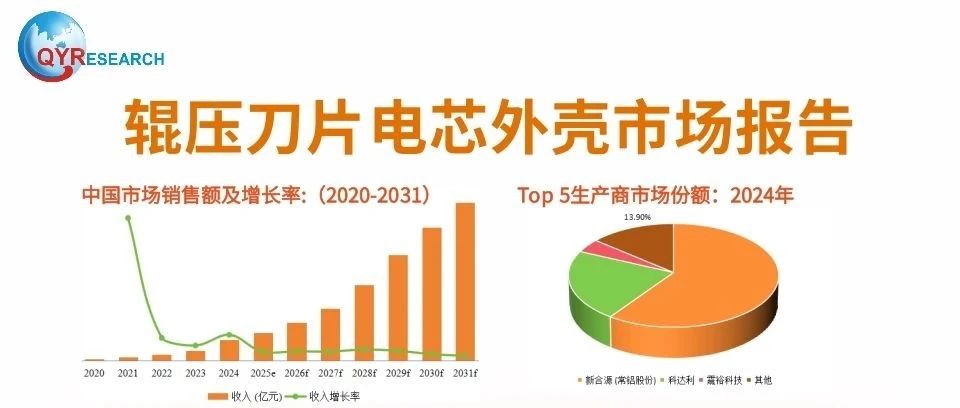
Core Viewpoint - The article discusses the rapid growth and development of the roller-pressed blade cell shell market in China, driven by the increasing demand for electric vehicles and advancements in battery technology [9][10]. Market Overview - The roller-pressed blade cell shell market in China is projected to reach a sales revenue of 14.68 billion yuan in 2024 and is expected to grow to 114.13 billion yuan by 2031, with a compound annual growth rate (CAGR) of 37.39% from 2025 to 2031 [3]. - The market is characterized by a strong local development trend, supported by a complete industrial chain from raw materials to end applications [9]. Key Players - The top three manufacturers in the Chinese market for roller-pressed blade cell shells are expected to hold approximately 86.10% market share in 2024, with key players including Xinheyuan (Chang Aluminum), Keda Li, Zhenyu Technology, and Zhongze Precision [8]. Product and Application Insights - Long blade battery shells are anticipated to dominate the market, with a projected share of 67.18% by 2031 [8]. - Battery Electric Vehicles (BEV) are expected to account for about 85.34% of the market share in 2024, with a CAGR of approximately 27.32% from 2026 to 2031 [8]. Industry Drivers - The expansion of the electric vehicle market and the global increase in electric vehicle sales are significantly boosting the demand for power batteries, including blade batteries [11]. - The trend towards high integration in battery technology, such as cell-to-pack (CTP) and cell-to-chassis (CTC) designs, is driving the need for lightweight and structurally strong shells [11]. - Stricter safety regulations and standards are increasing the demand for high-performance components like roller-pressed blade cell shells, which offer superior heat dissipation and structural stability [11]. Challenges - Fluctuations in raw material prices, particularly for high-strength aluminum alloys, pose a risk to production costs and delivery stability [12]. - The need for flexibility in adapting to different battery designs can increase production costs due to frequent adjustments in manufacturing lines [13]. - High precision and quality requirements in manufacturing processes present challenges, as defects can lead to lower production yields [13]. Future Outlook - The unique advantages of the Chinese market are expected to drive continuous innovation and industrial upgrades in the roller-pressed blade cell shell technology [10]. - The dual carbon strategy is likely to sustain high growth in the electric vehicle and energy storage industries, creating stable and expanding market demand for roller-pressed blade cell shells [10]. - The industry is anticipated to evolve towards higher quality and added value, with leading companies gaining larger market shares through technological advancements and cost control [10].