Z Potentials

Search documents
Z Product | Product Hunt最佳产品(1.12-18),Cowork拿下榜首
Z Potentials· 2026-01-20 02:57
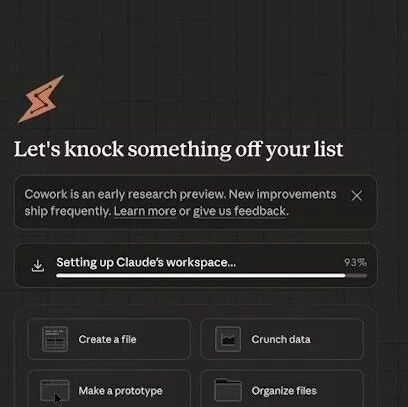
Core Insights - The article highlights the top 10 innovative tools and applications that have gained significant traction on Product Hunt, focusing on their unique features and target user bases. Group 1: Cowork - Cowork is a desktop file assistant that transforms Claude into a digital coworker, allowing users to manage files more efficiently [4] - It targets knowledge workers who struggle with file organization, providing a solution to the cumbersome process of copying files and explaining context to AI [8] - Key features include folder-level access for reading and writing files, automated planning and execution of tasks, and a secure sandbox architecture to limit access [9][10] - Cowork received 706 Upvotes and 40 comments on Product Hunt [11] Group 2: Cal.com Companion Apps - Cal.com is an open-source scheduling tool that has expanded to mobile and browser extensions, enhancing user accessibility [12] - It aims to assist independent workers and teams who frequently need to send meeting links, addressing the pain points of limited scheduling capabilities on mobile devices [15] - Core features include native mobile scheduling, multi-browser extensions for seamless integration, and real-time synchronization across platforms [16][18] - The app garnered 581 Upvotes and 44 comments [19] Group 3: 1Code - 1Code is an open-source UI designed for parallel development control, specifically for Claude Code users [20] - It addresses the challenges faced by developers who are hindered by linear command-line processes [21] - Key advantages include the ability to run multiple Claude Agents simultaneously and local execution on macOS [22][23] - The platform received 509 Upvotes and 50 comments [24] Group 4: remio 2.0 - remio 2.0 serves as a personal knowledge assistant that automatically builds an AI-enabled second brain [25] - It targets knowledge workers overwhelmed by documents and links, simplifying the process of organizing information [28] - Core functionalities include global context capture, intelligent archiving, and semantic search capabilities [29] - The tool achieved 501 Upvotes and 79 comments [32] Group 5: Atlas.new - Atlas.co is an online collaborative mapping platform that simplifies spatial analysis for non-GIS professionals [33] - It caters to teams needing to make data-driven decisions without GIS expertise, addressing the high barriers of traditional GIS software [36] - Key features include real-time collaborative mapping, AI-driven data visualization, and easy application building [37][38] - The platform received 489 Upvotes and 35 comments [39] Group 6: Vellum - Vellum is a no-code automation platform that generates complete AI agent workflows from natural language descriptions [40] - It targets teams looking to automate processes without technical expertise, addressing the complexity of traditional automation tools [42] - Core features include a natural language agent builder, multiple triggering methods, and transparency in execution [43][45] - The platform garnered 434 Upvotes and 50 comments [46] Group 7: TeamOut AI - TeamOut is an AI travel planning assistant designed for organizing team-building events and offsite activities [47] - It targets HR professionals and team leaders who frequently arrange corporate events, simplifying venue selection and cost estimation [50] - Key functionalities include AI-driven venue recommendations, flight cost estimation, and exclusive discounts for bookings [51][53] - The tool received 434 Upvotes and 74 comments [54] Group 8: Sled - Sled acts as a voice-controlled remote for coding agents like Claude Code, allowing users to execute commands via voice [56] - It targets developers who want to manage coding tasks while away from their desks, addressing the limitations of traditional coding environments [57] - Key features include mobile voice control, result notifications, and local execution of code [58][60] - The platform achieved 393 Upvotes and 53 comments [61] Group 9: Bookmarkify - Bookmarkify is a visual bookmark management tool designed for designers, integrating inspiration collection and analysis [62] - It targets UI/UX designers and product teams, solving the issue of disorganized bookmarks and scattered inspiration [64] - Core functionalities include direct webpage viewing within the tool, multiple view modes for inspiration boards, and design analysis features [65][66] - The tool received 383 Upvotes and 52 comments [67] Group 10: Boom video - Boom is a professional live streaming and recording software tailored for coaches and content creators [68] - It addresses the needs of users who frequently record tutorials and presentations without the hassle of post-production [70] - Key features include professional layouts, one-click virtual camera output, and automatic editing during recording [71][73] - The platform garnered 364 Upvotes and 29 comments [74]

速递|估值翻倍破150亿美元:AI数据库新贵ClickHouse融资4亿美元,挑战Snowflake与Databricks
Z Potentials· 2026-01-19 03:02
Core Insights - ClickHouse, a database technology startup, raised $400 million in a new funding round, achieving a valuation of $15 billion, more than doubling its valuation from less than a year ago [1] - The funding signals investor interest in AI application support companies, which are competing with firms like Databricks and Snowflake [1] - The company plans to use the funds to accelerate product development and enhance sales and marketing efforts [1] Funding and Valuation - The latest funding round was led by Dragoneer Investment Group, with participation from several notable investors including Bessemer Venture Partners, GIC, Index Ventures, Khosla Ventures, Lightspeed, T. Rowe Price, and WCM Investment Management [1] - Since May, when ClickHouse was valued at $6.35 billion, its valuation has increased by several billion dollars [1] Acquisitions and Product Development - ClickHouse is acquiring German startup Langfuse GmbH, which develops open-source products to ensure the accuracy and safety of AI system outputs [2] - The company emphasizes the growing concern among tech firms regarding the safety of AI outputs [2] Clientele and Market Focus - ClickHouse's clients include major companies such as Meta Platforms, Tesla, and Anthropic, and it has recently expanded partnerships with startups Lovable and Polymarket [3] - The company has a unique market position, with over half of its clients, revenue, and employees located outside North America, allowing it to focus on international markets [3] Leadership and Financial Status - ClickHouse appointed Jimmy Sexton as CFO, who has experience in investor relations and IPO processes from his time at Snowflake [3] - The company is currently not prepared for an IPO, as it is still in a loss-making phase while making forward-looking investments, with annual recurring revenue reaching "hundreds of millions" [3] Historical Context and Competitive Landscape - ClickHouse originated as a database management system for Yandex in 2009 and became independent after Yandex sold its Russian business [4] - Dragoneer has been researching ClickHouse for several months, believing it has significant opportunities in the AI infrastructure space, and noted its superior real-time analytics capabilities compared to competitors [4][5]

速递|红杉资本“覆盖赛道”押注Anthropic,新一轮融资目标约250亿美元,预计最快今年IPO
Z Potentials· 2026-01-19 03:02
Core Viewpoint - Sequoia Capital is reportedly joining a significant funding round for AI startup Anthropic, which is developing Claude, raising eyebrows in Silicon Valley due to its simultaneous investments in competing firms like OpenAI and Elon Musk's xAI [3][5]. Funding and Valuation - Anthropic plans to raise $25 billion or more at a valuation of $350 billion, more than doubling its previous valuation of $170 billion from four months ago [4]. - The funding round is led by Singapore's GIC and U.S. investment firm Coatue, each contributing $15 billion [3]. Investment Dynamics - Sequoia's investment in Anthropic appears to be more about strengthening ties with Elon Musk rather than merely supporting a competitor to OpenAI [5]. - Sequoia has a history of backing Musk's ventures, including investments in Twitter (now X), SpaceX, and Neuralink [5]. Leadership Changes - The investment in Anthropic comes after a dramatic leadership change at Sequoia, where Roelof Botha was unexpectedly ousted [6]. - Alfred Lin and Pat Grady have taken over leadership roles following this change [6]. IPO Plans - Anthropic is reportedly preparing for an initial public offering (IPO), potentially as soon as this year [7].

深度|OpenAI产品经理谈Codex爆发式增长背后的AI协作:实现AGI级生产力的真正瓶颈是人类的打字速度!
Z Potentials· 2026-01-19 03:02
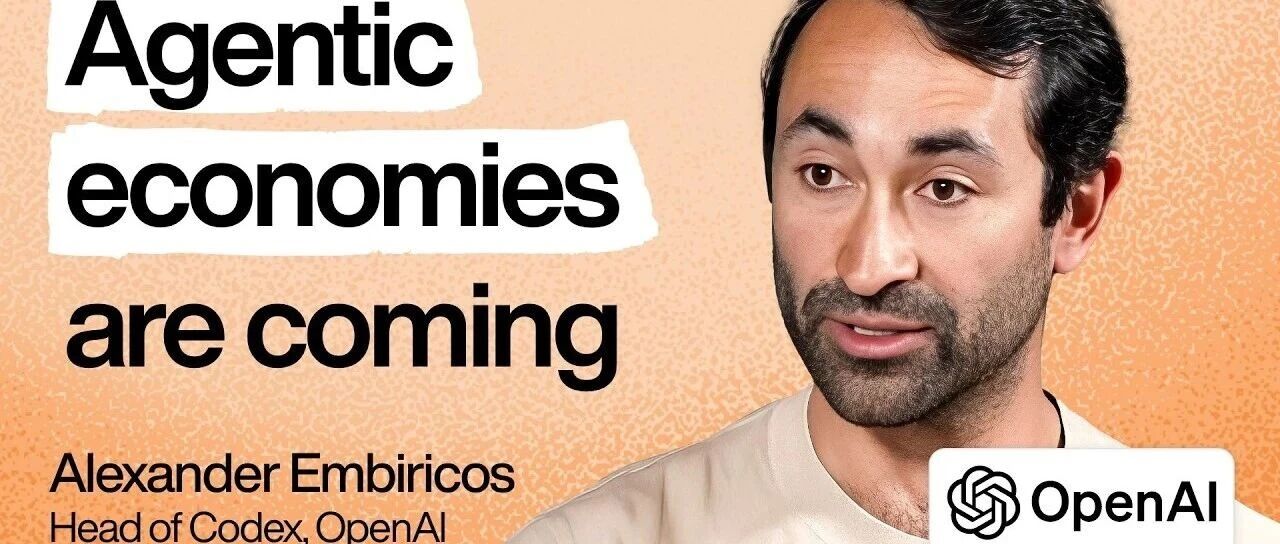
Core Insights - Codex, a powerful coding agent developed by OpenAI, has experienced a 20-fold growth since the release of ChatGPT5 in August 2023, processing trillions of characters weekly [3][19]. - The primary goal of Codex is to enhance human productivity by enabling proactive task completion rather than merely responding to commands [9][17]. - OpenAI's organizational structure emphasizes a bottom-up approach, allowing for flexibility and rapid experimentation, which has been crucial for Codex's development [12][14]. Group 1: Codex's Development and Growth - Codex has become a core tool for software engineering teams, functioning as an initial team member capable of writing, testing, and deploying code [15][16]. - The product has seen explosive growth, with usage increasing over 10 times since August, now reaching 20 times, and it is the most utilized code generation model [19][20]. - The integration of product and research teams has facilitated collaborative iterations, leading to more effective experiments and product enhancements [19][26]. Group 2: Proactive Collaboration and User Interaction - Codex aims to function as a proactive collaborator, akin to a new intern, participating in the entire software development lifecycle [16][17]. - The focus is on creating a seamless integration into developers' workflows, allowing Codex to assist without requiring constant user prompts [18][22]. - The feedback loop established through local interactions enhances user experience and encourages gradual adaptation to AI-assisted development [22][23]. Group 3: Future Vision and Market Position - The vision for Codex extends beyond code writing to include capabilities such as scheduling and task management, positioning it as a comprehensive AI assistant [28][29]. - OpenAI is exploring the potential of a "chatter-driven development" model, where communication and collaboration drive coding processes rather than rigid specifications [38][39]. - The company recognizes the need for Codex to adapt to various user environments and preferences, ensuring it remains a valuable tool for diverse teams [25][33].
速递|AI编程工具Replit再融巨资,估值达90亿美元,发布“描述即应用”Agnet
Z Potentials· 2026-01-16 07:59
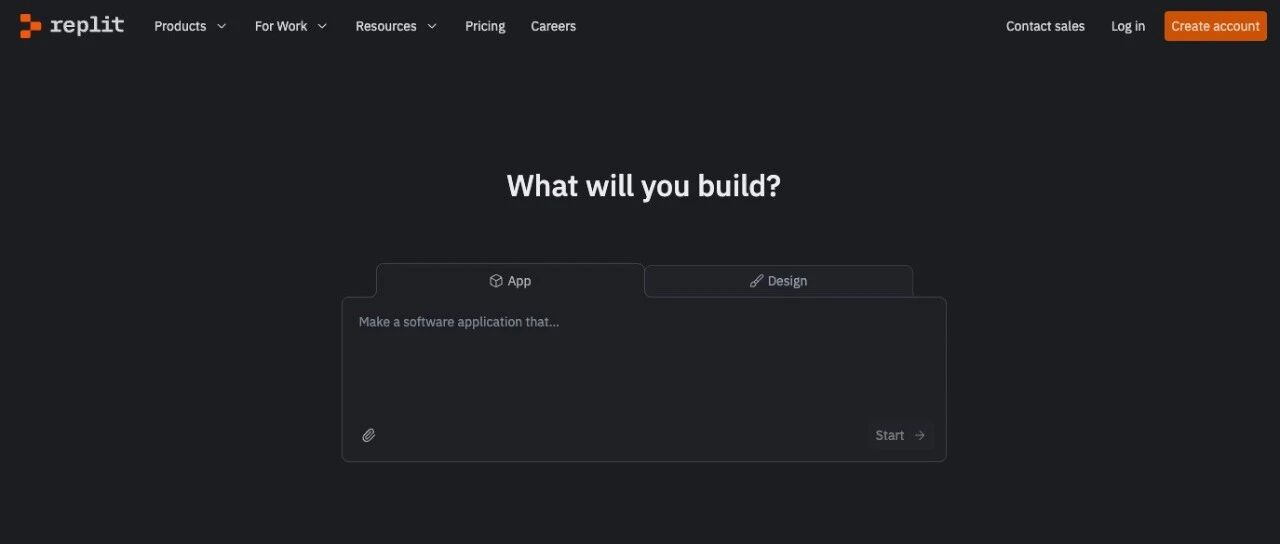
周四, Replit 发布了其智能体的新版本,用户仅需描述应用功能即可构建同时支持安卓和 iOS 的移动应用。该工具还能以极简操作将软件发布至应用商 店。 Replit 表示人们可利用此工具开发移动游戏、个人生产力产品及移动商店等应用。 Replit 面临着来自新兴初创企业和大型科技公司的激烈竞争,这些企业将软件工程视为人工智能服务利润丰厚的市场。 OpenAI 、 Anthropic 和微软公司均 提供旨在简化软件开发流程的人工智能工具。 另一家人工智能编程初创公司 Cursor 最近估值达到 293 亿美元 。 参考资料: 图片来源: Replit Replit 已成为构建 AI 编程工具的领军企业,这些工具可供专业开发人员和编程新手用于编写和调试软件,同时该公司也面临着其他初创公司和大型科技企 业的竞争。 知情人士透露,人工智能编码初创公司 Replit 即将达成新一轮融资协议,其估值将增至大约三倍,达到 90 亿美元,其中包括所筹集的资金。 十年前成立的 Replit 已成为所谓的氛围编程领军者,其构建的工具能让专业开发者和编程新手借助 AI 编写及调试软件。 该公司去年九月以 30 亿美元估值 筹集 ...
深度|OpenAI产品经理及后训练负责人:决定模型真正聪明程度的不是智能水平,而是它理解你的方式
Z Potentials· 2026-01-16 07:59
Core Insights - The article discusses the advancements in OpenAI's GPT-5.1, emphasizing the shift from models as mere tools to understanding user intent, emotions, and context, marking a new era in human-AI interaction [3][5][12] - Personalization is highlighted as a fundamental aspect of future AI systems, allowing models to adapt and respond based on individual user preferences and emotional cues [3][10][22] Group 1: Model Development and Features - GPT-5.1 aims to transition all chat models into "reasoning models," enhancing their ability to think and respond based on user prompts [5][6] - The introduction of a "chain of thought" mechanism allows the model to determine the depth of reasoning required based on the complexity of user queries [7][12] - Improvements in context retention and user history tracking address feedback regarding the model's perceived coldness and lack of warmth in interactions [8][9] Group 2: User Experience and Interaction - The update includes a new "auto-switcher" that dynamically transitions between chat and reasoning modes, aiming to provide a more cohesive and empathetic user experience [9][10] - Enhanced instruction-following capabilities allow the model to better retain user preferences and respond in a manner that aligns with individual communication styles [10][11] - The introduction of personality features enables users to guide the model's expression style, enhancing the overall interaction quality [10][22] Group 3: Emotional Intelligence and Personalization - The concept of emotional intelligence (EQ) is explored, focusing on the model's ability to understand user intent and context, which is crucial for delivering appropriate responses [13][14] - The development of a "user signals research" initiative aims to capture various signals related to user intent, enhancing the model's emotional responsiveness [13][14] - The article emphasizes the importance of creating a model that not only understands factual information but also captures subtle emotional cues and context [19][20] Group 4: Future Directions and Customization - OpenAI envisions a future where models are increasingly customizable, allowing users to create a unique experience tailored to their needs [22][24] - The potential for models to automatically infer user context and preferences is highlighted, aiming for a more intuitive interaction without complex prompting [24][25] - The ongoing development of memory features allows models to retain information about users, enhancing the relevance and personalization of responses in future interactions [25][26]

速递|AI客服之争:Parloa再融3.5亿美元,与Sierra、Decagon展开头部竞逐
Z Potentials· 2026-01-16 07:59
Core Insights - Parloa, a Berlin-based AI customer service startup, has raised $350 million in Series D funding, achieving a valuation of $3 billion, just eight months after a previous funding round at a $1 billion valuation [1][2] - The funding round was led by General Catalyst, with participation from existing investors including EQT Ventures, Altimeter Capital, Durable Capital, and Mosaic Ventures [2] - Parloa is among many startups focused on developing AI agents to automate customer service tasks traditionally handled by human agents [3] Competitive Landscape - Competitors include Sierra, co-founded by OpenAI's chairman Brett Taylor, which raised $350 million at a $10 billion valuation last September, and Decagon, reportedly seeking funding at over a $4 billion valuation [4] - Other notable competitors are established companies like Intercom and Kore.ai, as well as UK-based PolyAI, which recently raised $86 million at a $750 million valuation [4] - Parloa's CEO, Malte Kosub, believes the market is not a "winner-takes-all" scenario, viewing it as one of the most promising opportunities in software history [4] Market Potential - The global call center workforce is estimated to be around 17 million, indicating significant market potential for automation in customer service [4] - Despite Parloa's annual recurring revenue (ARR) exceeding $50 million, it is not significantly ahead of competitors like PolyAI, which is projected to reach $40 million ARR by 2025, or Decagon, which reportedly has an ARR "significantly exceeding $30 million" [4] - Kosub is confident that the substantial capital raised will provide Parloa with a competitive edge in the market [4] Product Development - Parloa's AI customer service solutions are already being utilized by major clients such as Allianz, Booking.com, HealthEquity, SAP, Sedgwick, and Swiss Life Insurance [5] - The company aims to develop a "multimodal contextual experience" that allows personalized AI customer service to recognize customer identities and specific needs across various communication channels, including apps, websites, and phone calls [5]

Z Product|当软件开发进入智能时代,Twitter前产品负责人再创业,Macroscope让每家公司都能“看清代码”
Z Potentials· 2026-01-16 07:59
Core Insights - The article discusses the challenges faced by software engineering teams in managing code, communication, and project visibility, highlighting the need for a solution that enhances transparency and efficiency in engineering organizations [3][4][5][7]. Group 1: Challenges in Software Engineering - Software teams are overwhelmed by numerous pull requests (PRs), fragmented tools, and excessive meetings, leading to a lack of clarity regarding project status and progress [3][4]. - The complexity of software projects increases the difficulty in obtaining reliable information, resulting in engineers spending more time on coordination rather than actual coding [4][5]. - Management struggles to gain visibility into engineering activities, while engineers seek to focus on coding rather than administrative tasks [5][9]. Group 2: Introduction of Macroscope - Macroscope is introduced as an AI-driven platform designed to provide real-time insights into code and engineering processes, aiming to reduce meetings and enhance transparency [9][18]. - The platform utilizes a unique "Code Walking" system to analyze code repositories, offering a structured understanding of code dependencies and context, which traditional tools fail to achieve [11][12]. - Macroscope aims to transform the engineering culture by providing leaders with comprehensive insights and freeing engineers from repetitive tasks, thus allowing them to focus on problem-solving [20][21]. Group 3: Business Model and Market Adoption - Macroscope employs a hybrid pricing model combining subscription and usage-based fees, charging $30 per active developer per month, with additional fees for submissions and code reviews [21]. - Prior to its official launch, Macroscope has already been adopted by several high-growth companies, indicating its value and rapid penetration in real engineering environments [23]. - The company has raised a total of $40 million in funding, with significant backing from top venture capital firms, reflecting investor confidence in its potential to reshape engineering tools [26][28].

速递|atoms.dev 完成 3100 万美元融资,推动 Vibe Coding 走向 Vibe Business
Z Potentials· 2026-01-15 08:05
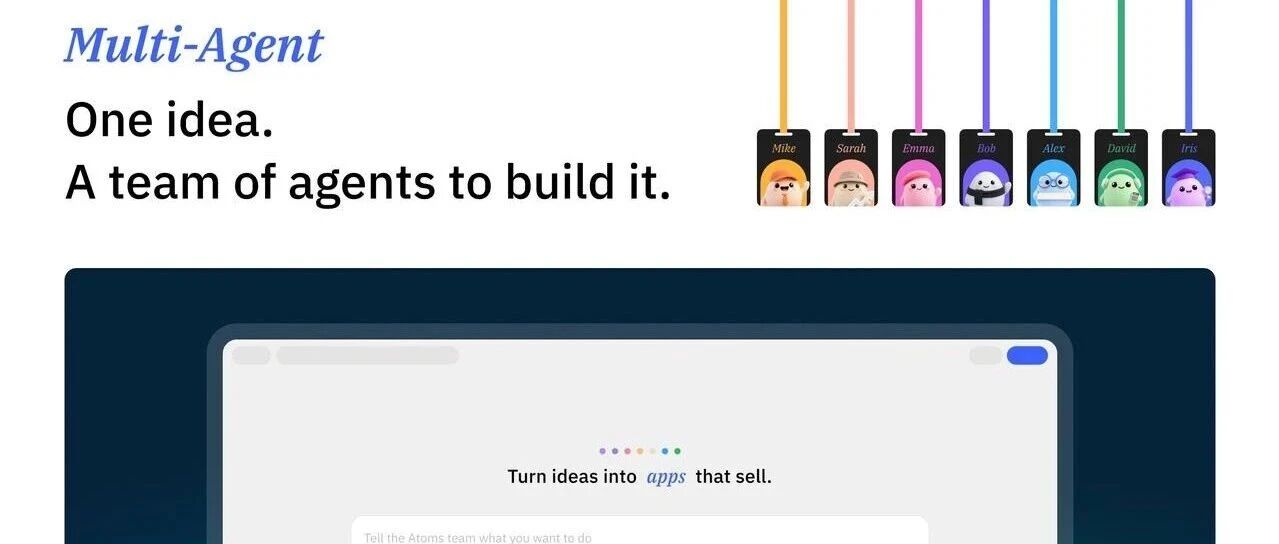
Group 1 - Atoms.dev recently completed a total financing of $31 million in Series A and A+ rounds, led by Ant Group and KKR respectively, with participation from other institutions [1] - The funding will primarily be used for the continued research and development of multi-agent systems, product scaling, and global market expansion [1] Group 2 - Atoms.dev, launched by DeepWisdom, aims to enable AI to build, launch, and operate real businesses as a team, rather than just improving single-point coding efficiency [2] - The company has established a foundation of long-term multi-agent research and engineering practices, having open-sourced systems like MetaGPT and OpenManus, which have gained over 150,000 GitHub stars [2] Group 3 - Atoms.dev is not a traditional AI coding tool but an AI-native entrepreneurial platform that operates a complete business process through a team of AI agents, including product managers, architects, engineers, and analysts [3] - The founder, Wu Chenglin, emphasizes the challenge of ensuring these systems operate stably in real business environments, aiming to transform entrepreneurship into a scalable and engineering-capable system [3] - Following the recent funding, Atoms.dev plans to increase investment in multi-agent systems, complex task scheduling, and evaluation mechanisms for real business environments, targeting global creators and independent developers [3]
Z Product | Product Hunt最佳产品(1.5-1.11),华人AI动漫产品上榜
Z Potentials· 2026-01-15 08:05
1.5-1.11 TOP10 | | Best of the week of January 5, 2026 | Daily Weekly | Monthly | Yearly | Featured | AII | | --- | --- | --- | --- | --- | --- | --- | | ﻬ | 12月 29-1月 4 1月 5-11 | 1月 12-18 | 1月 19-25 | | 1月 26-2月 1 | 1 | | | PostSyncer Al Content Maker, for Social Media Publishing | | | | D 94 | റ ୧80 | | | Social Media · Marketing · Artificial Intelligence | | | | | | | 47 | Livedocs | | | | D | 0 | | | The general data agent | | | | 57 | 520 | | | Analytics · Artificial Intelligence · Business Intelligenc ...