AI支付

Search documents
报告征集 | 2026年全球AI支付行业洞察报告
艾瑞咨询· 2026-03-31 00:04
Core Insights - The article emphasizes the transformative impact of artificial intelligence (AI) on the payment industry, enhancing risk management, transaction efficiency, and user experience through advanced technologies like smart risk control and biometric payments [2] - AI is evolving payment services from mere transactional tools to intelligent assistants capable of cognitive decision-making, driven by the integration of generative AI and large model technologies [2] - Despite initial challenges such as model interpretability and data privacy, the deep integration of AI in payment scenarios is generating significant value, with potential for further advancements in complex areas like cross-border payment compliance and corporate financial management [2] Research Background - The article outlines the background of AI's penetration into the payment industry, highlighting its role in reshaping the underlying logic and ecosystem of payment systems [2] - It notes that AI technologies are enhancing core processes such as transaction processing, fraud prevention, user operations, and settlement, thereby improving risk defense capabilities and transaction flow efficiency [2] AI Payment Development Background - The upcoming report will clarify the concept and core advantages of AI payments, analyzing driving factors from policy, economic, social, and technological perspectives [5] - It aims to articulate the key value of AI as an intelligent transaction closure mechanism and systematically outline its various development stages [5] Current State of AI Payment Industry - The report will provide an overview of the global AI payment industry's current state and future opportunities, mapping the industry and analyzing core application scenarios [6] - It will also objectively assess the risks and challenges faced by AI payments at this stage [6] Future Development Trends and Expert Insights - The report will evaluate the future trends of the AI payment industry from technological and market perspectives, offering strategic advice to industry participants [8] - It will include insights from industry experts, scholars, and seasoned practitioners, summarizing their core viewpoints in a structured format [9] Participation Value - Companies participating in the report will have the opportunity to be included in the industry map of the "Global AI Payment Industry Insight Report," enhancing brand visibility and industry influence [11] - Participants can also be featured in the "iResearch: AI Payment Industry Typical Cases" and contribute their insights to the "iResearch: AI Payment Industry Expert Voices" section [11] Participation Process - The report is open for contributions from market participants and observers in the third-party payment and fintech sectors [14] - The collection period for contributions is from now until May 12, 2026 [15]


决策到交易“关键一跃” AI付掀起新一轮卡位战
Zhong Guo Jing Ying Bao· 2026-02-27 18:39
Core Insights - The article discusses the rapid adoption and commercialization of AI payment systems, particularly focusing on Ant Group's "AI Pay" and its implications for the future of payment methods in the AI era [2][6][7]. Group 1: AI Payment Adoption - Ant Group announced that its "AI Pay" user base has surpassed 100 million, with payment transactions exceeding 120 million, marking a significant milestone for AI-native payment products [2]. - JD Technology has also launched "JD AI Pay," integrating it into its JoyAI App and smart glasses, indicating a shift towards AI-driven retail transaction models [2][6]. - Industry experts believe that AI payment systems are preparing the groundwork for large-scale commercialization of AI agents, positioning companies to capture new market opportunities [2][6]. Group 2: Evolution of Payment Processes - AI Pay represents a shift from traditional payment methods, embedding payment processes within service interactions, allowing users to complete transactions through voice commands or other AI-driven interfaces [3][4]. - The payment chain has evolved from a traditional five-link model to a six-link model, introducing an "AI agent" that facilitates payment instructions while maintaining user authorization for transactions [4][11]. - Experts predict that within 5 to 8 years, the number of payment instructions initiated by AI could surpass those initiated by humans, although the responsibility for transactions will remain with users [4][11]. Group 3: Competitive Landscape - Major players are positioning themselves in the AI payment space as a new entry point in the AI era, with the ability to convert AI traffic into commercial transactions being a key competitive advantage [2][6]. - The article highlights that AI payment systems will complement existing payment methods like QR code payments, rather than replace them, indicating a collaborative evolution in payment technologies [5][6]. Group 4: Market Potential and Future Outlook - The global market potential for AI agents is projected to reach $5 trillion by 2030, emphasizing the significant economic impact of AI-driven payment systems [9]. - The introduction of standardized protocols, such as the Universal Commerce Protocol by Google and the Agentic Commerce Protocol by OpenAI, aims to facilitate seamless transactions across multiple platforms [9][10]. - The establishment of the ACT protocol by Alipay aims to create a framework for AI commercial transactions, addressing concerns about user authorization and transaction traceability [10]. Group 5: Challenges and Considerations - Despite the rapid development of AI payment systems, challenges remain, including the need for deeper integration across various merchant services, standardization of industry protocols, and user trust in security and privacy [11]. - The article notes that while AI payment systems enhance transaction efficiency, they still require user confirmation for payments, maintaining the existing responsibility framework among users, payment institutions, and merchants [11].
春节国内出游5.96亿人次背后有哪些新变化
Xin Hua Wang· 2026-02-27 07:05
Core Insights - The 2026 Spring Festival holiday saw record highs in both domestic tourist numbers and spending, with 596 million domestic trips and total spending of 803.48 billion yuan, marking increases of 95 million trips and 126.48 billion yuan compared to the 2025 holiday [1] Group 1: Travel and Transportation - The demand for self-driving travel was fully released during the holiday, with an average of 270 million self-driving trips per day, a year-on-year increase of 8.3%, accounting for 86% of total travel [3] - The number of electric vehicle charging sessions on highways reached 6.021 million, with a total charging volume of 14,976.75 million kWh, averaging 1,664.08 million kWh per day, representing a 52.01% increase compared to the previous year [3] - The overall inter-regional mobility during the 9-day holiday exceeded 2.8 billion trips, with an average of 311 million trips per day, a year-on-year increase of 8.2% [6] Group 2: Cultural and Tourism Activities - Domestic travel orders during the Spring Festival reached new highs, with ticket orders increasing by over 80% and hotel night bookings rising by 75% year-on-year [7] - Various traditional cultural activities attracted tourists, with significant increases in hotel bookings in popular destinations like Shantou, which saw over 80% growth [9] - The nationwide cultural and tourism consumption month featured over 4,300 cultural and tourism events and 560 preferential policies in Fujian, along with numerous promotional activities in other provinces [9] Group 3: Payment and Consumption Trends - Payment transactions during the holiday period grew significantly, with a total of 39.302 billion transactions amounting to 13.12 trillion yuan, representing increases of 37.45% and 19.26% respectively compared to the previous year [11] - Duty-free shopping in Hainan reached 2.72 billion yuan, a 30.8% increase from last year, while the use of digital payment tools like Alipay and WeChat saw substantial growth [11] - The peak of online payment transactions reached 144,700 per second during the New Year's Eve to New Year's Day period, marking a 7.18% year-on-year increase [12]

跨境火热、AI爆发!春节消费支付数据“开门红”
Bei Jing Shang Bao· 2026-02-24 10:55
Core Insights - The 2026 Spring Festival holiday has led to a significant surge in consumer spending, with major payment platforms like WeChat and Alipay reporting substantial increases in transaction volumes and amounts [1][5] - AI technology has emerged as a central component in payment processing, transforming consumer experiences and enhancing service efficiency during the holiday period [6][8] Payment Industry Trends - During the Spring Festival, the total number of payment transactions reached 4.931 billion, marking a year-on-year increase of 21.64%, with peak transaction rates hitting 144,700 per second [5] - WeChat reported over 20% year-on-year growth in offline transactions for travel and entertainment during the holiday, with specific destinations like Malaysia and the Maldives seeing transaction amounts increase by 140% and 186% respectively [3] - Alipay noted a 60% increase in transactions from foreign tourists using its services, with some regions experiencing up to 400% growth in spending [4] Cross-Border Payment Dynamics - The trend of "生肖游" (Zodiac travel) has gained popularity, with destinations like Macau and Hong Kong seeing transaction increases of 39% and 24% respectively [3] - The influx of foreign tourists utilizing Alipay has led to a nearly 100% increase in spending in cities like Shanghai, with other major cities also seeing significant growth [4] AI Integration in Payments - Alipay's "AI payment" feature has surpassed 100 million users, marking a significant milestone in its adoption and indicating a shift towards AI-driven consumer interactions [7] - The integration of AI in payment processes has been noted as a key factor in enhancing user experience and driving transaction volumes, with AI now playing a pivotal role in the payment landscape [6][9] - WeChat has also incorporated AI into its services, with users increasingly relying on AI for various inquiries and transactions during the holiday [8] Future Outlook - Analysts suggest that the growth of AI in payment systems will continue, with a focus on enhancing user experience and expanding into high-frequency consumption scenarios such as tourism and retail [9]


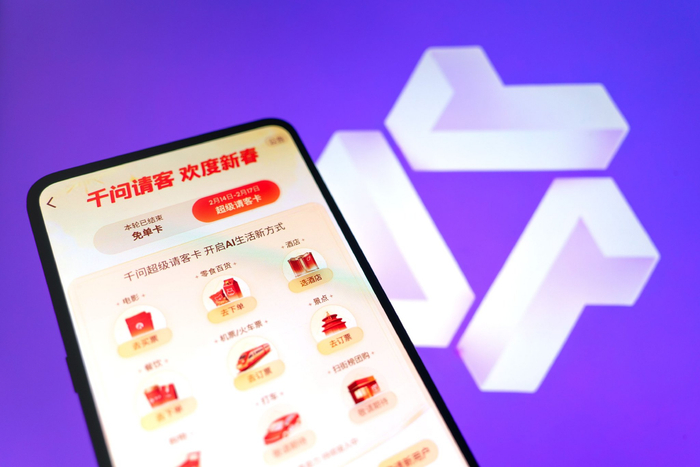
蚂蚁集团:春节期间支付宝“AI付”用户数突破1亿
Sou Hu Cai Jing· 2026-02-23 02:22
Group 1 - The core idea of the news is the launch and features of "Alipay AI Pay," an innovative payment experience designed for the AI era, allowing users to place orders and make payments while interacting with AI [4] - "AI Pay" has been implemented in various AI scenarios, including partnerships with companies like Qianwen, Rokid, and Luckin Coffee [2] - The service was officially launched on February 6, with a promotional campaign offering users a 25 yuan free drink voucher [2] Group 2 - Alipay AI Pay includes three layers of security: users must manually authorize account binding upon first use, identity verification is required during payment through facial recognition, fingerprint, or password, and a multi-dimensional risk control system is in place to intercept potential risks [4] - Alipay promises a compensation guarantee with the slogan "You dare to pay, I dare to compensate," enhancing user confidence in the payment process [4]

支付宝“AI付”支付超1.2亿笔 开启AI支付时代
Zheng Quan Ri Bao· 2026-02-13 17:03
Core Insights - Alipay's "AI Payment" has achieved over 120 million transactions in just one week, making it the world's first AI-native payment product to surpass 100 million transactions [1] - "AI Payment" is designed as a secure and convenient payment service for the AI era, already implemented in various AI scenarios such as Qianwen, Rokid, and Luckin [1] - Following the launch of the "30 Billion Free Order Activity" by Alipay's Qianwen App, "AI Payment" is rapidly gaining popularity [1] - Earlier in January, Alipay's "Tap to Pay" also reached over 100 million daily transactions, covering more than 2,200 daily life scenarios [1] - Both innovative payment services from Ant Group have crossed the "billion-level" threshold, contributing to the explosive growth of the AI industry and new consumption [1]
1.2亿笔“AI付”背后的支付新范式
2 1 Shi Ji Jing Ji Bao Dao· 2026-02-13 05:15
Core Insights - The article highlights the significant impact of AI payment services, particularly Alipay's AI payment, which has achieved over 1.2 billion transactions in just one week, marking a milestone in the integration of AI into everyday consumer transactions [2][5][13]. Group 1: AI Payment Breakthrough - The "Qianwen" app initiated a massive 30 billion yuan subsidy campaign, resulting in over 10 million AI order placements within 9 hours, showcasing the explosive capability of AI in consumer scenarios [1]. - Alipay's AI payment service has become the world's first AI-native payment product to surpass 1 billion transactions, indicating a shift in payment paradigms [2][5]. - The success of Alipay's AI payment is not an isolated incident; it follows the earlier achievement of over 100 million daily transactions with the "Tap to Pay" feature, demonstrating a broader trend of AI and new consumption models emerging [7]. Group 2: Redefining Transaction Paradigms - Alipay's AI payment has restructured the interaction logic from "users seeking services" to "services embedded in conversations," allowing users to access various services through natural language within a single app [11]. - A new trust mechanism has been established, leveraging 20 years of user trust to ensure secure payments through identity verification and a multi-dimensional risk control system [12]. - The year 2026 is being recognized as the "Year of AI Agent Payments," with a consensus forming around the transition from auxiliary roles to execution capabilities in payment systems [12]. Group 3: ACT Protocol and Future Implications - Alipay's introduction of the ACT (Agentic Commerce Trust) protocol facilitates standardized multi-tasking and collaboration among AI agents, paving the way for scalable and replicable AI payment solutions [14][15]. - The timing of Alipay's ACT protocol coincides with Google's launch of a universal commerce protocol, indicating a synchronized approach among tech giants in redefining commercial systems for AI agents [16]. - The ACT protocol aims to establish new rules for commercial interactions, focusing on "delegated authorization" and creating traceable, verifiable transaction logs for AI-executed trades [17].

1.2亿笔“AI付”背后的支付新范式
21世纪经济报道· 2026-02-13 05:07
Core Insights - The article highlights the significant impact of AI payment services, particularly Alipay's "AI Pay," which has achieved over 1.2 billion transactions in just one week, marking it as the world's first AI-native payment product to surpass this milestone [3][4][5]. Group 1: AI Payment Breakthrough - The "Qianwen" app initiated a massive 30 billion yuan subsidy campaign, resulting in over 10 million AI order placements within just 9 hours, showcasing the explosive capability of AI in consumer scenarios [1]. - Alipay's "AI Pay" has integrated payment directly into AI applications, eliminating the need for users to navigate away from the app for transactions, thus enhancing user experience [1][4]. Group 2: New Interaction and Trust Mechanisms - The shift from "users seeking services" to "services embedded in conversations" represents a fundamental change in interaction logic, allowing users to access various services through natural language within a single app [4][5]. - Alipay has established a trust network for its AI payment service, utilizing a multi-dimensional risk control system and user identity verification methods to ensure secure transactions [5]. Group 3: Industry Evolution and Future Prospects - The introduction of the ACT (Agentic Commerce Trust) protocol by Alipay signifies a new standard for AI-driven transactions, addressing the need for a structured approach to AI executing user intentions [6]. - The ACT protocol aims to create a traceable and verifiable operation log for AI-executed transactions, positioning Alipay as a leader in the evolving landscape of AI payment infrastructure [6][7].

“京东AI付”正式发布,在智能眼镜、JoyAI App等场景“落地”
Guang Zhou Ri Bao· 2026-02-13 03:18
Core Insights - The rise of AI technology is extending into the payment sector, with major companies competing in AI payment solutions [1] Group 1: AI Payment Innovations - JD Technology has launched a new payment method called "JD AI Pay," allowing users to make convenient and secure payments using voice commands [1] - "JD AI Pay" is powered by the JD JoyAI large model and is compatible with various hardware and software platforms, including AI assistants and smart devices [1] - The shopping assistant JoyGlance, also based on the JD JoyAI model, enables users to complete the entire shopping process from recognition to payment seamlessly using smart glasses [1] Group 2: Enhanced Payment Experience - "JD AI Pay" enhances the payment experience by allowing users to switch between different payment methods using voice commands, tailored to their card preferences [1] - The payment process through the JoyAI App has been fully integrated, enabling users to order food and complete payments seamlessly [1] Group 3: Security Features - JD Technology emphasizes the security of "JD AI Pay," which incorporates a dual financial-grade verification system of "dynamic voice commands + live voiceprint recognition" [2] - The system has shown excellent performance in defense against recording attacks and voiceprint synthesis, meeting the security requirements for financial transactions [2]
刘强东新动作,京东AI伸向支付
财联社· 2026-02-12 14:06
Core Viewpoint - JD Technology has launched a new payment method called "JD AI Pay," which integrates its self-developed JoyAI model, featuring multi-modal understanding, contextual awareness, and real-time risk interception [3][4]. Group 1: JD AI Pay Features - "JD AI Pay" allows users to make payments without leaving the payment page or manually entering passwords, significantly simplifying the transaction process [3]. - The system can accurately identify user intent and dynamically verify identity based on environmental factors, biometric features, and behavioral habits [3]. - The payment method has been implemented in two scenarios: through the JoyAI App and JD's smart glasses, JoyGlance, enabling voice-activated purchases [3]. Group 2: Security Measures - To ensure fund security, JD AI Pay employs an end-cloud collaborative risk control architecture, conducting local voiceprint and liveness detection while analyzing transaction risks in real-time [3]. - If any anomalies are detected, such as non-personal voice or high-risk merchants, the process will be interrupted, triggering secondary verification [3]. Group 3: Competitive Landscape - JD Technology's entry into the AI payment sector is part of a broader trend, with Alibaba also launching the ACT protocol to facilitate AI interactions across platforms [5][6]. - The ACT protocol allows AI to execute order operations while keeping payment authorization under user control, enhancing user experience [6]. - Internationally, companies like Google and Anthropic are developing their own protocols, focusing on communication standards and security boundaries for AI agents in payment processes [7][8]. Group 4: Strategic Analysis - Analysts suggest that JD's approach focuses on consumer experience innovation, while Ant Group emphasizes risk control to build merchant trust, creating a differentiated competitive landscape [8]. - The competition in the AI payment sector is shifting from technical superiority to seamless user experience and ecosystem development, indicating a need for internet giants to innovate rapidly [8].