中关村储能产业技术联盟

Search documents
国家发改委:下一步综合运用分时电价/需求响应补贴/虚拟电厂AI调度等,保障电力有序供应
中关村储能产业技术联盟· 2025-08-02 13:08
Core Viewpoint - The National Development and Reform Commission (NDRC) emphasizes the importance of ensuring stable energy supply and promoting green transformation in response to rising electricity demand and economic challenges [2][3][4]. Group 1: Energy Supply and Management - The NDRC has implemented dynamic and precise scheduling to analyze supply and demand trends, ensuring energy supply stability through coal power and new energy sources [2][3][26]. - Future efforts will focus on five key areas: ensuring source supply, enhancing peak capacity, strengthening inter-regional cooperation, optimizing demand-side management, and reinforcing emergency response [3][27]. Group 2: Green Transformation Initiatives - The establishment of zero-carbon parks signifies a shift towards systematic and standard innovation in green transformation, aiming to accelerate energy transition and promote deep decarbonization in industries [4][5][19]. - The zero-carbon park initiative includes five areas of exploration: accelerating energy green transition, guiding industries towards deep decarbonization, promoting regional coordinated development, adapting to green trade rules, and creating zero-carbon demonstration models [4][19]. Group 3: Economic Performance and Policy Measures - In the first half of the year, China's GDP grew by 5.3%, with domestic demand contributing 68.8% to economic growth, showcasing resilience amid external pressures [13][14]. - The NDRC plans to continue implementing policies to stabilize employment and expand domestic demand, ensuring a stable economic environment [14][28]. Group 4: Consumption and Market Dynamics - Consumer spending showed signs of recovery, with retail sales increasing by 5% in the first half of the year, indicating a growing contribution to economic growth [20][21]. - The NDRC aims to enhance consumer capacity, foster new growth points in service consumption, and optimize supply to encourage sustainable consumption [22][28]. Group 5: Infrastructure and Investment - The NDRC has allocated significant funds for infrastructure projects, with 800 billion yuan for key construction projects and 690 billion yuan for consumer goods replacement programs [7][8]. - Efforts to reduce logistics costs have resulted in a decrease in the logistics cost-to-GDP ratio to 14%, the lowest level recorded [9]. Group 6: Electricity Market Development - The establishment of a unified electricity market is crucial for optimizing resource allocation, with significant progress in market mechanisms and trading systems [32][33]. - The NDRC is focused on enhancing the electricity market's coverage and efficiency, with ongoing efforts to unify rules and expand market functions [34].

2025储能生态对接会圆满举办!产业链共探“储能技术+智能制造”协同前行
中关村储能产业技术联盟· 2025-08-02 13:08
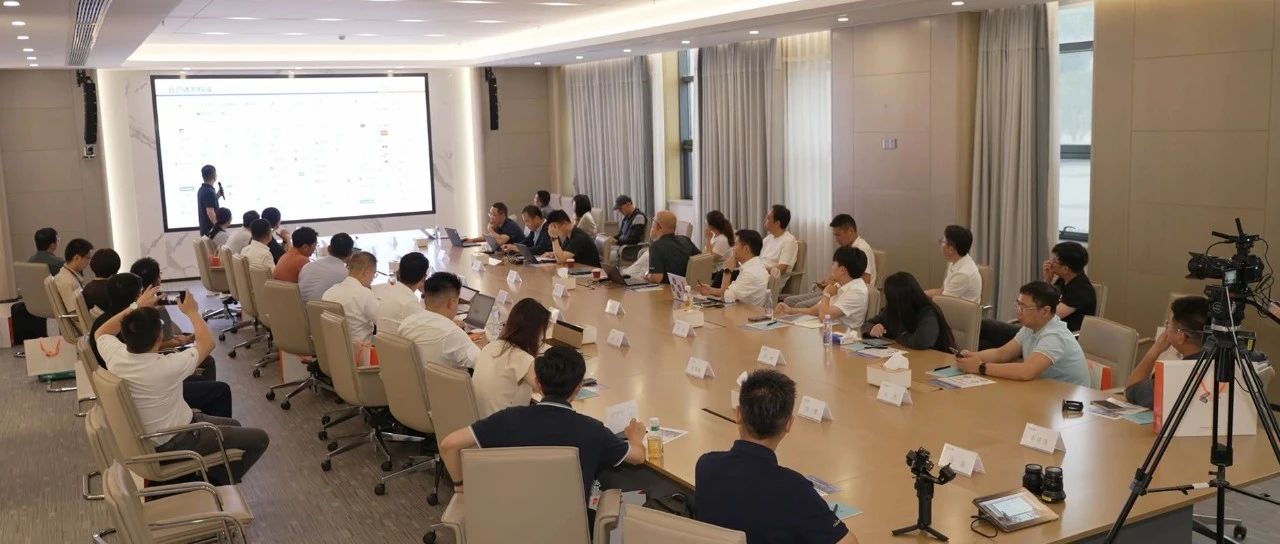
Core Viewpoint - The article emphasizes the integration of new generation battery technology and intelligent manufacturing as a transformative force in the energy storage industry, reshaping the global energy landscape [2][4]. Group 1: Technological Breakthroughs - The energy storage market is shifting from scale competition to value cultivation, with a focus on system-level solutions and lifecycle cost optimization [5][6]. - Zhongchuang Innovation focuses on reducing lifecycle costs through high energy density battery iterations and system integration, achieving a 25% increase in energy capacity while reducing costs by 18% [8]. - Dongfang Risen addresses the gap in the 50-120 kWh market segment by offering a modular and flexible energy storage solution, effectively lowering initial investment barriers for customers [10]. Group 2: Intelligent Manufacturing - The production processes in the battery industry are evolving, with advancements in materials, manufacturing techniques, and fast-charging technologies driving industry updates [11]. - Siemens and Festo highlight the importance of software and hardware collaboration, with Siemens developing a comprehensive digital twin solution that spans the entire battery storage lifecycle [13][14]. - Festo's new VTUX valve island platform reduces wiring costs by 30% and enhances predictive maintenance capabilities through AI [16]. Group 3: Industry Collaboration and Innovation - A roundtable discussion focused on the integration of energy storage and intelligent manufacturing, emphasizing the need for innovation in large battery technology and cost reduction strategies [23][24]. - The event highlighted the role of intelligent technologies in reshaping the foundational logic of energy storage manufacturing, moving towards a system-level ecological competitiveness [26]. - Future activities will focus on resource integration and cross-industry collaboration to support the development of the energy storage sector [29].


2GWh!Fluence签订迄今最大储能订单
中关村储能产业技术联盟· 2025-08-01 05:33
对于 Fluenc e 而言,这是其全球最大的项目交易 ,也使得该公司在澳大利亚筹备中的项 目规模突破了 5GWh。此项目的推进,将进一步增强澳大利亚国家电力市场的储能调节 能力,为当地能源结构转型提供有力支撑。 文 | 中关村储能产业技术联盟 近 日 , 清 洁 能 源 软 件 和 服 务 公 司 Fluenc e 与 澳 大 利 亚 能 源 巨 头 AGL Ene r g y 签 订 协 议, 将合作在澳大利亚新南威尔士州交付 Toma go 电池储能系统(BESS)。这一项目 规模达 500MW/ 2 0 0 0MWh ,持续放电时间为 4 小时,是目前全球最大的电池储能系统 协议之一。 该项目位于新南威尔士州第二大城市纽卡斯尔西北部的 Toma go 工业区,将连接至国家 电力市场(NEM)。AGL 已于 2024 年 11 月获得新南威尔士州政府对该项目的许可, 随着此次交易的签署,AGL 也确认已就该并网 BESS 达成最终投资决定(FID)。 据了解,该项目总建设成本估计约为 8 亿澳元(折合 5.16 亿美元),建设工作预计于 2 0 25 年底启动,2 0 2 7 年底投入运营,电池存储系统 ...

新疆100MW/400MWh钒液流电池储能项目并网投运
中关村储能产业技术联盟· 2025-08-01 05:33
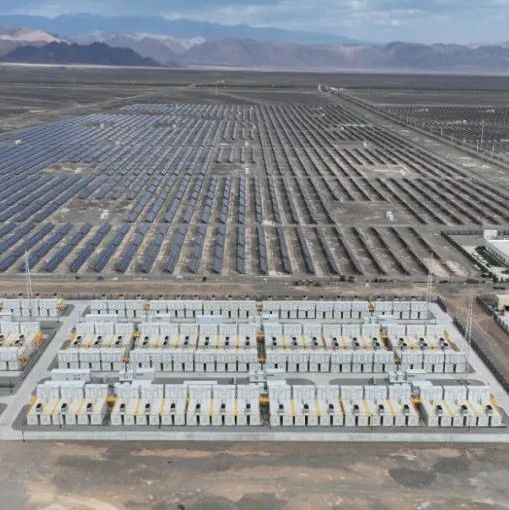
Core Viewpoint - The successful commissioning of the Hami Shichengzi 100MW/400MWh vanadium flow battery energy storage project marks a significant advancement in renewable energy storage in Hami, providing stable and efficient power regulation support for the "Xinjiang Power Transmission" channel [2]. Group 1: Project Overview - The Hami energy storage project utilizes an innovative "photovoltaic + storage" collaborative model, allowing for flexible adjustment of power through a "charging - discharging" mechanism, which stores excess power generated during peak solar hours for release during morning and evening peak usage times [3]. - The project is expected to enhance the renewable energy consumption capacity by 15% annually after its operation [3]. Group 2: Technology and Product Features - The energy storage system employs the TPowe r 7 series vanadium flow battery, featuring a new generation of high-energy electrolyte with a vanadium ion concentration of 2.0 mol/L, which is 20% higher than the industry average [3]. - The battery system is designed to operate in extreme temperatures ranging from -35°C to 40°C, improving its adaptability in both hot and cold regions [3]. - The high current density stack in the system achieves an energy conversion efficiency exceeding 83%, with real-time monitoring of electrolyte active ion concentration and stack health, resulting in a fault warning accuracy rate of 99.5% [3]. Group 3: Environmental Impact and Lifecycle - The project is characterized by high cyclic cost performance and long lifecycle, with the batteries not causing environmental harm upon disposal [4].
首部储能强制性国标今日实施!15家企业已通过测评
中关村储能产业技术联盟· 2025-08-01 05:33
Core Viewpoint - The implementation of the mandatory national standard GB 44240-2024 for lithium batteries and battery packs used in energy storage systems marks a significant advancement in safety requirements, transitioning from a "recommended" to a "mandatory" status, thereby establishing legal constraints for market entry [2][3]. Summary by Sections Standard Overview - GB 44240-2024 is recognized as the highest specification for energy storage safety standards, encompassing 23 rigorous tests including vibration, impact, puncture, and forced discharge [2][3]. - The standard applies to lithium batteries and battery packs in various energy storage applications such as telecommunications, emergency lighting, and photovoltaic systems [2]. Testing Requirements - New testing requirements at the cell level include vibration, impact, puncture, and forced discharge, with stricter safety testing protocols [3]. - The standard increases the duration of overcharge testing, adding a requirement for constant voltage overcharge for 1 hour, which correlates with increased safety risks [3]. Testing Procedures - Detailed charging and discharging procedures are provided for manufacturers to conduct tests, ensuring consistency and reliability in testing methods [4][5]. - The testing environment specifies conditions such as temperature and humidity to ensure accurate results [7]. Safety Conditions - The standard outlines conditions for thermal runaway tests, including specific criteria for determining if a battery has experienced thermal runaway [8][9]. - Batteries must not catch fire or explode under specified overcharging conditions, ensuring enhanced safety measures [11][15]. Compliance and Certification - The first batch of 15 companies with 21 products has successfully passed the GB 44240-2024 testing, indicating early compliance with the new mandatory standards [18][22]. - The list of compliant companies includes major players such as CATL and other notable battery manufacturers [18][22]. Future Events - A forum on sodium-ion battery industry standards is scheduled for September 16-18, 2025, indicating ongoing developments in battery technology and standards [21][23].






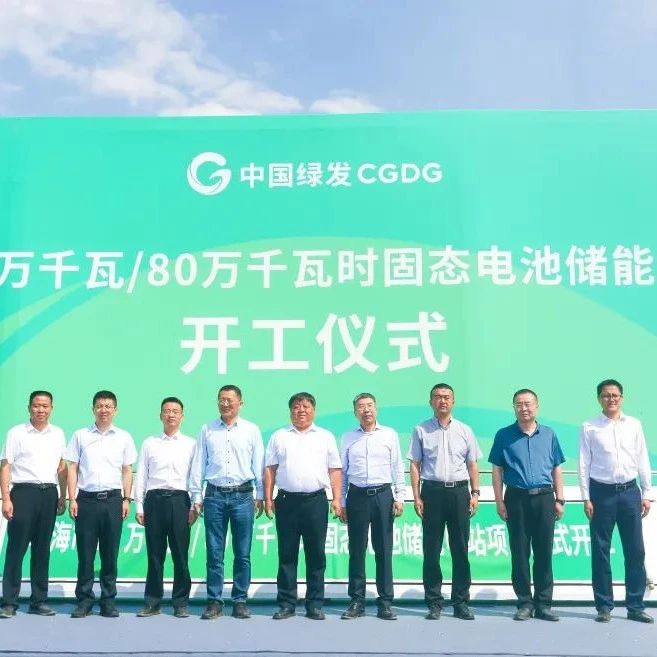
200MW/800MWh半固态电池储能项目落地内蒙古
中关村储能产业技术联盟· 2025-08-01 05:33
Core Viewpoint - The article discusses the launch of a new large-scale semi-solid battery energy storage project in Wuhai, China, highlighting advancements in energy storage technology and the growing trend of integrating innovative battery systems into energy infrastructure [2][3]. Group 1: Project Overview - The project involves a 200MW/800MWh semi-solid battery energy storage system, which is part of a broader trend in large-scale energy storage solutions [2]. - The energy storage system will consist of 40 units, each with a capacity of 5MW/20MWh, integrating a 5MW converter and four 5MWh semi-solid battery modules [2]. - The project is located in the Low Carbon Industrial Park of Wuhai City and is designed to connect to a new 110kV substation via a 35kV line [2]. Group 2: Construction Timeline - Construction of the project is set to begin on June 26, 2025, with the construction unit being Zhonglv Electric (Wuhai) Energy Storage Co., Ltd. [3].
2025上半年储能出海数据发布,老牌巨头与新势力竞逐
中关村储能产业技术联盟· 2025-07-31 09:15
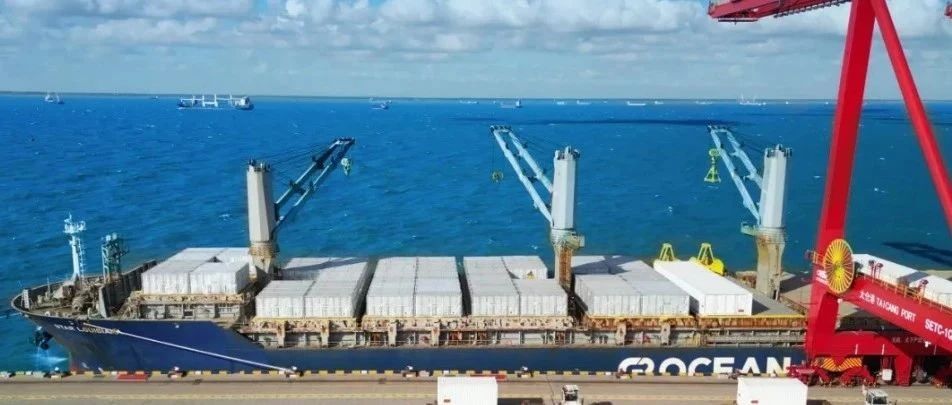
Core Viewpoint - In the first half of 2025, China's energy storage industry achieved significant growth in overseas orders, with a total of 163 GWh, representing a year-on-year increase of 246% [1][4]. Group 1: Market Expansion - Chinese energy storage companies have expanded their overseas orders to over 50 countries and regions, with notable orders from the Middle East, Australia, and Europe [4][6]. - Major projects include significant contracts from companies like CATL and BYD, with orders exceeding 10 GWh [6][12]. Group 2: Technological Diversification - The energy storage sector is witnessing a diversification in technology, with lithium batteries, sodium batteries, and flow batteries all advancing in international markets [2][8]. - Companies like Guangdong Haida and Beijing Punan are making strides in sodium and flow battery technologies, securing international orders [10][8]. Group 3: Competitive Landscape - Established companies like CATL and BYD leverage their brand recognition and technological capabilities to secure large contracts, while new entrants focus on niche markets and localized services [12][13]. - New players are rapidly gaining market share through customized solutions and strategic partnerships in emerging markets [13][16]. Group 4: Collaborative Models - The industry is evolving towards a collaborative model involving battery manufacturers, system integrators, and EPC service providers, enhancing competitiveness in global markets [14][16]. - Notable collaborations include projects in South Africa and Egypt, showcasing a unified approach to energy storage solutions [16][18]. Group 5: Long-term Operations - Long-term operation and maintenance services are becoming a competitive advantage, with companies like Envision Energy and Sungrow signing multi-year service agreements [15][18]. - This trend indicates a shift towards not just equipment supply but also ongoing technical support and asset management [15][18]. Group 6: Localization Strategies - Chinese companies are investing in local operations to enhance their global competitiveness, with significant investments in Indonesia and Malaysia [16][18]. - These initiatives aim to establish a comprehensive supply chain and manufacturing capabilities in key markets [16][18]. Group 7: Application Scenarios - The application scenarios for energy storage are diversifying, extending beyond traditional large-scale and residential storage to data centers and electric vehicle charging [17][18]. - Companies are actively pursuing opportunities in these new segments, indicating a robust growth trajectory for the energy storage industry [17][18].



湖南31个独立储能项目收益-2127万元,31个新能源配储不达标
中关村储能产业技术联盟· 2025-07-31 09:15
Core Viewpoint - The public announcement by Hunan Electric Grid on June 2025 outlines the energy storage configuration for renewable energy projects in Hunan Province, highlighting the need for compliance with energy storage requirements and the performance of independent energy storage stations [1][3]. Summary by Sections Energy Storage Configuration - In June 2025, there are a total of 322 renewable energy projects that should have energy storage, with an installed capacity of 1,890.46 MW and a required energy storage capacity of 217.52 MW [1]. - Out of these, 291 projects have achieved full energy storage compliance, with a total installed capacity of 1,690.78 MW and an actual energy storage of 208.01 MW (2.08 GW) [1]. - There are 31 projects that have not implemented energy storage, with a total installed capacity of 199.68 MW and a required energy storage of 19.02 MW [1]. Independent Energy Storage Stations - The charging and discharging settlement details for independent energy storage stations in June show that 31 independent energy storage stations generated a total revenue of -21,272,782.54 CNY [1]. Compliance and Public Feedback - The announcement invites any objections from individuals or organizations regarding the publicized content, with a specified period for submission [3]. - The review process will be conducted by the company and reported to the Hunan Provincial Energy Bureau for verification of any legitimate concerns [3].

300MW/600MWh!西南地区首座大规模混合型储能电站投运
中关村储能产业技术联盟· 2025-07-31 09:15
Core Viewpoint - The Sichuan Mianyang Port Flag Energy Storage Project, China's first large-scale hybrid energy storage station in the southwest region, has commenced operation, showcasing innovative energy storage technology and addressing local grid challenges [1][3]. Group 1: Project Overview - The Mianyang Port Flag Energy Storage Project is located in Shima Town, Mianyang, Sichuan, and is divided into two phases, with the first phase featuring 100 MW/200 MWh of electrochemical storage and 15 MW/0.525 MWh of flywheel storage [3]. - This project is recognized as one of the first new energy storage demonstration projects in Sichuan Province and is a key construction project for 2025 [3]. Group 2: Technological Innovation - The project employs a hybrid energy storage technology combining electrochemical and flywheel systems, creating a dual assurance system of "millisecond response + hour-level support" [3]. - This innovative approach effectively alleviates the issues of insufficient capacity at the 500 kV substation and the singularity of power sources at 220 kV and below, enhancing the flexibility and reliability of the regional power grid [3]. Group 3: Impact on the Power Grid - The operation of the project will reduce the transmission power through the Mianyang load center in the western Sichuan region, thereby decreasing grid operation losses and improving voltage stability in the area [3].

全国最大用户侧储能项目开工!一期超100MW/400MWh,二期将增至1GWh!
中关村储能产业技术联盟· 2025-07-31 09:15
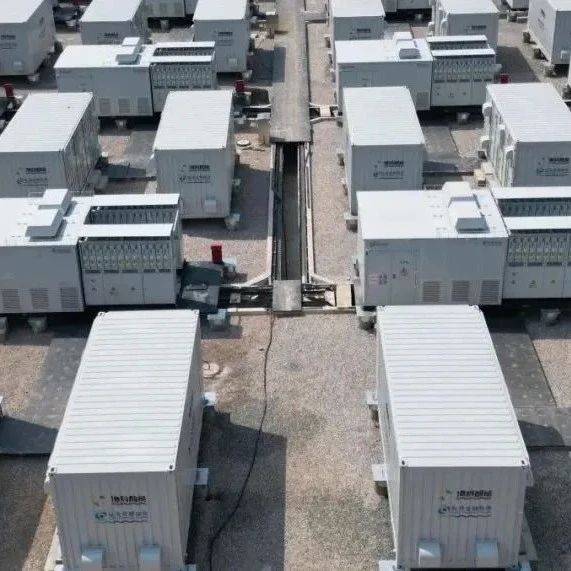
Core Viewpoint - The collaboration between Penghui Energy and Sichuan Zhongfu marks a significant advancement in the aluminum industry with the launch of a large-scale user-side energy storage project, aiming to enhance energy efficiency and reduce carbon emissions through innovative technology [2][3]. Group 1: Project Overview - The first phase of the energy storage project has a scale exceeding 100MW/400MWh, located in the Yuanjiaba Industrial Park of Guangyuan Economic and Technological Development Zone, Sichuan [2]. - The project is set to expand to 400MW/1000MWh in the second phase, with an expected completion date of November 30, 2025, and the first unit is planned to be operational by September 30, 2025 [2]. - The total construction period is estimated to be 120 days [2]. Group 2: Technological Innovation - The project will implement a new technology in the aluminum industry, known as electrochemical energy storage direct current access technology, in collaboration with Sichuan Zhongfu Technology Development Co., Ltd [3]. - This technology will integrate photovoltaic systems to create a "light + storage coupling" direct supply system, significantly reducing energy loss and improving economic efficiency [3]. - The initiative aims to innovate and upgrade energy-saving and carbon-reduction technologies within the aluminum industry [3]. Group 3: Related Developments - Penghui Energy is also involved in a battery storage project in Qingdao, Shandong, with a total investment of 13 billion yuan, which is nearing trial production [5]. - The National Energy Administration projects that new energy storage installations will reach 94.91GW/222GWh in the first half of 2025, representing an approximate 29% increase compared to the end of 2024 [5]. - New operational revenue calculation methods for user-side energy storage in Sichuan are set to be released in 2025 [5].