中关村储能产业技术联盟

Search documents
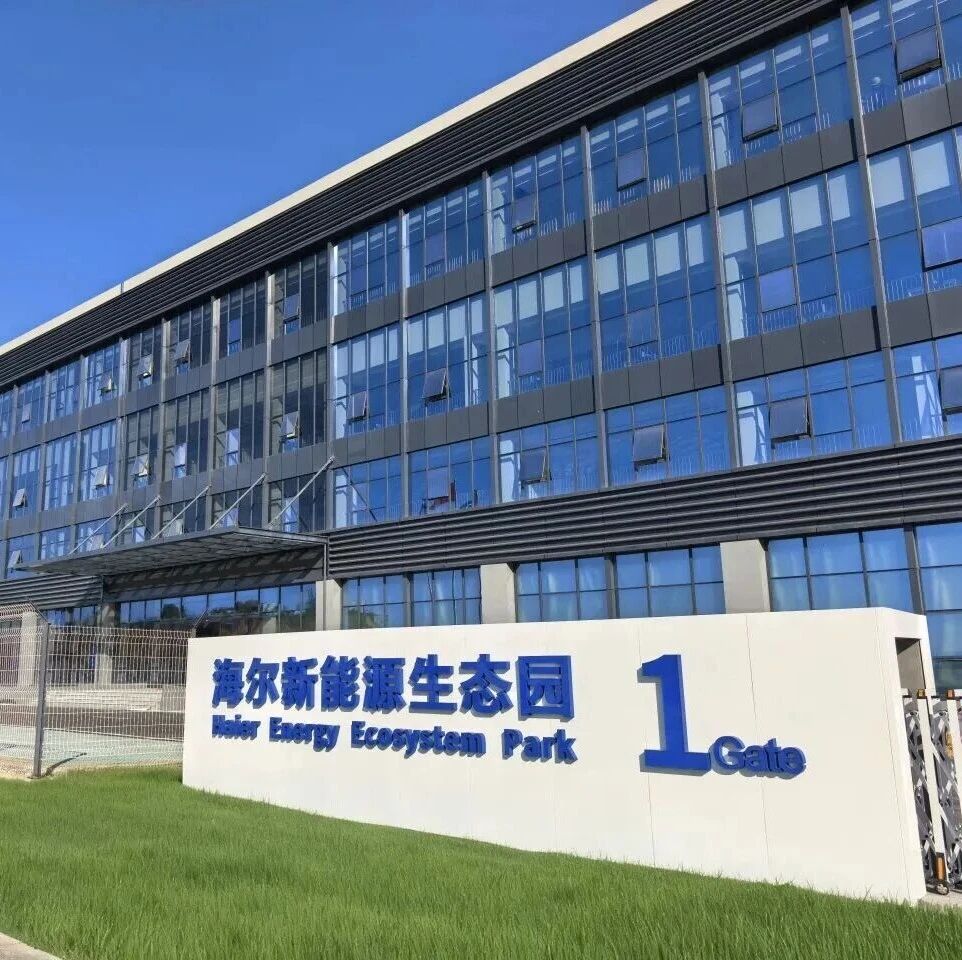
海尔新能源:在储能PCS等核心智控器产品实现全面自研自制
中关村储能产业技术联盟· 2026-02-01 02:43
Group 1 - The core viewpoint of the article highlights Haier New Energy's significant advancements in self-research and manufacturing of core intelligent control products, including photovoltaic inverters and energy storage converters, marked by the opening of the new energy ecological park in Qingdao [3][5]. - Haier Group's lean manufacturing capabilities empower efficient operations within the ecological park, which spans approximately 45 acres and includes 13 production lines for inverters and circuit boards, creating a comprehensive industrial base covering R&D, manufacturing, and sales [5]. - The company has completed the counseling filing with the Qingdao Securities Regulatory Bureau, officially initiating its IPO process, and has secured over 1 billion yuan in B-round financing to enhance its position as a leader in smart distributed clean energy solutions [6]. Group 2 - The ecological park utilizes advanced technologies such as AI visual recognition and digital twin to significantly improve per capita efficiency, while the digitalization aspect integrates data across personnel, equipment, environment, and management into a comprehensive management platform [5]. - Haier New Energy aims to leverage resources from the Qingdao Science and Technology Innovation Corridor to accelerate innovation in green energy, with a vision to become a leading provider of AI-driven energy internet ecological platforms [6]. - The article also mentions the upcoming 14th International Energy Storage Summit and Exhibition, indicating the growing importance of energy storage in the industry [7].

PPT分享 | 2025新型储能产业发展现状及趋势
中关村储能产业技术联盟· 2026-02-01 02:43
Core Viewpoint - The new energy storage industry in China has experienced significant growth, with a total installed capacity of 66.43 GW and energy capacity of 189.48 GWh added in 2025, representing year-on-year increases of 52% and 73% respectively. The industry is expected to continue evolving towards longer-duration energy storage solutions and deeper integration with renewable energy sources [3][41][95]. Group 1: Industry Development Overview - In 2025, the cumulative installed capacity of new energy storage in China reached 213.3 GW, a year-on-year increase of 54% [13]. - The average storage duration for new energy storage systems has gradually increased from 2.11 hours in 2021 to 2.58 hours in 2025, with projections indicating it could reach 3.47 hours by 2030 [95]. - The top ten provinces in China accounted for nearly 90% of the total installed capacity, with Inner Mongolia leading in both energy and power capacity, surpassing California to become the world's top province [3][48]. Group 2: Market Trends and Projections - The growth rate of new energy storage installations is expected to slow down, but the large base will still generate significant absolute increments, with projections suggesting a cumulative installed capacity of over 370 million kW by 2030 [4]. - The market is transitioning from policy-driven growth to market-driven high-quality development, with expected annual compound growth rates of 20.7% to 25.5% from 2026 to 2030 [98]. - The penetration rate of new energy storage in wind and solar power generation has increased significantly, from 0.61% at the end of the 13th Five-Year Plan to 6.88% at the end of the 14th Five-Year Plan [17]. Group 3: Technological Advancements - During the 14th Five-Year Plan period, significant technological breakthroughs have been made in energy storage, including increased capacity of lithium battery cells and advancements in flow battery efficiency [9][10]. - The industry is witnessing a shift towards longer-duration storage solutions, with a notable increase in projects exceeding 4 hours of storage duration [45]. - The average available capacity of new energy storage systems has shown high reliability, with peak discharge capabilities reaching 44.53 million kW in 2025 [24]. Group 4: Project and Market Dynamics - The number of newly operational energy storage projects in 2025 was 5,014, with a total power capacity of 328.0 GW, indicating a shift towards larger-scale projects [39]. - The bidding landscape for new energy storage projects is becoming more rational, with a focus on quality over quantity, as the number of projects remains stable or slightly declines [53]. - The market is diversifying, with energy storage systems now participating in various market categories, including long-term, spot, and ancillary services [21].
114号文解读:电网侧独立新型储能容量电价机制落地,开启市场化发展新篇章
中关村储能产业技术联盟· 2026-01-30 10:03
Core Viewpoint - The release of the "Notice on Improving the Capacity Price Mechanism for Power Generation" marks a significant policy breakthrough for the new energy storage industry in China, officially recognizing the capacity value of new energy storage at the national level and integrating it into the power generation capacity price mechanism [3][4]. Group 1: Policy Impact - The "114 Document" establishes a new capacity price mechanism for grid-side independent new energy storage, allowing local governments to set capacity prices based on local coal power standards, considering discharge duration and peak contribution [3][4]. - The document aims to support the sustainable development of the new energy storage industry by creating a comprehensive revenue framework that includes energy market revenue, ancillary service market revenue, and capacity price revenue [3][4]. Group 2: Industry Growth - The new energy storage industry in China has experienced explosive growth, with a cumulative installed capacity of 144.7 GW by the end of 2025, representing an 85% year-on-year increase and 45 times the capacity at the end of the 13th Five-Year Plan [4]. - Independent storage has become the largest application scenario, increasing its share from 35% to 58% by the end of 2025, aligning with the demand for large-scale and centralized dispatch of storage resources [4]. Group 3: Economic Viability - The period of the 14th Five-Year Plan has driven significant technological advancements and cost reductions in the new energy storage sector, with lithium battery prices dropping over 60% compared to the end of the 13th Five-Year Plan [5]. - Various technologies, including compressed air storage and liquid flow batteries, are maturing and can meet different grid adjustment needs, establishing a solid economic and technical foundation for market development [5]. Group 4: Market Reforms - The cancellation of the mandatory storage policy for incremental renewable energy has created challenges for independent storage projects, which now struggle to cover investment and operational costs solely through energy and ancillary service markets [6][7]. - The introduction of the capacity price mechanism is seen as essential for providing stable expectations for project investment and construction [7]. Group 5: Peak Support Role - New energy storage has become a crucial support for power supply, with a maximum discharge capacity of 44.53 million kilowatts recorded during peak summer demand in 2025, equivalent to nearly three Three Gorges hydropower stations [8]. - The integration of independent storage into the capacity price mechanism is expected to enhance its peak support capabilities, ensuring the stable operation of the power system [8]. Group 6: Implementation Strategy - The capacity price mechanism will be implemented in phases, with current pricing based on local coal power standards and adjusted according to peak capacity and market conditions [10]. - A reliable capacity compensation mechanism will be established after the continuous operation of the electricity spot market, ensuring fair compensation for various adjustment resources [11]. Group 7: Collaborative Development - The implementation of the "114 Document" requires collaboration among various stakeholders, including investment and operational entities, to ensure high-quality development of the new energy storage industry [13][14]. - Local authorities are tasked with effective planning and management to prevent resource waste and market volatility, ensuring that policy benefits reach reliable and high-quality storage projects [14]. Group 8: Future Outlook - The "114 Document" completes the revenue framework for new energy storage, paving the way for market-oriented development during the 14th Five-Year Plan, with expectations for deep integration with electricity markets and artificial intelligence [15]. - The new energy storage industry is anticipated to lead global market trends and support the achievement of carbon peak goals in the energy sector [15].

新型储能的“保底工资”来了!容量电价水平参照煤电标准,结合放电时长和顶峰贡献
中关村储能产业技术联盟· 2026-01-30 09:11
Core Viewpoint - The article discusses the implementation of a new capacity pricing mechanism for power generation, aimed at enhancing the stability and efficiency of the electricity system while supporting the transition to a green and low-carbon energy structure [4][14][16]. Summary by Sections 1. Introduction of the Notification - The National Development and Reform Commission (NDRC) and the National Energy Administration (NEA) issued a notification to improve the capacity pricing mechanism for power generation, aligning with national energy reform and the construction of a new energy system [4][14]. 2. Reasons for Improvement - The rapid development of renewable energy in China necessitates the construction of flexible power sources to ensure stable electricity supply during periods of low renewable output. The existing capacity pricing mechanisms for coal, gas, and pumped storage power have been established to support this transition [5][6]. 3. Classification and Improvement of Capacity Pricing Mechanisms - The notification categorizes and improves the capacity pricing mechanisms for coal, gas, pumped storage, and independent new energy storage. For coal and gas, the fixed cost recovery ratio through capacity pricing will be raised to at least 50%, equating to 165 yuan per kilowatt annually [7][17]. - For pumped storage, existing projects will maintain current pricing, while new projects will adopt a unified capacity pricing based on average cost recovery principles [7][18]. - A new capacity pricing mechanism for independent new energy storage will be established based on local coal capacity pricing standards, considering peak contribution and discharge duration [8][19]. 4. Establishment of Reliable Capacity Compensation Mechanism - A reliable capacity compensation mechanism will be introduced to ensure that different types of power generation units are compensated fairly based on their peak capacity contributions, promoting healthy competition among technologies [9][20]. 5. Optimization of Market Trading and Pricing Mechanisms - The notification encourages fair participation of pumped storage and new energy storage in the electricity market, allowing for adjustments in coal power trading price limits based on local market conditions [10][22]. - It promotes flexible pricing mechanisms in long-term contracts to better reflect supply and demand dynamics [11][22]. 6. Impact on End Users - The policy will not affect electricity prices for residential and agricultural users, while commercial users may see a balanced impact due to the adjustments in capacity pricing and energy market costs [12][13]. 7. Positive Effects of the Improved Mechanism - The improvements are expected to enhance power supply security, support renewable energy utilization, and promote the healthy development of flexible power sources, ultimately facilitating the construction of a new energy system [13][16].
重磅!国家首次将新型储能纳入容量电价机制!关于完善发电侧容量电价机制的通知发布
中关村储能产业技术联盟· 2026-01-30 08:12
Core Viewpoint - The article discusses the implementation of a new capacity pricing mechanism for power generation, focusing on the establishment of an independent capacity pricing mechanism for grid-side new energy storage, aimed at ensuring the stable operation of the power system and promoting green development [6][8]. Group 1: Overall Strategy - The strategy aims to adapt to the needs of the new power system and market, balancing power supply security, green energy transition, and efficient resource allocation [8]. - It emphasizes the need to improve capacity pricing mechanisms for coal, natural gas, pumped storage, and new energy storage, optimizing the power market structure [8]. Group 2: Capacity Pricing Mechanism Improvement - The capacity pricing mechanism for coal and natural gas power generation will be enhanced, with a recovery ratio of fixed costs for coal power plants increased to no less than 50% [9]. - A capacity pricing mechanism for natural gas power generation will be established, determining prices based on a fixed cost recovery ratio [10]. - For pumped storage, the pricing will continue to be government-regulated for projects started before the issuance of relevant guidelines, while new projects will have their prices determined based on market participation [10]. Group 3: Establishment of New Energy Storage Pricing Mechanism - An independent capacity pricing mechanism for grid-side new energy storage will be established, with pricing based on local coal power capacity standards and adjusted according to peak capacity [11]. - The management of grid-side new energy storage projects will follow a list-based approach, with specific requirements set by the National Energy Administration [11]. Group 4: Reliable Capacity Compensation Mechanism - A reliable capacity compensation mechanism will be established to compensate power generation units based on their ability to provide stable power during peak demand periods [12]. - The compensation will consider fixed costs that cannot be recovered in energy and ancillary service markets, with adjustments based on supply-demand relationships and market progress [12]. - The compensation scope will include coal, gas, and eligible new energy storage units, gradually expanding to include pumped storage [12]. Group 5: Supporting Policies - The article outlines the need to improve electricity market trading and pricing mechanisms, allowing for flexible pricing in long-term contracts based on market conditions [14]. - It also discusses the integration of capacity fees and compensation into local system operating costs, with specific pricing rules for energy storage [15]. - A shared cost allocation method for regional pumped storage capacity fees will be established, promoting market-based optimization [15]. Group 6: Implementation and Coordination - The article emphasizes the importance of collaboration among provincial price authorities and relevant departments to implement capacity pricing policies effectively [16]. - It highlights the need for an assessment system to evaluate users' economic capacity to bear electricity costs, which will inform compensation standards [16]. - Strengthening capacity fee assessments will guide power generation units to enhance operational efficiency and peak output capabilities [17].

国家能源局:新型储能累计装机351GWh,平均储能时长2.58小时
中关村储能产业技术联盟· 2026-01-30 05:40
Core Viewpoint - The article discusses the 2025 energy outlook in China, highlighting significant advancements in energy supply security, green low-carbon transformation, and the development of new energy storage systems, which are crucial for supporting economic recovery and ensuring energy supply stability. Energy Supply Security - By 2025, China's energy supply security is expected to improve significantly, with stable coal production and record-high oil and gas outputs. The industrial crude oil production is projected to increase by 1.5% year-on-year, while natural gas production is expected to rise by 6.2% [5][6] - The power supply is anticipated to remain stable, supported by the commissioning of several ultra-high voltage direct current transmission projects, enhancing the interconnectivity of the power system [6] Green Low-Carbon Transformation - The pace of green low-carbon transformation is accelerating, with new policies aimed at integrating and promoting renewable energy consumption. Wind and solar power installations are expected to exceed 430 million kilowatts, with total installed capacity surpassing 1.8 billion kilowatts, accounting for over 60% of renewable energy generation [6][7] - Renewable energy generation is projected to reach approximately 4 trillion kilowatt-hours, exceeding the combined electricity consumption of the 27 EU countries [6] New Energy Storage Development - New energy storage installations are expected to grow by 84% compared to the end of 2024, reaching a total capacity of 136 million kilowatts (351 million kilowatt-hours) by the end of 2025, marking a more than 40-fold increase compared to the end of the 13th Five-Year Plan [12][14] - The average storage duration is projected to increase to 2.58 hours, an increase of 0.30 hours from the end of 2024 [12] Electricity Market Transactions - The total electricity market transaction volume is expected to reach a record high of 664 billion kilowatt-hours in 2025, with a year-on-year growth of 7.4%. Market-based transactions are projected to account for 64% of total electricity consumption, an increase of 1.3 percentage points [15][16] - Cross-regional electricity transactions are anticipated to grow to 1.59 trillion kilowatt-hours, a historical high, with a year-on-year increase of 11.6% [16] Investment Trends - National energy investment is expected to maintain rapid growth, with key project investments exceeding 3.5 trillion yuan, a year-on-year increase of nearly 11% [21] - Investment in green transition new business formats is accelerating, with significant growth in wind and solar power installations and new energy storage projects [21][27] Regulatory Developments - The article highlights the ongoing reforms in the electricity retail market, with a focus on enhancing the regulatory framework for electricity sales companies to ensure market stability and fair competition [22][23] - The introduction of new rules for long-term electricity market transactions aims to adapt to the evolving energy landscape and support the construction of a unified national electricity market [19][20]
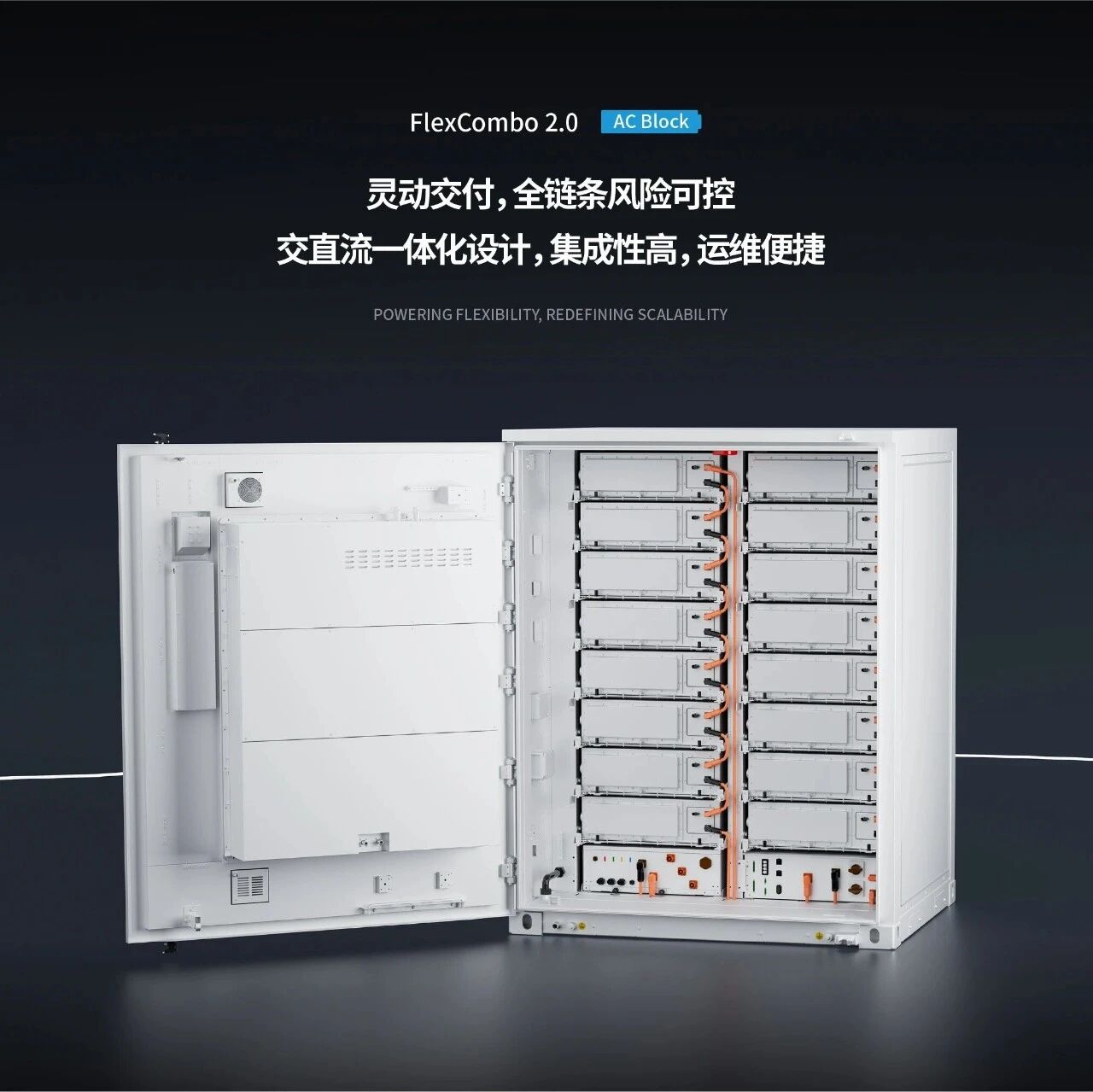
搭载新一代构网型技术!库博能源FlexCombo 2.0储能解决方案重磅发布
中关村储能产业技术联盟· 2026-01-29 07:01
Core Viewpoint - The article emphasizes the launch of FlexCombo 2.0 by Kubo Energy, a new generation of flexible energy storage solutions aimed at creating a stable, efficient, and intelligent power system in the context of global energy transition [2]. Group 1: Addressing Owner Challenges - FlexCombo 2.0 introduces an innovative solution based on the concept of "smart stacking," allowing for flexible deployment and smart operation, which helps clients manage initial capital expenditures (CAPEX) effectively [4]. - The system supports flexible upgrades and modular additions, enabling energy planning to move away from one-time investments to a model of "growing while investing" [6]. - The integration of next-generation grid-forming technology enhances grid resilience and addresses developers' concerns regarding regulatory changes and project requirements [6]. Group 2: Agile Delivery and Risk Management - FlexCombo 2.0 features an integrated AC/DC design, pre-installed and pre-adjusted systems, which streamline the delivery process and mitigate risks associated with traditional setups [8]. - Each FlexCombo module is designed to be ≤8 tons, compatible with standard shipping containers, facilitating easy transport and installation without special arrangements [10]. - The system significantly optimizes transportation costs and risks while improving delivery speed and quality, thus simplifying long-term maintenance [12]. Group 3: Comprehensive Testing for Safe Operation - Safety is a fundamental aspect of the energy storage system, with FlexCombo 2.0 incorporating triple safety protections to ensure operational reliability [15]. - The system has passed key global safety tests, including UL9540A, IEC62933, and CE, ensuring the safety baseline of storage assets [15]. - Kubo Energy conducts extensive long-term testing in its environmental laboratory to validate equipment usability under extreme conditions, enhancing customer trust and securing partnerships with numerous companies [15]. Group 4: Collaborative Future in Energy Storage - The philosophy behind FlexCombo 2.0 is rooted in Kubo Energy's years of focus and collaboration with global partners, including developers and contractors [17]. - The company aims to deepen cooperation across the entire project lifecycle, from planning to delivery and expansion, to innovate in asset operation and long-term value [18]. - Kubo Energy is committed to resolving the conflicts between scale enhancement, cost efficiency, and technological iteration, driving the global energy storage industry towards a more flexible, efficient, and safe future [19].
2025最新电力数据:总装机38.9亿千瓦,新能源主导电力系统拐点
中关村储能产业技术联盟· 2026-01-29 07:01
Core Viewpoint - The article highlights that China's energy transition has shifted from merely expanding installed capacity to focusing on system efficiency, dispatch capability, and structural optimization, indicating a fundamental change in the operational logic of the power system [5][8]. Group 1: Installed Capacity and Growth - As of the end of 2025, the total installed power generation capacity in China reached 389.134 million kilowatts, a year-on-year increase of 16.1% [4]. - Solar power generation capacity reached 120.173 million kilowatts, growing by 35.4%, while wind power capacity reached 64.001 million kilowatts, increasing by 22.9% [5]. - In contrast, the growth rates for hydropower, thermal power, and nuclear power were significantly lower at 2.9%, 6.3%, and 2.7%, respectively, indicating a shift towards renewable energy as the main contributor to new capacity [5]. Group 2: Utilization Efficiency and Challenges - The average utilization hours of power generation equipment in China fell to 3,119 hours in 2025, a decrease of 312 hours year-on-year, reflecting increasing systemic pressure on energy consumption [6]. - The decline in utilization hours has been consistent, dropping from over 3,800 hours in 2021 to around 3,400 hours in 2024, indicating a growing challenge in effectively utilizing installed capacity [6][7]. - The reduction in utilization hours affects not only renewable projects but also traditional thermal and gas power plants, which are increasingly relegated to peak shaving and backup roles, altering their revenue models [7]. Group 3: Future Investment and Policy Implications - Future investment decisions in the power sector will increasingly depend on grid connectivity, consumption capacity, and system contribution rather than just installed capacity and resource conditions [8]. - Accelerating the construction of a new power system and addressing flexibility shortcomings will be essential for stabilizing the energy transition and reducing system costs [8].
巴西矿业能源部长会见宁德时代/远景/华为/三一,共商储能合作
中关村储能产业技术联盟· 2026-01-29 07:01
Core Viewpoint - Brazil is actively seeking collaboration with Chinese companies in the fields of battery storage, critical mineral development, and green hydrogen to transform its energy structure and promote sustainable industrial development [3][12]. Group 1: Meetings with Chinese Companies - On January 19, Brazilian Minister Silveira visited SANY Group to discuss investment plans for an industrial center in Brazil focused on heavy machinery, mining, oil and gas, energy, and power storage [4]. - During a meeting with Envision Energy on January 20, Silveira highlighted Brazil's strategic investment opportunities in sustainable aviation fuel, green hydrogen and ammonia, large-scale wind power, and battery storage, emphasizing Brazil's renewable energy potential and stable policy framework [6]. - In discussions with CATL on January 21, the focus was on the upcoming battery storage auction in Brazil scheduled for April 2026, with an emphasis on sustainable development and value enhancement of key minerals like lithium [8]. - On January 23, Silveira met with Huawei to explore battery storage systems and encourage broader participation of Chinese companies in the upcoming battery auction [10]. Group 2: Policy and Market Developments - Brazil's Law No. 15,269, effective November 2025, eliminates import tariffs on battery storage systems and key components, providing direct incentives for investment and collaboration [12]. - The series of visits aims to attract global attention to Brazil's battery storage auction in 2026 and signals Brazil's shift from a traditional resource-exporting country to an active participant in global green technology and industry cooperation [12]. - The 14th International Energy Storage Summit and Exhibition (ESIE 2026) will be held from March 31 to April 3, 2026, in Beijing, focusing on technological innovation, market trends, and global opportunities in the energy storage sector [13].



资产超95万亿、利润2.5万亿!央企2025“成绩单”发布
中关村储能产业技术联盟· 2026-01-29 00:41
Core Viewpoint - The article highlights the significant achievements of state-owned enterprises (SOEs) in China by 2025, emphasizing their role in economic development, strategic investments, and contributions to national goals. Group 1: Financial Performance - By the end of 2025, the total assets of SOEs exceeded 95 trillion yuan, with a profit of 2.5 trillion yuan and fixed asset investments reaching 5.1 trillion yuan [5][4] - During the "14th Five-Year Plan" period, SOEs achieved an average annual growth rate of 6.9%, with total profits increasing by 56.2% compared to the previous five-year period [6][4] Group 2: Strategic Investments - In 2025, SOEs invested 2.5 trillion yuan in strategic emerging industries, accounting for 41.8% of total investments, with revenues from these industries exceeding 12 trillion yuan [7][4] - Cumulatively, SOEs invested over 10 trillion yuan in strategic emerging industries since the beginning of the "14th Five-Year Plan," increasing their investment share from 22% to over 40% [8][4] Group 3: Research and Development - SOEs' R&D investment reached 1.1 trillion yuan in 2025, maintaining over 1 trillion yuan for four consecutive years, with significant breakthroughs in various fields [9][4] - The establishment of 23 innovation consortia involved over 100 entities, enhancing the national strategic technological capabilities [9][4] Group 4: Social Responsibility - By 2025, SOEs contributed 160.3 billion yuan in support funds and trained 1.487 million personnel, significantly aiding rural revitalization efforts [11][4] - SOEs' revenue from key sectors related to national security and public welfare exceeded 70% [10][4] Group 5: Environmental Goals - SOEs are on track to meet their energy consumption and carbon emission reduction targets, with a projected decrease of 15% and 18% respectively during the "14th Five-Year Plan" [12][4] Group 6: Organizational Restructuring - New SOEs were established, and strategic reorganizations were conducted to enhance capabilities in key industries, including satellite communication and biotechnology [14][4] Group 7: Future Goals - For 2026, SOEs aim to ensure continuous growth in value added and optimize key operational indicators, aligning with national GDP growth [23][4]