中关村储能产业技术联盟

Search documents
5.2GWh!澳大利亚两大储能项目提交审批
中关村储能产业技术联盟· 2025-07-14 11:23
Core Viewpoint - Two large-scale battery storage projects in Australia, totaling 5.2 GWh, have been submitted for approval under the Environment Protection and Biodiversity Conservation Act, aimed at enhancing the stability of the local renewable energy grid [1]. Group 1: Canyonleigh Battery Storage Project - The Canyonleigh project, developed by Spanish sustainable energy developer X-Elio, has a capacity of 300 MW / 1200 MWh and is located in the Southern Highlands of New South Wales [2]. - The project site is adjacent to the Willavale Park renewable energy project, which includes a 300 MW / 600 MWh battery storage system and a 72 MW peak photovoltaic power station, creating a synergistic "storage + photovoltaic" layout [2]. - The total area of the Canyonleigh project is approximately 48 hectares, with the storage system occupying 13 hectares, utilizing lithium-ion batteries. The construction and commissioning period is expected to be 12 to 18 months, with a design operational lifespan of 20 to 30 years [3]. Group 2: Kiar Battery Storage Project - The Kiar project, led by independent renewable energy consultancy BID Energy, has a capacity of 1000 MW / 4000 MWh and is located about 100 kilometers north of Sydney in the Central Coast region of New South Wales [4]. - The project will connect to the National Electricity Market via a 330 kV line operated by Transgrid, leveraging existing infrastructure to reduce grid connection costs [4]. - The project will occupy approximately 110 hectares, with a design operational lifespan of 25 years. The construction period is estimated to be 18 to 24 months, with plans for commissioning by the end of 2027 or early 2028 [4]. Group 3: Environmental Approval Process - Both projects must undergo environmental impact assessments as per the Australian Environment Protection and Biodiversity Conservation Act. If deemed to have no significant ecological impact, they will receive development approval; otherwise, further scrutiny will be required for any major environmental risks [5]. Group 4: Market Context - The Australian electricity market is undergoing significant reforms, which are expected to benefit battery storage initiatives. Australian battery manufacturers are also entering the U.S. storage market, targeting a total of 5 GWh [6].


台湾首家超级电池工厂发生火灾
中关村储能产业技术联盟· 2025-07-14 03:54
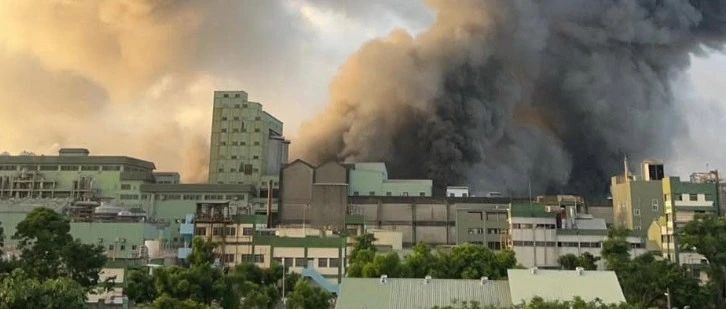
Core Points - A fire broke out at the San Yuan Energy Company in Kaohsiung's Xiaogang District, resulting in injuries to 12 employees and 3 firefighters [1][7] - The company is Taiwan's first super battery factory, producing high-capacity nickel ternary batteries with an annual capacity of 1.8 GW, sufficient for 24,000 electric vehicles [5] Group 1 - The fire started early in the morning, with significant smoke and explosions reported [1] - The local fire department deployed 46 rescue vehicles and 91 personnel to the scene, utilizing robots for firefighting efforts [1] - The cause of the fire and the extent of property damage are still under investigation [7] Group 2 - The San Yuan Energy Technology lithium battery plant is located near Kaohsiung International Airport, but the fire did not affect flight operations [3]
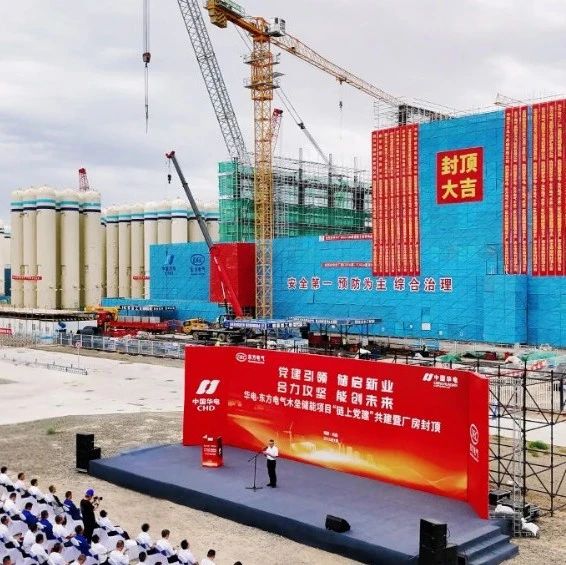
全球最大!华电集团木垒100MW/1000MWh二氧化碳储能项目顺利封顶
中关村储能产业技术联盟· 2025-07-13 14:55
Core Viewpoint - The Huadian Group's Mu Lei carbon dioxide storage project has successfully completed the main structure, marking a significant step towards establishing the world's largest carbon dioxide storage project, which will support large-scale wind and solar energy bases in desert and arid regions [1]. Group 1: Project Overview - The project is located in the Changji Hui Autonomous Prefecture of Xinjiang, with a planned capacity of 600,000 kW of wind power, 400,000 kW of solar power, and 1,000,000 kWh of storage [1]. - It features a compressed carbon dioxide storage system with an 8-hour storage duration and a 10-hour power generation duration, utilizing a non-combustion compressed carbon dioxide storage technology [1]. Group 2: Advantages of Carbon Dioxide Storage - The carbon dioxide storage system offers several advantages, including large capacity, long duration, and safety, making it suitable for various storage scenarios [5]. - It operates in a closed system, minimizing environmental impact and avoiding the generation of pollutants, with no special geological conditions required for site selection [5]. - The construction period is approximately 2 years, with a lifespan exceeding 30 years, and it operates with zero carbon emissions [5]. - The system maintains constant pressure throughout its operation, ensuring high efficiency and the ability to quickly respond to grid demands, providing ancillary services such as frequency regulation and peak shaving [5]. Group 3: Industry Context - The project aligns with recent developments in Xinjiang, where two major storage projects have also commenced, indicating a growing focus on energy storage solutions in the region [6].
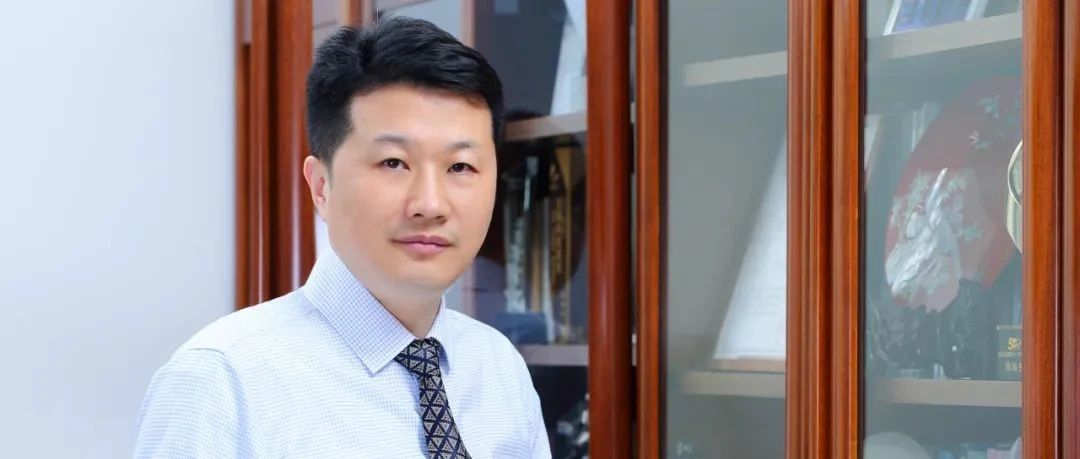
先进压缩空气储能创始人陈海生入选2025年全球顶尖科学家榜单
中关村储能产业技术联盟· 2025-07-13 14:55
Core Viewpoint - Research.com has released the list of top scientists in various disciplines for 2025, with Chen Haisheng, founder of advanced compressed air energy storage, being recognized as a top scientist in the Engineering and Technology field [1][3]. Group 1: Achievements of Chen Haisheng - Chen Haisheng has been engaged in research on advanced compressed air energy storage and large-scale physical energy storage, leading the development of the world's first demonstration projects of 1.5MW, 10MW, 100MW, and 300MW [3]. - He has published over 700 academic papers, including more than 370 SCI papers, with a total citation count exceeding 30,000, of which over 17,000 are SCI citations [3]. - Chen has been awarded numerous prestigious awards, including the Special Award of the China Youth Science and Technology Award, First Prize of the Beijing Science and Technology Award, and the Newton Advanced Scholar Award from the Royal Society of the UK [3]. Group 2: Research.com Ranking Methodology - Research.com is a leading academic research website that has been providing reliable data on scientific contributions since 2014, releasing annual rankings of top scientists based on the D-Index (Discipline H-Index) [4]. - The ranking is derived from various data sources, including OpenAlex and CrossRef, to estimate citation metrics, with bibliometric data available until November 27, 2024 [4].
再创新高!山东144座新型储能电站集中调用规模刷新纪录
中关村储能产业技术联盟· 2025-07-12 13:05
Core Viewpoint - The article highlights the significant role of new energy storage systems in balancing electricity supply and demand during peak usage times, particularly in Shandong province, where recent large-scale storage operations have set new records for power discharge capacity [1][3][9]. Group 1: New Energy Storage Operations - On July 11, Shandong initiated a large-scale operation involving 144 new energy storage stations, achieving a total capacity of 8.25 million kilowatts and a maximum discharge power of 8.0359 million kilowatts [1][10]. - Prior to this, Jiangsu province conducted a similar operation on July 6, with 93 storage stations achieving a maximum discharge of 7.14 million kilowatts, marking a 56.9% increase year-on-year [3][9]. Group 2: Importance of Energy Storage - Energy storage systems are crucial for managing the dynamic nature of electricity demand, particularly during peak hours when the load significantly increases [5][6]. - The fluctuations in renewable energy output, such as the record solar generation of 66.615 million kilowatts in Shandong on July 5, necessitate the use of storage systems to maintain grid stability [6][8]. Group 3: Development of Energy Storage in Shandong - Shandong has been proactive in developing its energy storage capabilities, establishing a market mechanism for independent storage participation and promoting various storage projects [8][9]. - The province's new energy storage capacity has reached 9.4 million kilowatts, ranking third in the country, and includes diverse technologies such as electrochemical and compressed air storage [8][10]. Group 4: Future Prospects and Strategic Goals - The recent large-scale energy storage operations reflect the overall development of Shandong's storage industry and its integration into the new power system [9][10]. - The provincial authorities aim to enhance grid regulation capabilities and increase the consumption of clean energy, with a target to exceed 10 gigawatts of new energy storage capacity by the end of the year [13].
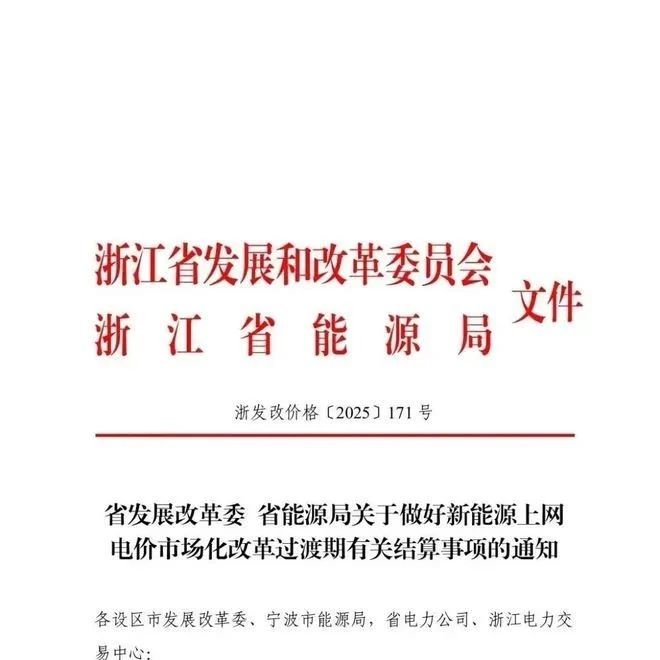
增量项目90%煤电基准价+10%现货电价!浙江过渡期上网电价出台
中关村储能产业技术联盟· 2025-07-12 13:05
Core Viewpoint - The article discusses the implementation of a transitional pricing scheme for renewable energy grid connection in Zhejiang Province, which will be in effect until the new market-oriented pricing reform is introduced [1][2][10]. Summary by Sections Transitional Pricing Scheme - The transitional period for the pricing scheme is from June 1, 2025, until the new market-oriented pricing reform is implemented [3][9]. - For existing projects (those fully operational before June 1, 2025), the current pricing policies and market rules will continue to apply [3][9]. - For new projects (those fully operational on or after June 1, 2025), the pricing will be set at 90% of the coal-fired power benchmark price plus 10% based on the real-time spot market price, differentiated by wind and solar categories [4][9]. Definition of Full Capacity Connection - The determination of full capacity connection time for projects requiring a power business license will be based on the date indicated on the license; for multiple units, the date of the last unit's connection will be used [4][9]. - For projects not requiring a power business license, the first connection time recorded by the grid company will be used [4][9]. Green Power Trading - All types of renewable energy projects, including new projects, can participate in green power trading and settlement according to existing market rules [5][9].
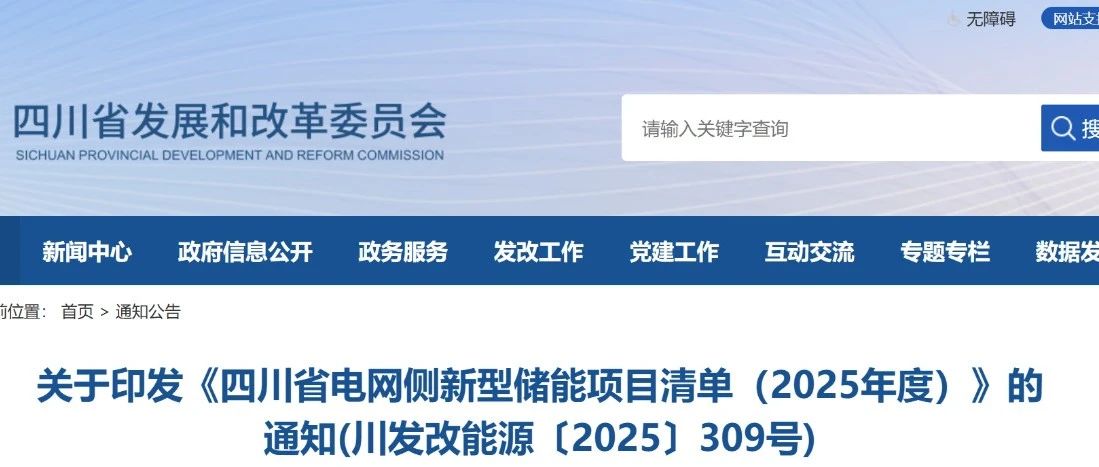
27个项目8.24GWh!四川省2025年度电网侧新型储能项目清单发布
中关村储能产业技术联盟· 2025-07-11 07:16
Core Viewpoint - The Sichuan Provincial Development and Reform Commission has released a list of new energy storage projects for the year 2025, totaling a capacity of 3.02 GW and 8.24 GWh, with various technologies involved [1][3]. Summary by Sections Project Overview - A total of 27 new energy storage projects have been announced, with a combined capacity of 3.02 GW and 8.24 GWh [1]. - The technologies included in these projects are compressed air storage, new solid-state batteries, supercapacitors, lithium iron phosphate, sodium-ion, all-vanadium flow storage, and titanium acid lithium [1]. Project Implementation Guidelines - Local development and reform commissions and energy authorities are instructed to guide and coordinate the construction of these projects [3]. - Project owners are encouraged to expedite implementation based on market principles, and projects that do not commence within one year will be removed from the list [3]. - Emphasis is placed on safety responsibilities and compliance with safety and fire management requirements during construction and operation [3]. Detailed Project List - The project list includes various projects such as: - Longquanyi District: 100 MW/200 MWh centralized storage [5]. - Shudao Clean Energy Group: 300 MW/2400 MWh compressed air storage [5]. - Huaneng Jingshun: 200 MW/400 MWh new energy storage [5]. - Multiple projects across Chengdu, Yibin, and other regions, with capacities generally around 100 MW/200 MWh [5][6]. Related Information - Additional information regarding the operational revenue calculation for user-side new energy storage in Sichuan has been published [7].
印尼10亿美元推动离网储能,这家中国企业成储能技术供应商
中关村储能产业技术联盟· 2025-07-11 05:55
Group 1 - The Indonesian National Consumer Protection Agency (BKPN) will coordinate an investment of at least $1 billion to develop off-grid solar plus storage systems in remote and island areas to enhance local electricity coverage [1] - Elong Power, a Chinese energy storage company, will provide the overall technology and solutions for these systems, indicating BKPN's intent to collaborate with relevant national agencies [1] - BKPN will also formulate policies to promote the large-scale adoption of lithium-ion battery storage systems and clean energy solutions in Indonesia's mining sector [1] Group 2 - Indonesia's geographical conditions create a demand for off-grid storage solutions due to the challenges and high costs associated with laying transmission lines across its 900+ inhabited islands [2] - The Indonesian government aims to add 69.5 GW of new power generation capacity by 2034, including 42.6 GW from renewable sources and 10.3 GW of storage, with a target of 35% renewable energy in the energy mix by 2034 [2] Group 3 - CATL, through its subsidiary, has formed a consortium with Indonesia's state-owned mining company ANTAM and battery company IBC to invest nearly $6 billion in a nickel resource and battery supply chain project in Indonesia [3] - Sembcorp Industries has established a joint venture with PLN to initiate a utility-scale solar plus storage project, with a 50 MW photovoltaic and 14.2 MWh storage project launched earlier this year [4] - Aslan Energy Capital plans to build a 40 MW data center with a 120 MWh battery storage project in Jakarta by the end of 2027 [4]

950MW/3200MWh储能项目EPC招标
中关村储能产业技术联盟· 2025-07-11 05:55
Core Viewpoint - The articles highlight various independent energy storage projects across China, focusing on their specifications, construction plans, and the scope of work involved in the EPC (Engineering, Procurement, and Construction) contracts. Group 1: Project Overview - The North Butan 300MW/1200MWh independent energy storage project in Gansu Province features a total capacity of 1200MWh and a construction power of 300MW, utilizing lithium iron phosphate batteries [1][2] - The Mengjin District independent energy storage project in Luoyang plans to build a 100MW/300MWh facility with 30 sets of 3.36MW/10MWh subsystems, including a 110kV booster station [3] - The Xinjiang Weilan Energy Technology Development Co., Ltd. is set to construct a 300MW/1200MWh shared energy storage project, with each storage unit sized at 2.5MW/10MWh [4] - The Sanxia South Xinjiang Taklamakan Desert demonstration base project aims to establish a total installed capacity of 70MW of solar power and 39.5MW of wind power, along with a 50MW/100MWh energy storage system [6] - The Baoshan Longyang District 200MW/400MWh new energy storage project will utilize lithium iron phosphate battery technology and includes a 220kV booster station [8] Group 2: Construction and Contract Details - The North Butan project is scheduled to start construction in August 2025, with a total construction period of 270 calendar days [2] - The Mengjin District project encompasses a comprehensive EPC contract covering all aspects from initial design to project completion and acceptance [3] - The Xinjiang project includes all sub-projects within the energy storage area, excluding the booster station and transmission lines unless separately commissioned [4] - The Sanxia project will be executed in two phases, with the first phase expected to start in August 2025 and complete by December 31, 2025 [6] - The Baoshan project involves extensive design and construction tasks, including project management and compliance with regulatory requirements [8]

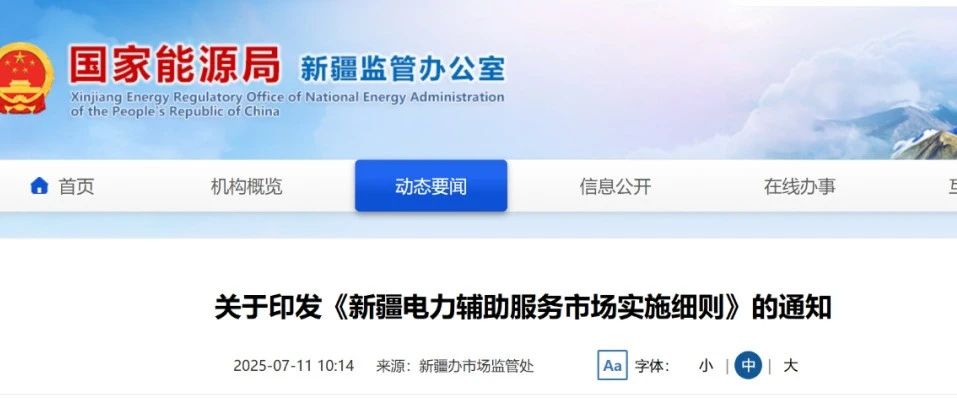
独立储能优先出清!调峰上限0.262元/kWh,调频0.015元/kW!新疆印发辅助服务细则
中关村储能产业技术联盟· 2025-07-11 05:55
Core Viewpoint - The article discusses the implementation details of the Xinjiang Power Auxiliary Service Market, which includes peak regulation, frequency regulation, and standby services, aimed at enhancing the stability and efficiency of the power system in Xinjiang [19][20][21]. Group 1: Market Overview - The auxiliary service market consists of peak regulation services, frequency regulation services, and standby services [25][26]. - During the operation of the Xinjiang power spot market, peak regulation service trading will not be conducted in parallel with the spot market [2][26]. Group 2: Participants and Responsibilities - Participants in the auxiliary service market include power generation companies, electricity sales companies, power users, and new operating entities such as independent energy storage stations [2][30]. - Entities receiving capacity fees are generally required to participate in the auxiliary service market applications [2][30]. Group 3: Peak Regulation Services - The peak regulation service market currently includes real-time peak regulation trading and start-stop peak regulation trading [3][39]. - Real-time peak regulation trading involves power generation units such as thermal power plants and independent storage, with specific requirements for participation [4][41]. - The trading price for real-time peak regulation is set between 0 and 0.262 yuan per kilowatt-hour [5][42]. Group 4: Frequency Regulation Services - Frequency regulation services are provided by thermal power units, hydropower, and independent storage, with specific capacity requirements for participation [9][62]. - The frequency regulation market operates on an hourly basis, with a total of 24 trading periods per day [10][63]. Group 5: Standby Services - Standby services are provided by thermal power units, hydropower, and independent storage, with trading conducted on a day-ahead basis [13][14]. - The standby service market will initially operate independently from the spot market, with plans to integrate them in the future [13][21]. Group 6: Compensation and Cost Sharing - Compensation for peak regulation services is calculated based on the actual peak regulation power and the market clearing price [48][49]. - Costs for auxiliary services will be shared among participants based on their respective contributions to the service [14][49]. Group 7: Implementation Timeline - The implementation of the Xinjiang Power Auxiliary Service Market will commence on August 1, 2025, replacing the previous operational rules [20][21].