WitsView睿智显示

Search documents
TCL推出新款类纸屏平板电脑
WitsView睿智显示· 2025-09-28 09:06
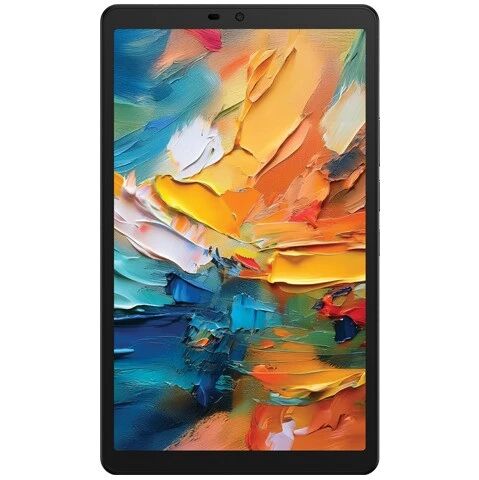
Group 1 - TCL announced the launch of the new TAB 8 NXTPAPER 5G tablet in the United States on September 25 [2] - The tablet features an 8.7-inch NXTPAPER 4.0 technology display with a resolution of 800×1340 and a pixel density of 180 PPI, designed to simulate natural light [2] - The device is powered by a MediaTek MT8755 processor, includes a 6000mAh battery with 15W charging support, and has an 8MP rear camera and a 5MP front camera [3][5] Group 2 - The TCL TAB 8 NXTPAPER 5G comes with 4GB of RAM and 64GB of storage, expandable up to 2TB via microSD, and is priced at $199.99 [5]


全球首条8.6代OLED面板产线量产时间公布
WitsView睿智显示· 2025-09-28 09:06
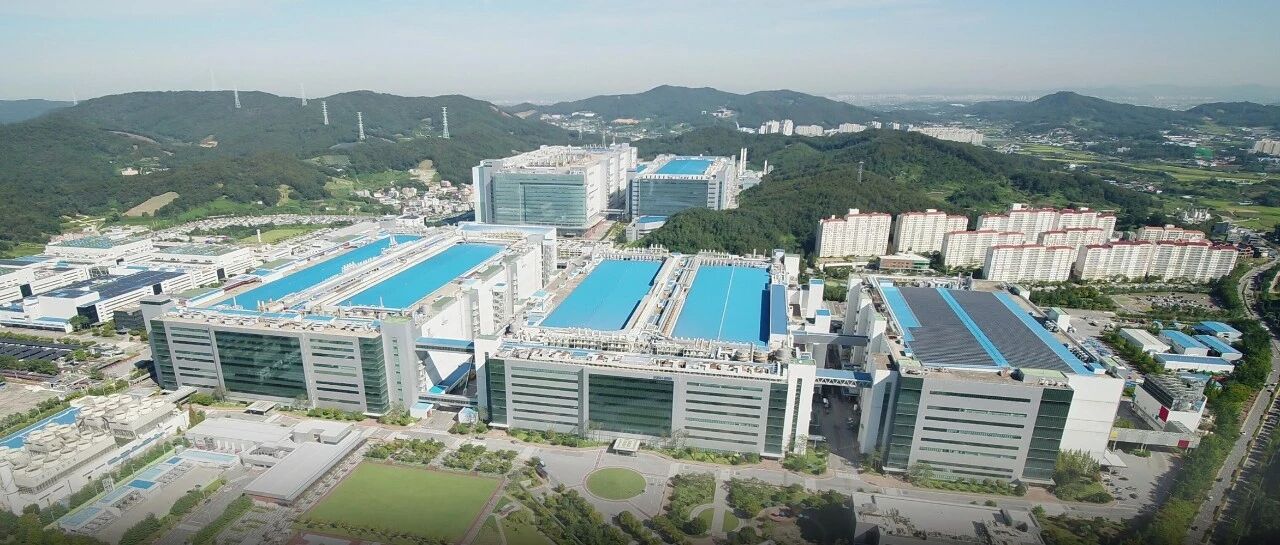
Core Viewpoint - Samsung Display plans to mass-produce the world's first 8.6-generation OLED panels by Q2 or Q3 of 2026, with significant investments in production lines [2][4][7]. Group 1: Samsung Display's Plans - Samsung Display announced an investment of 22.4 billion RMB to upgrade its LCD production line L8 and build a dedicated A6 production line for IT OLED [2]. - The A6 production line is expected to supply OLED panels for Apple's MacBook, with mass production of 14-inch and 16-inch panels anticipated by late Q2 2026 [4]. Group 2: Competitors' Developments - Other companies like BOE, Visionox, and TCL Huaxing are also advancing their 8.6-generation OLED production lines, with significant investments and timelines for mass production [6]. - BOE's Chengdu 8.6-generation AMOLED line is set to start mass production by the end of 2026, with a total investment of 63 billion RMB and a design capacity of 32,000 glass substrates per month [6]. - Visionox's 8.6-generation AMOLED line in Hefei is expected to begin mass production by August 2025, with a total investment of 55 billion RMB [6]. - TCL Huaxing plans to invest 29.5 billion RMB in its 8.6-generation OLED line, with construction expected to start in November 2025 [6]. Group 3: Market Outlook - The 8.6-generation OLED production line is seen as a key path for achieving economies of scale and cost optimization, particularly for IT products [9]. - OLED technology is expected to gain traction in mid-size displays, with a projected increase in market penetration from 2% in 2025 to 5% by 2028 [9]. - TrendForce forecasts that OLED monitor shipments will reach 2.66 million units in 2025, marking an 86% year-on-year increase, with China's market share expected to exceed 20% [9].
品牌持续发售!OLED显示器市场火力全开
WitsView睿智显示· 2025-09-28 09:06
Core Viewpoint - The OLED display market is rapidly evolving with new product launches almost every month, driven by strong demand in the gaming sector and competitive pricing strategies from various brands [2][3][6]. Product Launches - Alienware has released a 27-inch 2K 280Hz QD-OLED display priced at 5,649 yuan. Other brands like MSI, AOC, and TITAN ARMY have launched 27-inch 2K 500Hz QD-OLED displays, with AOC's product being the most competitively priced at 4,999 yuan [3]. - In addition to QD-OLED displays, new W-OLED displays have also been introduced, including a 34-inch model from LG Electronics and a 32-inch model from ASUS [3]. - The market has seen a decrease in prices for some OLED displays in September compared to August, with Samsung's 27-inch 4K QD-OLED display dropping by 500 yuan (7% decrease) and Philips' 27-inch 2K 280Hz QD-OLED display decreasing by 300 yuan (9% decrease) [3]. Market Trends - By September 2025, eight brands had launched 27-inch 2K 280Hz QD-OLED displays, while seven brands had introduced 27-inch 2K 500Hz QD-OLED displays, indicating a growing competitive landscape [5]. - The specifications of OLED displays are expanding, with potential future products like a 27-inch 2K 540Hz model anticipated to meet consumer demand [5]. - Currently, OLED displays are primarily used in the gaming sector, but there is potential for expansion into products tailored for content creators [5]. Supply Chain Insights - The supply of OLED display panels is mainly dominated by South Korean manufacturers, but the growing market may attract more panel suppliers in the future [5]. Market Projections - TrendForce forecasts that OLED display shipments will reach 2.64 million units in 2025, representing an 86% year-on-year increase, with a penetration rate of approximately 2.1% in the overall display market. By 2028, this rate could challenge 5% due to strong demand in gaming and proactive efforts from panel and brand manufacturers [6].

TCL华星供OLED屏,小米17系列手机发布
WitsView睿智显示· 2025-09-26 08:40
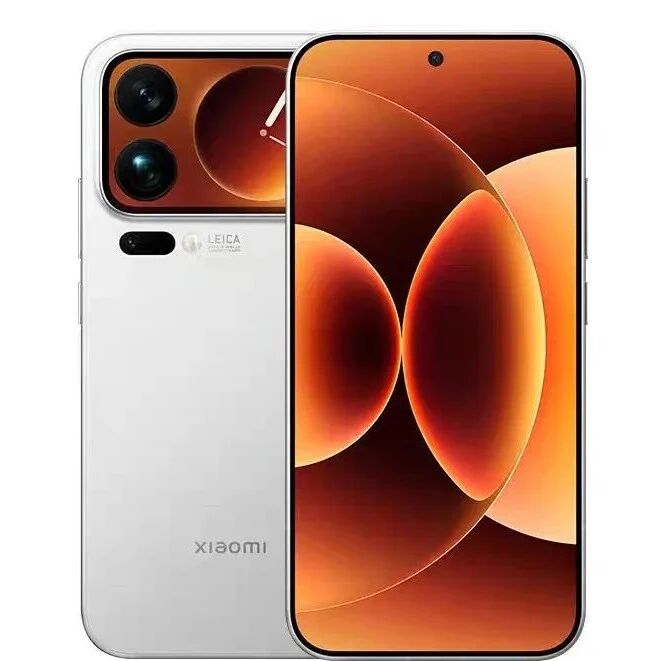
Core Viewpoint - Xiaomi has officially launched the Xiaomi 17 series, which includes the Xiaomi 17, Pro, and Pro Max models, featuring advanced technology and specifications aimed at enhancing performance and user experience [2][3]. Group 1: Product Specifications - The entire Xiaomi 17 series is powered by Qualcomm's fifth-generation Snapdragon 8 processor, built on a third-generation 3nm process, with a maximum CPU frequency of 4.6GHz and improved GPU performance while reducing power consumption [2]. - The Xiaomi 17 features a 6.3-inch OLED display with a resolution of 2656*1220, supporting a 120Hz refresh rate and a peak brightness of 3500 nits, utilizing new M10 emitting materials [2][3]. - The Xiaomi 17 series includes a 7000mAh battery for the standard model, a 6300mAh battery for the Pro version, and a 7500mAh battery for the Pro Max version [4]. Group 2: Camera Technology - The Xiaomi 17 is equipped with a rear triple-camera system, featuring a main camera with a 1/1.31-inch Light Hunter 950 sensor, along with a 50MP ultra-wide and a 50MP floating telephoto lens, and a 50MP front camera [4]. - The Xiaomi 17 Pro introduces the "Leica Light Master" imaging system with the new Light Hunter 950L sensor, offering high dynamic range capabilities and advanced optical coatings [4]. Group 3: Display Technology - The new red light-emitting material used in the Xiaomi 17's display is developed by Xiaomi's Lumi Blue OLED laboratory, surpassing international imported materials in efficiency, brightness, and power consumption [3]. - TCL Huaxing provides the display solutions for the Xiaomi 17 series, featuring the latest generation of emitting materials, with the Pro Max model incorporating Real RGB technology for enhanced image quality [3]. Group 4: Pricing - The pricing for the Xiaomi 17 is as follows: - 12GB+256GB: 4499 yuan - 12GB+512GB: 4799 yuan - 16GB+512GB: 4999 yuan [5].

京东方精电越南车载显示生产基地实现产品点亮
WitsView睿智显示· 2025-09-26 08:40
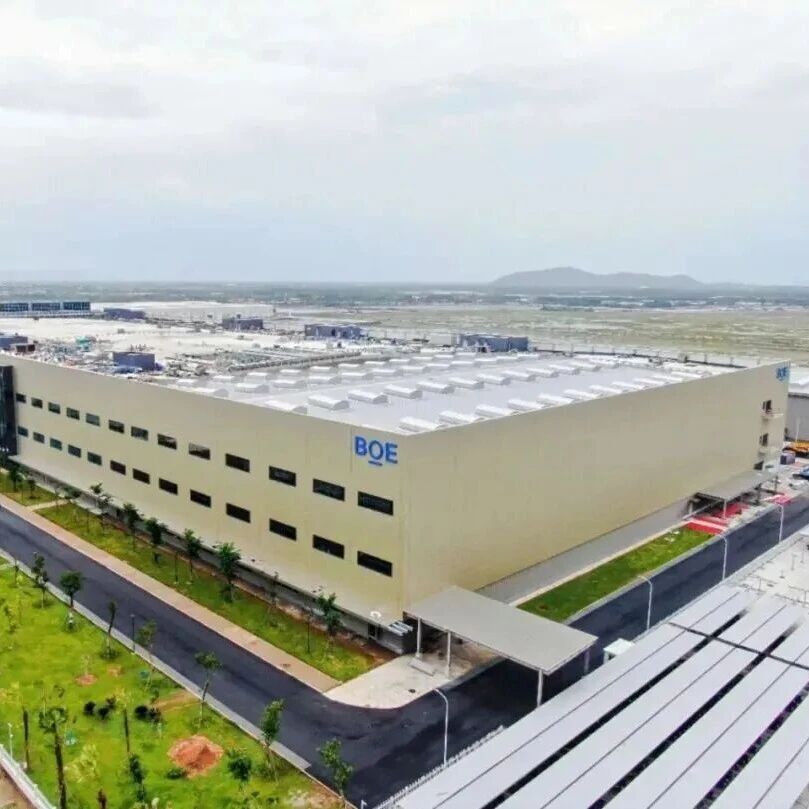
Core Viewpoint - BOE's automotive display base in Vietnam has successfully completed its first full-process product lighting, with expectations for large-scale production by the end of this year [2][5]. Group 1: Investment and Production - The Vietnam automotive display base is BOE's first overseas self-built smart factory, with a total investment exceeding 300 million RMB, focusing on high-end automotive display products and cockpit display systems, designed to produce 50,000 modules per month [4]. - The base has secured significant projects from leading Korean automotive companies, including a 14.6-inch central control display and a 36-inch integrated display for a well-known North American electric vehicle company, with large-scale production expected by year-end [6]. Group 2: Financial Performance - In the first half of this year, BOE achieved a revenue of 6.67 billion HKD (approximately 6.115 billion RMB), representing an 8% year-on-year growth, and an EBITDA of 340 million HKD (approximately 3.117 billion RMB), up about 7% [9]. - The automotive display business generated revenue of 6.25 billion HKD (approximately 5.724 billion RMB), marking a 9% increase year-on-year, with the value of designated projects growing over 100% [10]. Group 3: Market Trends and Regional Performance - In the first half of 2025, BOE's domestic market revenue is expected to grow nearly 21% year-on-year, while overseas projects have seen a value increase of over 50%, with significant growth in shipments of high-end products like LTPS and Oxide [11].

2个显示项目落地安徽/江苏,总投资高达20亿
WitsView睿智显示· 2025-09-26 08:40
Core Insights - Recent investments in display technology projects in Anhui Hefei and Jiangsu Nantong total 2 billion yuan, focusing on display modules and new optical materials [2][5] Group 1: Display Module Project in Hefei - Ruhe Technology signed an agreement to invest 1 billion yuan in Hefei to establish an innovation R&D center and a display application integration manufacturing base, aiming for an annual production capacity of 3 million display modules and 600 tons of optical silicone materials [3] - The project will utilize 150 advanced equipment units, including plasma machines and dispensing machines, to enhance production capabilities [3] - Ruhe Technology, a subsidiary of BOE Precision Electronics, aims to provide comprehensive intelligent solutions for automotive manufacturers, covering various applications such as smart dashboards and central control systems [3][4] Group 2: New Optical Materials Project in Nantong - A new optical materials project in Jiangsu Nantong, with a total investment of 1 billion yuan, will focus on the production of polarizers and other optical film materials, expecting annual sales exceeding 2 billion yuan and tax contributions over 100 million yuan [5] - This project will fill a gap in the new display materials sector in Jiangsu Nantong, expanding into high-end manufacturing [5][6] - Additionally, Shihua Technology plans to invest approximately 2.2 billion yuan in a high-performance optical materials manufacturing base, with a construction period of 3-5 years [6][7]


全球商用电子纸显示龙头拟在香港上市
WitsView睿智显示· 2025-09-26 08:40
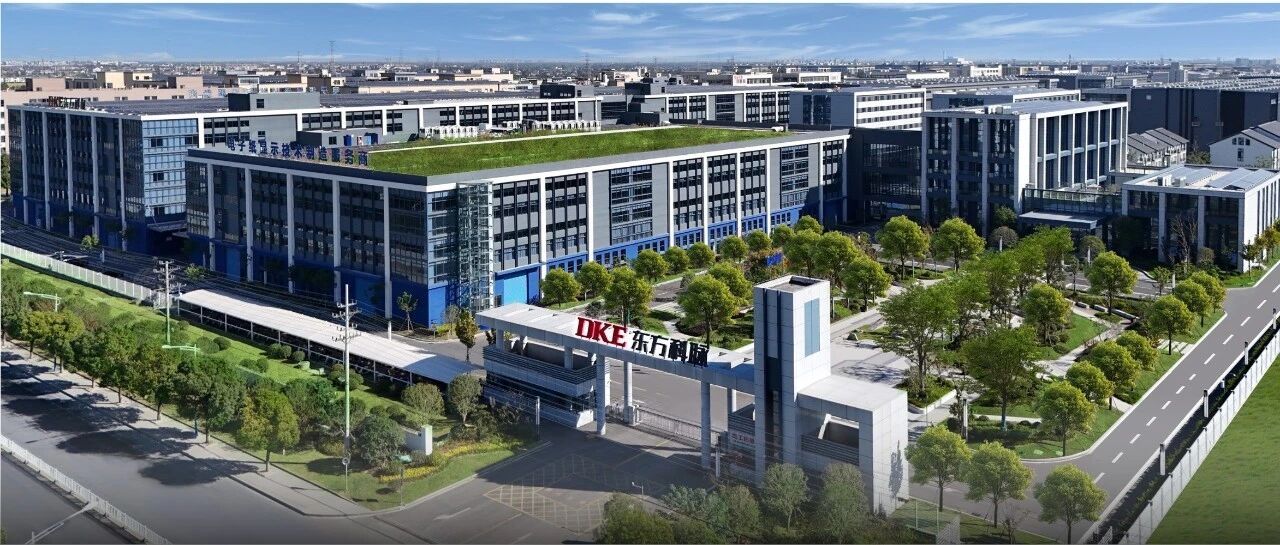
Core Viewpoint - Zhejiang Dongfang Kema Electronic Co., Ltd. (referred to as Dongfang Kema) has submitted its IPO application to the Hong Kong Stock Exchange, positioning itself as the world's largest provider of commercial smart IoT electronic paper display solutions [2][3]. Financial Performance - The company reported revenues of approximately 1.214 billion, 1.024 billion, 1.152 billion, and 796 million RMB for the six months ending June 30 in 2022, 2023, 2024, and 2025, respectively. Corresponding profits were approximately 91.876 million, 50.739 million, 53.404 million, and 43.036 million RMB [4]. - Sales volume of smart IoT electronic paper display modules increased from 50.6 million units in 2022 to 56.1 million in 2023, with projections of 67.1 million units in 2024 and 52.7 million units for the six months ending June 30, 2025 [4]. Production Capacity and Expansion Plans - Dongfang Kema operates four production bases located in Jiaxing, Zhejiang, Dalian, Liaoning, and Vietnam, with the Vietnam facility commencing operations in June 2023 and an expected annual capacity of 20 million electronic paper displays [4]. - The IPO funds will be allocated to two main areas: upgrading the existing production capacity in Vietnam and establishing a new domestic production base focused on advanced products such as electronic backpacks and flexible electronic paper [5][6]. Research and Development - A portion of the IPO proceeds will be invested in enhancing the company's core technological capabilities and innovation, expanding the product portfolio, and recruiting high-level R&D teams [6].
三星首款Galaxy XR头显有望配索尼OLEDoS屏
WitsView睿智显示· 2025-09-25 09:53
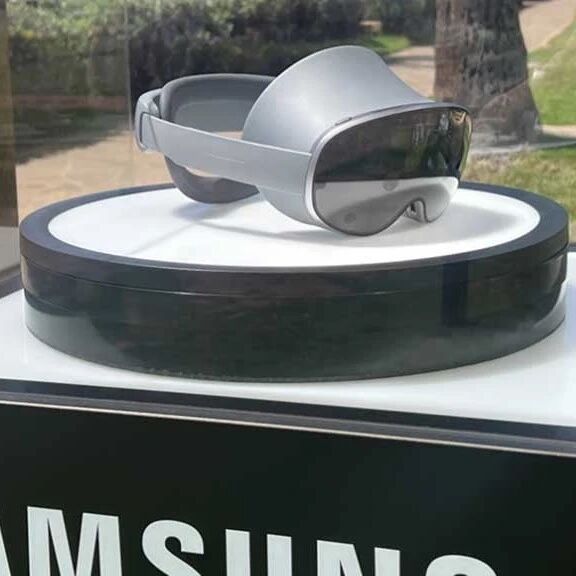
Core Viewpoint - Qualcomm's Snapdragon Summit showcased Samsung's first Galaxy XR headset, internally codenamed "Infinity," which will utilize the Snapdragon XR2+ Gen 2 platform and features multiple external and internal cameras for eye-tracking capabilities [2][4]. Group 1: Product Details - The Galaxy XR headset is equipped with eight external cameras and two internal cameras for enhanced eye-tracking [2]. - It will feature Sony-supplied OLEDoS panels with a pixel density of 3800 PPI, chosen over Samsung's own display technology to diversify the supply chain and improve risk management and bargaining power [4]. - OLEDoS technology allows for high pixel density and resolution, making it suitable for AR/VR applications due to its low power consumption and high integration [4]. Group 2: Future Developments - Samsung is reportedly developing another XR device in glasses form, codenamed "Wisdom Eye," which is expected to use LCoS (Liquid Crystal on Silicon) display technology [5].
韩国将新增一座8.6代蒸镀设备工厂
WitsView睿智显示· 2025-09-25 09:51
Core Viewpoint - Sunic Systems plans to invest 190 billion KRW (approximately 96.9 million RMB) in a new 8.6-generation equipment factory in Pyeongtaek, South Korea, to expand production capacity in response to market trends and potential demand [2][3]. Group 1: Investment and Expansion - The new factory will be located in the Pyeongtaek BrainCity industrial park, with an investment period from October 25, 2025, to June 24, 2026 [2]. - The investment amount represents 40.93% of Sunic Systems' own capital [2]. - Sunic Systems acquired 22,628 square meters of land for the factory on July 5, 2023, for approximately 236.15 billion KRW, with payments to be completed by June 13, 2027 [2]. Group 2: Market Demand and Product Focus - The company anticipates growth in demand for OLEDoS deposition equipment and perovskite-related equipment, viewing this factory investment as a capacity expansion strategy [2]. - Sunic Systems is currently negotiating with clients regarding the supply of OLEDoS deposition equipment [2]. Group 3: Company Performance - In the first half of the year, Sunic Systems achieved a consolidated sales revenue of 2,059 billion KRW, with an operating profit of 381 billion KRW, marking an 82% increase in sales and a 383% increase in operating profit compared to the previous year's total [3].

邀请函|2025自发光显示产业研讨会
WitsView睿智显示· 2025-09-25 09:51
Core Viewpoint - Since 2024, the technology wave represented by generative AI and spatial computing is reshaping various industries with unprecedented depth and breadth, placing display technology at the center of this transformation, presenting both opportunities and challenges [1]. Industry Evolution - The display industry has experienced significant internal evolution over the past year, with major technology routes competing fiercely and moving towards new development inflection points: - Micro LED's development path is becoming clearer, with accelerated industrialization [1]. - Mini LED has successfully transitioned from a "technology pioneer" to a "market mainstay" after market trials [1]. - OLED maintains its dominance in flagship smartphones due to its mature advantages in flexibility, thinness, and color performance [1]. - Micro OLED is currently regarded as the "golden solution" for near-eye displays and is expected to hold a significant market share for a long time [1]. Upcoming Event - The global display industry is at a crossroads of opportunities and challenges, necessitating a "compass" for guidance. The 2025 Self-Luminous Display Industry Seminar will be held on October 30, 2025, organized by TrendForce's LEDinside and Display divisions, inviting industry participants to engage in deep dialogue to calibrate direction and navigate challenges together [1].