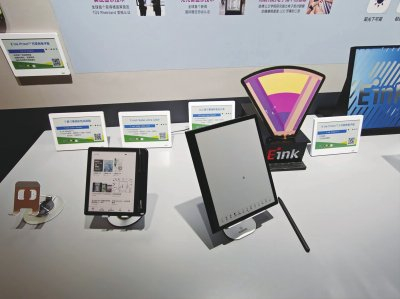
电子价签

Search documents
天德钰:电子价签已实现规模化出货
WitsView睿智显示· 2026-02-10 04:01
Core Viewpoint - The company is well-positioned to manage cost fluctuations and maintain growth in the display driver chip market, particularly through its focus on stable application areas and ongoing product development in response to customer needs [1][2][3]. Group 1: Impact of Storage Chip Price Fluctuations - Recent increases in storage chip prices are not expected to significantly impact the company's display driver chip business, as its primary applications are in the maintenance and replacement market, where customers prioritize stability and compatibility over price sensitivity [1]. - The company's reliance on storage components is limited, allowing it to manage cost fluctuations effectively through supply chain management and product structure optimization [1]. Group 2: Electronic Price Tags Business Development - The electronic price tag segment has seen robust growth driven by retail digitalization, with the company achieving scale in product shipments to retail and supermarket applications [1]. - The company plans to continue product iteration and application expansion in response to evolving customer digitalization needs [1]. Group 3: Business Cycle Resilience - The company's focus on the display driver niche, particularly in stable demand areas like maintenance and electronic price tags, provides a buffer against the volatility of the semiconductor industry cycle [2]. - Demand in these areas is more closely tied to the existing scale of terminal devices and the penetration rate of applications, reducing sensitivity to new product cycles [2]. Group 4: Future Product and Market Expansion - The company aims to enhance product performance and expand application scenarios in the display driver chip sector, while also monitoring new technical demands in emerging application areas [3]. - The strategy involves maintaining stability in existing advantageous application fields while gradually advancing into new markets [3].


天德钰:电子价签是公司显示驱动芯片的重要应用方向之一
Zheng Quan Ri Bao Zhi Sheng· 2026-02-06 12:09
Core Viewpoint - The company has successfully scaled the production of electronic price tags, which are a significant application of its display driver chips, and continues to serve retail and supermarket sectors [1] Group 1: Product Development and Market Demand - The electronic price tag products have achieved substantial shipment volumes and are experiencing steady growth due to the digital upgrade demands from downstream customers [1] - The company plans to continuously advance product iterations and expand applications based on changing customer needs [1]

蓝思科技:全球精密制造龙头,多极增长开启新篇章-20260202
Caixin Securities· 2026-02-02 08:24
Investment Rating - The report maintains an "Accumulate" rating for the company [4] Core Insights - The company is a leading provider of precision manufacturing solutions across the entire supply chain for smart terminals, leveraging its strong technological foundation in various materials to achieve vertical integration from raw material production to final assembly [6][11] - The financial performance shows steady growth in revenue and profit, with a projected increase in revenue from 544.91 billion yuan in 2023 to 1,395.99 billion yuan by 2027, and net profit expected to rise from 30.21 billion yuan to 83.81 billion yuan in the same period [4][6] - The company is expanding its business into emerging markets such as smart automotive, humanoid robots, AI/XR glasses, and smart retail, which are expected to drive future growth [6][7] Summary by Sections Company Overview - The company has a solid business foundation and high-quality customer resources, being a strategic partner to many global brands like Apple, Samsung, and Tesla [12][11] - It has a diversified business structure covering multiple sectors including consumer electronics and smart automotive [21][11] Financial Performance - Revenue is projected to grow from 466.99 billion yuan in 2022 to 698.97 billion yuan in 2024, with a compound annual growth rate (CAGR) of 22.34% [29] - The net profit is expected to increase from 24.48 billion yuan to 36.24 billion yuan in the same period, with a CAGR of 21.67% [29] Consumer Electronics - The company is positioned to benefit from the AI upgrade and innovation in the consumer electronics sector, with a focus on high-value products like foldable screens and 3D glass [6][48] - The revenue from the smartphone and computer segments is expected to grow significantly, driven by increased demand and product upgrades [30][34] Smart Automotive - The company is expanding into the automotive electronics sector, with innovative products like ultra-thin laminated glass and smart cockpit components, which are expected to enhance the value per vehicle [6][33] - The automotive segment's revenue is projected to grow significantly as the penetration of electric vehicles increases [6][33] Emerging Fields - The company is strategically positioning itself in emerging markets such as humanoid robots and AI data centers, with a focus on vertical integration and technological innovation [7][6] - Collaborations with leading companies in these fields are expected to foster growth and enhance market presence [7][6]

西部证券晨会纪要-20260113
Western Securities· 2026-01-13 02:01
Group 1: Core Conclusions - The report indicates that Hong Kong stocks are expected to outperform A-shares in 2025, but face challenges in the second half due to a stronger US dollar, slowing southbound capital inflows, and deteriorating fundamentals [2] - In 2026, three factors are expected to drive a rebound in Hong Kong stocks: a weaker US dollar, appreciation of the RMB attracting overseas Chinese capital, and a recovery in China's economic fundamentals due to inflation and potential debt restructuring policies [2][4] Group 2: Market Analysis - The report highlights that Hong Kong stocks have greater elasticity compared to A-shares due to the absence of trading limits and capital flow restrictions, with international capital being the most significant influence on pricing [4] - The anticipated weakening of the US dollar in 2026 is expected to drive international capital to allocate more towards Hong Kong stocks, as the dollar's strength in the latter half of 2025 may have caused relative weakness in Hong Kong stocks [4] - The inflow of Chinese capital into Hong Kong stocks is expected to diversify beyond just southbound funds, with a significant amount of capital currently overseas likely to invest in Hong Kong, benefiting from RMB appreciation [4] Group 3: Company-Specific Insights - HanShuo Technology (301275.SZ) is set to begin mass production of its smart shopping carts, marking a significant advancement in AI-driven retail digitalization [7] - The partnership with Woolworths, a leading Australian retailer, aims to enhance customer shopping experiences and operational efficiency through innovative technology solutions [8] - The company is projected to achieve revenues of 4.056 billion, 4.787 billion, and 5.747 billion yuan from 2025 to 2027, maintaining a "buy" rating based on its growth potential in retail digitalization [8]
研报掘金丨西部证券:维持汉朔科技“买入”评级,AI+零售数字化迎来场景新突破
Ge Long Hui A P P· 2026-01-12 09:08
Core Viewpoint - HanShuo Technology has signed a letter of intent for the sale of smart shopping carts and cameras with Australian retail giant Woolworths, indicating a significant step towards large-scale deployment of AI-driven retail solutions [1] Group 1: Partnership and Product Development - The collaboration with Woolworths will focus on joint innovation and the large-scale implementation of AI-driven smart shopping carts and camera integration solutions [1] - The company plans to deliver approximately 10,800 smart shopping cart systems to the first batch of about 300 Woolworths stores, marking the transition to mass production for its smart shopping cart business [1] Group 2: Market Position and Growth Potential - The company has a long-standing commitment to retail digitalization, particularly in the electronic price tag sector, which positions it well to expand its retail digital solutions [1] - With the ongoing global trend towards retail digitalization and driven by downstream demand, the company is expected to achieve sustained growth by continuously enriching its product offerings [1] - Projected revenues for the company from 2025 to 2027 are estimated at 4.056 billion, 4.787 billion, and 5.747 billion yuan respectively, maintaining a "buy" rating [1]

汉朔科技(301275):智能购物车即将批量出货 AI+零售数字化迎来场景新突破
Xin Lang Cai Jing· 2026-01-12 08:42
Group 1 - The company announced a partnership with Australian retail giant Woolworths to sign a letter of intent for the sale of AI-driven smart shopping carts and camera integration solutions [1] - The initial phase will involve delivering approximately 10,800 smart shopping cart systems to around 300 Woolworths stores, marking the company's entry into bulk shipments for its smart shopping cart business [1] Group 2 - Woolworths, established in 1924, is among the top 30 global retailers with over 1,800 multi-format stores, focusing on food retail, daily necessities, and other retail services [2] - The collaboration is expected to enhance the digital infrastructure of stores, driving joint innovation and large-scale implementation of AI-driven solutions, thereby improving store efficiency and customer experience [2] - The company has a strong foundation in retail digitalization, particularly in electronic price tags, and aims to leverage its long-term technological accumulation in the IoT sector to expand retail digital solutions [2] - The ongoing global trend towards retail digitalization, driven by downstream demand, is anticipated to provide the company with sustained growth opportunities through an enriched product portfolio [2]
汉朔科技与伍尔沃斯深化战略合作关系 增长新赛道
Zheng Quan Ri Bao· 2026-01-06 11:44
Core Insights - HanShuo Technology Co., Ltd. is deepening its collaboration with Australia's Woolworths in the smart retail sector, focusing on AI-driven smart shopping carts and camera integration solutions [2][3] - The partnership aims to create a closed-loop system centered around real store scenarios, enhancing operational efficiency and customer experience through data and algorithm integration [2][3] - The initial deployment will cover approximately 300 stores, with a long-term goal of expanding to all Woolworths locations, providing a continuous revenue stream for HanShuo [2][3] Company Development - HanShuo has transitioned from a provider of IoT smart solutions based on electronic price tags to a platform company driven by AI and big data for retail [3][6] - The strategic partnership with Woolworths marks a significant milestone in HanShuo's industrial upgrade, showcasing its ability to respond to international clients' needs and convert technological innovations into commercial revenue [3][6] - The company is also investing in Xi'an Super Hi Network Technology Co., Ltd. to enhance its product and technical capabilities in the AI-driven smart shopping cart sector [6] Market Trends - The demand for smart shopping carts reflects an upgrade in store digitalization, driven by consumer preferences for immersive, efficient, and contactless shopping experiences [4][5] - The global smart shopping cart market is projected to grow to $9.77 billion by 2030 and $14.68 billion by 2032, indicating a strong market potential [4] Future Strategy - HanShuo aims to solidify its leading position in electronic price tags while enhancing its advantages in full-scene retail digital solutions [7] - The company plans to leverage multi-modal AI, big data, and wireless communication technologies to provide an evolving smart retail operational platform [7] - HanShuo is transitioning from a digital solution provider to a data value foundation platform that drives intelligent upgrades in the global retail industry [7]
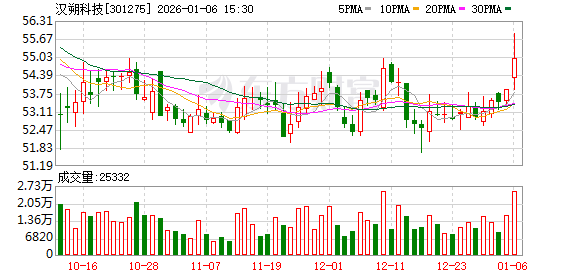
汉朔科技与伍尔沃斯深化战略合作关系 AI+智能终端解决方案开创全球增长新赛道
Quan Jing Wang· 2026-01-06 08:08
Core Viewpoint - HanShuo Technology is deepening its collaboration with Australia's Woolworths in the smart retail sector, focusing on AI-driven smart shopping carts and camera integration solutions to enhance store efficiency and customer experience [1][2]. Group 1: Partnership and Strategic Goals - The partnership aims to create a closed-loop system centered around real store scenarios, facilitating iterative improvements from data to algorithms and from products to operations [1]. - The initial deployment will cover approximately 300 stores, with a total of over 10,000 units planned in the long term, aiming to meet various application needs within the Woolworths group [1][2]. - This collaboration is expected to provide HanShuo with a continuous revenue stream [1]. Group 2: Company Evolution and Market Position - HanShuo has transitioned from a provider of electronic price tags and advanced wireless communication solutions to a comprehensive AI and big data-driven retail platform solution company [2]. - The strategic partnership with Woolworths marks a significant milestone in HanShuo's industrial upgrade, showcasing its ability to respond quickly to the deep needs of international clients and effectively convert technological innovations into commercial revenue [2]. Group 3: Market Demand and Growth Potential - The demand for smart shopping carts reflects an upgrade in store digitalization needs, driven by consumers' desire for immersive, efficient, and contactless shopping experiences [3]. - The global smart shopping cart market is projected to grow to $9.77 billion by 2030, with more optimistic forecasts suggesting it could reach $14.68 billion by 2032 [3]. Group 4: Technological Advancements and Ecosystem Development - HanShuo is advancing its ecological strategy in AI-driven smart shopping carts, enhancing its product and technology capabilities through investments [4]. - The AI-driven smart shopping cart ecosystem integrates multi-modal large models, AI agents, and video big data platforms, transforming from simple visual comparisons to multi-dimensional proactive perception [4]. Group 5: Data Utilization and Retail Optimization - HanShuo's diverse AIoT products create a new data growth engine for smart retail, enabling merchants to optimize displays, conduct precise marketing, predict restocking needs, and identify potential loss risks early [5]. - The company's smart retail solutions aim to build trust through technology, leading the way towards a more efficient, transparent, and intelligent future in retail [5]. Group 6: Future Directions and Strategic Vision - HanShuo plans to maintain its global leadership in electronic price tags while enhancing its advantages in full-scene retail digital solutions [6]. - The company aims to evolve from a provider of store digitalization solutions to a data value foundation platform that drives the intelligent upgrade of the global retail industry [6].
2025年第51周:美妆行业周度市场观察
艾瑞咨询· 2025-12-26 00:05
Group 1: Industry Environment - The international college market has become a battleground for fashion and beauty brands, with Generation Z's annual beauty spending reaching $5 billion, and skincare usage starting as early as ages 11-13, showing a trend of gender convergence in consumption [3] - Brands are leveraging campus ambassadors, pop-up events, social media, and influencer collaborations to penetrate the college market, while health brands utilize clubs and TikTok to reach their target audience [3] - The strong purchasing power and loyalty of Generation Z make campus settings strategic for brands, necessitating innovative activities to capture attention [3] Group 2: Market Dynamics - Traditional chain pharmacies are accelerating their transformation by expanding into beauty and personal care categories to address industry challenges, with YST planning to add beauty and maternal products in 70% of its stores (nearly 8,000 locations) [5] - The beauty segment now accounts for nearly 60% of the health category in these pharmacies, as other chains like Shuyupingmin and Yifeng also enter the beauty market to cope with tightening medical insurance policies and declining foot traffic [5] - Cosmetic brands such as Winona and Kefu Mei are actively entering pharmacy channels to enhance brand value through professional credibility, although expanding OTC channels requires significant investment and faces challenges in product selection and private domain operations [5] Group 3: Major Brand Developments - Major beauty brands like L'Oréal and Estée Lauder have signed global ambassadors, enhancing their brand influence, while LVMH invests in the French niche fragrance brand BDK to support its international expansion [6] - The clean beauty sector is experiencing differentiation, with Korean brand Aromatica's stock surging while L'Oréal shuts down related brands [6] - Japanese high-end brand SUQQU is entering the Chinese market, targeting the premium segment [6] Group 4: Technological Innovations - Estée Lauder Group has launched a global innovation center for fragrance in Paris, integrating R&D and creative teams, utilizing AI to monitor trends, optimize formulas, and accelerate approval processes while respecting brand uniqueness [7] - AI assists perfumers in innovation by analyzing data and emotional preferences, with the launch of an AI fragrance consultant tool by Jo Malone in December, providing personalized fragrance recommendations [7] Group 5: Company Performance - Huaxi Biological has faced declining performance due to the diminishing market dividends of hyaluronic acid, with a 18.36% year-on-year revenue drop and a 30.29% decline in net profit for the first three quarters of 2024, resulting in a market value loss of 100 billion [8] - The company has adjusted welfare policies, reduced employee benefits, and cut staff, particularly in sales, while its skincare business has seen significant revenue declines and multiple sub-brands have been eliminated [8] - Increased competition and product homogenization in the hyaluronic acid market have pressured profits, prompting Huaxi Biological to explore new sectors like weight loss and invest in small nucleic acid drugs, although it faces fierce industry competition and consumer skepticism regarding ingredients [8] Group 6: Digital Transformation - Digitalization is increasingly important in retail for product management, marketing, and user experience, especially in a saturated market, necessitating innovative digital transformations to enhance efficiency [9] - Huamei's collaboration with Hanshu Technology has been recognized as an excellent digital innovation case, reshaping the beauty store shopping experience through a "warehouse-style display + artistic aesthetics" model [9] - The use of electronic price tags supports real-time information updates and enhances marketing conversion, demonstrating how digitalization can seamlessly integrate into brand identity and improve customer experience [9]

电子纸板块年内涨幅超50%“无纸化浪潮”何时来袭?
Zhong Guo Jing Ying Bao· 2025-12-01 12:21
Core Insights - The electronic paper industry is experiencing significant growth, transitioning from niche applications to becoming a core component in IoT display terminals, driven by increasing demand in retail and other sectors [1][2] - The A-share electronic paper index saw a daily increase of 3.36% on November 25, and a year-to-date increase of 56.58% as of November 28 [1] - Major manufacturers are consolidating their market positions, with the top five companies expected to hold approximately 86% of the global market share by 2024 [2][8] Industry Trends - The "dual carbon" goals in China are providing implicit support for low-power electronic products, creating long-term certainty for electronic paper companies [2] - The demand for electronic price tags and other applications is accelerating, with the industry entering a phase of synchronized acceleration in technology, market, and application [2][7] - The electronic paper technology has advanced with breakthroughs in color and flexibility, expanding applications from black-and-white static displays to full-color dynamic displays [5][6] Market Dynamics - The global electronic paper market is projected to exceed $14.2 billion, with significant growth expected in the e-book segment, which is anticipated to reach 18.8 million units by 2025 [8][9] - The domestic electronic paper industry has formed a complete layout, with strong downstream demand driving the expansion of upstream materials and midstream module production capacity [7] - The industry is characterized by a high growth rate and low base, with a compound annual growth rate of over 20% expected for global electronic paper terminals [9][10] Competitive Landscape - Major players in the electronic paper market include E Ink Holdings, HeLiTai, and Yasi Optoelectronics, with E Ink holding over 90% of the electronic ink film market [5][6] - The domestic market is seeing increased competition, with companies like Hanwang Technology and others capturing significant market shares [6][7] - The industry is facing challenges in scaling up production and reducing costs, particularly in high-end color electronic paper, which still relies on imported core materials [10]