WitsView睿智显示

Search documents
京东方(烟台)高端显示材料项目公示
WitsView睿智显示· 2025-07-22 06:09
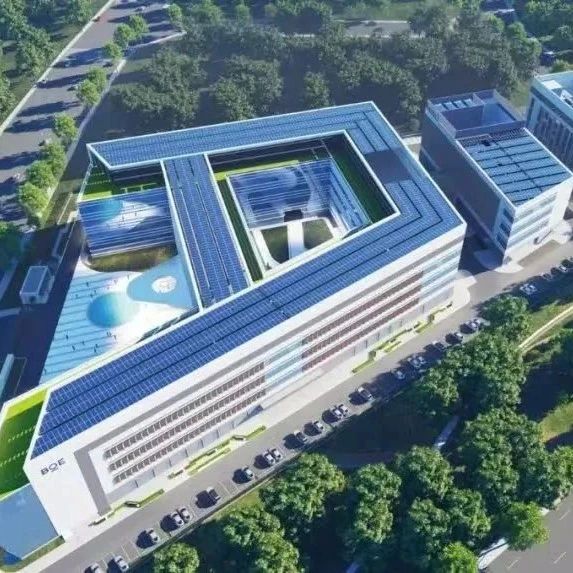
Core Viewpoint - The Yantai Economic and Technological Development Zone has announced the planning land public notice for the BOE High-end Display Materials Research Institute project, indicating a significant investment in electronic materials research and development in the region [1]. Group 1: Project Overview - The project is located in the Yantai Development Zone B-9 area, covering an area of 33,344 square meters (50 acres) with a building area of 54,544.21 square meters, constructed by Yantai BOE Materials Technology Co., Ltd [1]. Group 2: Company Background - Yantai BOE Materials focuses on the research and sales of electronic specialty materials, with existing products undergoing promotion and validation [3]. - The company is a joint investment by four enterprises, with a total investment of 800 million yuan. BOE Materials contributed 464 million yuan (58%), Wanrun Co., Ltd. contributed 160 million yuan (20%), Debang Technology contributed 144 million yuan (18%), and Yeda Economic Development contributed 32 million yuan (4%) [3]. - BOE Materials was established in August 2024 with a registered capital of 500 million yuan, focusing on new material technology research and sales [3]. Group 3: Partner Companies - Wanrun Co., Ltd. specializes in environmental materials, electronic information materials, new energy materials, and life sciences and pharmaceuticals, with products including liquid crystal materials, OLED materials, and polyimide materials [3]. - Debang Technology is dedicated to the research and industrialization of high-end electronic packaging materials, producing electronic-grade adhesives and functional film materials for various packaging processes [4].



华为第二!2025年折叠手机市占预估排名出炉
WitsView睿智显示· 2025-07-22 06:09
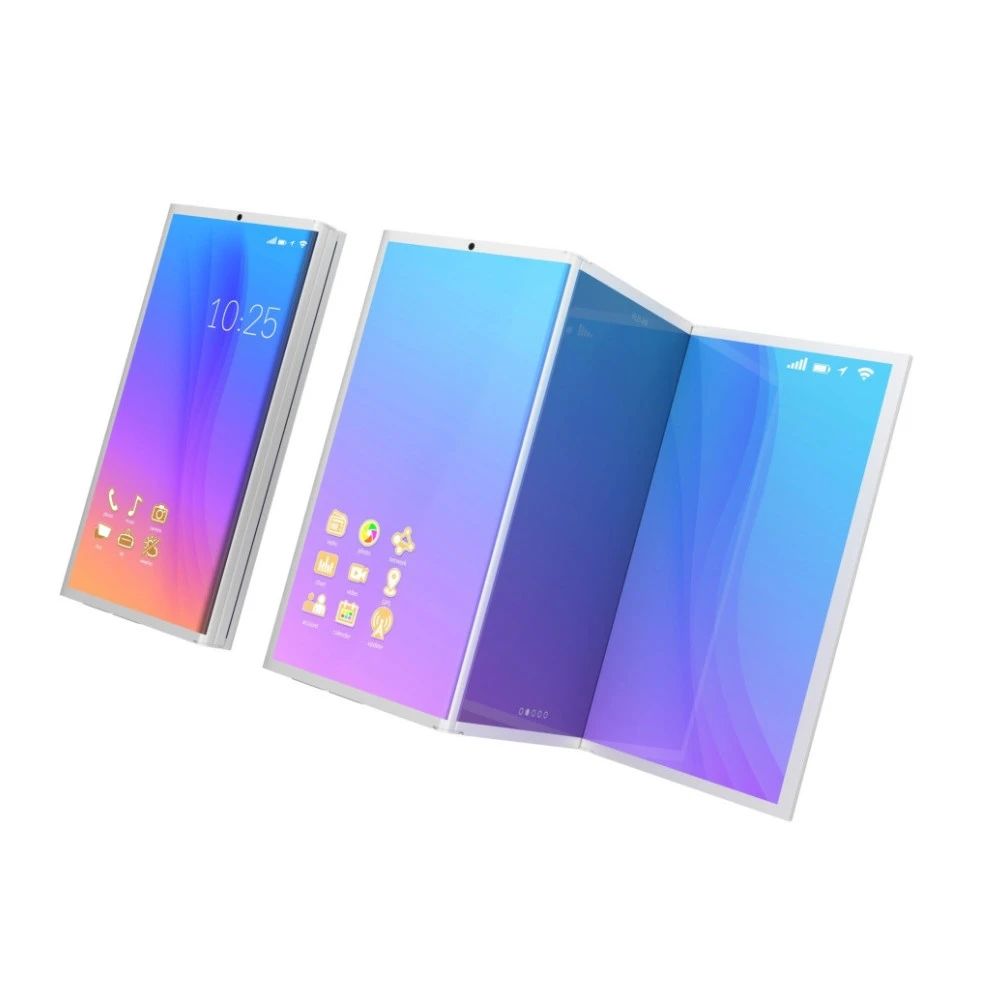
Core Viewpoint - The foldable smartphone market is expected to see a shipment of 19.8 million units in 2025, maintaining a penetration rate of approximately 1.6% compared to 2024, indicating a slowdown in growth despite technological advancements and price reductions [1]. Group 1: Market Dynamics - Samsung is currently leading the foldable smartphone market but is projected to face challenges, with its global market share expected to decline from 45.2% in 2024 to 35.4% in 2025 [3][4]. - Huawei is anticipated to maintain strong performance in the Chinese market, securing the second position globally with a market share of 34.3% in 2025 [4]. - Brands like Honor and Lenovo (Motorola) are showing significant growth, with their market shares expected to rise from 6.0% and 5.5% in 2024 to 9.1% and 7.6% in 2025, respectively [4]. - Xiaomi is also making strides in the lightweight foldable market, with its market share projected to increase from 3.0% in 2024 to 5.1% in 2025 [4]. - Other brands, including OPPO and vivo, are expected to collectively account for 8.5% of the market, indicating a diversification in the foldable smartphone ecosystem [4]. Group 2: Consumer Sentiment and Future Outlook - Despite advancements in technology and product variety, global sales growth of foldable smartphones remains moderate due to consumer hesitance regarding visible creases, durability, and pricing, particularly among non-brand loyal users [4]. - The market positioning of foldable smartphones is still perceived as "high-end experimental products," with most users preferring high-cost performance and established flagship models [4]. - A potential turning point may occur in 2026, as Apple is expected to launch its first foldable smartphone, which could significantly increase consumer interest and acceptance of foldable products [5][6]. - Apple's entry into the market is anticipated to bring a new wave of innovation and mainstream adoption, enhancing user experience through deep integration of iOS and proprietary applications [5][6].
中日韩打响“无FMM OLED”技术突围战!
WitsView睿智显示· 2025-07-22 06:09
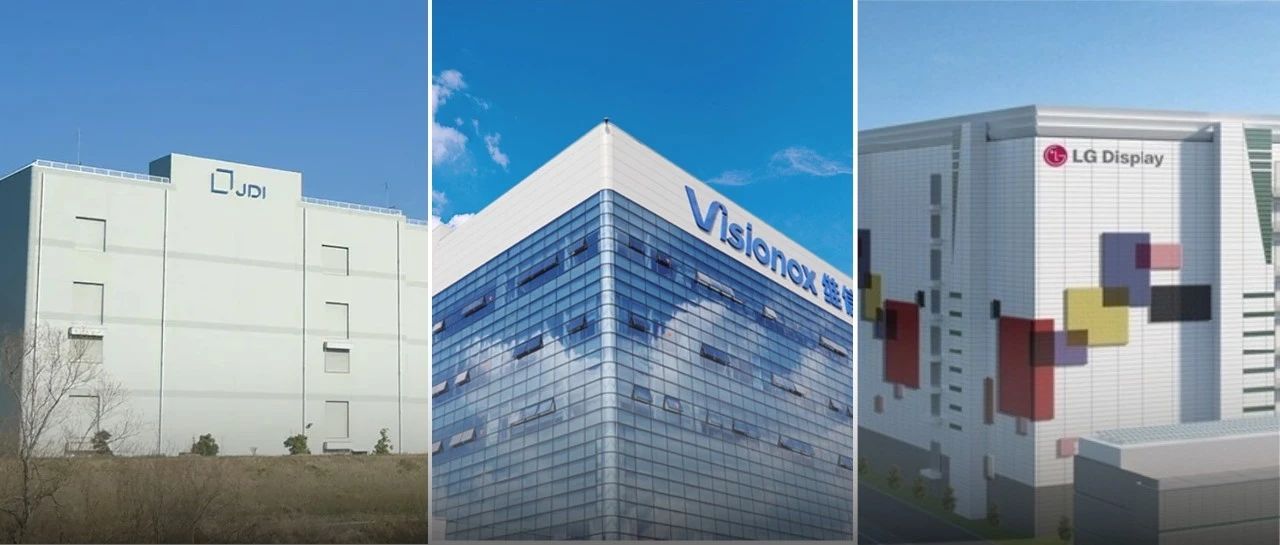
Core Viewpoint - LG Display (LGD) is evaluating a new OLED panel technology that does not use Fine Metal Mask (FMM), instead utilizing semiconductor photolithography for production, which may enhance production efficiency and expand future potential [1][8]. Group 1: Technology Development - LGD plans to test the no-FMM technology on its E4 production line in Paju, which currently has low utilization rates [2][3]. - The new production line has installed Chemical Vapor Deposition (CVD) equipment and aims to produce OLED panels using a method similar to eLEAP technology [3]. - LGD's primary focus is on WOLED (White OLED) and POLED (Plastic OLED) technologies, targeting large and medium/small size applications respectively [4][6]. Group 2: Market Position and Competition - LGD is currently the only manufacturer producing large-size WOLED TV panels at scale, while competing with Samsung Display in the POLED segment [4][6]. - The no-FMM technology could complement LGD's existing WOLED technology, allowing for a broader range of panel sizes and applications, including laptops and automotive displays [9][20]. - The no-FMM technology is gaining attention as FMM approaches its physical limits, with challenges in resolution and material utilization [10][12]. Group 3: Industry Trends - The OLED market is seeing a shift towards medium-sized applications, with increasing demand for high-quality displays in laptops and automotive sectors [45][52]. - Companies like JDI and Visionox are also developing no-FMM technologies, indicating a competitive landscape forming among major players in the OLED market [23][29][40]. - The no-FMM technology is expected to significantly reduce production costs and material waste, enhancing overall efficiency in OLED manufacturing [19][49]. Group 4: Future Outlook - The no-FMM technology is still in its early development stage, with challenges remaining before mass production can be achieved [54][55]. - As the OLED market expands, companies investing in no-FMM technology are likely to see growth opportunities, particularly in the medium-sized display segment [53].
京东方:三季度继续坚持按需生产
WitsView睿智显示· 2025-07-21 08:19
Group 1 - The core viewpoint of the article highlights the current business status of BOE in the LCD, AMOLED, perovskite, and glass-based semiconductor sectors, emphasizing the company's proactive adjustments in production to meet market demands [1][3] Group 2 - In the LCD industry, BOE indicated that the average operating rate is expected to recover to over 80% by Q1 2025, following a decline in Q2 due to cooling terminal demand [1] - The company plans to continue flexible adjustments in production lines in Q3, adhering to a "demand-driven production" strategy to navigate fluctuations in international trade and policy effects [1] Group 3 - In the flexible AMOLED sector, BOE has achieved full coverage of top mobile brands, with a rapid increase in the proportion of high-end products such as LTPO and foldable displays [1] - The Chengdu 8.6-generation AMOLED production line commenced operations four months ahead of schedule on May 20 [1] Group 4 - In addition to its main display business, BOE's perovskite pilot line produced the industry's first 2.4m×1.2m photovoltaic cell sample with leading conversion efficiency in 2024 [3] - The company has also delivered high aspect ratio board-level samples using glass-based packaging technology [3] Group 5 - Financially, BOE expects a depreciation expense of approximately 38 billion yuan in 2024, continuing to increase due to the completion of three 6th generation AMOLED production lines [3] - The company anticipates that depreciation will peak in 2025, leading to improved operational efficiency and profitability as new projects stabilize and mature production lines finish depreciation [3] Group 6 - Looking ahead, BOE's capital expenditure will focus on the "screen IoT" strategy, concentrating on the semiconductor display business while extending into four high-potential areas: IoT innovation, sensing, MLED, and smart medical engineering [3]
精测电子:控股子公司获政府补助资金2520万元
WitsView睿智显示· 2025-07-21 08:19
Core Viewpoint - The announcement of government subsidies totaling 25.2 million yuan will positively impact the company's operating performance in 2025 [1]. Group 1: Company Overview - Shanghai Jingce Semiconductor Technology Co., Ltd. was established in 2018, focusing on the research, production, and sales of semiconductor testing equipment, as well as some testing equipment for display and new energy fields [2]. - Jingce Electronics primarily engages in the research, production, and sales of testing systems for displays, semiconductors, and new energy [2]. Group 2: Product and Market Performance - The main products in the display sector include testing equipment for various display devices such as LCD, OLED, Mini LED, Micro OLED, and Micro LED, including electrical measurement and debugging systems, pre-process AOI equipment, and automated equipment integration products [2]. - The self-developed Seal series TGV testing equipment was successfully delivered in bulk last November, with applications in Mini/Micro LED direct display, advanced semiconductor packaging substrates, and other precision devices [2]. Group 3: Financial Performance - In Q1 2025, Jingce Electronics achieved revenue of 689 million yuan, a year-on-year increase of 64.92%, and turned a profit with a net profit attributable to shareholders [2]. - The semiconductor segment generated sales revenue of 212 million yuan, up 63.71% year-on-year, while the display segment achieved sales revenue of 382 million yuan, a growth of 42.46% [2]. - In the new energy sector, the company reported sales revenue of 77.57 million yuan, a significant increase of 429.71% year-on-year [2].

韩媒:三星显示将为迈巴赫供应OLED
WitsView睿智显示· 2025-07-21 08:19
Core Viewpoint - Samsung Display will supply 48-inch Pillar-to-Pillar (P2P) OLED displays for the new Maybach S-Class vehicles set to launch in 2028, marking its first collaboration with Mercedes-Benz in the automotive display sector [1][4]. Group 1: Product Features - The P2P display uniquely spans the left and right pillars of the vehicle, covering the entire area in front of the driver and front passenger, which traditional LCD and rigid OLED displays cannot achieve due to the length and curvature of the dashboard [3]. - Flexible OLED technology is crucial for the P2P display, allowing it to meet the design requirements of modern vehicles [3]. Group 2: Market Implications - This partnership signifies Samsung Display's entry into the automotive market and expansion of its electronic components business, potentially accelerating the transition from LCD to OLED displays in vehicles [4]. - The increasing penetration of OLED technology in mainstream models is expected to further expedite the shift towards OLED in automotive displays [4].

面板最新价格(2025年7月)
WitsView睿智显示· 2025-07-21 08:19
Core Viewpoint - The report indicates a decline in television panel prices in July 2025, while prices for monitor and laptop panels remain stable [1]. Group 1: Television Panels - The average price for a 65-inch television panel is $173, down by $3 from the previous month, a decrease of 1.7%. The lowest price recorded is $167, and the highest is $177 [3]. - The average price for a 55-inch television panel is $124, down by $2 from the previous month, a decrease of 1.6%. The lowest price is $118, and the highest is $127 [3]. - The average price for a 43-inch television panel is $64, down by $1 from the previous month, a decrease of 1.5%. The lowest price is $62, and the highest is $65 [4]. - The average price for a 32-inch television panel is $35, down by $1 from the previous month, a decrease of 2.8%. The lowest price is $34, and the highest is $36 [4]. Group 2: Monitor Panels - Monitor panel prices remained stable in July 2025 [5]. - The average price for a 27-inch IPS panel is $63, with a lowest price of $57.6 and a highest price of $65.8 [6]. - The average price for a 23.8-inch IPS panel is $49.9, with a lowest price of $47.1 and a highest price of $51.4 [7]. Group 3: Laptop Panels - Prices for laptop panels across various sizes remained unchanged in July 2025 [8]. - The average price for a 17.3-inch TN panel is $38.3, with a lowest price of $37.7 and a highest price of $39.8 [8]. - The average price for a 15.6-inch Value IPS panel is $40.3, remaining the same as the previous month, with a lowest price of $38.6 and a highest price of $41.9 [9]. - The average price for a 14.0-inch TN panel is $26.9, with a lowest price of $26.4 and a highest price of $28.1 [9]. - The average price for an 11.6-inch TN panel is $25.1, with a lowest price of $24.2 and a highest price of $26.5 [9].

惠科官宣:首款自研OLED模组在深圳正式点亮
WitsView睿智显示· 2025-07-19 08:34
Core Viewpoint - Huike's first self-developed and manufactured OLED module successfully lit up, marking a strategic achievement in the OLED sector and overcoming core process barriers [1][3]. Group 1: Product Development - The OLED module utilizes innovative oxide semiconductor backplane technology combined with a hybrid panel architecture, completing the full process verification from design to trial production in five months [3]. - This successful launch fills Huike's gap in the OLED field and supports the establishment of a comprehensive product system covering LCD, Mini LED, and OLED across various sizes [3]. Group 2: Business Strategy - Huike's main business involves the research and manufacturing of semiconductor display panels and smart display terminals, with existing technologies including a-Si TFT-LCD, Oxide TFT, Oxide RGB OLED, Oxide LCD, and Mini LED [3]. - As of June this year, Huike's updated prospectus indicates that self-developed oxide OLED, RGB OLED, and ultra-low frequency OLED products have entered trial production [3]. Group 3: Strategic Acquisitions - In January 2025, Huike acquired part of the flexible display industrial park assets from Royole Technology for approximately 504 million RMB, seen as a key step for rapid entry into the OLED market [4]. - This acquisition allows Huike to leverage Royole's legacy G5.5 flexible OLED production line and oxide TFT technology, which is more suitable for large-size flexible products, thereby enhancing its OLED technological capabilities [4].

TCL华星&小米创新显示联合实验室二期揭幕
WitsView睿智显示· 2025-07-18 06:42
Core Viewpoint - The establishment of the second phase of the TCL Huaxing & Xiaomi Innovative Display Joint Laboratory marks a deepening of the strategic partnership between the two companies, aiming to explore future display technologies and strengthen their leading advantages in the industry [1][2]. Group 1: Partnership Development - TCL Huaxing and Xiaomi have built a deep and comprehensive strategic partnership since 2017, with significant milestones achieved over the years [2]. - In 2020, Xiaomi invested in custom TCL Huaxing AMOLED curved screens for its Xiaomi 10 series, showcasing the collaboration's early successes [2]. - The first phase of the Innovative Display Joint Laboratory was established in 2021 to conduct pre-research on semiconductor display technology and share technological achievements [2]. Group 2: Technological Achievements - The partnership has led to breakthroughs in various technologies, with products like the Xiaomi MIX Flip 2 and others being supplied by TCL Huaxing [3]. - The Innovative Display Joint Laboratory has created a mechanism for "joint R&D + capacity collaboration," significantly shortening the innovation technology implementation cycle and enhancing project efficiency [3]. - Key milestones include the launch of the first smartphone with an under-display camera in 2021, the development of the first domestic 2K LTPO screen in 2022, and the initiation of research on full-depth micro four-curved screens in 2023, with over 130 patents applied for [3].


2025上半年面板价格变化趋势回顾
WitsView睿智显示· 2025-07-18 06:42
Core Viewpoint - The global panel industry experienced a shift from optimistic expectations at the beginning of 2025 to price adjustments by mid-year, reflecting a dual market scenario influenced by policy stimuli and macroeconomic uncertainties [1][20]. Television Panels - The price trend of television panels in the first half of 2025 transitioned from demand-driven growth to rational adjustments due to supply-demand dynamics [2]. - In Q1, television panel prices rose significantly due to strong demand driven by policies like "trade-in" in China, particularly in lower-tier markets, and a continued trend towards larger screen sizes [3][4]. - By Q2, the market cooled as demand weakened, particularly in North America, and the effects of the "trade-in" policy diminished, leading to increased inventory levels among brand manufacturers [5][6]. - As demand declined, price pressures emerged, with mainstream sizes like 43-inch, 55-inch, and 65-inch panels seeing a price drop of $1 in June, marking a market turning point [6]. Monitor Panels - Monitor panel prices remained relatively stable in the first half of 2025, showing resilience despite traditional seasonal demand dips [7]. - The introduction of "trade-in" subsidies for monitors in China helped stimulate demand, allowing manufacturers to cautiously raise prices [8]. - However, as the peak of inventory buildup passed and television panel prices fell, monitor demand growth slowed, leading to a stabilization in prices [9]. - The gaming monitor segment, particularly OLED technology, emerged as a new growth area, with projected shipments reaching 3.3 million units in 2025, a 65% year-on-year increase [9]. Notebook Panels - Notebook panel prices remained stable throughout the first half of 2025, reflecting a balance of various market forces amid uncertainties [11]. - Despite cautious behavior due to fluctuating international trade relations, brands are optimistic about demand in the latter half of the year, leading to increased orders for notebook panels [12]. Company Performance - TCL Technology's semiconductor display business is expected to achieve a net profit exceeding 4.6 billion yuan, a year-on-year increase of over 70%, while other companies like Rainbow and Huayi reported declines [14][15]. - Companies are adjusting strategies in response to market volatility, with a trend towards consolidation and resource optimization [17][18]. - Some manufacturers are diversifying into non-consumer display markets, with companies like Deepin Technology increasing revenue from sectors like automotive and professional displays [19]. Market Outlook - The first half of 2025 saw a complex interplay of factors affecting the global panel market, with television panel price fluctuations and relative stability in monitor and notebook panels shaping the overall landscape [20]. - Companies are enhancing operational capabilities through market expansion, scale reduction, and diversification to navigate uncertainties [21]. - The macroeconomic environment remains a significant variable for the panel market, influencing demand through global economic recovery, consumer purchasing power, and geopolitical risks [22].