半导体显示

Search documents
93.25亿!TCL科技拟收购广州华星半导体45%股权
WitsView睿智显示· 2026-03-31 01:12
Core Viewpoint - TCL Technology plans to invest 9.325 billion yuan to acquire 45% equity of Guangzhou Huaxing Semiconductor Display Technology Co., Ltd., aiming for full ownership of the subsidiary [2][5]. Group 1: Acquisition Details - The total transaction price is 9.325 billion yuan, with 4.662 billion yuan paid in shares and 4.662 billion yuan in cash [2]. - The acquisition will enhance TCL's control over Guangzhou Huaxing Semiconductor, increasing operational support and business execution efficiency [8]. Group 2: Business Performance and Projections - Guangzhou Huaxing Semiconductor operates the T9 factory and has the first domestic G8.6 generation oxide semiconductor display panel production line, achieving full production capacity [5]. - Revenue is projected to grow from 8.248 billion yuan in 2024 to 16.040 billion yuan in 2025, a year-on-year increase of 94%, while net profit is expected to rise from 274 million yuan to 1.158 billion yuan, a 322% increase [5]. - Forecasted main business revenues from 2026 to 2031 are as follows: 16.316 billion yuan (2026), 17.238 billion yuan (2027), 17.608 billion yuan (2028), 18.201 billion yuan (2029), 18.703 billion yuan (2030), and 18.719 billion yuan (2031) [6][7]. Group 3: Strategic Importance - The acquisition aligns with TCL's focus on semiconductor displays, new energy photovoltaics, and semiconductor materials, strengthening its core business and competitive edge in the semiconductor display industry [8].


李东生:从「跟跑」到「领跑」,科技制造业需要资本「长跑」
36氪· 2026-03-26 13:46
Core Viewpoint - The semiconductor display industry in China is leading a transformative change, moving from a position of dependency on foreign technology to achieving significant advancements and self-sufficiency in manufacturing [2][6][9]. Industry Overview - China has built a complete semiconductor display industry chain over the past few decades but has faced challenges in achieving strength despite its large capacity, often relying on imports for advanced technologies [3][4]. - The "Made in China 2025" strategy initiated a focus on integrating technology with manufacturing, emphasizing innovation and positioning advanced fields like integrated circuits and semiconductor displays as key areas for development [5][6]. Market Dynamics - The domestic LCD production capacity has reached 70% of the global total, with companies like TCL and BOE leading the charge in manufacturing technology [6]. - The restructuring of the display panel industry chain has led to increased domestic production of essential materials, with some segments achieving over 60% localization [6]. Investment Landscape - Significant capital investment has been crucial for the development of the semiconductor display industry, with domestic companies raising over 300 billion yuan in the past decade for LCD competition [6][16]. - The capital market's preference for short-term returns poses challenges for long-term investments necessary for technological advancements in the manufacturing sector [7][9]. Technological Advancements - The shift towards new display technologies such as OLED and printed OLED is evident, with TCL investing heavily in the world's first mass production line for 8.6-generation printed OLED technology [19][20]. - The advantages of printed OLED technology include lower costs and higher material utilization rates compared to traditional methods, making it a promising avenue for future growth [20][21]. Competitive Landscape - The global display panel industry has seen significant shifts, with South Korean companies like Samsung and LG dominating the market through substantial government support and investment during critical periods [14][15]. - Chinese companies are now on par with their South Korean counterparts in technology, but a more systematic support structure is needed to sustain competitive advantages [17][24]. Funding Challenges - The need for long-term capital is critical as the industry faces high costs associated with technology upgrades and production line investments, with domestic companies often relying on short-term financing [29][30]. - Regulatory support and tailored financing policies are necessary to facilitate the growth of high-tech, capital-intensive industries in China [32].
翰博高新(301321) - 2026年3月13日投资者关系活动记录表
2026-03-16 07:51
Group 1: Company Overview - The company aims to become the preferred partner in the semiconductor display industry, providing comprehensive solutions including optical design, light guide plate design, precision mold design, and intelligent manufacturing [2] - The main products include backlight display modules and related components, applicable in laptops, tablets, desktop displays, automotive displays, medical displays, industrial control displays, and VR devices [3] Group 2: Product Development and Market Position - The company has developed technologies for lightweight, narrow bezel, irregular screens, and high-brightness backlight display modules, achieving mass production [3] - Increased R&D investment is focused on Mini-LED technology, enhancing reliability and stability in display modules [3] - The company has a comprehensive understanding of customer needs and market trends, which aids in product development and enhances competitiveness [3] Group 3: Share Repurchase and Reduction Plan - As of March 11, 2026, the company has repurchased 1,864,350 shares, accounting for 1% of total share capital, with total proceeds of approximately ¥42.82 million [4] - The share repurchase plan is subject to market conditions and may involve uncertainties regarding timing, quantity, and price [5] Group 4: Acquisition Progress - The company established a joint venture, Chip Dongjin, with a registered capital of ¥440 million, holding 45.4545% of the shares [6] - Chip Dongjin plans to acquire 70% of a special purpose company related to Korean Dongjin for $142.1 million, which includes 100% equity of nine target companies and 24 related patents [6] Group 5: Financial Performance and Outlook - The company expects a net loss of ¥55 million to ¥90 million for 2025, with a significant reduction in loss compared to 2024 [7] - Revenue for the first three quarters of 2025 reached ¥2.424 billion, a year-on-year increase of 44.06%, indicating strong growth momentum [8] - Despite increased manufacturing costs due to new investment projects, the company is focused on cost reduction and efficiency improvements, with a gross profit increase of approximately ¥100 million [8]
高科技、重资产、长周期:中国先进制造的资本考题
晚点LatePost· 2026-03-15 11:00
Core Viewpoint - The article emphasizes that China's advanced manufacturing, particularly in the display panel industry, requires not only technological breakthroughs but also substantial capital investment to maintain competitiveness and drive innovation [2][4][19]. Group 1: Industry Transformation - In 2023, China's panel industry has fundamentally changed its global position, with major companies like TCL and BOE dominating the traditional LCD market and aggressively pursuing high-end OLED and next-generation display technologies [2][4]. - The transformation of the industry is characterized by a long-term struggle against external technological blockades and significant industry cycle fluctuations, necessitating continuous evolution under high uncertainty [2][4]. Group 2: Capital Investment and Strategy - Companies like TCL Huaxing have chosen to bear the primary investment burden themselves, which increases financial pressure and requires strong judgment from leadership regarding industry outcomes [4][10]. - Continuous and substantial capital investment is essential for building core barriers in advanced manufacturing, whether for long-term investments during industry downturns or for exploring cutting-edge technologies like OLED and Micro LED [4][10]. Group 3: Competitive Landscape - The competition in the high-end manufacturing sector intensifies as any technological lag or production layout delay can significantly reshape the industry landscape [5][21]. - The historical context shows that Japanese companies, despite initial advantages, lost market share due to reduced investments during downturns, while Korean firms capitalized on the opportunity by increasing their investments [7][10]. Group 4: Financial Dynamics - The development of the semiconductor display industry is not only a technological evolution but also a capital competition, where companies must balance technology and capital investment [6][14]. - The high capital requirements for establishing new production lines, often exceeding hundreds of billions of yuan, highlight the significant financial barriers in the industry [14][20]. Group 5: Future Outlook - The article calls for enhanced capital market support for advanced manufacturing, indicating that the challenges faced by the panel industry are indicative of broader issues within China's advanced manufacturing sector [19][22]. - The need for more accessible and effective financing channels is crucial for Chinese companies to maintain competitiveness and achieve long-term growth in the global market [18][22].
李东生两会再议先进制造业融资:疏通资本“活水”润泽“长跑”产业
第一财经· 2026-03-07 08:17
Core Viewpoint - Breakthroughs in key technology areas are essential to support the transformation and upgrading of the Chinese economy, particularly in advanced manufacturing, which requires strong capital support [1]. Group 1: Capital Support for Advanced Manufacturing - The manufacturing value added in China accounts for nearly 30% of the global total, maintaining the top position for 15 consecutive years, but there are still shortcomings in high-tech fields like integrated circuits [1]. - The capital strength of private enterprises is relatively weak, which hinders their ability to invest in high-tech, heavy asset, and long-cycle industries [3][4]. - TCL Huaxing serves as a model in the semiconductor display industry, achieving partial leadership through a unique capital structure where over 50% of project investments are self-funded and 100% of project loans are guaranteed by the company [4]. Group 2: Financing Challenges and Recommendations - The current investment landscape shows that while state and local governments are investing in integrated circuits, private enterprises face limitations in capital capabilities [4]. - TCL Technology has raised approximately 18.3 billion yuan through refinancing from 2021 to 2025, but the capital expenditure during the same period reached 32.3 billion yuan, indicating a funding gap [5]. - There is a need for special financing rules and channels to better support advanced manufacturing, as existing refinancing processes are lengthy and require suitable market conditions [6]. Group 3: Innovation and Investment in Display Technology - The display industry is approaching a critical moment, with Chinese companies capturing over 70% of global LCD production capacity, while OLED technology is rapidly penetrating the market [8]. - TCL Huaxing has invested significantly in the development of printed OLED technology, achieving a yield improvement from single digits to over 70% over ten years [8][9]. - The company is constructing the world's first 8.6-generation printed OLED production line in Guangzhou, with an investment of 29.5 billion yuan, aiming for mass production by the second half of 2027 [9]. Group 4: Long-term Capital and Innovation - The investment in printed OLED technology is compared to the risks faced when launching the first LCD production line, emphasizing the need for strong innovation capabilities and substantial investment [9][10]. - The ability to seize market opportunities is crucial, and companies must balance technology readiness with timely investment decisions to avoid missing market windows [10]. - Strengthening capital support is essential for cultivating world-class enterprises in high-tech, heavy asset, and long-cycle industries, as demonstrated by TCL's journey from LCD to printed OLED [11].

对话李东生:想公开讲一些有建设性的真话
经济观察报· 2026-03-07 04:01
Core Viewpoint - The conversation emphasizes the need for the domestic business system to reduce unnecessary consumption and allow the market to function effectively [2] Group 1: Industry Challenges - In the past five years, nearly all new capacity in the photovoltaic industry has involved local capital participation [1][30] - The implementation of national subsidies for bulk consumer goods has led to local governments requiring companies to establish independent legal entities to qualify for these subsidies, resulting in TCL adding approximately 540 new legal entities [2][5][42] - The over-intervention of local funds in the market has distorted resource allocation, with local investment in photovoltaic projects often exceeding 50%, and in some cases, reaching 80% [7][30] Group 2: Financing Issues - The financing channels for large technology manufacturing are not smooth, with semiconductor display production lines requiring investments between 15 billion to 40 billion yuan, and financial institutions demanding that companies provide at least 40% of the total investment as their own capital [9][15] - The refinancing process is lengthy and complicated, making it difficult for companies to secure necessary funds for project investments [18][19] Group 3: Market Dynamics - The decline in television sales in China, with 32.9 million units sold in 2025, is attributed to a lack of attractive content rather than hardware issues, contrasting with the 49.9 million units sold in the U.S. [10][50] - The trade surplus of over 1.2 trillion USD in the previous year suggests a need for increased imports to stimulate domestic market demand [11][51] Group 4: Recommendations for Improvement - Local funds should have clear exit mechanisms and limited liability to prevent excessive market interference [8][39] - The government should consider special policies to support restructuring in the photovoltaic industry, including debt extension and waiving penalties for overdue loans [36][38] - To enhance service consumption, there should be a focus on differentiated service products that cater to various consumer needs [47][50] Group 5: Globalization and Strategic Partnerships - TCL's global revenue reached 356 billion yuan, with 170.1 billion yuan coming from overseas, indicating the importance of establishing local supply chains [62] - The joint venture with Sony aims to leverage both companies' strengths to enhance competitiveness in the television market [64][66]


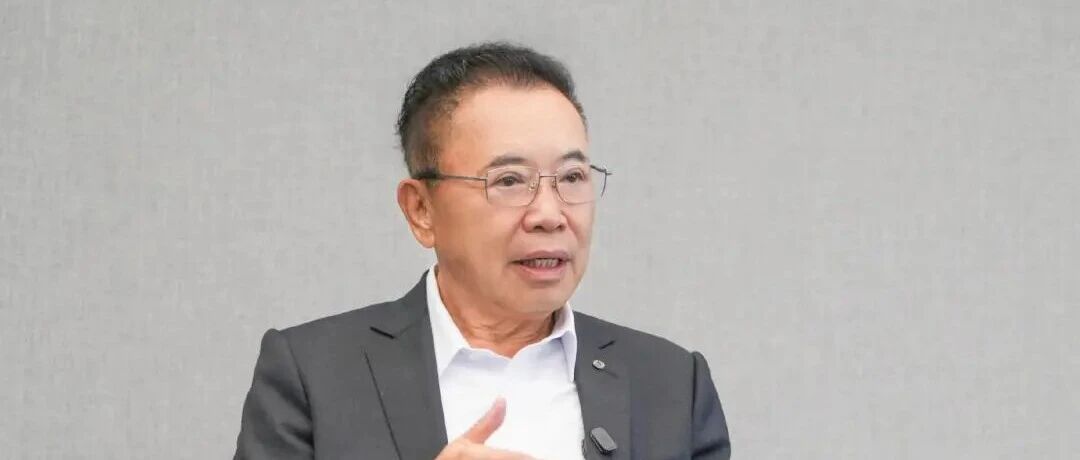
李东生2026智能制造展望:守制造之本,拓新质之路,谋创新之远
21世纪经济报道· 2026-03-06 10:21
Core Viewpoint - TCL, under the leadership of Li Dongsheng, has transformed from a small tape workshop into a global technology manufacturing giant, spanning semiconductor displays, smart terminals, and new energy photovoltaics. The company aims to navigate the increasingly competitive landscape of the semiconductor display industry and leverage its global strategy to drive innovation and growth [1]. Group 1: Manufacturing and Investment Strategy - Li Dongsheng emphasizes that the core of industrial transformation and upgrading lies in developing high-tech, capital-intensive, and long-cycle industries, such as integrated circuits and semiconductor displays, which require sustained investment [1][8]. - The company has called for increased financing convenience and predictability for advanced manufacturing industries to better compete internationally [3]. - Since its establishment in 2009, TCL Huaxing has invested over 300 billion yuan in the semiconductor display industry, making it one of the largest investors in China's autonomous semiconductor display process [3][4]. Group 2: Historical Investment Phases - The investment phases of TCL include the foundational period from 2009 to 2013, where initial investments broke overseas monopolies, and the expansion phase from 2014 to 2019, where the company entered the global top tier through comprehensive investments [4]. - From 2020 onwards, TCL has focused on technological upgrades and global integration, solidifying its position as a global leader in the LCD sector while advancing into next-generation display technologies [5][7]. Group 3: Competitive Landscape - The global semiconductor display industry is characterized by intense competition, with major players like Samsung and LG dominating high-end OLED markets, while Chinese companies like TCL Huaxing lead in LCD and rapidly catch up in OLED and other new technologies [7]. - China now accounts for 70% of global LCD production, establishing a significant competitive barrier, and TCL has achieved a position of parity and local leadership in certain areas [7]. Group 4: New Energy and Photovoltaics - In 2020, TCL acquired Tianjin Zhonghuan Group, a leader in global photovoltaic silicon wafers, to enhance its competitive edge in the renewable energy sector [10]. - By 2025, TCL Zhonghuan aims to achieve a total silicon wafer production capacity of 200 GW, focusing on large-size, thin wafers, and N-type technology, which is crucial for the photovoltaic industry's transformation [11][13]. Group 5: Market Dynamics and Consumer Behavior - The Chinese television market is experiencing a decline, with a 8.5% drop in shipments in 2025, while the U.S. market shows slight growth, highlighting differences in consumer behavior and market saturation [15][17]. - The average daily TV usage in China is significantly lower than in the U.S., indicating a need for improved content supply to stimulate domestic consumption [17][18]. Group 6: Future Outlook and Strategic Recommendations - Li Dongsheng advocates for a differentiated supply system to stimulate market demand, emphasizing the importance of innovation and long-term planning in achieving high-quality development in emerging strategic industries [14][18]. - The company aims to maintain strategic focus in high-tech, capital-intensive, and long-cycle sectors while fostering a more market-oriented and resilient industrial ecosystem [18].
李东生:我想说的话
经济观察报· 2026-03-05 12:58
Core Viewpoint - The article emphasizes the need for a more efficient business system in China that minimizes unnecessary consumption and allows the market to function effectively [1] Group 1: Company Overview - TCL, founded by Li Dongsheng, has evolved from a consumer electronics brand to a global technology conglomerate with total revenue reaching 356 billion yuan, driven by its core businesses in semiconductor displays and renewable energy [2] - The semiconductor display business is projected to exceed 100 billion yuan in revenue with a net profit of over 8 billion yuan by 2025, while the renewable energy sector is currently facing supply-demand imbalances [2][4] Group 2: Challenges Faced - The first challenge is the distortion in policy execution, where local governments impose unnecessary requirements for subsidies, leading TCL to establish approximately 540 new legal entities, increasing operational costs without adding social value [3][25] - The second challenge involves excessive local capital intervention in the market, with local funds often holding a significant stake in new photovoltaic projects, even when market conditions suggest a halt in expansion [4][16] - The third challenge is the difficulty in securing financing for large-scale semiconductor manufacturing projects, where financial institutions require a minimum of 40% equity from companies, complicating the funding process [6][9] Group 3: Market Dynamics - In 2025, China's television sales are expected to decline by 8.5% to 32.895 million units, contrasting with the U.S. market, which is projected to sell 49.9 million units, highlighting a disparity in content service attractiveness [7][29] - The article suggests that enhancing content services and promoting differentiated consumption could stimulate domestic demand, which is currently lagging behind GDP growth [28][30] Group 4: Recommendations for Improvement - Li Dongsheng proposes that local funds should have clear exit mechanisms and limited liability to prevent excessive market interference [5][22] - He advocates for a more streamlined financing process for heavy asset industries, suggesting that regulatory bodies should create special channels for these sectors to facilitate easier access to capital [9][10] - The article also emphasizes the importance of mergers and acquisitions to clear excess capacity in the renewable energy sector, suggesting that a conducive environment for such activities should be established [13][14] Group 5: Globalization and Supply Chain - TCL's global revenue reached 170.1 billion yuan, with a significant portion generated from overseas operations, indicating the importance of establishing local supply chains to enhance competitiveness [36] - The company aims to shift from merely exporting products to building supply chain capabilities abroad, which is essential for sustainable growth in the global market [35][36] Group 6: Future Outlook - The article discusses the potential for TCL's joint venture with Sony, which aims to leverage both companies' strengths to enhance competitiveness in the television market [38][40] - It highlights the necessity for local governments to support industries like semiconductors while ensuring that their involvement does not distort market dynamics [22][25]

年营收超400亿!半导体显示巨头惠科股份上会在即
梧桐树下V· 2026-03-03 02:09
Core Viewpoint - The article highlights the upcoming IPO of Huike Co., Ltd., a leading player in the large-size LCD panel industry, aiming to raise 8.5 billion yuan to enhance its R&D in new display technologies and capacity upgrades, setting the stage for a new growth cycle [1]. Group 1: Company Overview - Huike Co., Ltd. has over 20 years of experience in the display industry and ranks third globally in TV panel shipment area for 2024, with a leading position in the shipment area of LCD TV panels sized 85 inches and above [1]. - The company has established a vertical integration strategy, covering the entire production process from panel manufacturing to smart display terminal products, making it one of the most vertically integrated companies in China's display industry [2]. Group 2: Market Position and Partnerships - Huike has formed deep partnerships with over 3,000 global brands, including Samsung and LG, with long-term supply agreements in place [4]. - The company has a stable international revenue share of around 50%, with operations extending to regions like Hong Kong, Singapore, and the United States [4]. Group 3: Industry Landscape - The global semiconductor display industry is dominated by manufacturers from mainland China, Taiwan, South Korea, and Japan, with Chinese manufacturers holding approximately 70% of the global LCD capacity [5]. - Huike, along with BOE and TCL Huaxing, forms the top tier of global large-size LCD panel manufacturers, with significant market shares in various panel categories [5]. Group 4: Demand and Growth Drivers - The demand for semiconductor display panels is expected to grow due to the increasing diversification of end-user products and the emergence of new application scenarios, such as automotive displays and smart retail [6][7]. - The global semiconductor display panel industry is projected to grow from $100.3 billion in 2022 to $120.2 billion by 2027, driven by advancements in 5G, IoT, and AI technologies [6]. Group 5: Financial Performance - Huike's revenue is expected to grow from 26.965 billion yuan in 2022 to 40.871 billion yuan by 2025, reflecting a steady increase in scale [11]. - The company's gross margin has improved significantly, with the main business gross margin rising from -1.5% in 2022 to 21.24% in the first half of 2025, indicating a strong recovery in profitability [13][14]. Group 6: R&D and Technological Innovation - Huike is committed to technological innovation, with over 2,000 R&D personnel and a cumulative R&D investment of 4.171 billion yuan from 2022 to 2024 [17]. - The company has achieved breakthroughs in various new display technologies, including Oxide and Mini LED, and is actively pursuing the development of OLED technology [18]. Group 7: IPO Fund Utilization - The IPO proceeds of 8.5 billion yuan will be allocated to projects focused on OLED R&D, Oxide technology, Mini-LED manufacturing, and to supplement working capital and repay bank loans [19][20]. - The investment projects align with industry trends and aim to strengthen Huike's market position in high-performance panel products [20]. Group 8: Strategic Alignment with National Goals - Huike's strategy aligns with China's goal of transitioning from a "display power" to a "display strong power," responding to national policies that support strategic emerging industries [21]. - The successful implementation of the IPO projects is expected to enhance Huike's technological innovation and solidify its leading position in the display industry [21].
募资85亿!一边大额分红!一边补流还贷!这家“全球第三”再冲IPO
IPO日报· 2026-02-28 13:00
Core Viewpoint - Huike Co., Ltd. is seeking to go public on the Shenzhen Stock Exchange, aiming to raise 8.5 billion yuan, slightly less than the 9.5 billion yuan targeted in its previous IPO attempt in 2022. The company has turned around from a loss of 1.4 billion yuan to a profit of 3.3 billion yuan, but faces significant debt pressure with total liabilities of 69.153 billion yuan and has distributed 600 million yuan in dividends in the past year and a half [1][4][5]. Group 1 - Huike Co., Ltd. has previously attempted to list on the ChiNext board in June 2022 but withdrew due to losses that did not meet the listing requirements. The current IPO application is for the main board, with 25% of the funds allocated for OLED R&D, 30% for Oxide R&D, 20% for Mini-LED projects, and 10% for working capital and debt repayment [4][5]. - The company has a high debt-to-asset ratio, with figures of 69.10%, 69.47%, and 68.78% from 2022 to 2024, indicating significant financial pressure. The current liquidity ratios are low, with a current ratio of 0.64, 0.85, and 0.99, and a quick ratio of 0.51, 0.69, and 0.85 over the same period [5][6]. - As of the end of June 2025, Huike's total liabilities stand at 69.153 billion yuan, with interest expenses accounting for 19.84% of total profits, raising concerns about the sustainability of its financial structure [7][8]. Group 2 - Huike Co., Ltd. ranks third globally in TV panel shipments, fourth in monitor panel shipments, and third in smartphone panel shipments, with a market share exceeding 10% in each category [10]. - The company's revenue has shown significant volatility, with figures of 26.96 billion yuan in 2022, 35.82 billion yuan in 2023, and 40.28 billion yuan in 2024, alongside a net profit turnaround from a loss of 1.42 billion yuan to a profit of 3.32 billion yuan [11][12]. - Government subsidies have played a crucial role in supporting profits, contributing a total of 5.775 billion yuan over the reporting period, while the company's R&D expenditure has decreased, falling below the industry average [12][13].