Robot猎场备忘录

Search documents
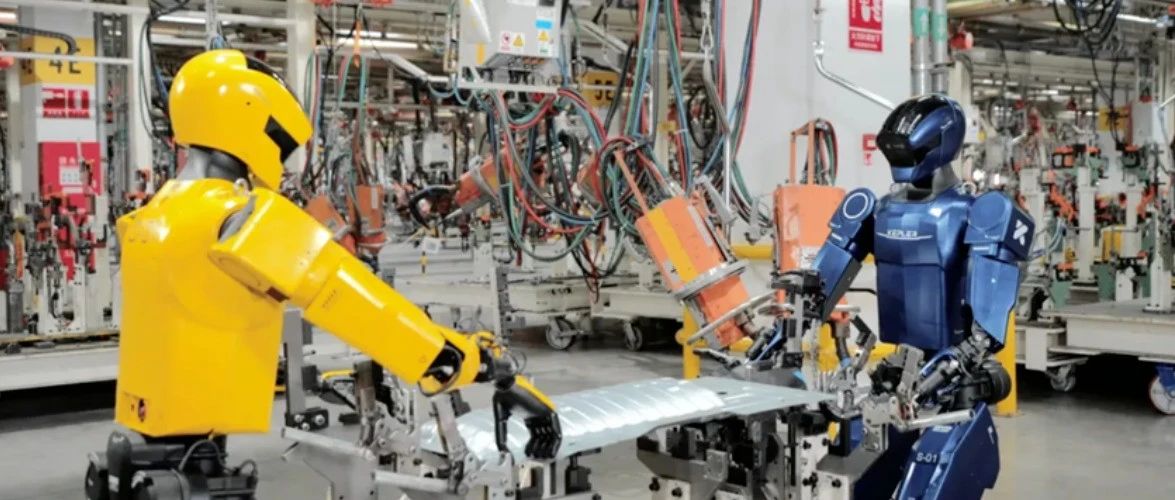
半年四轮融资!这家人形机器人创企造出“特斯拉Optimus”平替
Robot猎场备忘录· 2025-08-02 03:35
Core Viewpoint - The WAIC2025 conference showcased significant advancements in humanoid robots, particularly highlighting the practical applications and commercial viability of the K2 Bumblebee robot from Kepler Robotics, which demonstrated impressive performance metrics such as an 8-hour operational endurance and a 30kg load capacity [2][3][19]. Group 1: K2 Bumblebee Overview - The K2 Bumblebee robot has entered testing phases with leading industrial clients, focusing on practical applications in logistics, material handling, and inspection [3][19]. - The robot's design emphasizes a "factory-first" strategy, prioritizing industrial applications over educational or performance-based scenarios [3][26]. - K2 Bumblebee's 8-hour endurance is a result of a balanced approach to technology and cost, ensuring it meets core operational needs without excessive complexity [6][9]. Group 2: Technical Innovations - The K2 Bumblebee features a unique power system that allows it to carry loads of up to 30kg, demonstrated through real-time logistics tasks [7][10]. - It incorporates a bio-inspired architecture with 52 degrees of freedom, enabling human-like flexibility and movement [11][15]. - The robot is equipped with advanced sensory systems, including 80+ sensors for multi-modal perception, enhancing its operational capabilities [15][18]. Group 3: Commercialization and Market Position - Kepler Robotics has initiated mass production pre-sales for the K2 Bumblebee, aiming to sell hundreds of units this year, with a target of scaling to thousands next year [24][26]. - The pricing strategy positions the K2 Bumblebee competitively in the market, with starting prices around 248,000 yuan, significantly lower than similar products [25]. - The company has established strategic partnerships with several A-share listed companies to enhance its technological capabilities and market reach [20][22]. Group 4: Future Plans and Industry Context - Kepler Robotics aims to build a robust ecosystem around humanoid robots, focusing on hardware development while also enhancing software capabilities [27]. - The company is committed to a "hardware-first" approach, ensuring that all components are developed in-house to maintain quality and innovation [27]. - The competitive landscape for humanoid robots is intensifying, with Kepler's pragmatic approach distinguishing it from other startups that may prioritize flashy demonstrations over practical applications [30].

再获近6亿融资,“伯克利”AI大牛领衔,这家具身智能机器人创企晋升独角兽!
Robot猎场备忘录· 2025-07-31 04:57
Core Viewpoint - The article highlights the recent financing success of Qianxun Intelligent, a leading Chinese humanoid robot startup, which raised nearly 600 million yuan in a Pre-A+ round led by JD.com, indicating strong investor interest in the embodied intelligence sector [1]. Financing and Investment Trends - Qianxun Intelligent has completed five rounds of financing within 1.5 years, accumulating over 1.4 billion yuan, showcasing its appeal in the capital market [1]. - Major tech companies, including JD.com, Huawei, Tencent, and Ant Group, have entered the embodied intelligence sector through investments in various startups, indicating a trend of "self-research + investment" strategies among industry leaders [2][3]. Company Overview - Qianxun Intelligent, established in January 2024, focuses on developing world-class general-purpose humanoid robots and next-generation embodied large models and learning algorithms [6]. - The company is led by a team with significant expertise in robotics, including its CEO Han Fengtao and co-founder Gao Yang, who have strong academic and industry backgrounds [9][18]. Technological Advancements - Qianxun Intelligent emphasizes a full-stack approach, integrating both hardware and software capabilities, which is crucial for the seamless operation of humanoid robots [19]. - The company has made significant progress in developing its VLA (Vision-Language-Action) model, achieving breakthroughs in complex task execution, such as folding clothes, which demonstrates its advanced capabilities in embodied intelligence [23][24]. Market Position and Future Plans - The company is targeting high-value sectors such as smart manufacturing, logistics, and healthcare, with plans to deliver hundreds of products by 2025 after conducting over 80 scenario studies [33]. - Qianxun Intelligent is positioned as a key player in the embodied intelligence market, competing with other startups that focus on either hardware or software capabilities, with a notable emphasis on AI-driven solutions [34].

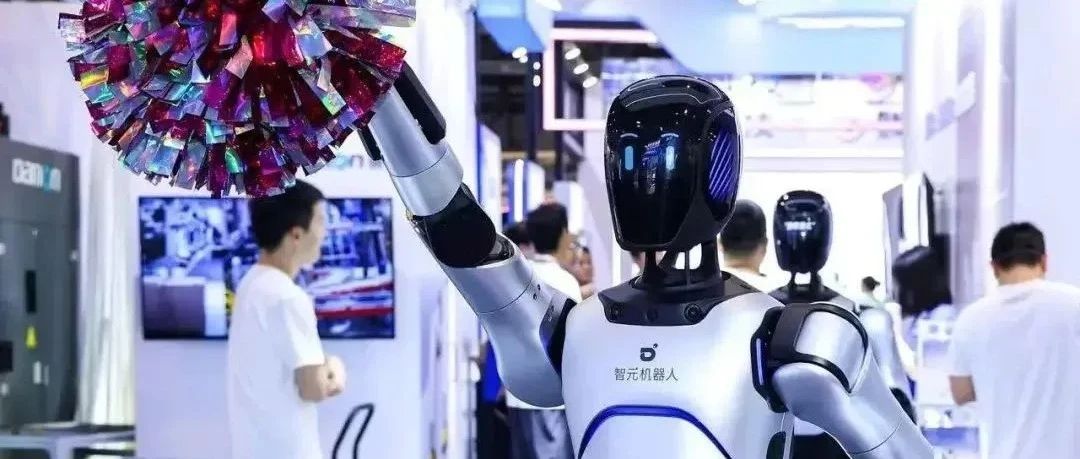
「智元」、「宇树」齐向上,「优必选」向下
Robot猎场备忘录· 2025-07-30 00:02
Core Viewpoint - The WAIC2025 conference showcased nearly 200 humanoid robots, highlighting the rapid advancements in the domestic humanoid robot industry, with companies like Zhiyuan Robotics and Yushutech taking center stage [1][3]. Market Performance - **UBTECH Robotics**: The company went public at a price of 90 HKD per share on December 29, 2023, reaching a peak of 328 HKD but closing at 91.35 HKD on July 29, 2025, with a market capitalization of approximately 43.11 billion HKD (39.41 billion CNY) [8]. The company has undergone five rounds of placement financing, raising a total of about 4.54 billion HKD (approximately 4.14 billion CNY) [8]. - **Zhiyuan Robotics**: Acquired a 66.99% stake in the listed company Shuangwei New Materials for about 2.1 billion CNY, marking its entry into the capital market and positioning itself as the first humanoid robot company on the A-share market [9]. The market capitalization of Shuangwei New Materials surged from 3.138 billion CNY to 33.955 billion CNY, becoming the first tenfold stock in A-shares this year [9]. - **Yushutech**: The company is in the process of launching its IPO, with a valuation of approximately 12 billion CNY, and is expected to list in the first half of 2026 [12]. Commercialization Progress - **UBTECH Robotics**: The company has established numerous strategic partnerships but remains in the proof of concept (POC) stage for many of its products. Recent announcements include the delivery of 300 humanoid robots and a significant procurement project worth 90.51 million CNY [15][17]. - **Zhiyuan Robotics and Yushutech**: Both companies have secured contracts for humanoid robot projects, with Zhiyuan winning a bid for 200 humanoid robots valued at 78 million CNY and Yushutech winning a bid for smaller humanoid robots valued at 46.05 million CNY [18]. Industry Trends - The humanoid robot sector is experiencing a surge in interest, with companies like Zhiyuan Robotics and Yushutech leading the charge, while UBTECH Robotics is facing challenges in maintaining its market position [20]. The industry is characterized by a mix of hardware and software approaches, with varying degrees of success in commercialization [20].

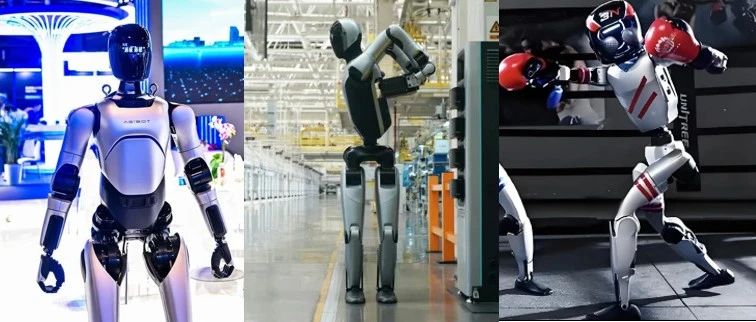
人形机器人引爆WAIC,但商业价值验证仍需时间
Robot猎场备忘录· 2025-07-28 14:15
Core Viewpoint - The 2025 World Artificial Intelligence Conference (WAIC) highlighted humanoid robots as a major focus, showcasing over 200 humanoid robots, marking the largest domestic display to date, with many companies launching new products [1][3]. Group 1: Industry Progress - Compared to the previous WAIC in 2024, where humanoid robots were primarily static, this year's event featured robots actively performing tasks in various commercial scenarios, indicating significant progress in the industry [3][24]. - The shift from "hanging" robots to "moving" robots reflects the current priority of humanoid robot companies to integrate their products into industrial and commercial applications [3][24]. Group 2: Key Players - Leading humanoid robot companies, such as Zhiyuan Robotics and Yushutech, dominated the exhibition, with Zhiyuan showcasing a large family of products and Yushutech presenting impressive demonstrations [6][12]. - Notably, UBTECH did not participate in this year's event, which previously affected its stock performance during WAIC 2024, raising concerns about its market position [11][12]. Group 3: Commercialization Challenges - The humanoid robot sector is transitioning from speculative hype to a focus on practical applications, with Morgan Stanley predicting widespread adoption in China by the second half of 2025 [24][27]. - The industry faces challenges in mass production and effective application of humanoid robots, with companies like Yushutech focusing on hardware and others like Zhiyuan emphasizing AI capabilities [26][27]. Group 4: Financial Insights - Several companies have secured significant funding, with Galaxy General raising over 2.4 billion and Qianxun Intelligent raising over 1.4 billion, indicating strong investor interest in the sector [17][19]. - The financial sustainability of companies like Yushutech, which has surpassed 1 billion in annual revenue, is under scrutiny, as the long-term viability of their business models remains uncertain [26][27]. Group 5: Future Outlook - The humanoid robot market is expected to continue growing, with increasing government support and investment, although there are concerns about potential overvaluation and unsustainable growth [28][29]. - The industry consensus suggests a long-term perspective on the commercialization of humanoid robots, with significant hurdles still to overcome before achieving widespread practical use [27][28].
「摩根士丹利」最新人形机器人研报:主流价值链公司梳理和趋势分析(附报告)
Robot猎场备忘录· 2025-07-27 12:17
Core Insights - Morgan Stanley's report predicts that the humanoid robot market in China will see widespread adoption in the second half of 2025, with China increasingly closing the gap with the US and other countries in this sector [3][6]. Market Dynamics - The report highlights a shift in market logic from "speculative expectations" to "focusing on implementation," emphasizing that commercial value verification is crucial for supporting valuations [6]. - In the first quarter of 2025, the Chinese robotics industry experienced a 37% surge driven by aggressive capacity targets, technological breakthroughs, and government support, but saw a 6% pullback from March to July due to target adjustments and a lack of significant breakthroughs [6]. Commercialization Trends - The report anticipates a gradual increase in orders for humanoid robots in the second half of the year, with significant contracts already awarded, such as a 124 million yuan contract from China Mobile for full-size humanoid robots [8]. - Continuous product launches and innovations in hardware and software are expected to act as catalysts for market growth, with advancements in new actuator designs and the introduction of the Vision-Language-Action (VLA) model [8][11]. Competitive Landscape - The report identifies 45 companies in the humanoid robot value chain, including 3 in brain technology, 31 in body components, and 11 integrators, reflecting a growing ecosystem [11]. - The competition among humanoid robot startups is intensifying, with many companies struggling to achieve sustainable commercial success, leading to concerns about inflated valuations and potential market corrections [14][19]. Technological Developments - The report notes that breakthroughs in AI and large model technologies are driving the humanoid intelligence wave, with software algorithm advancements being key to enhancing robot functionality and application scenarios [17]. - Companies are increasingly focusing on self-developed foundational models, with the VLA model becoming a mainstream approach in the field of embodied intelligence [18]. Investment Opportunities - The report outlines potential investment opportunities in leading humanoid robot companies, highlighting their market capitalizations and recent performance, indicating a mixed outlook for future growth [12].

北京人形亮相WAIC:全国首个工业多本体多场景多任务自主协同作业!
Robot猎场备忘录· 2025-07-26 15:36
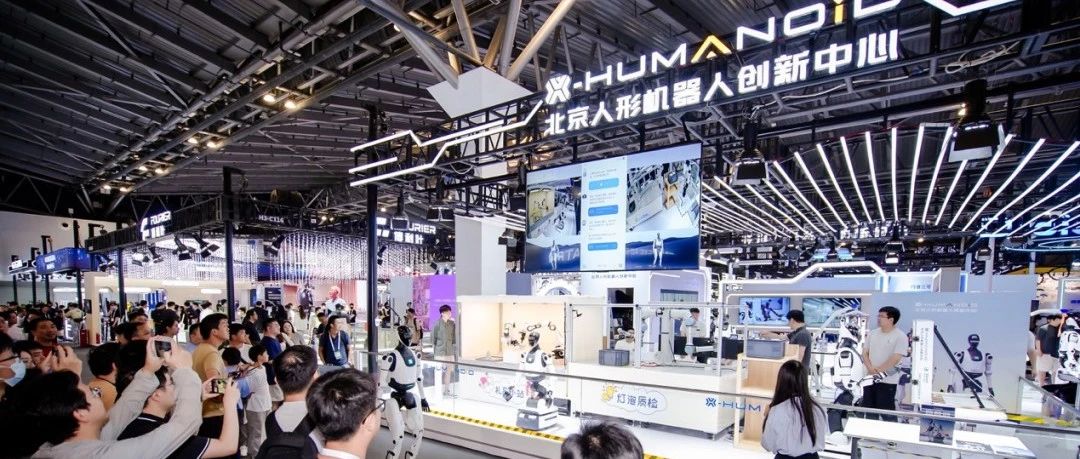
Core Viewpoint - The article highlights the advancements in embodied intelligence showcased at the World Artificial Intelligence Conference (WAIC) in Shanghai, particularly focusing on Beijing Human Shape Robot Innovation Center's demonstration of multi-body, multi-scenario, and multi-task autonomous collaborative operations, marking a significant step towards industrial application of robotics [1][22]. Group 1: Technological Advancements - Beijing Human Shape's demonstration featured the first industrial application of multi-body, multi-scenario, and multi-task autonomous collaborative operations, indicating a shift from experimental to practical applications in the field of embodied intelligence [3][22]. - The "Wisdom Open Object" platform enables cross-body compatibility and asynchronous task collaboration, showcasing a significant upgrade in distributed embodied intelligence systems [3][5]. - The "Tian Gong" robot exhibited advanced full-body motion control and dynamic capabilities, achieving a high level of coordination and control, which is crucial for complex industrial tasks [4][16]. Group 2: Practical Applications - The demonstration included a complete industrial task chain where robots autonomously communicated and executed tasks across different operational zones, showcasing the efficiency of the "Wisdom Open Object" platform [5][9]. - Robots were able to perform intricate tasks such as opening cabinets, pressing buttons, and conducting quality inspections, highlighting their adaptability in real-world scenarios [8][11]. - The system's ability to autonomously plan and execute tasks in dynamic environments was emphasized, showcasing its potential for flexible automation in industrial settings [12][13]. Group 3: Future Prospects - The advancements in embodied intelligence are expected to lead to a new era of collaborative robots that can adapt and work together, moving beyond being isolated tools to becoming intelligent partners in various industries [22]. - The ongoing development of the RoboMIND dataset and the integration of high-fidelity data collection methods are set to enhance algorithm training and standardization in the industry [18][25]. - The upcoming World Robot Conference is anticipated to further showcase the capabilities of the upgraded "Tian Gong" robot, particularly in autonomous navigation and full-body control [4][20].
特斯拉Optimus Gen3量产敲定,产业链公司“齐飞”!
Robot猎场备忘录· 2025-07-25 07:27
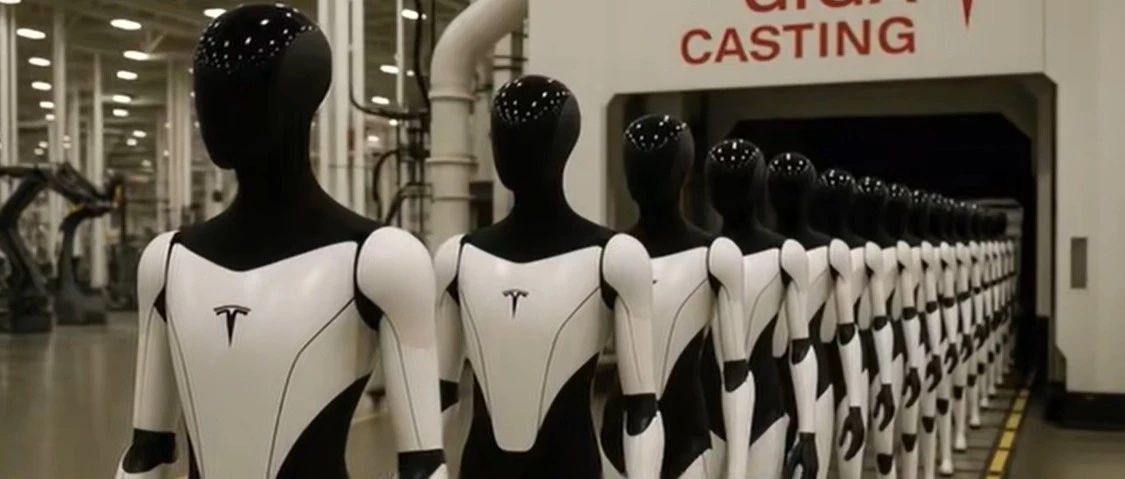
Core Viewpoint - Tesla's Optimus humanoid robot is progressing towards mass production, with the Gen3 design nearly finalized and a prototype expected in three months, aiming for an annual production of 1 million units within five years [1][2][3]. Summary by Sections Tesla's Optimus Development - Elon Musk announced that the Optimus robot is currently at version 2.5, with the Gen3 design almost complete and requiring no major changes [1]. - A prototype is anticipated in three months, with mass production set to begin early next year [1]. - The upcoming shareholder meeting on November 6 will showcase several Optimus Gen3 robots [1]. Market Reactions and Stock Performance - Following positive news about Optimus, several Tesla-related stocks have seen significant price increases [3][5]. - Reports indicate that Tesla suppliers have begun receiving new orders, including a confirmed order for over 100 Optimus robots [4]. - The robot sector has experienced a surge in stock prices, validating earlier predictions from Morgan Stanley and Goldman Sachs regarding the profitability of core supply chain companies [5]. Industry Dynamics and Supply Chain - The domestic humanoid robot market has seen a strong start in July, with significant financing news for startups and a bullish trend in the stock market [4]. - New suppliers are being introduced into the supply chain, with companies beginning to submit samples for components like motors and lightweight materials [4]. - The "智元机器人" (Zhiyuan Robotics) has made headlines by acquiring a controlling stake in 上纬新材 (Shangwei New Materials) for approximately 2.1 billion yuan, leading to a substantial increase in its market value [7]. Future Outlook - The humanoid robot sector is expected to continue its upward trajectory, particularly in China, where widespread adoption is predicted in the latter half of 2025 [9][15]. - The market is closely watching the developments in hardware breakthroughs and software innovations that could drive further growth in the humanoid robotics field [16].

美团押注!原[大疆]技术总监、「特斯拉」Optimus工程师杨硕成立具身智能机器人创企,再迎[大疆]大牛加入!
Robot猎场备忘录· 2025-07-24 15:17
Core Insights - The article discusses the establishment of Mondo Tech, a new company in the field of embodied intelligence robotics, founded by former DJI and Tesla employees, highlighting the significance of their backgrounds and the potential impact on the industry [1][3][4]. Group 1: Company Formation and Leadership - Mondo Tech was founded in January 2025 by Yang Shuo, a former technical director at DJI, and Li Haonan, a key figure in DJI's flight systems, along with Gao Jianrong, who held multiple senior roles at DJI [1][3]. - The company has set up offices in both Silicon Valley and Shenzhen, with plans for a Shanghai branch, indicating a dual focus on leveraging resources from both regions [3][10]. Group 2: Funding and Investment - Mondo Tech completed a multi-million dollar angel round of financing in April 2025, with investors including Matrix Partners, Meituan Longzhu, and Sequoia Capital, showcasing strong interest from major venture capital firms [3][4]. - The initial funding round raised between $50 million to $60 million, with subsequent funding rounds projected to reach $200 million to $300 million, reflecting high investor confidence in the company's potential [3][4]. Group 3: Market Context and Trends - The article notes a trend of major tech companies, including Google and OpenAI, investing in embodied intelligence robotics, with domestic firms like Ant Group and JD Group following suit [4][5]. - Mondo Tech's approach to developing consumer-grade robots before moving to full-sized humanoid robots is seen as a pragmatic strategy in a competitive market [13][14]. Group 4: Team Composition and Expertise - The founding team of Mondo Tech includes engineers and scientists with extensive experience from leading tech companies, indicating a strong technical foundation [10][11]. - The recruitment strategy focuses on attracting talent from top firms and universities, enhancing the company's capabilities in robotics and AI [10][11]. Group 5: Product Development Strategy - Mondo Tech plans to initially focus on smaller consumer-oriented robots, such as companion robots, before advancing to larger humanoid robots, which aligns with current market demands [13][14]. - The company aims to utilize recent advancements in software engineering and AI to create robust and intelligent robotic systems [13][14].

再获近10亿元融资,这家“小鹏系”人形机器人创企要成为第二家「宇树科技」
Robot猎场备忘录· 2025-07-23 14:10
Core Viewpoint - The article highlights the recent financing success of Shenzhen Zhongqing Robot Technology Co., Ltd. (Zhongqing Robot), which completed nearly 1 billion yuan in new funding, indicating strong investor interest in humanoid robotics and the potential for significant growth in this sector [1][4]. Financing Overview - Zhongqing Robot completed Pre-A++ and A1 rounds of financing, totaling nearly 1 billion yuan, with notable investors including Xiaopeng Motors and JD.com [1][2]. - The company has raised funds in five rounds since its establishment, with the last round occurring in April 2025, where it raised approximately 200 million yuan [2]. - The company aims to achieve a valuation of 10 billion USD by the end of 2025, although the current valuation remains undisclosed [1]. Industry Context - The investment in Zhongqing Robot marks Xiaopeng Motors' first foray into the humanoid robotics sector, alongside other major players like JD.com and CATL [4]. - The article notes a trend of major technology companies entering the humanoid robotics space through both self-research and investment strategies, with several companies making their investment debuts in 2025 [4]. Company Background - Zhongqing Robot was founded in October 2023, focusing on developing versatile humanoid robots and applications, with a team largely composed of former employees from Xiaopeng's robotics division [5][10]. - The company is recognized for its advanced capabilities in developing high-performance robotic joints and has established partnerships with leading industry players like NVIDIA and Amazon [15][13]. Product Development and Market Strategy - Zhongqing Robot plans to accelerate its development pace following the recent funding, aiming to scale up production and delivery capabilities by five times [15]. - The company is focusing on commercial applications across various sectors, including service, hazardous operations, and entertainment, to drive the adoption of humanoid robots [15]. Competitive Landscape - The article discusses the division within the humanoid robotics sector between "hardware-focused" companies like Zhongqing Robot and "software-focused" companies, highlighting the different commercialization strategies and market challenges faced by each [16][18]. - The current market dynamics suggest a competitive environment where companies must balance technological innovation with effective commercialization strategies to sustain growth [17][18].

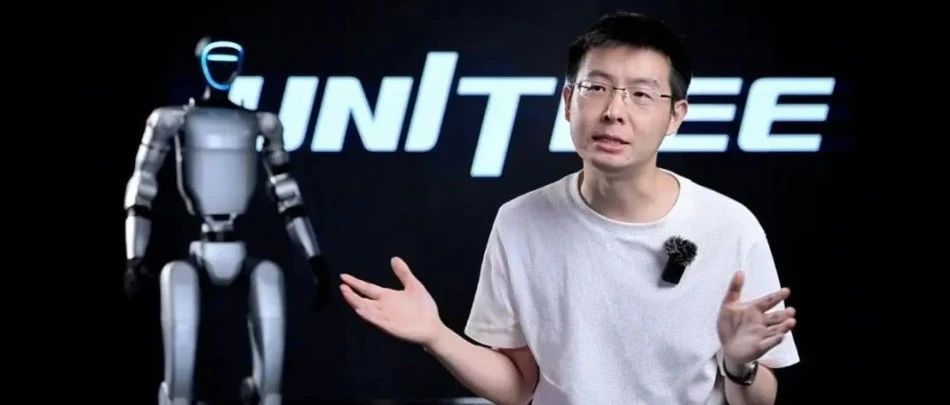
「宇树科技」启动IPO,29家产业链公司齐飞!
Robot猎场备忘录· 2025-07-22 14:18
Core Viewpoint - The article highlights significant recent developments in the humanoid robotics sector, particularly focusing on major financing rounds for several startups and the subsequent surge in the stock market related to robotics companies, especially those associated with Yushu Technology [3][4][8]. Financing Developments - On July 21, three humanoid robotics startups announced substantial financing led by JD Group, including Qianxun Intelligent with nearly 600 million CNY in Pre-A+ round, Zhongqing Robotics with approximately 1 billion CNY in Pre-A++ and A1 rounds, and Zhujidongli in A++ round [3]. - The financing news has created a buzz in the industry, indicating strong investor interest in humanoid robotics [3]. Stock Market Performance - Following the announcement of Yushu Technology's IPO preparation on July 18, the robotics sector experienced a significant rally, with many stocks hitting their daily limit up [4][6]. - Notable stocks that surged include Wolong Electric Drive and Zhongdali De, among others, which saw substantial price increases [4][6]. Industry Trends - The article notes that the humanoid robotics market is witnessing a boom, with the stock market validating previous reports from Morgan Stanley and Goldman Sachs regarding the profitability of upstream supply chain companies in the humanoid robotics wave [9]. - The article emphasizes that the current market dynamics are influenced by several catalysts, including the IPO progress of Yushu Technology and the acquisition of a listed company by Zhiyuan Robotics [13][11]. Future Outlook - While the current surge in stock prices related to Yushu Technology is notable, the article suggests that this trend may not be sustainable in the long term, as the company is not expected to go public until mid-2026 [6][16]. - The competitive landscape in the humanoid robotics sector is intensifying, with many startups vying for market share, but the article expresses caution regarding the long-term viability of many of these companies [16].