自动驾驶之心

Search documents
性能暴涨4%!CBDES MoE:MoE焕发BEV第二春,性能直接SOTA(清华&帝国理工)
自动驾驶之心· 2025-08-18 23:32
Core Viewpoint - The article discusses the CBDES MoE framework, a novel modular expert mixture architecture designed for BEV perception in autonomous driving, addressing challenges in adaptability, modeling capacity, and generalization in existing methods [2][5][48]. Group 1: Introduction and Background - The rapid development of autonomous driving technology has made 3D perception essential for building safe and reliable driving systems [5]. - Existing solutions often use fixed single backbone feature extractors, limiting adaptability to diverse driving environments [5][6]. - The MoE paradigm offers a new solution by enabling dynamic expert selection based on learned routing mechanisms, balancing computational efficiency and representational richness [6][9]. Group 2: CBDES MoE Framework - CBDES MoE integrates multiple structurally heterogeneous expert networks and employs a lightweight self-attention router (SAR) for dynamic expert path selection [3][12]. - The framework includes a multi-stage heterogeneous backbone design pool, enhancing scene adaptability and feature representation [14][17]. - The architecture allows for efficient, adaptive, and scalable 3D perception, outperforming strong single backbone baseline models in complex driving scenarios [12][14]. Group 3: Experimental Results - In experiments on the nuScenes dataset, CBDES MoE achieved a mean Average Precision (mAP) of 65.6 and a NuScenes Detection Score (NDS) of 69.8, surpassing all single expert baselines [37][39]. - The model demonstrated faster convergence and lower loss throughout training, indicating higher optimization stability and learning efficiency [39][40]. - The introduction of load balancing regularization significantly improved performance, with the mAP increasing from 63.4 to 65.6 when applied [42][46]. Group 4: Future Work and Limitations - Future research may explore patch-wise or region-aware routing for finer granularity in adaptability, as well as extending the method to multi-task scenarios [48]. - The current routing mechanism operates at the image level, which may limit its effectiveness in more complex environments [48].

IROS'25 | WHALES:支持多智能体调度的大规模协同感知数据集
自动驾驶之心· 2025-08-18 23:32
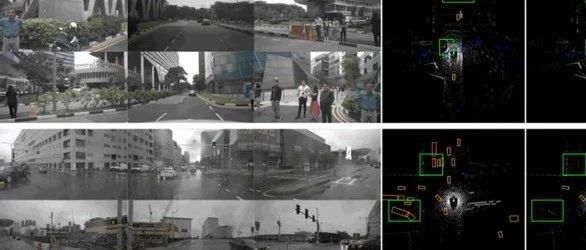
Core Viewpoint - The article discusses the WHALES dataset, which aims to enhance cooperative perception and scheduling in autonomous driving, addressing the limitations of existing single-vehicle systems in non-line-of-sight scenarios [2][3][4]. Group 1: WHALES Dataset Overview - WHALES (Wireless enHanced Autonomous vehicles with Large number of Engaged agentS) is the first large-scale dataset designed for evaluating communication perception agent scheduling and scalable cooperative perception in vehicular networks [4]. - The dataset integrates detailed communication metadata and simulates real-world communication bottlenecks, providing a rigorous standard for evaluating scheduling strategies [4]. - WHALES includes 70,000 images, 17,000 frames of LiDAR data, and over 2.01 million 3D annotations, making it a comprehensive resource for research in cooperative driving [14][29]. Group 2: Key Features and Contributions - The dataset supports V2V (Vehicle-to-Vehicle) and V2I (Vehicle-to-Infrastructure) perception, optimizing the CARLA simulator for speed and computational cost, achieving an average of 8.4 cooperative agents per driving scenario [14][29]. - WHALES introduces a novel Coverage-Aware Historical Scheduler (CAHS) algorithm, which prioritizes agents based on historical coverage, outperforming existing methods in perception performance [4][19]. - The dataset allows for the evaluation of various scheduling algorithms, including Full Communication, Closest Agent, and the proposed CAHS, enhancing the understanding of cooperative perception tasks [19][27]. Group 3: Experimental Results - Experiments conducted on the WHALES dataset demonstrated that cooperative models significantly outperform standalone models in 3D object detection, with F-Cooper improving mAP by 19.5% and 38.4% at 50m and 100m detection ranges, respectively [25]. - The CAHS algorithm showed superior performance in both single-agent and multi-agent scheduling scenarios, indicating its effectiveness in enhancing cooperative driving safety [27][28]. - The dataset's design allows for a linear increase in time cost with the addition of agents, making it feasible for large-scale simulations [14][29].
最新Agent框架,读这一篇就够了
自动驾驶之心· 2025-08-18 23:32
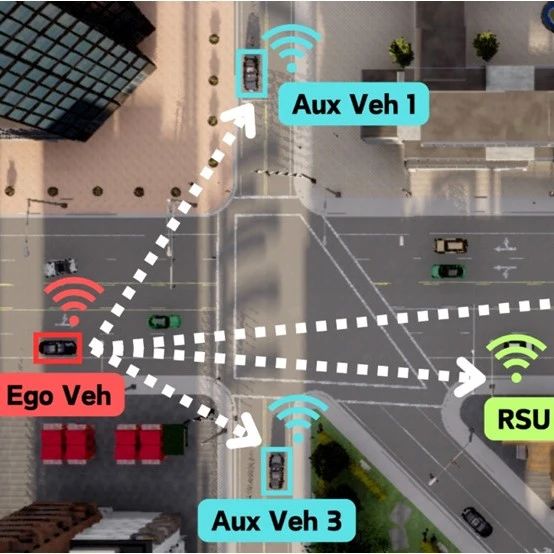
Core Viewpoint - The article discusses various mainstream AI Agent frameworks, highlighting their unique features and suitable application scenarios, emphasizing the growing importance of AI in automating complex tasks and enhancing collaboration among agents [1]. Group 1: Mainstream AI Agent Frameworks - Current mainstream AI Agent frameworks are diverse, each focusing on different aspects and applicable to various scenarios [1]. - The frameworks discussed include LangGraph, AutoGen, CrewAI, Smolagents, and RagFlow, each with distinct characteristics and use cases [1][2]. Group 2: CrewAI - CrewAI is an open-source multi-agent coordination framework that allows autonomous AI agents to collaborate as a cohesive team to complete tasks [3]. - Key features of CrewAI include: - Independent architecture, fully self-developed without reliance on existing frameworks [4]. - High-performance design focusing on speed and resource efficiency [4]. - Deep customizability, supporting both macro workflows and micro behaviors [4]. - Applicability across various scenarios, from simple tasks to complex enterprise automation needs [4][7]. Group 3: LangGraph - LangGraph, created by LangChain, is an open-source AI agent framework designed for building, deploying, and managing complex generative AI agent workflows [26]. - It utilizes a graph-based architecture to model and manage the complex relationships between components in AI workflows [28]. Group 4: AutoGen - AutoGen is an open-source framework from Microsoft for building agents that collaborate through dialogue to complete tasks [44]. - It simplifies AI development and research, supporting various large language models (LLMs) and advanced multi-agent design patterns [46]. - Core features include: - Support for agent-to-agent dialogue and human-machine collaboration [49]. - A unified interface for standardizing interactions [49][50]. Group 5: Smolagents - Smolagents is an open-source Python library from Hugging Face aimed at simplifying the development and execution of agents with minimal code [67]. - It supports various functionalities, including code execution and tool invocation, while being model-agnostic and easily extensible [70]. Group 6: RagFlow - RagFlow is an end-to-end RAG solution focused on deep document understanding, addressing challenges in data processing and answer generation [75]. - It supports various document formats and intelligently identifies document structures to ensure high-quality data input [77][78]. Group 7: Summary of Frameworks - Each AI Agent framework has unique characteristics and suitable application scenarios: - CrewAI is ideal for multi-agent collaboration and complex task automation [80]. - LangGraph is suited for state-driven multi-step task orchestration [81]. - AutoGen is designed for dynamic dialogue processes and research tasks [86]. - Smolagents is best for lightweight development and rapid prototyping [86]. - RagFlow excels in document parsing and multi-modal data processing [86].

从顶会和量产方案来看,轨迹预测还有很多内容值得做......
自动驾驶之心· 2025-08-18 12:00
Core Viewpoint - The article emphasizes the ongoing relevance and importance of trajectory prediction in autonomous driving, despite the rise of VLA (Vehicle Localization and Awareness) technologies. It highlights that trajectory prediction remains a critical module for ensuring safety and efficiency in driving systems [1][2]. Group 1: Trajectory Prediction Importance - Trajectory prediction is essential for autonomous driving systems as it helps in identifying potential hazards and planning optimal driving routes, thereby enhancing safety and efficiency [1]. - The quality of trajectory prediction directly impacts the planning and control of autonomous vehicles, making it a fundamental component of intelligent driving systems [1]. Group 2: Research and Development in Trajectory Prediction - Academic research in trajectory prediction is thriving, with significant focus on joint prediction, multi-agent prediction, and diffusion-based approaches, which are gaining traction in major conferences [1]. - The introduction of diffusion models has shown promise in improving multi-modal modeling capabilities for trajectory prediction, addressing the challenges posed by human behavior's uncertainty and multi-modality [2][3]. Group 3: Course Offering and Objectives - A new course on trajectory prediction using diffusion models is being offered, aimed at teaching research methods and paper publication strategies, particularly for multi-agent trajectory prediction [2][9]. - The course will cover various aspects, including classic and cutting-edge papers, baseline models, datasets, and writing methodologies, to help students develop a comprehensive understanding of the field [7][9]. Group 4: Course Structure and Content - The course spans 12 weeks of online group research followed by 2 weeks of paper guidance, with a focus on empirical validation using public datasets like ETH, UCY, and SDD [12][24]. - Key topics include the introduction of diffusion models, traditional trajectory prediction methods, and advanced techniques for integrating social interaction modeling and conditional control mechanisms [28][29].
整数智能海量岗位开放!自动驾驶/大模型/产品经理等近30个方向,薪资Open
自动驾驶之心· 2025-08-18 01:32
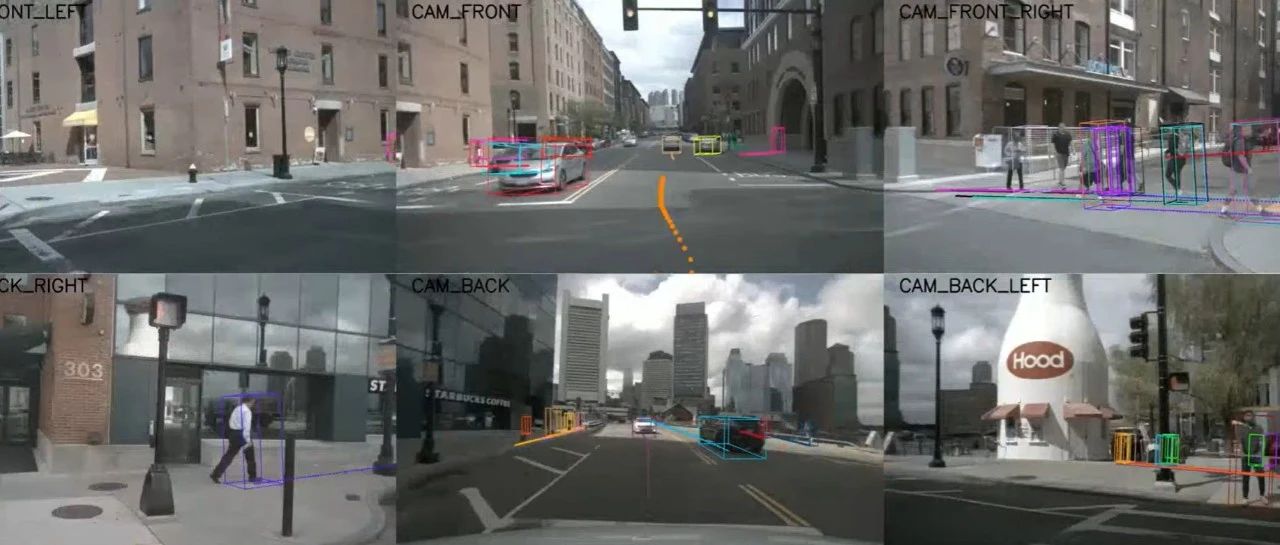
Core Viewpoint - The company aims to become a data partner in the AI industry, providing expert-level data annotation engineering platforms and dataset solutions, catering to various application scenarios such as intelligent driving, AIGC, smart healthcare, and more [2]. Company Overview - Integers Intelligent, originating from Zhejiang University, focuses on becoming a data partner in the AI industry, offering specialized AI data solutions [2]. - The company has collaborated with over 2,000 top tech companies and research institutions globally [2]. Job Opportunities - The company is hiring for various positions, including algorithm engineers, product managers, UI/UX designers, and data engineers, with competitive salary ranges [4][10][21][60]. - Positions require expertise in areas such as deep learning, AI algorithms, product design, and data engineering, with specific qualifications and experience levels outlined [5][11][12][15][61]. Industry Recognition - Integers Intelligent has received multiple honors and qualifications, including being recognized as a national high-tech enterprise and a provincial specialized and innovative enterprise [150]. - The company has been featured in various media outlets and has received attention from government officials, highlighting its significance in the AI data annotation field [153]. Technological Leadership - Integers Intelligent is recognized for its technological advancements, including the development of the first domestically patented 4D annotation tool and participation in the creation of open-source datasets [153]. - The company is involved in the AI industry development alliance and has contributed to the writing of standards and white papers in the field [153]. Future Vision - The company is committed to building an open, efficient, and prosperous AI data ecosystem, believing that data is a crucial driver for the future development of AI [153]. - Integers Intelligent has initiated the 2077AI plan to support the construction of milestone open datasets, aiming to promote the standardization and development of the AI data industry [153].

自动驾驶VLA:OpenDriveVLA、AutoVLA
自动驾驶之心· 2025-08-18 01:32
Core Insights - The article discusses two significant papers, OpenDriveVLA and AutoVLA, which focus on applying large visual-language models (VLM) to end-to-end autonomous driving, highlighting their distinct technical paths and philosophies [22]. Group 1: OpenDriveVLA - OpenDriveVLA aims to address the "modal gap" in traditional VLMs when dealing with dynamic 3D driving environments, emphasizing the need for structured understanding of the 3D world [23]. - The methodology includes several key steps: 3D visual environment perception, visual-language hierarchical alignment, and a multi-stage training paradigm [24][25]. - The model utilizes structured, layered tokens (Agent, Map, Scene) to enhance the VLM's understanding of the environment, which helps mitigate spatial hallucination risks [6][9]. - OpenDriveVLA achieved state-of-the-art performance in the nuScenes open-loop planning benchmark, demonstrating its effective perception-based anchoring strategy [10][20]. Group 2: AutoVLA - AutoVLA focuses on integrating driving tasks into the native operation of VLMs, transforming them from scene narrators to genuine decision-makers [26]. - The methodology features layered visual token extraction, where the model creates discrete action codes instead of continuous coordinates, thus converting trajectory planning into a next-token prediction task [14][29]. - The model employs a dual-mode thinking approach, allowing it to adapt its reasoning depth based on scene complexity, balancing efficiency and effectiveness [28]. - AutoVLA's reinforcement learning fine-tuning (RFT) enhances its driving strategy, enabling the model to optimize its behavior actively rather than merely imitating human driving [30][35]. Group 3: Comparative Analysis - OpenDriveVLA emphasizes perception-language alignment to improve VLM's understanding of the 3D world, while AutoVLA focuses on language-decision integration to enhance VLM's decision-making capabilities [32]. - The two models represent complementary approaches: OpenDriveVLA provides a robust perception foundation, while AutoVLA optimizes decision-making strategies through reinforcement learning [34]. - Future models may combine the strengths of both approaches, utilizing OpenDriveVLA's structured perception and AutoVLA's action tokenization and reinforcement learning to create a powerful autonomous driving system [36].

成本降低14倍!DiffCP:基于扩散模型的协同感知压缩新范式~
自动驾驶之心· 2025-08-18 01:32
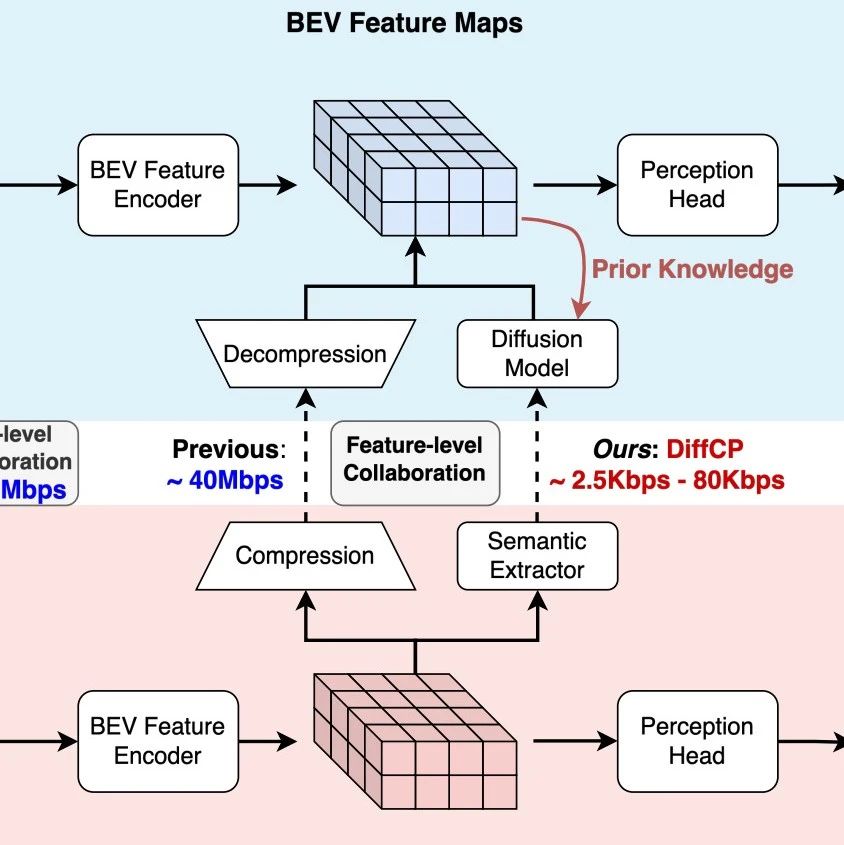
Core Viewpoint - The article introduces DiffCP, a novel collaborative perception framework that utilizes conditional diffusion models to significantly reduce communication costs while maintaining high performance in collaborative sensing tasks [3][4][20]. Group 1: Introduction to Collaborative Perception - Collaborative perception (CP) is emerging as a promising solution to address the inherent limitations of independent intelligent systems, particularly in challenging wireless communication environments [3]. - Current C-V2X systems face significant bandwidth limitations, making it difficult to support feature-level and raw data-level collaborative algorithms [3]. Group 2: DiffCP Framework - DiffCP is the first collaborative perception architecture that employs conditional diffusion models to capture geometric correlations and semantic differences for efficient data transmission [4]. - The framework integrates prior knowledge, geometric relationships, and received semantic features to reconstruct collaborative perception information, introducing a new paradigm based on generative models [4][5]. Group 3: Performance and Efficiency - Experimental results indicate that DiffCP achieves robust perception performance in ultra-low bandwidth scenarios, reducing communication costs by 14.5 times while maintaining state-of-the-art algorithm performance [4][20]. - DiffCP can be integrated into existing BEV-based collaborative algorithms for various downstream tasks, significantly lowering bandwidth requirements [4]. Group 4: Technical Implementation - The framework utilizes a pre-trained BEV-based perception algorithm to extract BEV features, embedding diffusion time steps, relative spatial positions, and semantic vectors as conditions [5]. - An iterative denoising process is employed, where the model integrates observations from the host vehicle with collaborative features to progressively recover original collaborative perception features [8]. Group 5: Application in 3D Object Detection - DiffCP was evaluated in a case study on 3D object detection, demonstrating its ability to achieve similar accuracy levels as state-of-the-art algorithms while reducing data rates by 14.5 times [20]. - The framework allows for adaptive data rates through variable semantic vector lengths, enhancing performance in challenging scenarios [20]. Group 6: Conclusion - DiffCP represents a significant advancement in collaborative perception, enabling efficient information compression and reconstruction for collaborative sensing tasks, thus facilitating the deployment of connected intelligent transportation systems in existing wireless communication frameworks [22].
通用障碍物的锅又丢给了4D标注。。。
自动驾驶之心· 2025-08-18 01:32
Core Viewpoint - The article discusses the challenges and methodologies in automating the labeling of occupancy data for autonomous driving, emphasizing the importance of the Occupancy Network (OCC) in enhancing model generalization and safety in various driving conditions [2][10]. Group 1: OCC and Its Importance - The Occupancy Network (OCC) is crucial for modeling irregular obstacles such as fallen trees and other non-standard objects, as well as background elements like road surfaces [5][19]. - Since Tesla's announcement of OCC in 2022, it has become a standard feature in visual autonomous driving solutions, leading to a high demand for training data labeling [2][19]. Group 2: Challenges in Automated Labeling - The automation of labeling in the 4D data loop faces several challenges, including high spatial-temporal consistency requirements, complex multi-modal data fusion, and the difficulty of generalizing in dynamic scenes [11][12]. - The need for high precision in 4D automatic labeling often leads to a conflict between labeling efficiency and cost, as manual verification is still required despite the volume of data [11][12]. Group 3: Training Data Generation and Quality Control - The common process for generating training data truth values involves three main methods: 2D-3D object detection consistency, comparison with edge models, and manual intervention for quality control [9][10]. - High-quality automated labeling data can be used for training both vehicle models and cloud-based large models, facilitating continuous optimization [10][12]. Group 4: Course Offerings and Learning Opportunities - The article promotes a course on 4D automatic labeling, which covers the entire process and core algorithms, aiming to address entry-level challenges and optimize advanced learning [10][12]. - The course includes practical exercises and real-world algorithm applications, focusing on dynamic obstacle detection, SLAM reconstruction, and the overall data loop [12][13][20]. Group 5: Instructor and Target Audience - The course is led by an industry expert with extensive experience in data loop algorithms for autonomous driving, having participated in multiple production delivery projects [24]. - The target audience includes researchers, students, and professionals looking to transition into the field of data loops, requiring a foundational understanding of deep learning and autonomous driving perception algorithms [26][31].
在复杂真实场景中评估 π0 这类通用 policy 的性能和边界
自动驾驶之心· 2025-08-17 03:23
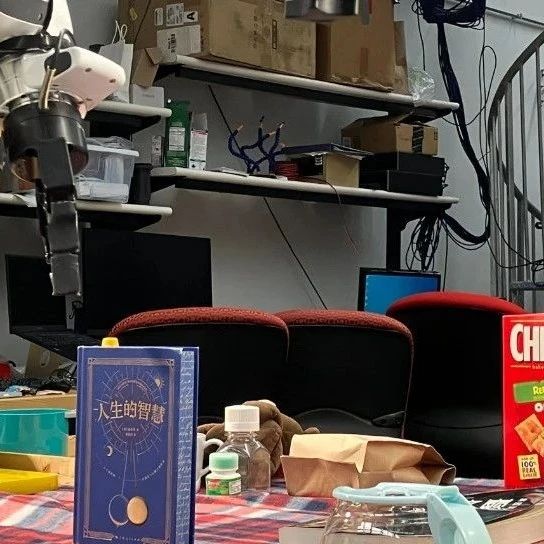
Core Viewpoint - The article discusses the evaluation of the PI0-FAST-DROID model in real-world scenarios, highlighting its potential and limitations in robotic operations, particularly in handling new objects and tasks without extensive prior training [4][10][77]. Evaluation Method - The evaluation utilized the π₀-FAST-DROID model, specifically fine-tuned for the DROID robot platform, which includes a Franka Panda robot equipped with cameras [5][10]. - The assessment involved over 300 trials across various tasks, focusing on the model's ability to perform in diverse environments, particularly in a kitchen setting [10][11]. Findings - The model demonstrated a strong prior assumption of reasonable behavior, often producing intelligent actions, but these were not always sufficient to complete tasks [11]. - Prompt engineering was crucial, as variations in task descriptions significantly affected success rates, indicating the need for clear and structured prompts [12][59]. - The model exhibited impressive visual-language understanding and could mimic continuous actions across different scenarios [13][28]. Performance in Complex Scenarios - The model showed robust performance in recognizing and manipulating transparent objects, which is a significant challenge for traditional methods [20][27]. - It maintained focus on tasks despite human movement in the background, suggesting effective prioritization of relevant visual inputs [25]. Limitations - The model faced challenges with semantic ambiguity and often froze during tasks, particularly when it encountered unfamiliar commands or objects [39][42]. - It lacked memory, which hindered its ability to perform multi-step tasks effectively, leading to premature task completion or freezing [43][32]. - The model struggled with precise spatial reasoning, particularly in estimating distances and heights, which resulted in failures during object manipulation tasks [48][50]. Task-Specific Performance - The model's performance varied across different task categories, with notable success in simple tasks but significant challenges in complex operations like pouring liquids and interacting with household appliances [89][91][100]. - For instance, it achieved a 73.3% progress rate in pouring toy items but only 20% when dealing with real liquids, indicating limitations in physical capabilities [90]. Conclusion - The evaluation indicates that while the PI0 model shows promise as a generalist policy in robotic applications, it still requires significant improvements in instruction adherence, fine manipulation, and handling partial observability [77][88].
最近被公司通知不续签了。。。
自动驾驶之心· 2025-08-17 03:23
Core Insights - The smart driving industry is currently in a critical phase of competing on technology and cost, with many companies struggling to survive in 2024, although the overall environment has improved slightly this year [2][6] - Traditional planning and control (规控) has matured over the past decade, and professionals in this field need to continuously update their technical skills to remain competitive [7][8] Group 1: Industry Trends - The smart driving sector has faced significant challenges, with many companies unable to endure the tough conditions last year, but some, like Xiaopeng, have found a way to thrive [6] - The price war in the industry has been curtailed by government intervention, yet competition remains fierce [6] Group 2: Career Guidance - For professionals in traditional planning and control, it is advisable to continue in their current roles while also learning new technologies, particularly in emerging areas like end-to-end models and large models [7][8] - There is a growing trend of professionals transitioning from traditional planning and control to end-to-end and large model applications, with many finding success in these new areas [8] Group 3: Community and Resources - The "Automated Driving Heart Knowledge Planet" community offers a platform for technical exchange, featuring members from renowned universities and leading companies in the smart driving field [21] - The community provides access to a wealth of resources, including over 40 technical routes, open-source projects, and job opportunities in the automated driving sector [19][21]