
PSBC(01658)

Search documents
邮储银行上海分行破解融资难题 全方位支持科技企业
Zheng Quan Ri Bao Zhi Sheng· 2025-10-19 15:14
Core Viewpoint - Shanghai is advancing its role as a global technology innovation center, which is crucial for supporting national strategies and enhancing high-end industry leadership [1] Group 1: Financial Support for Technology Enterprises - Postal Savings Bank of China (PSBC) Shanghai Branch is deeply engaged in technology finance, providing comprehensive financial support throughout the lifecycle of technology enterprises [2] - The bank customizes financing solutions for technology companies, exemplified by its support for Shanghai Guanjia Electronics Co., which achieved significant growth and international market penetration with the bank's assistance [2] - The company secured a $10 million order from a French firm at the 2024 China International Import Expo, highlighting the international competitiveness of Chinese manufacturing [2] Group 2: Innovative Evaluation Systems - PSBC Shanghai Branch has introduced a "Technology Flow" evaluation system to address the financing challenges faced by technology enterprises, enabling better assessment of their value and potential [3] - This system has successfully facilitated the provision of a 34 million yuan loan to Datang Energy Technology Co., showcasing its effectiveness in meeting the financial needs of rapidly growing technology firms [3] - The bank aims to foster a virtuous cycle of "technology, industry, and finance" by focusing on financial innovation and supporting Shanghai's unique technology innovation industries [3]

小木耳“串起”邮储银行千里金融服务线
Zheng Quan Ri Bao Zhi Sheng· 2025-10-19 15:14
Core Insights - The article highlights the significant role of Postal Savings Bank in supporting the development of the black fungus industry in various regions of China, particularly in promoting rural revitalization through financial services [1][4]. Group 1: Industry Development - The black fungus industry in Zhashui County, Shaanxi, has transformed from a small-scale operation to a significant industry, with the local cooperative growing from 5 to over 30 members, supported by Postal Savings Bank's financial services [1][2]. - In Dongning, Heilongjiang, the black fungus production accounts for nearly 25% of the national output, with an annual market transaction volume exceeding 60 billion yuan, making it a crucial pillar of the local economy [3][4]. Group 2: Financial Services - Postal Savings Bank has introduced innovative financial products like "Mushroom Loan" to support the local black fungus industry, providing over 98 million yuan in loans to more than 600 farmers and enterprises since 2024 [2][4]. - The bank's comprehensive financial services include credit, settlement, logistics, and e-commerce, which have significantly enhanced the operational capabilities of local enterprises, such as increasing sales from 1 million to over 1.6 million bags for a leading company [2][3]. Group 3: Future Outlook - Postal Savings Bank plans to continue its focused financial support for the black fungus industry, aiming to foster more prosperous rural economies and improve the livelihoods of farmers through targeted financial solutions [4].
邮储银行赣州市分行以金融为纽带 串联起赣南特色产业的“丰收链”
Zheng Quan Ri Bao Zhi Sheng· 2025-10-19 15:14
Core Insights - Postal Savings Bank of China (PSBC) is actively promoting inclusive finance and supporting rural industry development in Ganzhou, Jiangxi Province, through innovative products and services [1][2][5] Group 1: Financial Support Initiatives - PSBC's Ganzhou branch has implemented targeted financial initiatives such as "Strong Towns and Rich Villages" and "Lighting Action" to inject financial resources into local specialty industries [1][3] - The bank has provided significant financial support, including a 1 million yuan "industry loan" to a peanut processing factory, enabling the owner to expand operations and achieve projected sales of over 3 million yuan [1][2] - The bank's branches have collectively issued over 3.27 billion yuan in personal operating loans to more than 600 agricultural operators and farmers this year [2][5] Group 2: Case Studies of Agricultural Support - In Anyuan County, PSBC provided a 300,000 yuan "industry loan" to a kiwi fruit plantation, allowing the business to stabilize and achieve an expected annual yield of 500 tons [2][3] - In Xunwu County, the bank issued 1.5 million yuan in credit to support the cultivation of sweet persimmons, which are projected to yield around 40,000 pounds, marking a 20-30% increase from the previous year [4] - The bank has facilitated the growth of various local fruit industries, contributing over 2 billion yuan in loans to benefit more than 700 agricultural operators [4][5] Group 3: Overall Impact - PSBC has issued over 100 billion yuan in small loans, benefiting more than 530,000 clients, effectively linking the agricultural production chain in southern Jiangxi [5]
全国首笔!邮储银行扬州分行落地数币智能合约期初付息保理业务
Sou Hu Cai Jing· 2025-10-18 02:56
Core Insights - The article highlights the successful implementation of China's first domestic factoring supply chain finance business utilizing digital RMB smart contracts, marking a significant innovation in financial services for small and medium-sized enterprises in the industrial chain [1] Group 1: Business Implementation - The business was launched under the guidance of the Yangzhou municipal government, the People's Bank of China Yangzhou branch, and the Postal Savings Bank of China [1] - The operation leverages the Postal Savings Bank's "U Chain" supply chain finance platform, integrating the programmability of digital RMB with smart contract technology [1] Group 2: Process Overview - The core enterprise, Jiangsu ** Construction Engineering Co., Ltd., confirmed accounts payable to the supplier, Yizheng City ** Building Materials Trading Co., Ltd., which initiated a financing request online [1] - The smart contract automatically generated contract certificate information based on the borrowing agreement, enabling a fully online and automated financing process [1] Group 3: Future Plans - The Postal Savings Bank's Yangzhou branch plans to deepen its digital transformation and replicate this model across more industrial scenarios [1] - The bank aims to fully utilize digital RMB smart contracts to enhance the quality and efficiency of the supply chain finance ecosystem [1]
数智驱动+因地制宜 啃下绿色发展“难啃的骨头”
Zhong Guo Jing Ying Bao· 2025-10-17 19:13
Core Viewpoint - The article discusses the evolution and implementation of green finance in China, highlighting the role of Postal Savings Bank in supporting green development and achieving carbon neutrality goals through innovative financial products and risk management strategies [3][4][5]. Group 1: Green Finance Development - The concept of "Green Mountains and Clear Water are Gold and Silver Mountains" has influenced China's financial industry, shifting the focus from merely increasing green finance to addressing complex challenges such as carbon reduction and preventing greenwashing [3][4]. - Postal Savings Bank, with nearly 40,000 outlets, serves as a model for balancing inclusive finance and commercial viability in green finance [3][4]. Group 2: Financial Tools and Innovations - The bank has developed a comprehensive transformation finance service system to support low-carbon transitions across various industries, emphasizing institutional development, product innovation, and regional practices [4][5]. - Innovative financial products include the first "sustainable development-linked + energy supply" debt financing plan and a "carbon reduction support tool + sustainable development link + digital RMB" loan model [5][6]. Group 3: Risk Management in Green Finance - Postal Savings Bank has established a unified ESG risk management system to ensure the integrity and asset quality of its green finance operations, implementing a full-process risk control mechanism [6][7]. - The bank focuses on data governance, process control, and personnel training to mitigate risks associated with greenwashing [6][7]. Group 4: Technological Integration - The integration of financial technology, such as big data and artificial intelligence, is crucial for enhancing the efficiency of green finance services and risk management [7][8]. - The bank has developed a comprehensive environmental information database and an intelligent recognition engine for green projects, significantly improving the accuracy and efficiency of green asset identification [7][8]. Group 5: County-Level Green Finance Initiatives - Postal Savings Bank is actively addressing the unique green finance needs of county-level regions by innovating products and services tailored to local characteristics [9][10]. - Examples include a 150 million yuan financing model for water environment governance and a comprehensive green circular economy system for agricultural industries [9][10]. Group 6: Balancing Inclusivity and Sustainability - The bank aims to balance the inclusivity of county-level green projects with commercial sustainability by refining credit policies and enhancing ESG risk management [11][12]. - Strategies include precise credit resource allocation, strengthening risk monitoring, and utilizing structural monetary policy tools to lower financing costs for green projects [11][12].


邮储银行成都市分行:金融“活水”助力三联家禽振翅高飞
Zhong Guo Jing Ji Wang· 2025-10-17 13:57
Core Insights - The article highlights the significant role of financial support in enhancing the agricultural supply chain, particularly through the case of Sichuan Sanlian Poultry Logistics Center, which received a 14 million yuan credit loan from Postal Savings Bank to alleviate liquidity pressure and support rural revitalization [1][2][4]. Financial Support and Impact - Sichuan Sanlian Poultry, a leading player in the poultry industry in Southwest China, has benefited from a 14 million yuan credit loan, which not only eases its cash flow issues but also positively impacts thousands of farmers in the supply chain [1][2]. - The loan is part of the "Huinong Loan" initiative launched by Postal Savings Bank, aimed at supporting agricultural enterprises, with a focus on quick response to the needs of leading agricultural companies [2][6]. Operational Efficiency - The loan approval process was notably efficient, taking only two weeks, demonstrating the bank's commitment to providing timely financial assistance [3][4]. - The financial support allows Sanlian Poultry to engage in bulk purchasing, reducing procurement costs by 10% to 15%, and ensuring timely payments to farmers [3][4]. Broader Economic Effects - The financial assistance creates a ripple effect, potentially generating over 50 million yuan in funds for the upstream and downstream sectors, benefiting nearly a thousand small and medium-sized enterprises [4][6]. - The model of supporting leading enterprises to activate the supply chain has established a virtuous cycle, enhancing the overall economic landscape for local farmers [4][7]. Community Engagement and Support - Sanlian Poultry's approach includes not only financial support but also direct assistance to farmers, such as providing quality chicks and training, ensuring sustainable income for farmers [6][7]. - The bank's strategy includes a comprehensive service model that addresses the financing challenges faced by agricultural enterprises, promoting a collaborative approach to rural development [6][7].
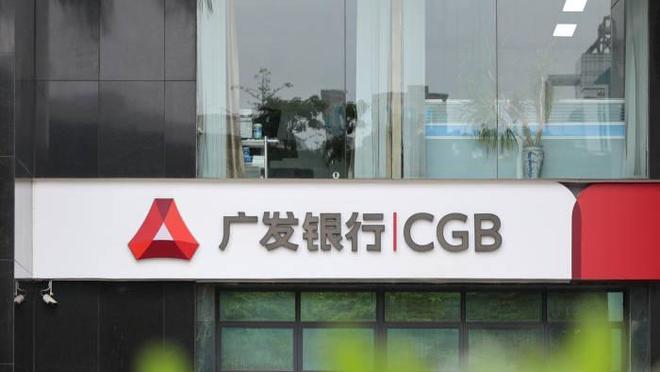
广发银行东莞分行深耕科创沃土,赋能东莞制造业当家
2 1 Shi Ji Jing Ji Bao Dao· 2025-10-17 13:25
Core Viewpoint - Dongguan is actively pursuing a new journey of "technological innovation + advanced manufacturing," with Guangfa Bank's Dongguan branch providing comprehensive financial support to local enterprises for high-quality economic development [2][5]. Group 1: Financial Support for Enterprises - Guangfa Bank's Dongguan branch has developed a systematic and full-cycle "Guangfa Sci-Tech Financial Service Model" to support the growth of sci-tech enterprises [2]. - A national high-tech enterprise in Dongguan is planning to invest over 500 million yuan in its "smart manufacturing base" project, which is crucial for its strategic transformation [2]. - Guangfa Bank has significantly increased its credit support for this enterprise from 30 million yuan to 140 million yuan, addressing urgent funding needs and reducing financing costs [2]. Group 2: Tailored Financial Solutions - The bank has provided over 100 million yuan in loans to the enterprise, enabling it to focus on technology research and market expansion [2]. - In the Songshan Lake High-tech Zone, the bank extended its services to a newly established subsidiary of a core supplier for major global brands, overcoming traditional collateral limitations by offering 200 million yuan in pure credit [3]. - A loan of 100 million yuan was successfully issued to meet the subsidiary's raw material procurement needs for peak season orders [3]. Group 3: Service Model Evolution - Guangfa Bank has transitioned from single-client support to empowering entire industrial chains, evolving from providing working capital to offering comprehensive financial accompaniment for strategic transformations [4]. - The bank aims to continue enhancing its sci-tech financial service system and systematically promote successful experiences derived from serving "technological innovation + advanced manufacturing" [5].
邮储银行拟10月30日举行董事会会议以审批三季度业绩
Ge Long Hui· 2025-10-17 09:08
Core Viewpoint - Postal Savings Bank of China (01658.HK) announced that its board meeting will be held on October 30, 2025, to review and approve the company's third-quarter results for the nine months ending September 30, 2025 [1] Summary by Category - **Company Announcement** - The board meeting is scheduled for October 30, 2025 [1] - The meeting will focus on reviewing and approving the third-quarter performance for the period ending September 30, 2025 [1]
邮储银行(01658.HK)拟10月30日举行董事会会议以审批三季度业绩
Ge Long Hui· 2025-10-17 08:48
Core Viewpoint - Postal Savings Bank of China (01658.HK) announced that its board meeting will be held on October 30, 2025, to review and approve the company's third-quarter results for the nine months ending September 30, 2025 [1] Summary by Category - **Company Announcement** - The board meeting is scheduled for October 30, 2025 [1] - The meeting will focus on reviewing and approving the third-quarter performance for the period ending September 30, 2025 [1]
邮储银行(01658) - 董事会会议通告
2025-10-17 08:40
香港交易及結算所有限公司及香港聯合交易所有限公司對本公告的內容概不負責,對其準確性 或完整性亦不發表任何聲明,並明確表示,概不對因本公告全部或任何部份內容而產生或因倚 賴該等內容而引致的任何損失承擔任何責任。 POSTAL SAVINGS BANK OF CHINA CO., LTD. 承董事會命 中國郵政儲蓄銀行股份有限公司 杜春野 聯席公司秘書 中國,北京 2025年10月17日 於本公告日期,本行董事會包括董事長及非執行董事鄭國雨先生;執行董事劉建軍先生及 姚紅女士;非執行董事韓文博先生、劉新安先生、張宣波先生、劉瑞鋼先生、胡宇霆先 生、丁向明先生及余明雄先生;獨立非執行董事溫鐵軍先生、鍾瑞明先生、潘英麗女士、 唐志宏先生、洪小源先生及楊勇先生。 * 中國郵政儲蓄銀行股份有限公司並非一家根據銀行業條例(香港法例第155章)之認可 機構,並不受限於香港金融管理局的監督,亦不獲授權在香港經營銀行及╱或接受存 款業務。 1658 董事會會議通告 中國郵政儲蓄銀行股份有限公司(「本行」)董事會(「董事會」)謹此宣佈,董事 會會議將於2025年10月30日(星期四)舉行,藉以(其中包括)審議及批准本行 及其附屬公 ...