AbbVie(ABBV)

Search documents
69 May Aristocrats: Buy 1 Of 38 "Safer" Dividend Dogs
Seeking Alpha· 2025-05-20 19:55
Group 1 - S&P added three companies to the Dividend Aristocrats in January 2025: Erie Indemnity, Eversource Energy, and FactSet Research Systems [1] - The inclusion of these companies highlights their consistent dividend payments and growth, which is a key characteristic of Dividend Aristocrats [1] Group 2 - The Dividend Dogcatcher platform offers insights and follow-up portfolios related to the Dividend Aristocrats [1] - The platform encourages engagement through social media, allowing users to comment on stock tickers for potential inclusion in reports [2]



Shareholders that lost money on Cerevel Therapeutics Holdings, Inc.(ABBV) should contact Levi & Korsinsky about pending Class Action - ABBV
Prnewswire· 2025-05-20 09:45
Core Viewpoint - A class action securities lawsuit has been filed against Cerevel Therapeutics Holdings, Inc. due to alleged securities fraud affecting investors during a specific time frame [1][2]. Group 1: Lawsuit Details - The lawsuit aims to recover losses for investors who sold or held shares of Cerevel from October 11, 2023, to August 1, 2024, and were affected by the alleged fraud [2]. - The complaint alleges that Cerevel's October 16, 2023, secondary stock offering omitted critical information regarding AbbVie's interest in acquiring Cerevel at a significantly higher price than the offering price of $22.81 per share [3]. - Bain Capital, Cerevel's controlling shareholder, allegedly acquired shares at a depressed price while possessing nonpublic information about AbbVie's acquisition interest, leading to a windfall of over $120 million when AbbVie announced the acquisition at $45 per share on December 6, 2023 [3]. Group 2: Next Steps for Investors - Investors who suffered losses during the relevant period have until June 3, 2025, to request to be appointed as lead plaintiff, although participation in any recovery does not require this [4]. - Class members may be entitled to compensation without incurring any out-of-pocket costs or fees [4]. Group 3: Firm Background - Levi & Korsinsky, LLP has a strong track record in securities litigation, having secured hundreds of millions for shareholders over the past 20 years and consistently ranking among the top securities litigation firms in the U.S. [5].

美国生物医药“三座大山”压顶:关税、药价、专利悬崖
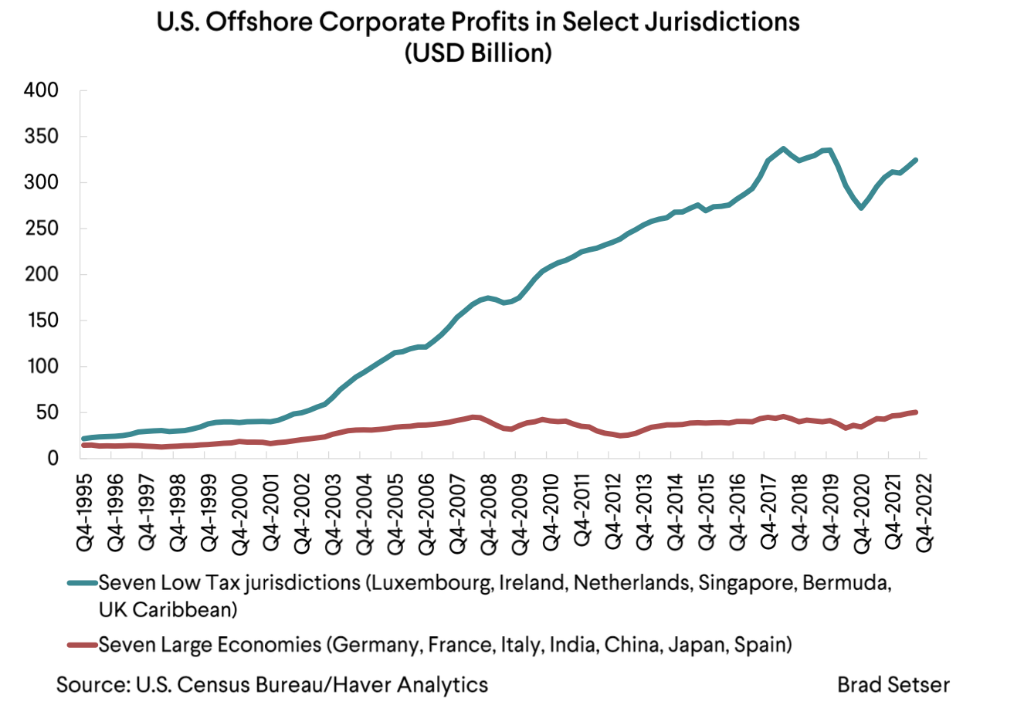
Hua Er Jie Jian Wen· 2025-05-20 08:22
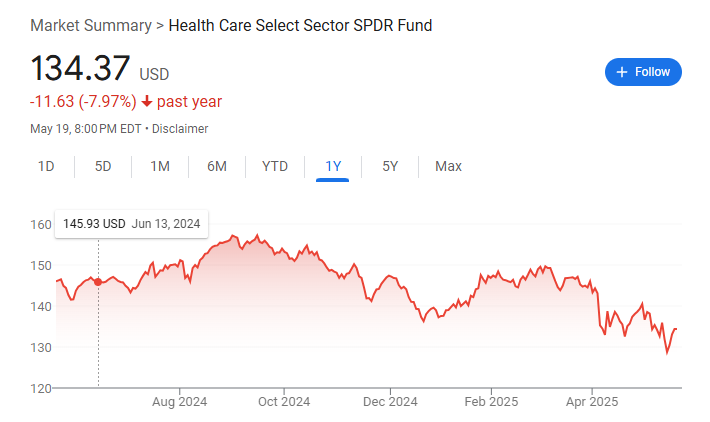
Core Viewpoint - The U.S. large biopharmaceutical sector is currently facing significant challenges, leading to a notable underperformance compared to the S&P 500 index, with a gap of approximately 15 percentage points since a key tariff announcement on April 2, 2025 [1][15]. Group 1: Challenges Facing the Biopharmaceutical Sector - The sector is under pressure from multiple factors, including high tariff barriers, drug price negotiation pressures, and an impending patent cliff, creating a murky outlook for the industry [1][2]. - Morgan Stanley analysts categorize these challenges as "overhangs," which are structural issues that have been exacerbated by recent policy changes [2]. Group 2: Tariff and Supply Chain Challenges - Specific tariff policies have been a direct trigger for the recent downturn in the sector, creating significant uncertainty in the market [3]. - Morgan Stanley believes that the impact of tariffs is largely "manageable," with companies able to respond through inventory management and accelerated product shipments [3][5]. - The expected tax rate for companies heavily reliant on U.S. production may rise from approximately 16-17% to 19-20%, similar to Gilead Sciences [3]. Group 3: Drug Price Negotiation Pressures - Drug pricing remains a persistent concern, with the "Most Favored Nation" (MFN) pricing policy posing potential risks, although its widespread implementation faces significant hurdles [6][7]. - The Inflation Reduction Act (IRA) is expected to have an incremental rather than disruptive impact on market expectations regarding drug pricing [8]. - Setser's testimony highlights the disparity in profit reporting between U.S. and overseas operations, with U.S. companies reporting minimal profits domestically while generating substantial profits abroad [9][12]. Group 4: Patent Expiration and Valuation - The upcoming patent expirations for key drugs between 2028 and 2030 are anticipated to suppress sector valuations, but this is viewed as a manageable "profit reset" rather than a crisis [13][14]. - Historical data suggests that the average earnings per share (EPS) erosion following patent expirations is around 15%, with a subsequent rebound often occurring [14]. Group 5: Current Valuation and Market Sentiment - The biopharmaceutical sector's valuation has dropped to a historical low, with a relative discount of 45-50% compared to the S&P 500 index [15][18]. - The sector has seen an overall decline of about 8% since the tariff announcement, while the S&P 500 has increased by approximately 5% [18][20]. Group 6: Potential Catalysts for Recovery - Clarity in policy execution regarding tariffs, MFN, and IRA could alleviate investor concerns and potentially lead to a recovery in the sector [23]. - Setser's recommendations for tax reforms aimed at reducing profit and production outflows could fundamentally alter the industry's profit and production landscape [24]. - The removal of unfavorable terms in the IRA, such as the "pill penalty," could serve as a significant positive catalyst for the sector [23][25].


“类煤炭股”待遇!美国生物制药股折价接近极值,接下来有一系列大事件
Hua Er Jie Jian Wen· 2025-05-20 00:36
Group 1 - The U.S. pharmaceutical industry is experiencing significant turmoil, pushing the entire biopharmaceutical sector into a low valuation zone, with Goldman Sachs comparing the current state to "energy stocks at the peak of the ESG craze," suggesting it resembles a dying industry [1][3] - Recent events have increased volatility in the pharmaceutical sector, including Trump's pledge to significantly cut drug prices using the "most favored nation" rule, UnitedHealth Group's stock experiencing its worst weekly decline since 1998, and the CEO of Novo Nordisk announcing his resignation [1] - Goldman Sachs analysts noted that the relative P/E ratio of biopharmaceuticals compared to the S&P 500 briefly expanded to extreme levels seen during periods of high uncertainty, before slightly rebounding at the end of last week [1] Group 2 - Concerns are raised about the low valuations of large pharmaceutical stocks in both the U.S. and Europe, with Goldman Sachs' European pharmaceutical expert stating that the current trading conditions resemble those of energy stocks during the peak of the ESG era [3] - The valuation of the pharmaceutical sector has fallen below levels seen during the recovery from the global financial crisis and the peak of the COVID-19 liquidity bubble, reaching unprecedented lows [3] - European pharmaceutical stocks are also at historical low valuations, with a significant discount relative to the STOXX Europe 600 index [3] Group 3 - Key upcoming events that investors should closely monitor include the Goldman Sachs Healthcare Policy Day on May 20, the FDA Oncology Drug Advisory Committee meeting on May 20-21 discussing multiple cancer drug applications, and several significant events on May 22 [4][5] - On May 22, the FDA Vaccine Advisory Committee will discuss COVID-19 vaccine strains, and the deadline for the FDA's action on compounded semaglutide will be reached, which Novo Nordisk estimates affects about 1 million patients [5] - The ASCO (American Society of Clinical Oncology) will release most of its complete abstracts on May 22, which may impact U.S. pharmaceutical companies such as ABBV, BMY, JNJ, LLY, MRK, and PFE [5]


Levi & Korsinsky Announces the Filing of a Securities Class Action on Behalf of Cerevel Therapeutics Holdings, Inc. (ABBV) Shareholders
GlobeNewswire News Room· 2025-05-19 17:30
Core Viewpoint - A class action securities lawsuit has been filed against Cerevel Therapeutics Holdings, Inc. due to alleged securities fraud affecting investors during a specific time frame [1][2]. Group 1: Lawsuit Details - The lawsuit aims to recover losses for investors who sold or held shares of Cerevel from October 11, 2023, to August 1, 2024, and were affected by the alleged fraud [2]. - The complaint alleges that Cerevel's October 16, 2023, secondary stock offering omitted critical information regarding AbbVie's interest in acquiring Cerevel at a significantly higher price than the offering price of $22.81 per share [3]. - Bain Capital, Cerevel's controlling shareholder, is accused of acquiring shares at an artificially low price while possessing nonpublic information about AbbVie's acquisition interest, leading to a substantial profit when AbbVie announced the acquisition at $45 per share [3]. Group 2: Next Steps for Investors - Investors who suffered losses during the relevant period have until June 3, 2025, to request appointment as lead plaintiff, although participation in any recovery does not require this [4]. - Class members may be entitled to compensation without incurring any out-of-pocket costs or fees [4]. Group 3: Firm Background - Levi & Korsinsky has a strong track record in securities litigation, having secured hundreds of millions for shareholders over the past 20 years and consistently ranking among the top securities litigation firms in the U.S. [5].

Shareholders that lost money on Cerevel Therapeutics Holdings, Inc.(ABBV) should contact The Gross Law Firm about pending Class Action - ABBV
Prnewswire· 2025-05-19 17:04
Core Viewpoint - The lawsuit against Cerevel Therapeutics Holdings, Inc. alleges that the company and its controlling shareholder, Bain Capital, engaged in misleading practices regarding a secondary stock offering and the subsequent acquisition by AbbVie, resulting in significant financial losses for shareholders [2]. Group 1: Allegations and Financial Impact - Cerevel's October 16, 2023 secondary stock offering documents allegedly omitted material facts about AbbVie's interest in acquiring Cerevel at a price significantly higher than the offering price of $22.81 per share, which artificially deflated Cerevel's stock price until the merger announcement [2]. - Bain Capital acquired shares during the October Offering at a depressed price while allegedly possessing nonpublic information about AbbVie's acquisition interest, leading to a windfall of over $120 million when AbbVie agreed to acquire Cerevel for $45 per share on December 6, 2023 [2]. - Cerevel's January 18, 2024 Proxy statement is claimed to have misled investors regarding the nature and timing of AbbVie's interest in the company [2]. Group 2: Class Action Details - The class period for the lawsuit includes shareholders who sold or disposed of Cerevel stock from October 11, 2023, to August 1, 2024, and those who held shares as of January 8, 2024, entitled to vote on the merger [1]. - The deadline for shareholders to register for the class action and seek lead plaintiff status is June 3, 2025, with no cost or obligation to participate [3].

Don't Fall for These 3 Dividend Stocks: They May Have to Make a Cut.
The Motley Fool· 2025-05-18 16:05
Core Insights - The article discusses three dividend-paying stocks that are currently facing challenges regarding their dividend sustainability, highlighting the importance of dividend growth for long-term investment returns [1][19]. Company Summaries AbbVie - AbbVie is a pharmaceutical company with a market capitalization of $300 billion, known for drugs like Skyrizi and Botox [3]. - The stock has declined by 16% year-to-date and offers a quarterly dividend of $1.64 per share, resulting in an annual yield of 3.5% [3]. - AbbVie has a concerning payout ratio of 266%, indicating potential risks to its dividend payments [4]. - Sales of Humira, a key drug, have dropped by 51% to $1.1 billion in fiscal Q1 2025 compared to the previous year, contributing to a 69% decline in net income over the trailing 12 months [5]. - The company's net debt has increased by 24% over the past two years to $64.7 billion, raising doubts about the future of its dividend [6]. - However, AbbVie's next-generation drugs, Skyrizi and Rinvoq, generated $5.1 billion in fiscal Q1 2025, a 65% increase year-over-year, with expectations of continued growth [7]. Medtronic - Medtronic is a medical device company with a focus on cardiac devices and surgical tools, currently down 37% from its 2021 highs [8]. - The company has paid and raised its dividend for 47 consecutive years, with a current quarterly dividend of $0.70 per share, yielding 3.3% annually [9]. - Medtronic's payout ratio stands at 84.7%, with a reported net income of $1.29 billion in fiscal Q3 2024, reflecting a 2% decline year-over-year [10]. - Despite revenue reaching all-time highs, net income has not significantly grown in a decade, partly due to the company's extensive acquisition strategy [11]. - Medtronic holds $18.6 billion in net debt, with servicing costs of $757 million over the past year, although it has reduced debt by 8% from recent highs [12][13]. Pfizer - Pfizer is a well-known pharmaceutical company with a history of 176 years, recently recognized for its COVID-19 vaccine [15]. - The company offers a quarterly dividend of $0.43 per share, yielding 7.6%, but its stock has fallen 63% from pandemic highs [16]. - Pfizer's payout ratio is 121.5%, raising concerns about its ability to maintain dividend increases for the 17th consecutive year [16]. - The company reported an 8% decline in revenue for Q1 2025, with total revenue of $13.7 billion, down from $14.9 billion in Q1 2024, largely due to a 76% drop in sales of its COVID-19 product, Paxlovid [17]. - Pfizer has averaged over $10 billion in R&D spending annually, while also managing $44 billion in net debt, which it has reduced by 31% in less than a year [18].



3 Magnificent Stocks That Are Passive Income Machines
The Motley Fool· 2025-05-17 10:40
Core Viewpoint - The article highlights three dividend stocks—Abbott Laboratories, AbbVie, and Johnson & Johnson—as excellent options for passive income, emphasizing their strong dividend histories and solid business fundamentals. Group 1: Abbott Laboratories - Abbott Laboratories has a long history of dividend payments, dating back to 1924, and has increased its dividend for over 50 consecutive years [4] - The company currently pays a quarterly dividend of $0.59, which has risen by 146% over the past decade, averaging a compound annual growth rate of 9.4% [5] - Abbott's diverse operations across nutrition, diagnostics, pharmaceuticals, and medical devices contribute to its stability, with over $40 billion in revenue for the past four years and strong free cash flow of $6.7 billion [6][7] Group 2: AbbVie - AbbVie, spun off from Abbott in 2013, has maintained a strong dividend increase streak for 53 consecutive years, with a forward dividend yield of 3.64% [8] - The company has strategically invested in R&D and acquisitions, notably Allergan in 2020, to offset the decline in sales from its key drug Humira, which lost U.S. patent exclusivity in 2023 [9][10] - AbbVie's new drugs, Rinvoq and Skyrizi, are projected to generate combined sales of $31 billion by 2027, surpassing Humira's peak sales [10] Group 3: Johnson & Johnson - Johnson & Johnson is a leading healthcare company with a strong pharmaceutical business and a solid financial foundation, evidenced by its AAA credit rating from S&P Global [12] - The company has increased its dividends for 62 consecutive years, positioning it among the elite Dividend Kings, and is expected to continue this trend despite facing legal and regulatory challenges [13] - The defensive nature of the healthcare industry suggests that Johnson & Johnson will remain resilient during economic downturns, making it a strong choice for income-seeking investors [11]


Levi & Korsinsky Reminds Shareholders of a Lead Plaintiff Deadline of June 3, 2025 in Cerevel Therapeutics Holdings, Inc. Lawsuit – ABBV
GlobeNewswire News Room· 2025-05-16 17:19
Core Viewpoint - A class action securities lawsuit has been filed against Cerevel Therapeutics Holdings, Inc. due to alleged securities fraud affecting investors during a specific time frame [1][2]. Group 1: Lawsuit Details - The lawsuit aims to recover losses for investors who sold or held shares of Cerevel from October 11, 2023, to August 1, 2024, and were impacted by the alleged fraud [2]. - The complaint alleges that Cerevel's October 16, 2023, secondary stock offering omitted critical information regarding AbbVie's interest in acquiring Cerevel at a significantly higher price than the offering price of $22.81 per share [3]. - Bain Capital, Cerevel's controlling shareholder, is accused of acquiring shares at an artificially low price while possessing nonpublic information about AbbVie's acquisition interest, leading to a substantial profit when AbbVie announced the acquisition at $45 per share [3]. Group 2: Financial Implications - The merger allowed Bain Capital to gain over $120 million from shares purchased at the depressed offering price [3]. - Cerevel's January 18, 2024, Proxy statement allegedly misled investors about the nature and timing of AbbVie's interest in the company [3]. Group 3: Next Steps for Investors - Investors who suffered losses during the relevant period have until June 3, 2025, to request appointment as lead plaintiff, although participation does not require this role [4]. - Class members may be entitled to compensation without incurring out-of-pocket costs or fees [4]. Group 4: Legal Representation - Levi & Korsinsky, LLP has a strong track record in securities litigation, having secured hundreds of millions for shareholders over the past 20 years [5].

Is It Time To Buy AbbVie Stock At $180?
Forbes· 2025-05-16 12:30
Core Viewpoint - AbbVie has received FDA approval for Emrelis, a drug for lung cancer patients, contributing to a nearly 10% stock increase over the past six months, outperforming the S&P Healthcare index which declined by 8% [1] Group 1: Drug Performance and Growth - AbbVie's immunology portfolio, particularly Skyrizi and Rinvoq, has shown significant year-over-year growth of 71% and 57% respectively in Q1 2025, following a 50% growth in the previous year [2] - AbbVie's quarterly revenues grew by 8.4% to $13.3 billion from $12.3 billion a year ago, compared to a 4.9% improvement for the S&P 500 [8] Group 2: Financial Metrics and Valuation - AbbVie has a price-to-sales (P/S) ratio of 5.6, a price-to-free cash flow (P/FCF) ratio of 20.9, and a price-to-earnings (P/E) ratio of 77.6, all significantly higher than the S&P 500 [8] - The company has seen its top line grow at an average rate of 0.2% over the last three years, while the S&P 500 increased by 6.2% [8] - AbbVie's adjusted net income margin stands at 32%, with an adjusted P/E ratio of 18x based on trailing earnings of $10.27 per share, indicating a premium valuation justified by growth [12][13] Group 3: Financial Stability and Resilience - AbbVie's balance sheet is considered weak, with a debt figure of $70 billion against a market capitalization of $321 billion, resulting in a moderate debt-to-equity ratio of 21.8% [14] - The company has demonstrated strong resilience during downturns, outperforming the S&P 500 in recent market declines [10][15]