BlackRock(BLK)

Search documents
悔之晚矣!李嘉诚的港口卖不成了,但受影响更大的是他们…
Sou Hu Cai Jing· 2025-03-29 15:06
Group 1 - The transaction involving Li Ka-shing's family was abruptly halted by regulatory authorities, marking a significant setback for their business strategy [3][4] - The decision to stop the deal reflects a broader shift in the regulatory landscape, indicating that Hong Kong companies are not exempt from mainland regulations [8][10] - The halted deal serves as a wake-up call for the Hong Kong business community, emphasizing the importance of aligning with national interests and regulatory frameworks [10] Group 2 - BlackRock's acquisition of port assets was initially seen as a strategic move, but the potential fallout from regulatory scrutiny poses significant risks to their investments in China [6][10] - The deal's cancellation highlights the complexities of international investments in China, particularly for foreign firms that may be perceived as acting against national interests [6][8] - The incident underscores the changing dynamics of capital markets, where geopolitical considerations increasingly influence business decisions [4][10]



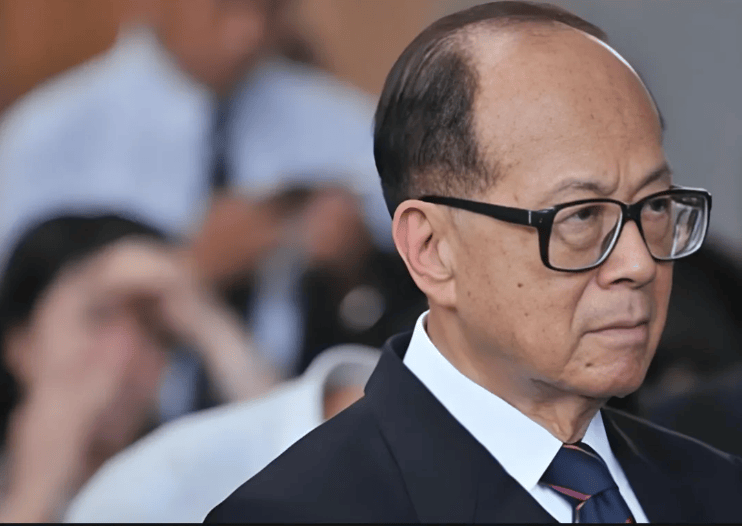
If I Could Only Choose 5 Dividend Stocks For My Retirement Portfolio
Seeking Alpha· 2025-03-29 11:00
Core Insights - Selecting adequate companies for a retirement portfolio is challenging, especially for generating substantial dividends upon retirement [1] - The focus is on identifying companies with significant competitive advantages and strong financials to provide attractive Dividend Yield and Dividend Growth [2] - A well-diversified portfolio across various sectors and industries is essential to minimize volatility and mitigate risk [2] Investment Strategy - The investment strategy emphasizes a blend of high Dividend Yield and Dividend Growth companies to reduce dependence on broader stock market fluctuations [2] - Incorporating companies with a low Beta Factor is suggested to further reduce overall investment risk [2] - The selection process for high dividend yield and growth companies is meticulously curated, prioritizing total return, which includes both capital gains and dividends [2] Portfolio Composition - Suggested investment portfolios typically consist of a mix of ETFs and individual companies, focusing on broad diversification and risk reduction [2] - The approach aims to maximize returns while considering the full spectrum of potential income sources [2]

关于“长和拟售巴拿马港口”一事的5个认识:变卖码头无异于向对手递刀
Sou Hu Cai Jing· 2025-03-29 09:27
Core Viewpoint - The sale of the Panama ports by Cheung Kong Holdings raises significant concerns regarding national interests and geopolitical implications, as it involves critical infrastructure and may be influenced by external pressures, particularly from the United States. Group 1: Transaction Analysis - The transaction does not align with commercial logic, as Cheung Kong did not pursue a competitive bidding process, instead opting for a quick agreement with BlackRock at a valuation significantly lower than market standards, approximately 13 times EBITDA compared to the typical 20 times [2] - The sale involves 80% of Cheung Kong's port assets, including key ports at both ends of the Panama Canal, which are crucial for global trade and logistics [1] Group 2: National Interest and Geopolitical Concerns - Port operations are not ordinary assets but critical infrastructure, and the sale could undermine national interests, especially given the geopolitical tensions, as it may be perceived as a concession to adversaries [3] - The transaction could be seen as a short-sighted decision influenced by U.S. pressure, potentially exacerbating global conflicts and undermining the position of Chinese enterprises in international trade [4] Group 3: Implications for Chinese Enterprises - The control of significant port operations by BlackRock could facilitate U.S. political agendas, impacting China's shipping trade and increasing operational costs for Chinese shipping companies [5] - Hong Kong enterprises, particularly those with international operations, are reminded to consider national interests alongside commercial decisions, as seen in the experiences of companies like Huawei and TikTok [6][7] Group 4: Regulatory Response - The State Administration for Market Regulation has indicated that it will review the transaction to ensure fair market competition and protect public interests [7]

BlackRock Rolls Out Bitcoin Exchange-Traded Product in Europe
ZACKS· 2025-03-27 14:45
Core Insights - BlackRock Inc. has launched a bitcoin exchange-traded product (ETP), iShares Bitcoin, in Europe following the success of its $48 billion U.S. fund tracking cryptocurrency [1] Group 1: Product Details - The iShares Bitcoin ETP was listed on Xetra and Euronext Paris under the ticker IB1T, and on Euronext Amsterdam under the ticker BTCN, with a temporary fee waiver of 10 basis points, reducing its expense ratio to 0.15% until the end of 2025 [2] - The fee waiver positions IB1T as one of the cheapest options at launch, compared to CoinShares International Ltd.'s $1.3 billion physical Bitcoin product, which charges a 0.25% fee [3] - IB1T is accessible to both institutional and informed retail investors and was issued by a special-purpose vehicle registered in Switzerland [3] Group 2: Strategic Rationale - The launch aims to leverage the increasing demand for cryptocurrency exposure in markets outside the United States, aligning with BlackRock's strategy to enhance offerings and grow assets under management [4] - Manuela Sperandeo, head of Europe & Middle East iShares product at BlackRock, indicated that this launch reflects a significant shift in the industry, driven by established retail demand and increasing professional interest [5] Group 3: Market Performance - BlackRock's shares have increased by 2% over the past six months, compared to the industry's growth of 2.4% [6]

Billionaires Buy a BlackRock ETF Wall Street Experts Say May Soar Up to 55,900%
The Motley Fool· 2025-03-27 07:55
Core Viewpoint - Hedge fund billionaires are increasingly investing in the iShares Bitcoin Trust, indicating a shift in institutional interest towards Bitcoin and related ETFs [1][7]. Group 1: Institutional Investment - Major hedge funds such as Citadel, D.E. Shaw, and Millennium have significantly increased their positions in the iShares Bitcoin Trust, with D.E. Shaw increasing its stake by 345% [7]. - The iShares Bitcoin Trust has attracted over $37 billion in net inflows during its first year, marking it as the most successful ETF launch in history [6]. - Institutional adoption of Bitcoin ETFs is occurring at an unprecedented rate, with notable purchases from firms like Millennium Management and Citadel Advisors [7]. Group 2: Price Predictions - Analysts predict substantial future gains for Bitcoin, with estimates suggesting it could reach $1 million by 2029 or 2033, implying an upside of approximately 1,040% from current levels [8]. - Ark Invest's CEO estimates Bitcoin could hit $3.8 million by 2030, indicating a potential upside of about 4,240% [8]. - Long-term projections suggest Bitcoin's market value could range from $3 trillion to $49 trillion by 2045, translating to an upside of 3,325% to 55,900% [8]. Group 3: Market Dynamics - The limited supply of Bitcoin, capped at 21 million coins, positions demand as the primary driver for future price increases [5]. - The current U.S. administration's pro-cryptocurrency stance and potential future government purchases of Bitcoin could further legitimize and boost demand [10][11]. - The collective assets under management by hedge funds and pensions exceed $120 trillion, indicating that even a small allocation to Bitcoin could significantly elevate its price [9].

买下李嘉诚港口的美国财团巨头贝莱德集团,真是强大到没朋友!
Sou Hu Cai Jing· 2025-03-27 00:01
Core Insights - BlackRock has acquired 43 global ports from Li Ka-shing for $22.8 billion, showcasing its strategic vision in controlling critical trade routes [12] - The firm manages $11.6 trillion in assets, equivalent to about 10% of global GDP, making it a significant player in the global economy [3][13] - BlackRock's Aladdin system monitors 25% of the world's investable assets, generating $1 billion annually from its technology services [2] Company Overview - Founded 40 years ago, BlackRock has grown to manage assets comparable to Japan's annual GDP, influencing global economic trends [1][3] - The firm has become a major shareholder in leading Chinese companies such as Alibaba, Tencent, and Meituan, indicating its deep penetration into the Chinese market [1][6] Investment Strategy - BlackRock's recent acquisition of ports allows it to collect tolls and gain insights into global shipping data, enhancing its influence over the logistics sector [12] - The firm has significant stakes in various sectors, including renewable energy, technology, and finance, with notable holdings in companies like BYD and China Life [7][8] Influence and Power - BlackRock's CEO, Larry Fink, has become a "soft legislator" in the corporate world, with his annual letters shaping business strategies globally [5] - The firm has established a network of former employees in key government positions, blurring the lines between business and politics [4] Historical Context - BlackRock's rise from a small office in Manhattan to a global financial giant is marked by strategic mergers and acquisitions, particularly during financial crises [15][16] - The firm capitalized on the 2008 financial crisis and the COVID-19 pandemic, positioning itself as a key player in government-led financial recovery efforts [10][13] Future Outlook - BlackRock is expanding its presence in private markets and alternative investments, particularly in the Asia-Pacific region, to seek new growth opportunities [16] - The firm is adapting its business model to focus on high-margin consulting and technology services as passive investment management fees decline [16] Global Impact - BlackRock's extensive asset management has raised concerns about systemic risks and regulatory scrutiny, with potential legislative actions being discussed in the U.S. and EU [13] - The firm's influence reflects the complexities of modern capitalism and the challenges of balancing open markets with national security concerns [17]
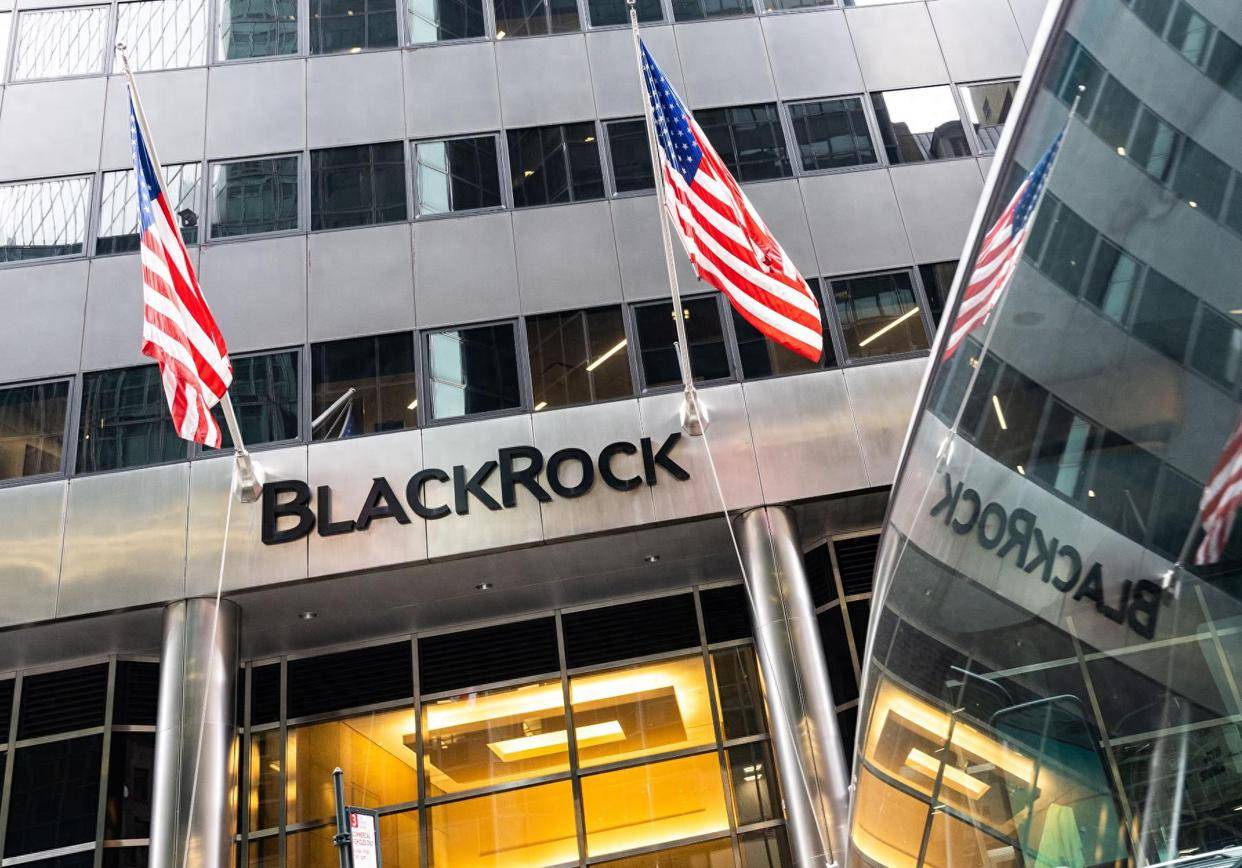
Former BlackRock Executive Walter Ward III Rejoins TiiCKER as CEO to Accelerate Growth at Retail Shareholder Engagement Startup
GlobeNewswire News Room· 2025-03-26 13:00
Core Insights - TiiCKER has appointed Walter Ward III as the new CEO and Co-Founder, bringing extensive experience in fintech and corporate innovation [1][3][5] - Ward's leadership is expected to enhance TiiCKER's focus on retail investor engagement and expand its community [3][5] - The company aims to redefine the relationship between public companies and retail investors through its platform, which offers verified stock perks and direct engagement [5][7] Company Overview - TiiCKER is a fintech platform that connects publicly traded companies with retail investors, providing unique access to shareholder perks and discounts [7][8] - The platform has been recognized for its innovation in shareholder engagement, winning multiple awards including Best Shareholder Engagement Platform at the 2024 Benzinga Global Fintech Awards [8] Leadership Background - Walter Ward previously served as COO at BlackRock, where he led significant ETF platform transformations and innovation initiatives [2][4] - Before BlackRock, he was Director and Chief of Staff for Liquidity Solutions at Silicon Valley Bank, contributing to the growth of a rapidly expanding division [2] Strategic Focus - Under Ward's leadership, TiiCKER plans to connect with professionals in product development, business development, retail investor marketing, and corporate partnerships [4] - The company is poised for growth by expanding its reach among retail investors and supporting IPOs and registered offerings [5]

资本市场扩大对外开放!后续改革举措可期
证券时报· 2025-03-26 00:20
Core Viewpoint - The article emphasizes the increasing openness of China's capital markets and the growing global recognition of Chinese assets, suggesting that 2025 will be a pivotal year for understanding China's international competitiveness [1]. Group 1: Capital Market Openness - Recent actions in capital market openness have significantly enhanced the global presence of Chinese assets, with a narrative of "re-evaluating Chinese assets" gaining traction among global capital [1]. - The report from Deutsche Bank highlights China's breakthroughs in high value-added sectors and the establishment of a competitive advantage across the entire industry chain [1]. Group 2: Foreign Investment and Collaboration - The financial market is actively promoting the Chinese narrative and enhancing cooperation with overseas institutions to attract long-term global capital [3]. - As of now, there are four wholly foreign-owned securities firms in China, including Goldman Sachs and Morgan Stanley, with more foreign firms seeking to enter the market [3]. - Efunds and Brazil's Itaú Asset Management are collaborating on ETF mutual listing, reflecting the accelerated overseas expansion of public funds [3]. Group 3: Regulatory Support - The China Securities Regulatory Commission (CSRC) is pushing for a balanced approach of "bringing in" and "going out," supporting qualified foreign institutions to establish operations domestically [4]. - The CSRC has been enhancing foreign investment policies, including easing the Qualified Foreign Institutional Investor (QFII) access and expanding investment scopes [8]. Group 4: Increased Attractiveness of Chinese Assets - The capital market's confidence in foreign investment is growing, with A-shares and Hong Kong stocks showing a stable upward trend, particularly in the technology sector [6]. - Major foreign institutions like Goldman Sachs and Morgan Stanley are optimistic about the Chinese stock market, noting it has experienced one of the strongest starts in history this year [6]. - There is a belief that if supportive policies continue, foreign capital will accelerate its return to the Chinese market, as Chinese stocks remain undervalued [6]. Group 5: Improvement of Open Systems - The ongoing improvements in the regulatory framework are making it easier for foreign institutions to enter and remain in the Chinese market [8]. - The CSRC is working on a comprehensive plan for capital market openness, aiming to enhance cross-border connectivity and improve the efficiency of overseas listing processes [9].



BlackRock Regains Top Spot in the U.S. in Broadridge's Fund Brand 50 2025 Report
Prnewswire· 2025-03-25 12:45
Core Insights - The Broadridge Fund Brand 50 (FB50) report highlights the importance of brand strength in asset management, with fund selectors prioritizing 'Solidity' and 'Client-oriented thinking' when choosing asset managers [1][5][13] - BlackRock has overtaken Vanguard as the top asset management brand, marking a significant shift in fund selector preferences [2][6] - The study ranks asset managers based on ten brand attributes, revealing insights into the competitive landscape of the asset management industry [2][10] Brand Rankings - The top three U.S. asset management brands for 2025 are BlackRock, Vanguard, and Capital Group, with BlackRock moving up one position and Vanguard dropping one [3] - First Trust made notable progress, rising from 10th to 6th place, attributed to its innovative product offerings [6] Valued Attributes - The top three attributes valued by U.S. fund selectors are 'Solidity', 'Client-oriented thinking', and 'Appealing investment strategy', indicating a preference for stability and customer-centric approaches [5][13] - 'Experts in what they do' and 'Knowledge of the market where they operate' have gained importance, reflecting the need for specialized expertise in a complex investment landscape [13] Market Trends - Fund selectors are increasingly favoring large, established brands with diverse product offerings, as well as firms that can adapt to new market demands [7][13] - There is a growing consumer demand for new product types, including actively managed ETFs and model portfolios, influencing the rankings of asset managers [13] Additional Findings - Charles Schwab excelled in 'Client-oriented thinking', ranking 7th in this attribute despite an overall 17th place in the FB50 rankings [13] - The study indicates a continued willingness among fund selectors to explore new engagements, driven by steady performance and lower volatility [13]


贝莱德的选择题
远川研究所· 2025-03-25 12:02
Core Viewpoint - BlackRock, the world's largest asset management company, is navigating complex financial and political landscapes, balancing its investment strategies in China while facing scrutiny and opposition from various U.S. states regarding its ESG policies [3][12][20]. Group 1: BlackRock's Financial Maneuvers - In early 2025, BlackRock made headlines by defaulting on a loan for two office buildings in Shanghai, despite having a substantial asset management scale of $11.6 trillion by the end of 2024 [3]. - BlackRock's net profit for 2024 was approximately $6.4 billion, indicating that the default was not due to a lack of funds [3]. - The company also participated in a significant transaction involving the Panama Canal, offering $22.8 billion, which is roughly equivalent to its total profits over the past four years [3]. Group 2: Historical Context and Growth - BlackRock's rise to prominence was significantly influenced by its acquisition of Barclays Global Investors in 2008 for $13.5 billion, which propelled its assets from $1.3 trillion to $3.3 trillion [8][9]. - Under Larry Fink's leadership, BlackRock's market capitalization grew from $1.1 billion at its IPO in 1999 to $44.8 billion by 2009, marking a 40-fold increase over ten years [9][11]. Group 3: ESG Investment and Political Dynamics - Larry Fink has been a strong advocate for ESG (Environmental, Social, Governance) investing, aligning with Democratic agendas and promoting sustainable investment practices [12]. - Despite initial success with ESG funds, BlackRock has faced backlash from Republican-led states, leading to significant withdrawals, such as $7.94 billion from Louisiana and $8.5 billion from Texas [13][14]. - The political landscape has shifted, with some officials now recognizing potential benefits from collaboration with BlackRock, especially following the Panama Canal deal [14]. Group 4: Opportunities in China - BlackRock views China as a significant opportunity, having been one of the largest beneficiaries of China's financial market opening since 2011 [16]. - The firm has established a strong presence in China, acquiring various licenses to operate in the asset management sector, including QDLP and RQFII licenses [17][20]. - However, recent geopolitical tensions and regulatory scrutiny have raised questions about the viability of continuing operations in China, prompting a reassessment of investment strategies [20][22]. Group 5: Challenges and Future Outlook - Despite its strong licensing position, BlackRock's public fund management in China has not seen significant growth, with its assets remaining below 100 billion RMB [21]. - The firm faces challenges in maintaining its competitive edge amid increasing regulatory pressures and changing market dynamics [22]. - The future of BlackRock's operations in China may hinge on its ability to navigate these complexities while continuing to seek growth opportunities [22].