Coca-Cola(KO)

Search documents
Could Coca-Cola Help Power a Lifetime of Passive Income?
The Motley Fool· 2026-01-31 10:15
Core Viewpoint - Coca-Cola is highlighted as a strong dividend stock with a long history of increasing dividends, making it a suitable investment for those seeking passive income and stability during market volatility [2][8]. Company Overview - Coca-Cola has maintained consistent growth in unit case volume over the last decade, with the only decline occurring during the pandemic in 2020 [4]. - The company has achieved a 13% annualized organic revenue growth since 2015, primarily driven by higher price/mix, indicating strong pricing power [4]. Financial Performance - Coca-Cola's adjusted free cash flow grew by 11% to nearly $11 billion in 2024, with projections of reaching $13.1 billion by 2027 on $52 billion of adjusted revenue [7]. - The company has a market capitalization of $322 billion and a current price of $74.81, with a gross margin of 61.55% [6][7]. Dividend History - Coca-Cola has increased its dividend for 63 consecutive years, qualifying it as a Dividend King [8]. - In 2024, the company paid out 73% of its adjusted free cash flow in dividends, consistent with its historical payout range [8]. - The dividend has increased by 50% over the last decade, with a current quarterly payment of $0.51, resulting in a dividend yield of 2.79%, significantly higher than the S&P 500 average [9]. Growth and Risks - The company's pricing power, global distribution, and focus on high-margin products are expected to sustain dividend growth [10]. - A key risk to monitor is potential shifts in consumer preferences, particularly regarding sugary beverages, which could impact future sales volume and dividend increases [11]. Investment Outlook - Analysts project about 6% annualized earnings growth for Coca-Cola, suggesting it may not outperform the S&P 500 but remains a solid choice for income-focused investors [12].


Buffett’s 1994 Advice That Still Destroys Most Investors’ Portfolios: He’d Rather ‘Own a Significant Portion of the Hope Diamond than 100% of a Rhinestone’
Yahoo Finance· 2026-01-30 16:47
Core Idea - The article emphasizes the importance of owning significant portions of extraordinary businesses rather than complete ownership of mediocre ones, as articulated by Warren Buffett in his 1994 shareholder letter [1] Group 1: Investment Philosophy - Berkshire Hathaway's strategy involves accumulating partial stakes in dominant businesses with durable advantages and global scale, rather than seeking total control of less impactful companies [2] - These investments are characterized as long-term economic partnerships that allow Berkshire to benefit from the underlying economics of these businesses [2] Group 2: Case Studies - Coca-Cola serves as a prime example, where Berkshire's 7.8% ownership stake translated into an economic interest in 21 billion servings, resulting in nearly $200 million in earnings from this investment [3] - Similarly, Berkshire's 7% stake in Gillette, which controlled about 70% of the global market by revenue, provided an indirect claim on approximately $250 million of Gillette's sales in 1994, demonstrating the effectiveness of owning a portion of a dominant business [4]
Coca-Cola India Enables Hydration Access and Retail Empowerment at Asia’s Largest Tribal Festival
BusinessLine· 2026-01-30 12:29
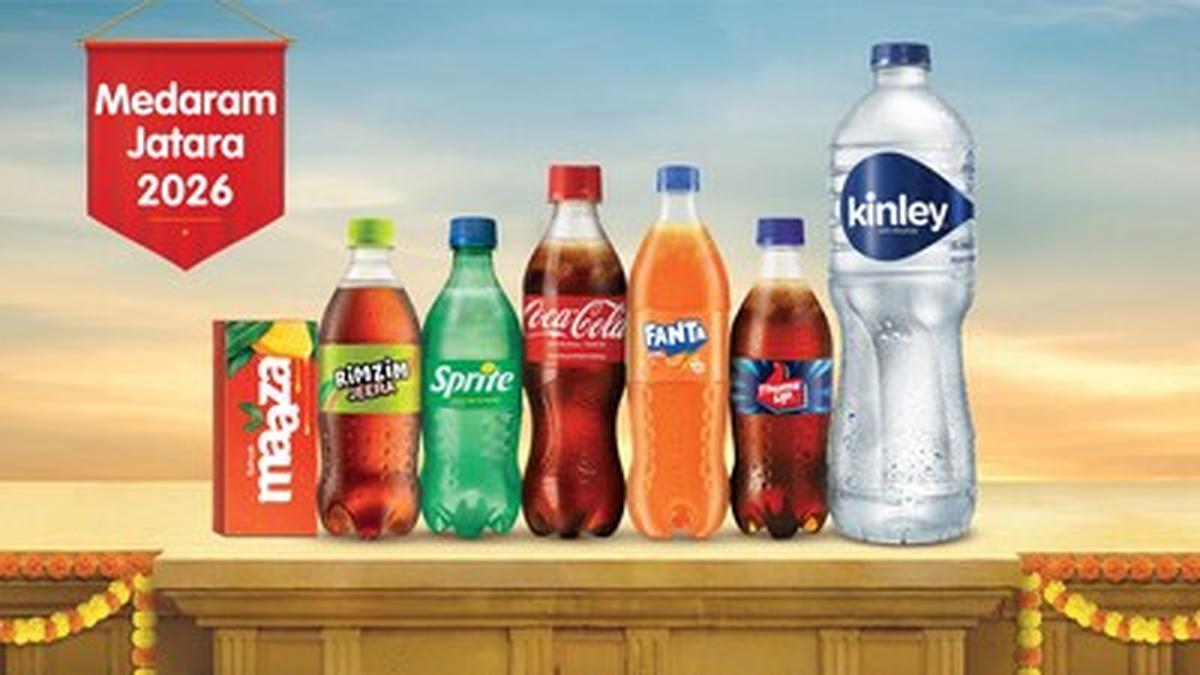
Core Insights - Coca-Cola India is enhancing its commitment to local ecosystems during Medaram Jatara 2026, Asia's largest tribal congregation, through hydration access, retailer enablement, and community-led initiatives [1][4] - The company is collaborating with local retailers and vendors to support livelihoods and create economic opportunities while ensuring beverage availability for visitors [3][4] Group 1: Community Engagement and Support - Coca-Cola India, along with Hindustan Coca-Cola Beverages Pvt. Ltd., is providing cooling infrastructure and on-ground assistance to local outlets and vendors, facilitating efficient service for pilgrims [2] - The company has set up mobile hydration carts, temporary stalls, and shaded rest areas to enhance visitor comfort during the event [2] Group 2: Economic Impact - The Medaram Jatara is recognized as a significant economic driver for the region, with support from the Telangana government enabling Coca-Cola to mobilize its retail ecosystem effectively [3] - The initiatives are aimed at driving local employment, strengthening retail businesses, and contributing to socio-economic growth beyond the festival [3] Group 3: Environmental Initiatives - Coca-Cola India's foundation, Anandana, is collaborating with local authorities on the MaidaanSaaf initiative, which focuses on waste collection and responsible disposal [4] - The initiative promotes the use of recycled plastic waste for public utility infrastructure, such as changing rooms and benches, enhancing safety and convenience for visitors [4]
Product of the Year 2026 winners revealed
Retail Times· 2026-01-29 12:48
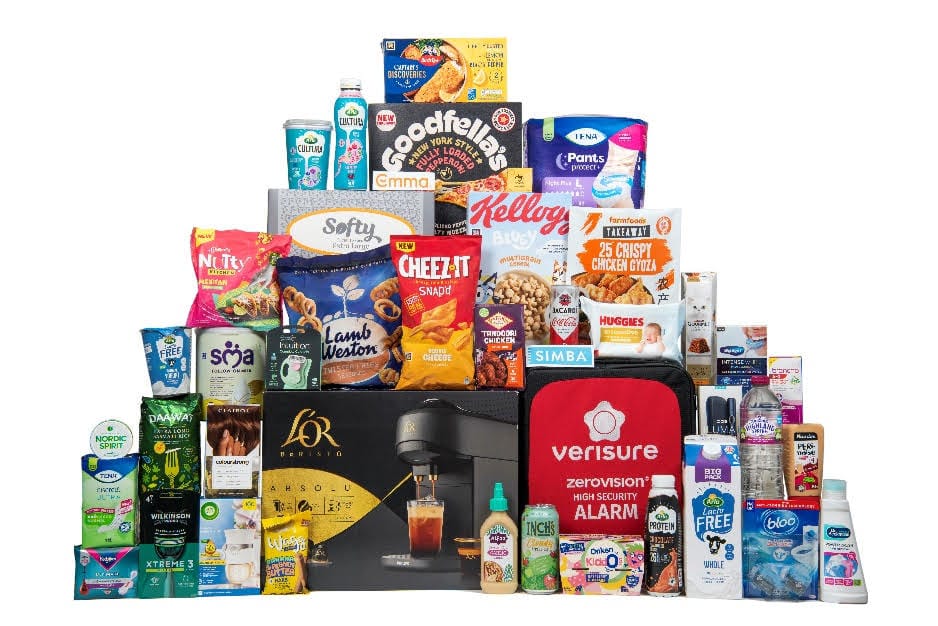
Core Insights - The winners of Product of the Year 2026 were announced, showcasing innovative products across various categories as voted by 8,000 consumers, making it the UK's largest consumer-voted award for product innovation [1][17]. Product Categories Home and Lifestyle - Simba Sleep Hybrid Pro Mattress won in the 'Mattress' category, while Emma Original Hybrid Pillow took the win for 'Pillow', emphasizing the importance of sleep [3][21]. - Verisure's New Alarm System with LockGuard was recognized for its advanced security features, integrating alarm protection with intelligent access control [4][21]. - Air Wick's Advanced Electrical Plug-In was noted for its long-lasting fragrance and improved scent control [5][21]. Food and Beverage - Cheez-It Snap'd and Goodfella's New York Style Pizza were highlighted for their innovative flavors and convenience in the snack and frozen food categories, respectively [6][21]. - Daawat Extra Long Basmati Rice won in the 'Rice' category, showcasing premium quality [7][21]. - Arla achieved five wins in the beverage category, including Protein Milkshake Range, appealing to health-conscious consumers [9][21]. Pet Products - Nestlé Purina Petcare's GOURMET™ REVELATIONS™ Fine Cuts in Gelée won for its premium presentation and flavors for cats, while Wagg Chews won in the 'Dog Treats' category [11][21]. Health and Beauty - Wisdom's Intense White Professional LED Teeth Whitening Kit was recognized for delivering professional-level results at home [13][21]. - Essity UK Ltd received multiple awards for its intimate and incontinence care products, emphasizing enhanced protection and comfort [15][21]. Miscellaneous - The winners are now entitled to feature the iconic red logo on their packaging, symbolizing innovation and consumer trust [18].
如何确保“关键人才继任计划”的成功
3 6 Ke· 2026-01-29 12:06
Core Insights - The article discusses two main dilemmas in key talent succession: the "dependency dilemma" and the "control dilemma" [1][2] - It emphasizes the importance of viewing succession planning as a long-term process rather than a single event [3] - The article identifies three core traps in key talent succession: treating succession as a one-time event, relying on a single candidate without backup options, and pursuing homogenous successors while ignoring dynamic job requirements [3][4][5] Dependency Dilemma - Organizations often rely heavily on a single core individual for decision-making, leading to chaos when that individual is no longer available [1] - This reliance creates a situation where the organization’s survival is tied to one person, rather than a replicable and sustainable capability system [1] Control Dilemma - Even with succession plans in place, poor design can lead to failed transitions, as seen in the case of Coca-Cola where the chosen successor lacked the necessary vision [2] - The absence of a robust support system for the successor can result in significant costs for the organization [2] Core Traps in Succession Planning - Viewing succession as a single event rather than a continuous process can lead to rushed selections and inadequate preparation of successors [3] - Relying on a single candidate without a backup plan can create a vacuum in leadership when that candidate is unavailable [3] - Pursuing successors who are too similar to their predecessors can overlook the evolving needs of the organization [5] Recommendations for Successful Succession Planning - Organizations should integrate succession planning into their long-term strategy, recognizing it as a continuous talent pipeline rather than an emergency measure [9] - Establishing a diverse talent pool with both primary and backup candidates can mitigate risks associated with single-point failures [11] - Implementing a collective decision-making mechanism can enhance the objectivity and rigor of the succession process [12] - HR should transition from merely executing succession plans to becoming strategic partners, utilizing data analysis and best practices to inform decisions [13]
Coca-Cola (NYSE: KO) Price Prediction and Forecast 2026–2030 (February 2026)
247Wallst· 2026-01-29 12:00
Core Viewpoint - Coca-Cola's strategic expansion into non-carbonated beverages and digital technology is driving its growth, with a strong dividend history appealing to investors [1][2]. Group 1: Financial Performance - Coca-Cola's stock gained 4.13% over the past month, with a one-year gain of 17.16% and nearly 52% over the past five years [1]. - The company reported Q3 earnings on October 21, 2025, with adjusted EPS of 82 cents, exceeding expectations of 78 cents, and revenue of $12.41 billion, surpassing the forecast of $12.39 billion [1]. - The consensus median one-year price target for Coca-Cola is $79.00, indicating an 8.13% potential upside from the current share price [2]. Group 2: Strategic Initiatives - Coca-Cola has focused on diversifying its beverage portfolio, including the acquisition of Costa Coffee for $5.1 billion, targeting the growing coffee market [2]. - The company is leveraging digital technology, including AI and big data, to enhance consumer insights and optimize product offerings [2]. - Coca-Cola is actively engaging in hyper-localization, adapting products to meet local tastes, which has resulted in a 60.5% market share in the Indian soft drinks market [2]. Group 3: Future Projections - 24/7 Wall St. anticipates a stock price of $81.75 for Coca-Cola by the end of 2026, representing an 11.89% potential upside [2]. - Projections for normalized EPS show growth from $3.27 in 2026 to $4.05 in 2030, with a projected stock price of $101.25 by 2030, indicating a 44.72% potential upside [2].
苏超新赛季:“泼天的流量”能否再续?
2 1 Shi Ji Jing Ji Bao Dao· 2026-01-29 08:44
Core Insights - The 2026 Jiangsu Province Urban Football League (referred to as "Su Super") is set to continue the momentum generated by its inaugural season in 2025, with a strong lineup of sponsors and heightened public interest [1][2]. Sponsorship and Financial Aspects - The 2026 season has attracted 24 sponsors, including notable brands such as Jiangsu Bank, Suhao Holding Group, Heineken, Adidas, and Ant Financial, showcasing a robust sponsorship portfolio [1][2]. - The total sponsorship amount for the 2026 season was previously reported to exceed 202 million yuan, although this figure is subject to confirmation due to pending agreements [2]. Audience Engagement and Popularity - The inaugural season of Su Super saw significant audience engagement, with a total attendance of 2.43 million across 85 matches, averaging 28,000 spectators per match, and online viewership reaching 2.2 billion [3]. - The league has generated a cultural phenomenon, with various social media trends and memes emerging from the matches, indicating a strong community connection [3][5]. Socioeconomic Context - The success of Su Super is attributed to the unique competitive spirit among the 13 cities in Jiangsu, which has historical and cultural significance, fostering a sense of rivalry and community pride [4][5]. - The league's rapid growth in sponsorship and popularity is also linked to the local government's effective governance and ability to connect with surrounding industries [4]. Changes and Innovations for the New Season - The 2026 season will introduce a new competition format, including a total of 91 matches, with a shift from single-elimination to two-legged knockout rounds in the playoffs, enhancing the competitive excitement [7]. - The league will also expand its sponsorship model to include small and micro enterprises, allowing them to participate alongside larger brands, which has been positively received by the public [8]. Broader Implications and Future Prospects - The success of Su Super has inspired other regions to replicate its model, although experts suggest that each area must leverage its unique cultural and social dynamics to achieve similar success [9].



Coca-Cola Stock: Analyst Estimates & Ratings
Yahoo Finance· 2026-01-28 10:26
Core Viewpoint - The Coca-Cola Company is a leading global beverage brand with a strong market presence and a diversified product portfolio, currently valued at $312.1 billion [1]. Performance Summary - Over the past year, Coca-Cola's stock has gained 15.2%, slightly underperforming the S&P 500 Index, which increased by 16.1%. In the last six months, KO stock returned 6.3%, compared to the SPX's 9.2% [2]. - Coca-Cola has outperformed the First Trust Nasdaq Food & Beverage ETF, which declined by 2.7% over the past year and 2.3% over the past six months [3]. Market Position and Demand - The company benefits from steady demand for its beverages, a diversified global footprint, and strong pricing power, which helps maintain margins during cost pressures. This defensive nature was evident when Coca-Cola's stock rose over 1% on January 20, despite a broader market decline [4]. - Rising interest rates, slowing global growth, and persistent inflation have led investors to favor resilient consumer staples like Coca-Cola over cyclical stocks [4]. Earnings Outlook - For FY2025, analysts project Coca-Cola's EPS to grow by 3.8% to $2.99 on a diluted basis. The company has a solid earnings surprise history, beating consensus estimates in the last four quarters [5]. - Among 24 analysts covering Coca-Cola, the consensus rating is a "Strong Buy," with 19 "Strong Buy" ratings, two "Moderate Buys," and three "Holds" [5]. Analyst Sentiment - The current analyst configuration is less bullish than a month ago, when 20 analysts had given a "Strong Buy" recommendation. Recently, BofA Securities reaffirmed a "Buy" rating and raised the price target to $80 from $78, indicating continued confidence in the company's outlook [6].
3 Consumer Dividend Stocks for Investors Seeking Steady Income: Costco, Coca-Cola, and Altria
The Motley Fool· 2026-01-28 06:05
Core Viewpoint - Investing in dividend stocks provides a reliable income stream that can be reinvested or used for expenses, allowing investors to hold shares without selling them [1] Group 1: Consumer Spending and Dividend Stocks - Consumer spending is crucial for the economy, and high-quality dividend stocks can be found in consumer-facing companies with strong brands [2] - Examples of such companies include Costco Wholesale, The Coca-Cola Company, and Altria Group, each representing different investment styles [2] Group 2: Costco Wholesale - Costco Wholesale is a leading retailer with a loyal customer base, known for its membership model and bulk merchandise sales [3] - The company has a market capitalization of $431 billion, with a current stock price of $970.66 and a dividend yield of 0.52% [4][5] - Costco has paid and raised its dividend for 20 consecutive years, spending only a quarter of its earnings on dividends, indicating potential for future growth [5] Group 3: The Coca-Cola Company - Coca-Cola is a global beverage leader with a strong track record of dividend growth, having increased its dividend for 62 consecutive years [6] - The company has a market capitalization of $316 billion, with a current stock price of $73.55 and a dividend yield of 2.77% [7][8] - Coca-Cola's growth is supported by a rising global population and brand recognition, allowing for continued expansion in a fragmented beverage market [8] Group 4: Altria Group - Altria Group, known for its Marlboro cigarettes, has maintained profitability despite declining cigarette sales due to its pricing power [9] - The company has a market capitalization of $107 billion, with a current stock price of $63.62 and a dividend yield of 6.54% [10] - Altria has achieved 54 consecutive annual dividend increases, providing a substantial yield despite low single-digit earnings growth [10]



Flipkart strengthens finance and supply chain leadership with key appointments
ETRetail.com· 2026-01-28 04:54
Core Insights - Flipkart Group has appointed Jason Chappel as Vice President, Group Controller, and Amer Hussain as Vice President, Supply Chain – Grocery & Minutes to enhance governance and operational efficiency [2] - The appointments are part of Flipkart's strategy to scale its operations across core businesses, particularly in grocery and quick commerce [2] Leadership Appointments - Jason Chappel will oversee accounting, financial reporting, and internal controls, aiming to strengthen controllership standards in line with global best practices [2] - Amer Hussain will lead the supply chain strategy for Flipkart's Grocery and Minutes businesses, focusing on scaling infrastructure, improving service levels, and driving cost efficiency [2] Experience and Background - Amer Hussain brings over 25 years of experience from companies like The Coca-Cola Company and Reliance Consumer, with expertise in large-scale operations and supply chain optimization [2] - Jason Chappel previously served as Group Director at Walmart Enterprise Business Services, managing finance operations across international markets, with experience in omnichannel integration [2] Strategic Focus - The appointments come at a time when Flipkart is expanding its operational footprint and investing in institutional capabilities to support long-term, sustainable growth [2]