Coca-Cola(KO)

Search documents
TD Cowen Raises Coca-Cola (KO) Price Target to $80, Reaffirms Buy Rating
Yahoo Finance· 2025-10-29 01:50
Core Viewpoint - The Coca-Cola Company (NYSE:KO) has demonstrated strong performance in the third quarter, leading to an increased price target and reaffirmation of a Buy rating by TD Cowen, highlighting the company's resilience in challenging economic conditions [2][4]. Group 1: Financial Performance - TD Cowen raised its price target for Coca-Cola from $75 to $80, citing better-than-expected organic sales and earnings per share [2]. - Coca-Cola's unit case volume rose by 1% during the quarter, exceeding market expectations of 0.3% [3]. - The company reaffirmed its full-year organic revenue growth target of 5% to 6% [3]. Group 2: Business Model and Dividend - TD Cowen praised Coca-Cola's "all-weather" business model, emphasizing its ability to navigate regional challenges and maintain stability across markets [4]. - Coca-Cola has raised its dividend for 63 consecutive years, with a current dividend yield of 2.91% as of October 27 [4].

从可口可乐到农夫山泉,快消品出首富的四阶段法则是什么?
Sou Hu Cai Jing· 2025-10-28 20:53
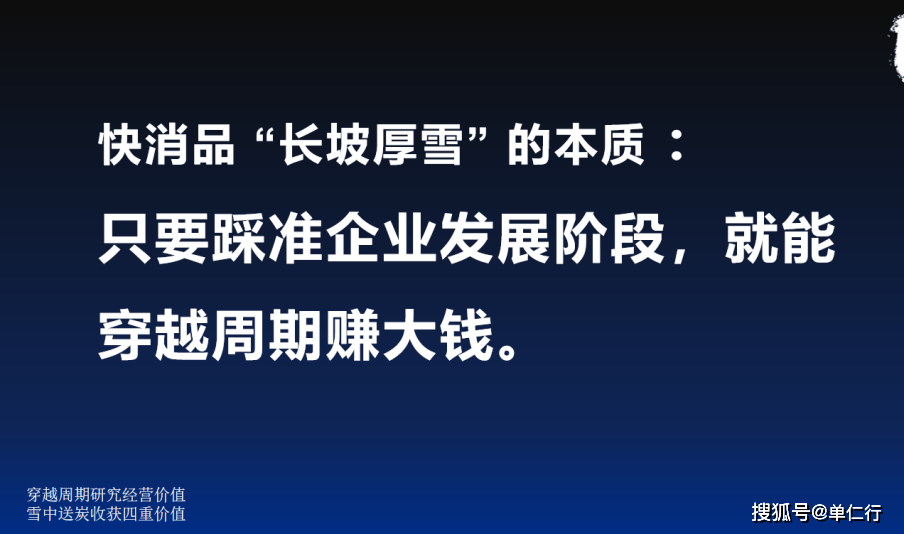
Core Insights - The 2025 Hurun Rich List reveals that Zhong Shanshan retains the title of China's richest person with a wealth of 450 billion yuan, highlighting the fast-moving consumer goods (FMCG) sector as a "cradle for billionaires" [1] - The success of companies like Wahaha and Nongfu Spring in the FMCG industry is attributed to their ability to navigate different stages of business development, emphasizing the importance of timing and strategic positioning [3][4] Company Lifecycle Theory - The lifecycle of FMCG companies can be broken down into four key stages: 1. **Startup Phase**: Focus on survival and market positioning, exemplified by Dongpeng's introduction of China's first vitamin functional drink in 1998 [4] 2. **Expansion Phase**: Aim for national reach and category leadership, as seen with Nongfu Spring's establishment of 12 major water sources from 2001 to 2010 [4] 3. **Maturity Phase**: Stabilize and diversify product offerings, illustrated by Coca-Cola's introduction of Sprite and Fanta between 1981 and 2000 [4] 4. **Transformation Phase**: Seek new growth avenues, demonstrated by Nongfu Spring's expansion into tea beverages post-2021 [4] Company Performance Analysis - Dongpeng Beverage has maintained its position as the market leader in energy drinks with a market share of 47.9%, mirroring Nongfu Spring's earlier success in bottled water [10] - The newly launched "Brewed Water" electrolyte drink generated revenue of 2.847 billion yuan in the first three quarters of 2025, marking a 134.8% year-on-year increase and contributing 16.91% to total revenue [11] - Dongpeng's capital-raising efforts, including 1.85 billion yuan from A-share fundraising, are being directed towards national expansion and overseas supply chain development, similar to Nongfu Spring's strategies [10] Key Success Factors - Effective channel management during the expansion phase is crucial, as demonstrated by Nongfu Spring's exclusive distributor model and Dongpeng's targeted market penetration strategies [13] - Cash flow quality is a critical indicator of success in the maturity phase, with Nongfu Spring reporting a net cash ratio of 1.37 and Dongpeng at 1.2, indicating strong profitability [14] - The ability to pivot and find new growth opportunities is essential during the transformation phase, as seen with Nongfu Spring's diversification into tea and Dongpeng's expansion into electrolyte drinks and global markets [15] Future Outlook - Dongpeng is positioned at a critical juncture, transitioning from the expansion phase to maturity, with plans to enhance its product portfolio and explore Southeast Asian markets [11][12] - The potential for Dongpeng to replicate the success of Coca-Cola, which saw a 40-fold return during its growth phase, hinges on its ability to execute its multi-category strategy and establish a global presence [17]



4 Pleasant Surprises from Coca-Cola's Earnings Report Last Week
Yahoo Finance· 2025-10-28 20:37
Core Insights - Coca-Cola reported a strong third-quarter performance with adjusted earnings rising 30% year over year to $0.82 per share and revenue increasing 5% to $12.5 billion, surpassing analyst expectations [1][2] Group 1: Financial Performance - Adjusted earnings rose 30% year over year to $0.82 per share, while revenue increased 5% to $12.5 billion, exceeding Wall Street's expectations of $0.78 per share and $12.4 billion in revenue [1] - Operating margins improved to 31.9%, up from 30.7% in the same period last year, reaching multi-year highs not seen since before the COVID-19 pandemic [3][4] Group 2: Market Performance - North American revenue grew 4% year over year, outperforming PepsiCo's 2% growth in the same market, indicating resilience in the face of economic concerns [5][6] - Coca-Cola maintained strong operating margins despite increased marketing expenses, demonstrating effective cost control and solid consumer demand [4][6] Group 3: Product Trends - Contrary to expectations, Diet Coke is experiencing a reversal in its decline, as it regains shelf space from Coke Zero, which was anticipated to take over its market position [9][10]
The Best Warren Buffett Stock to Buy Now: Coca-Cola vs. American Express
Youtube· 2025-10-28 15:01
Core Insights - Berkshire Hathaway will soon release its 13F report detailing stock transactions by CEO Warren Buffett and his team [1] - Focus is on two of Buffett's favored companies, Coca-Cola and American Express, which he considers "forever stocks" [2] Coca-Cola (KO) - Coca-Cola has established a wide economic moat due to strong intangible assets and significant cost advantages [4] - The company has a solid balance sheet and is well-prepared to handle macroeconomic volatility [4] - KO's cash flows are deemed reliable, leading to a low uncertainty rating [5] - Despite macro headwinds, KO experienced volume growth in the third quarter, with expectations to raise the fair value estimate by a few percentage points post-earnings [5] - Current valuation for KO stock is estimated at $72 per share [6] American Express (AXP) - American Express has also created a wide economic moat through its unique closed-loop network, which includes issuing credit cards, operating the payment network, and maintaining direct merchant relationships [6] - The company has a well-positioned balance sheet and a credit card portfolio with historically lower credit risk compared to peers [6] - Strong third-quarter results were reported, driven by increased transaction volume and net interest income [7] - The stock is valued at $265 per share [7] Investment Comparison - Between Coca-Cola and American Express, Coca-Cola is considered the better buy at present due to its stock price being more aligned with its fair value estimate, while American Express trades at a significant premium [8]


Worried About a Stock Market Sell-Off? Consider These 5 Dow Jones Dividend Stocks For 2026.
Yahoo Finance· 2025-10-28 13:37
Group 1 - The S&P 500 has increased by 14.5% year to date and over 35% from its April lows, raising questions about the sustainability of the market rally [1] - Investors seeking reliable dividend stocks may find opportunities in the Dow Jones Industrial Average, which consists of 30 industry-leading companies [1] Group 2 - Procter & Gamble (P&G) and Coca-Cola are highlighted as strong dividend stocks, with P&G having a 21.8 forward price-to-earnings (P/E) ratio compared to a 10-year median of 25.7, and Coca-Cola at 23.9 versus a median of 27.7 [6] - Both companies have maintained impressive dividend growth, with P&G raising its dividend for 69 consecutive years and Coca-Cola for 63 years, qualifying them as Dividend Kings [5] Group 3 - McDonald's is noted for its recession-resistant business model, providing affordable food options even amid inflationary pressures [7] - Chevron continues to increase its dividend payouts despite low oil prices, indicating strong financial management [8] - Visa is positioned to return significant cash to shareholders without relying on a booming economy [8]


How I'd Invest My First $1,000 in Stocks (and Why Buffett Would Approve)
The Motley Fool· 2025-10-28 07:15
Core Insights - The article emphasizes that simpler, less active portfolios tend to perform better in the long run, particularly in the context of the current market driven by a few large technology companies involved in AI [1] Company Summaries Coca-Cola - Coca-Cola is a globally recognized brand in the non-alcoholic beverage sector, with a diverse product lineup including Gold Peak tea, Minute Maid juices, and Dasani water [4] - The company's recent Q3 results showed a slight recovery from Q2, with sales and earnings exceeding expectations due to a 5% top-line growth, although overall demand remains soft [6][7] - Coca-Cola's management is addressing consumer preferences by introducing smaller, more affordable package sizes, indicating adaptability to market conditions [6] - Warren Buffett's investment philosophy aligns with Coca-Cola's business model, as it is a quality company that is easy to understand, and Berkshire Hathaway holds a significant stake valued at approximately $28 billion [8][9] McDonald's - McDonald's, while not held by Berkshire Hathaway, shares similar investment attributes with Coca-Cola, including a reliable and growing dividend, having raised its dividend for 49 consecutive years [11] - The company operates a vast network of 44,113 stores globally, showcasing its dominance in the fast-food industry, although it faces challenges from cash-strapped consumers [12] - McDonald's business model is primarily real estate-focused, leasing 95% of its stores to franchisees, which provides reliable cash flow and mitigates operational risks [15][16] SPDR S&P 500 ETF Trust - The SPDR S&P 500 ETF Trust offers a diversified investment option, holding the same 500 stocks as the S&P 500 index, making it a suitable choice for new investors [18] - Most individual and professional investors struggle to outperform the market, making index funds like the S&P 500 a recommended foundational investment strategy [20][21]
Coca-Cola drops popular soda flavor from key venues, restaurants
Yahoo Finance· 2025-10-27 23:51
Group 1 - Coca-Cola has lost a significant court case, resulting in the company no longer having access to Dr. Pepper in certain markets, which is the second-best-selling soda brand [4][6] - The Texas court ruling allows Keurig Dr Pepper to take full control of its distribution, impacting Coca-Cola's supply chain and access to Dr. Pepper in venues and restaurants [4][5] - Sprite remains the dominant player in the lemon-lime soda market, while PepsiCo's attempts to compete have not been successful, with its brands lagging far behind [1][3] Group 2 - PepsiCo has a history of launching various lemon-lime sodas to compete with Sprite, including Teem and Sierra Mist, but these brands have struggled to gain market traction [7] - In 2023, PepsiCo discontinued Sierra Mist and introduced a new brand, Starry, targeting Gen Z with a modern flavor profile and branding [7]


Coca-Cola Vs. PepsiCo: Which Beverage Giant is Poised for the Top Spot?
ZACKS· 2025-10-27 18:41
Core Insights - The rivalry between The Coca-Cola Company (KO) and PepsiCo, Inc. (PEP) is a defining feature of the global beverage industry, with both companies holding significant market shares across various beverage and snack categories [1][2]. Coca-Cola (KO) - Coca-Cola maintains a dominant position in the carbonated beverage market, achieving 18 consecutive quarters of value share gains and a strong presence in the non-alcoholic ready-to-drink sector [3][7]. - The company reported 6% organic revenue growth in Q3 2025, with strong free cash flow generation projected near $10 billion, supporting reinvestment and shareholder returns [7]. - Coca-Cola's business model emphasizes brand strength and operational efficiency, with a focus on digital marketing and refranchising efforts to enhance core competencies [5][6]. - The portfolio includes affordable and premium products, catering to diverse consumer preferences and health-conscious trends [6]. PepsiCo (PEP) - PepsiCo's diversified model spans beverages and convenient foods, with its beverage segment contributing significantly to overall revenues, supported by flagship brands like Pepsi and Gatorade [8][10]. - The company achieved nearly 3% reported net revenue growth in Q3 2025, driven by strong performance in snacks and digital transformation initiatives [13]. - PepsiCo's innovation strategy focuses on health-oriented products and a revamped snacks portfolio, appealing to modern consumers seeking transparency and nutrition [11][12]. - The stock trades at a lower forward P/E multiple of 17.88X compared to Coca-Cola's 21.94X, indicating a more attractive valuation [16][18]. Performance Comparison - In the past three months, PepsiCo shares increased by 7%, while Coca-Cola's stock rose by only 2.3%, reflecting shifting investor sentiment towards PepsiCo's operational improvements [15][24]. - PepsiCo's consistent international momentum and robust North American execution position it as a more balanced and growth-oriented investment choice compared to Coca-Cola [24][25]. - Recent upward revisions in earnings estimates for PepsiCo suggest optimism about its ability to sustain profitability and margin expansion despite external pressures [24].
My 2 Favorite Warren Buffett Stocks to Buy Right Now
Yahoo Finance· 2025-10-27 12:32
Group 1: Warren Buffett and Berkshire Hathaway - Warren Buffett is preparing to retire as CEO of Berkshire Hathaway, marking the end of an era for one of Wall Street's most successful investors [1] - Buffett's investment strategy focuses on buying good companies at attractive prices and holding them for the long term [1][7] Group 2: Coca-Cola - Coca-Cola has been a long-term successful investment for Buffett, with a history of increasing dividends for over six decades, qualifying it as a Dividend King [2][3] - The company has a strong business model, supported by iconic brands, a global distribution system, and effective marketing and innovation [3] - Currently, Coca-Cola's stock appears fairly priced or slightly undervalued, with key valuation ratios close to or below their five-year averages, and it reported a third-quarter organic sales growth of 6%, outperforming its closest rival [4][5] Group 3: Pool Corp - Pool Corp is a recent addition to Berkshire Hathaway's portfolio, and it is currently viewed as being out of favor, presenting a potential buying opportunity [6] - The company is positioned for long-term growth, aligning with Buffett's investment philosophy of acquiring good companies at attractive prices [7]

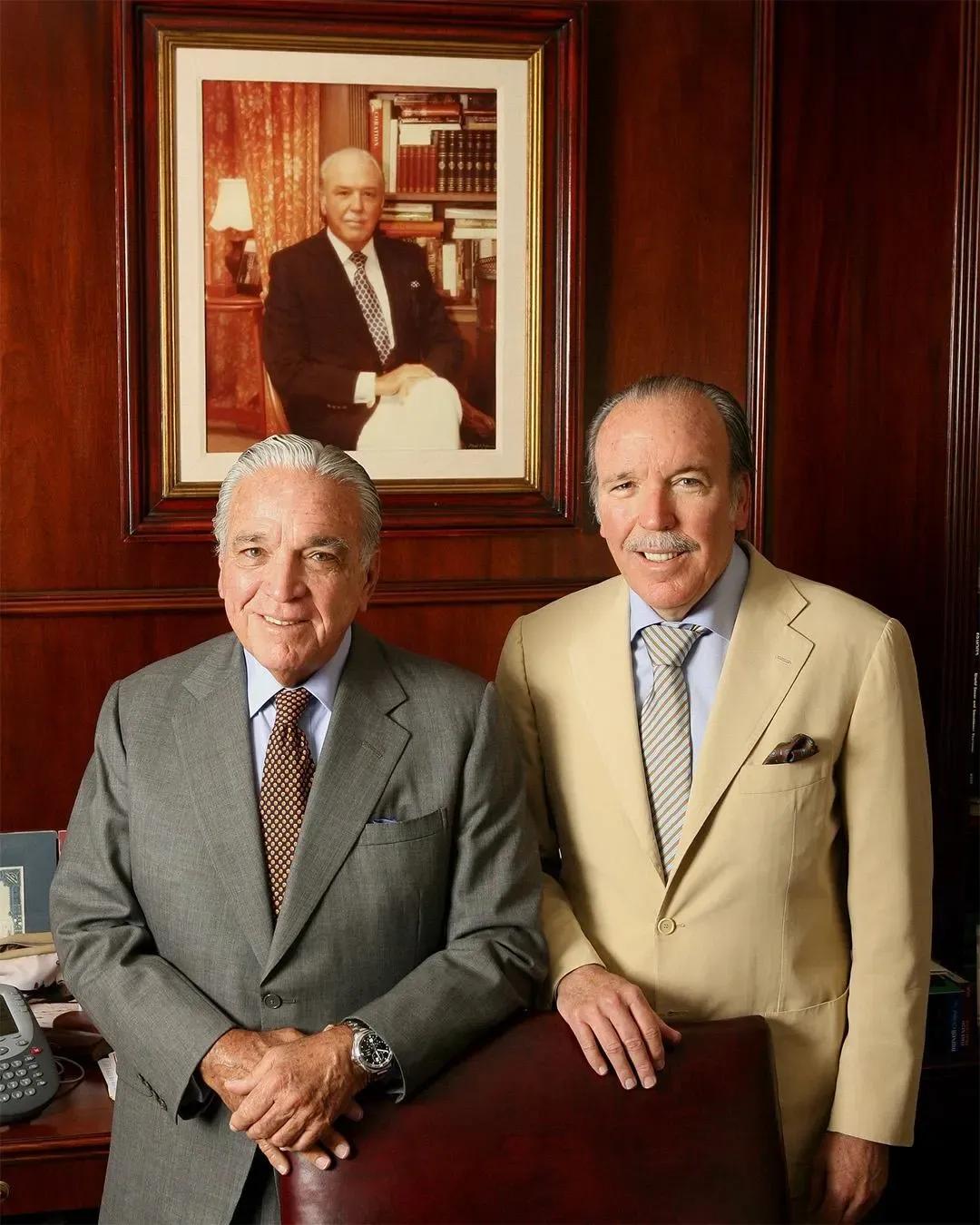
可口可乐新配方背后的赢家:揭秘与特朗普交往40年的糖业家族
3 6 Ke· 2025-10-27 11:39
Core Insights - The Fanjul family, with an estimated net worth of $4 billion, has been actively engaging with political figures for decades, with their most successful bet being on the Trump administration, which imposed tariffs on foreign competitors and encouraged Coca-Cola to use domestic cane sugar [2][3][4]. Group 1: Fanjul Family and Coca-Cola - The Fanjul family has been working to secure Coca-Cola's business, especially after Trump mentioned the benefits of cane sugar in a conversation with Coca-Cola's CEO [3][4]. - Coca-Cola is set to launch a new product line using American cane sugar, with the Fanjul family expected to play a significant role in the supply chain [4][5]. - The Fanjul family controls Florida Crystals, which produces 16% of the raw sugar in the U.S., and reported revenues of $5.5 billion in 2024 [5][4]. Group 2: Political Influence and Donations - The Fanjul family has donated over $7 million to Trump's fundraising committees since 2016 and has spent at least $24 million on political activities since 1977 [16]. - The family has historically supported both Democratic and Republican candidates, indicating a strategic approach to political influence [16]. - The U.S. government has maintained high sugar prices through market support and low-interest loans, benefiting the Fanjul family amid fluctuating global sugar prices [16][17]. Group 3: Business Operations and Controversies - The Fanjul family operates a vast empire in sugar and real estate, including Domino Sugar and Florida Crystals, and has faced criticism over environmental and labor practices [4][8]. - Central Romana, a major agricultural tourism enterprise in the Dominican Republic owned by the Fanjul family, has been accused of forced labor, but the family denies these allegations [13][14]. - The family has begun to emphasize sustainability in their operations, despite past criticisms regarding environmental impacts [8][9].