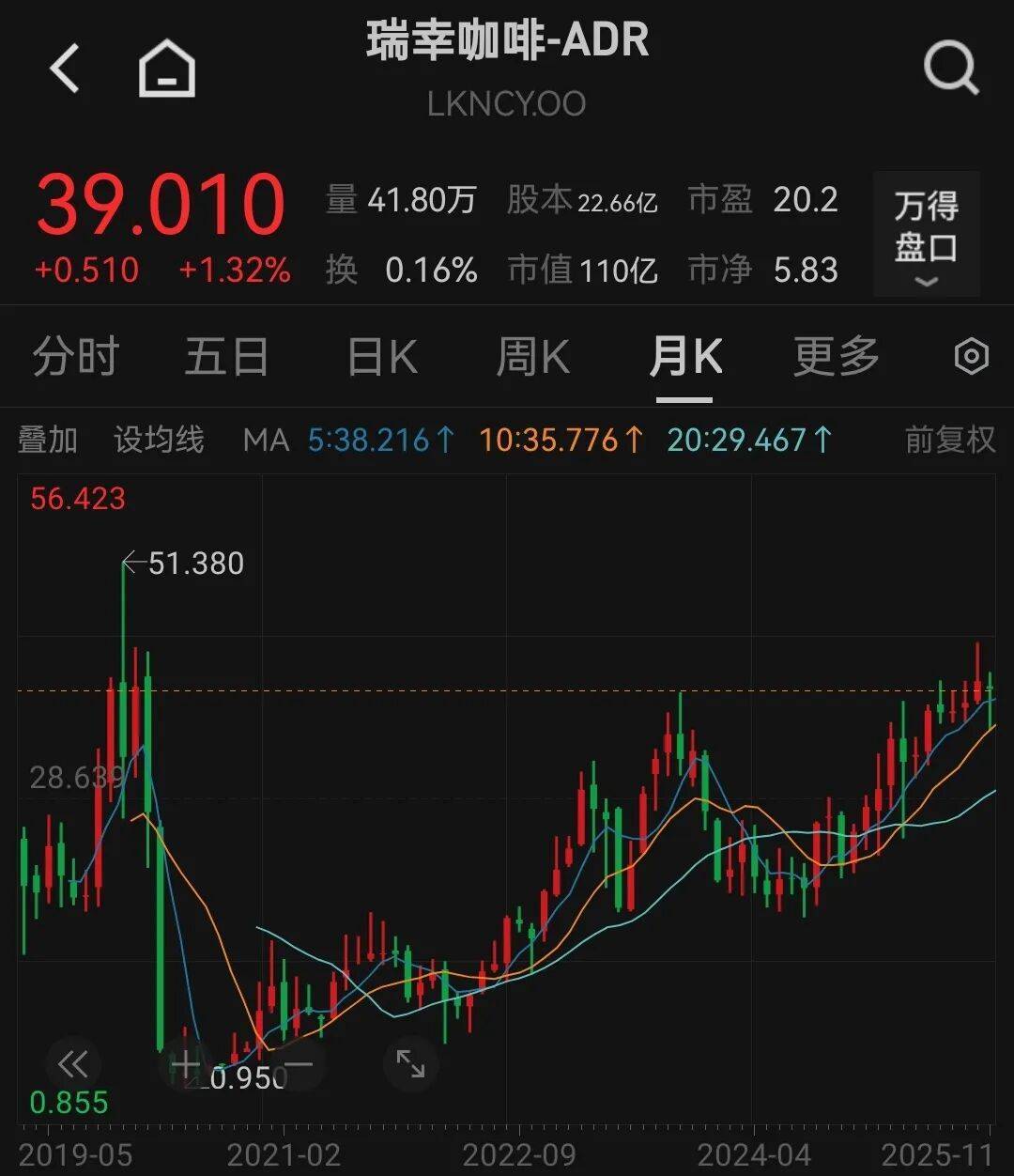
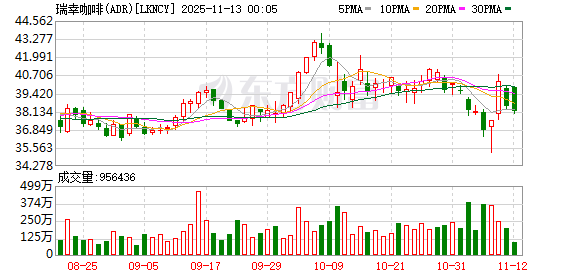
Luckin Coffee(LKNCY)
Search documents
2025福建民营企业100强:安踏第七,前六名营收均超过1000亿元
Sou Hu Cai Jing· 2025-10-03 09:25
Core Insights - The annual "Top 100 Private Enterprises in Fujian Province" reflects the development of the private economy in the province, with an entry threshold of 5.621 billion yuan, remaining stable compared to the previous year. The total revenue reached 241.973 billion yuan, a year-on-year increase of 3.0%, while total profits amounted to 17.2 billion yuan, also showing growth [1]. Financial Performance - The top 100 private enterprises contributed a total tax revenue of 63.6 billion yuan, increasing by 17.1%. They created employment for 973,000 people, up by 3.3%. Research and development investments by these enterprises reached 42.62 billion yuan, a year-on-year increase of 7.5%, with 71,000 R&D personnel, growing by 0.6% [1]. - There are 55 enterprises with revenues exceeding 10 billion yuan, an increase of 2 from the previous year. Notable companies include Fuyao Glass, Luckin Coffee, and Dali Foods [5]. Industry Distribution - The second industry comprises 66 enterprises with total revenue of 185.26 billion yuan and profits of 15.83 billion yuan, employing over 670,000 people. The third industry includes 34 enterprises with total revenue of 56.71 billion yuan, employing over 290,000 people. Manufacturing dominates, with the top ten companies holding nine positions [3]. - The electronic information industry saw a revenue growth of 33.38%, while the metallurgy and building materials sector experienced a profit increase of 46.4% [3]. Regional Distribution - Fuzhou leads with 36 enterprises on the list, generating total revenue of 967.01 billion yuan, accounting for 40% of the total revenue of the top 100. Xiamen follows with 27 enterprises, Quanzhou with 19, and other cities contributing fewer [3]. Notable Companies - Six companies have entered the "billion-dollar club," with notable revenue growth: Zhongjing Petrochemical (1.0963 billion yuan, +36.6%), Hengshen Group (1.0687 billion yuan, +22.5%), and Yongrong Group (1.0273 billion yuan, +24.2%) [7]. - Ningde Times continues to lead in multiple categories, achieving a revenue of 362.01 billion yuan, despite a year-on-year decrease of 9.7%. The company has served over 20.43 million vehicles and maintains the top position in global power battery installation for eight consecutive years [10]. Rankings - The top three companies remain unchanged: Ningde Times, Qingtuo Group, and Fujian Dadonghai Group, with revenues of 362.01 billion yuan, 143.7 billion yuan, and 122.05 billion yuan respectively [11].
别再“卷”价格了,中餐出海真正的护城河是合规
Hu Xiu· 2025-09-27 12:16
Core Viewpoint - The article discusses the current state and future potential of Chinese cuisine brands going global, emphasizing the importance of legal compliance and strategic planning in the process of international expansion [1][2]. Group 1: Legal Compliance - Legal compliance has become a critical factor for Chinese restaurants expanding overseas, with various legal challenges identified, including intellectual property, overseas investment, taxation, supply chain, labor, store qualifications, data security, and marketing [3][4]. - The first step for Chinese restaurants going abroad is to secure their intellectual property rights, as many brands face issues due to lack of prior planning and registration [5][6]. - Each country has its own trademark registration process, which can take from a few months to several years, necessitating early planning for trademark protection [6][7]. Group 2: Franchise Model - Currently, 80% of Chinese restaurant brands expanding internationally are using the franchise model, which is recommended due to its low cost, high efficiency, and minimal political risk [16][17]. - The franchise model serves as a cultural export vehicle, allowing for the dissemination of Chinese culinary culture without the complexities associated with technology or national security [18][19]. - Legal barriers for franchising are relatively low, as many countries have harmonized their commercial laws, making it easier for brands to operate internationally [20][21]. Group 3: Compliance Risks - Common compliance risks for Chinese brands in international franchising include non-compliance with franchise qualifications and contracts, often due to inadequate legal preparation [27][28]. - Non-compliance can lead to severe consequences, including civil liabilities, administrative penalties, and potential criminal charges in some jurisdictions [34][35]. - Countries like Malaysia and the U.S. have specific legal requirements for franchising that must be adhered to, including trademark registration and disclosure obligations [36][37]. Group 4: Strategic Recommendations - Companies are advised to conduct thorough legal risk assessments and compliance research before entering foreign markets, focusing on intellectual property, franchising, and overseas investment [47]. - The article emphasizes the need for a proactive approach to compliance, suggesting that brands should not rely on last-minute preparations [48][52]. - It is crucial for brands to maintain a cooperative spirit in international markets, avoiding competitive sabotage that could harm the overall image of Chinese cuisine abroad [54][56].
茶饮企业加入咖啡价格战 咖啡企业奶茶化 9块9或成生死线
Nan Fang Du Shi Bao· 2025-09-25 14:10
Core Viewpoint - The Chinese coffee market is undergoing a significant "value deconstruction," with prices being driven down to as low as 4.9 yuan, transforming coffee from a luxury item into an accessible consumer good [1][6][28] Group 1: Market Dynamics - Luckin Coffee and Kudi initiated a price war by normalizing the 9.9 yuan coffee price, which has now been further undercut by tea brands like Cha Bai Dao and Gu Ming, bringing prices down to 6.9 yuan and 4.9 yuan [1][3][6] - The coffee market is expanding under the influence of low prices, leading to a bifurcation between affordable and premium offerings [1][7] - The shift in consumer behavior has moved from "going out for coffee" to "picking up coffee on the way," indicating a change in consumption scenarios [6][28] Group 2: Competitive Landscape - Tea brands are entering the coffee market, leveraging their existing customer base and aiming for increased sales, with Gu Ming reporting a 10% average sales increase after introducing coffee [3][5] - The ongoing "subsidy war" in the delivery sector is further driving down prices, making coffee more appealing to consumers who are already purchasing tea [5][28] Group 3: Profitability Concerns - The price war raises questions about profitability, as the cost of quality coffee beans often exceeds the selling price, leading to concerns about how companies can sustain profits [10][14] - Kudi's coffee cost structure indicates that selling coffee at 9.9 yuan may not cover costs unless sales volumes are sufficiently high, suggesting a reliance on scale for profitability [11][14] - Despite the price pressures, major brands like Luckin and Kudi continue to report significant revenues, although their profit margins are under strain due to aggressive pricing strategies [27][28] Group 4: Future Trends - The coffee market is likely to see a split between low-cost, high-frequency consumption brands and premium, experience-focused independent cafes [28][29] - Consumer perceptions are also diverging, with some viewing coffee as a daily necessity while others still value the premium experience associated with high-end coffee [29]
谁能想到:一杯奶茶的尽头竞是地方的“土特产”
东京烘焙职业人· 2025-09-25 08:33
Core Viewpoint - The article discusses the emerging trend in the tea beverage industry where brands are focusing on local ingredients and cultural narratives to differentiate themselves in a saturated market, emphasizing the importance of regional elements as a driving force for innovation and consumer engagement [5][6][87]. Group 1: Ingredient Innovation - The primary path for brands to tap into local growth is through the deep exploration and innovative application of regional ingredients, with many leading brands already starting to leverage local food sources [7]. - Qingdao's "Chase Colorful Season" used clam broth as a tea base, achieving nearly 10 million views online in just ten days [9]. - Heytea has introduced products using local ingredients from Yunnan, such as wood ginger and papaya, creating unique flavor profiles [11][12]. - Other brands like Naixue and Luckin Coffee are also exploring local ingredients, with Naixue's "West Yunnan Tree Tomato" drink quickly becoming a top seller [15][17]. Group 2: Cultural Storytelling - The second core path is the localization of cultural IP narratives, allowing brands to connect emotionally with consumers [27]. - Brands like Tea Talk integrate local culture into their product development and marketing, creating a unique identity that resonates with consumers [28][30]. - Bawang Chaji has successfully incorporated local cultural symbols into their product offerings, enhancing emotional connections with consumers [34][46]. Group 3: Supply Chain Optimization - The third core path involves the localization and efficiency enhancement of supply chains, which is crucial for building competitive barriers in a crowded market [47]. - Brands are establishing long-term partnerships with local farmers and cooperatives to ensure stable supply and quality control [51][52]. - Companies like Mixue Ice City are leveraging global procurement networks to reduce costs while maintaining quality [54]. Group 4: Experiential Retail - The fourth core path focuses on creating immersive store experiences that serve as emotional touchpoints for consumers [62]. - Brands are investing in unique store designs that reflect local culture, attracting both tourists and locals [63][64]. - For instance, Bawang Chaji's stores feature cultural elements that transform beverage purchases into cultural experiences [65][66]. Group 5: Health and Wellness - The fifth strategy is the integration of local health wisdom into product offerings, creating health-oriented beverages that resonate with regional consumers [75]. - Brands are developing products that combine local ingredients with traditional health concepts, such as using Ningxia goji berries in innovative drinks [80][81]. - The focus on health and wellness is evident in products that emphasize nutritional benefits, appealing to health-conscious consumers [82][83]. Conclusion - The competition in the tea beverage market has evolved beyond taste to a deeper engagement with local culture and ingredients, indicating a shift towards a "deep customization" strategy based on regional characteristics [86][87].
争议营销背后,瑞幸Q2净营收增长47.1%
Sou Hu Cai Jing· 2025-09-25 06:36
Core Insights - Luckin Coffee has reported impressive financial results for Q2 2025, with net revenue reaching approximately 12.4 billion yuan, a year-on-year increase of 47.1% [1][4] - The controversy surrounding the advertising campaign has sparked significant public debate, overshadowing the company's strong performance metrics [2][3] Financial Performance - The net revenue for Q2 2025 was 12.36 billion yuan, marking a substantial growth rate that exceeds the industry average [4] - Same-store sales have rebounded strongly, increasing from 8.1% in Q1 to 13.4% in Q2, reversing a decline of 20.9% in the same period last year [4] - The company opened 2,109 new stores in Q2, bringing the total number of stores to 26,206, averaging about 23 new stores per day [4] - GAAP operating profit reached 1.7 billion yuan, a 61.8% increase, with the operating profit margin rising from 12.5% to 13.8% [4] - Non-GAAP operating profit was 1.85 billion yuan, with a profit margin expanding to 15.0% [4] User Engagement - Monthly active customers reached a record high of 91.7 million, a year-on-year increase of 31.6%, indicating that over 60% of the Chinese population has engaged with the brand [5] - Despite a 45% increase in operating expenses to 10.66 billion yuan, the proportion of expenses relative to net revenue decreased from 87.5% to 86.2% [5] Marketing Strategy - The controversy surrounding the advertising campaign has drawn significant attention, which may have inadvertently benefited the company's visibility and engagement [5][7] - Marketing expenses for Q2 were relatively restrained at 590 million yuan, accounting for 4.8% of total revenue, down from 5.1% [5] - The company has adopted a cautious approach to international expansion, opening 24 overseas stores in Q2, including 6 in Singapore and 16 in Malaysia [5] Cash Flow and Financial Health - As of June 30, the company had cash and cash equivalents totaling 8.17 billion yuan, a 37.7% increase from the beginning of the year, providing strong support for ongoing expansion [6] Brand Controversies - The recent advertising controversy is not an isolated incident; Luckin Coffee has faced multiple marketing challenges over the past two years, indicating a pattern of leveraging controversial topics for visibility [7] - The marketing risks are primarily associated with sensitivity to social values, particularly regarding gender issues, and the authenticity of promotional claims [7] - While the strategy of generating buzz through controversy may yield short-term benefits, it poses potential long-term risks to brand image and consumer perception [7]
咖啡,8月开店3904家
3 6 Ke· 2025-09-25 03:13
Core Insights - In August, 27 tracked chain coffee brands opened a total of 3,904 new stores, representing a month-on-month increase of 8.81% and a year-on-year growth of 215.6% [1][3] - The total number of coffee stores surpassed 70,000, reaching 70,311, with a net increase of 3,853 stores month-on-month, reflecting a growth rate of 5.80% [1][3] - The market growth is highly concentrated among leading brands, with only six brands showing month-on-month growth [1][4] Brand Performance - Luckin Coffee opened 926 new stores in August, achieving a year-on-year growth of 190.28%, with a total of 27,814 existing stores [3][4] - Kudiz Coffee and Lucky Coffee also showed significant growth, with new store openings of 1,506 and 1,012 respectively, marking year-on-year increases of 288.14% and 820% [3][4] - Starbucks, despite opening 52 new stores, experienced a year-on-year decline of 47.47%, indicating challenges in maintaining growth [3][4] Market Dynamics - The market is witnessing a "Matthew Effect," where leading brands like Luckin Coffee dominate with 39.5% of total stores, creating significant barriers to entry for smaller brands [4][6] - Brands like Kenyue Coffee and NOWWA Coffee are in the second tier, each opening over 100 new stores, but showing a decline compared to July [4][6] - Nine brands did not open any new stores in August, highlighting the competitive pressures faced by mid-tier and smaller brands [4][6] Product Innovation - A total of 81 new SKUs were launched across the 27 brands, with Luckin and Starbucks each introducing 11 new products [6][8] - Brands are increasingly focusing on health-oriented products, with Kudiz Coffee and NOWWA Coffee introducing healthier options to align with consumer trends [9] - Collaborative marketing efforts were prominent, with 14 partnerships occurring in August, maintaining the same level as July [9] Conclusion - The coffee market is characterized by rapid expansion among leading brands, significant product innovation, and a growing emphasis on health and collaboration, indicating a dynamic and competitive landscape [1][4][9]
业内人士称瑞幸靠争议广告博流量
Xin Lang Cai Jing· 2025-09-25 01:56
Core Viewpoint - Luckin Coffee's recent controversial advertisement has sparked significant public attention, suggesting that the company may be leveraging controversy for marketing purposes rather than focusing solely on product sales [1] Group 1: Controversy and Marketing Strategy - The advertisement featuring the phrase "as long as there is gravity, she will fall" has been criticized for objectifying women by personifying an apple as female [1] - Industry insiders believe that the controversy may not be accidental, as Luckin's profits are not solely derived from coffee sales, but rather from stock market performance [1] - Despite the backlash, a portion of consumers still appreciates the brand for its affordability, indicating a mixed reception [1] Group 2: Financial Metrics - Luckin's marketing expenses in the second quarter were reported at 590 million yuan, which represents a decrease in the proportion of total revenue from 5.1% to 4.8% [1] - The controversy surrounding the advertisement has generated social attention that far exceeds the company's marketing investment, suggesting effective engagement from a marketing perspective [1]
过去十年,哪些“超级奶茶”封神了?
3 6 Ke· 2025-09-25 00:52
Core Insights - The article discusses the evolution of the new tea beverage industry over the past decade, highlighting significant product innovations and trends that have shaped consumer preferences [2][3]. Industry Evolution - The new tea beverage industry has experienced a "golden decade" from 2015 to 2025, marked by the emergence of "super milk teas" and innovative product offerings [2][4]. - Key products that defined this period include cheese milk cap tea, fresh fruit tea, and various unique flavors that have captured market attention [4][6]. Major Trends and Innovations - 2016 saw the rise of cheese milk cap tea, with brands like Heytea and Naixue introducing fresh fruit tea combinations, which became a hallmark of the new tea beverage era [4][6]. - The introduction of brown sugar drinks in 2017, such as the "dirty tea" from brands like Dujiaoxiang, created a new market segment and led to widespread popularity [8][10]. - By 2018, the market witnessed a surge in niche products, with brands like Shuyi and Hushang Ayi focusing on unique ingredients like grass jelly and red bean milk tea, leading to rapid expansion [14][16]. Product Highlights - Notable products from 2019 to 2020 included the introduction of creamy toppings and the "eight-treasure porridge" style drinks, which redefined consumer expectations for beverage complexity [19][21]. - The trend of using lesser-known fruits in beverages gained traction in 2021, with products like oil citrus and yellow skin fruit becoming popular, showcasing a shift towards unique flavor profiles [21][24]. - The introduction of health-focused beverages in 2023, such as light milk tea and avocado yogurt smoothies, reflects changing consumer preferences towards healthier options [29][31]. Future Outlook - By 2025, the industry is expected to continue evolving towards richer flavors and healthier options, with products like mint milk green tea and Thai salted yogurt gaining popularity [33][35]. - The article emphasizes that despite market saturation, true product innovation and quality will drive the industry's future growth, highlighting the importance of continuous improvement in ingredients and flavor profiles [35].
国际手语日,瑞幸这批“无声门店”迎来10位特殊的咖啡师
Zhong Guo Xin Wen Wang· 2025-09-23 08:11
Core Viewpoint - Luckin Coffee is actively promoting the integration of disabled individuals into the workforce, exemplified by their collaboration with the Chengdu Disabled Persons' Federation on International Sign Language Day, showcasing their commitment to social responsibility and inclusivity [1][2]. Group 1: Company Initiatives - Luckin Coffee has launched the "Tao Hua" project, which aims to provide fair employment opportunities for disabled individuals, having already assisted 10 individuals in securing jobs [1][2]. - The company has committed to the "Tao Hua Convention," which will be officially launched on January 1, 2025, advocating for an accessible environment for disabled individuals [1]. - Luckin Coffee has been recognized as a leading employer in the ESG sector, winning the title of "China's Best ESG Employer" for 2023 and 2024, and receiving the "2025 Outstanding Employer" certification from the Top Employers Institute [2]. Group 2: Social Impact - There are approximately 27 million hearing-impaired individuals in China, and Luckin Coffee aims to provide them with a nurturing environment that offers equal learning and employment opportunities [2]. - The "Tao Hua" project is expected to expand to more cities, creating additional employment channels for disabled individuals and fostering their integration into society [2][3]. - The company's mission is to create job opportunities and provide warmth and strength to disabled individuals, with the hope that more social forces will join in supporting fair employment opportunities [3].
每日投资策略-20250923
Zhao Yin Guo Ji· 2025-09-23 02:29
Global Market Overview - The Hang Seng Index closed at 26,344, down 0.76% for the day but up 31.33% year-to-date [1] - The S&P 500 and Nasdaq in the US saw increases of 0.44% and 0.70% respectively, with year-to-date gains of 13.81% and 18.01% [1] - The Shanghai Composite Index rose by 0.22%, reflecting a year-to-date increase of 14.23% [1] Sector Performance - In the Hong Kong market, the Hang Seng Financial Index fell by 0.85%, while the Hang Seng Industrial and Commercial Index decreased by 0.68% [2] - The Hang Seng Property Index dropped by 1.25%, indicating a year-to-date increase of 23.48% [2] - The energy and consumer staples sectors in the Chinese stock market experienced declines, while materials, healthcare, and information technology sectors saw gains [3] Monetary Policy and Economic Outlook - The People's Bank of China is expected to continue a loose monetary policy, with potential reserve requirement ratio cuts of 50 basis points and interest rate cuts of 10 basis points in Q4 [3] - The steel industry in China will implement capacity controls, prohibiting new capacity additions from 2025 to 2026, with an expected annual growth of around 4% in value added [3] Company Focus - Geely Automobile (175 HK) is rated as a buy with a target price of 25.00, representing a 34% upside potential [4] - Luckin Coffee (LKNCY US) is also rated as a buy, with a target price of 44.95, indicating a 20% upside [4] - Tencent (700 HK) has a target price of 705.00, suggesting a 10% upside potential [4] Technology Sector Insights - Nvidia plans to invest $100 billion to support OpenAI in building a 10GW data center, leading to a nearly 4% increase in its stock price [3] - The semiconductor sector is highlighted with companies like Horizon Robotics (9660 HK) and North Huachuang (002371 CH) rated as buy, with target prices indicating significant upside potential [4] Investment Opportunities - The report identifies several companies with strong growth potential, including BYD Electronics (285 HK) and Salesforce (CRM US), both rated as buy with substantial upside targets [4] - The healthcare sector is represented by companies like BeiGene (ONC US) and 3SBio (1530 HK), both rated as buy, indicating confidence in their future performance [4]