Luckin Coffee(LKNCY)

Search documents
平安银行瑞幸联名信用卡上市 打造年轻人的“咖啡自由卡”
Nan Fang Du Shi Bao· 2025-12-30 23:11
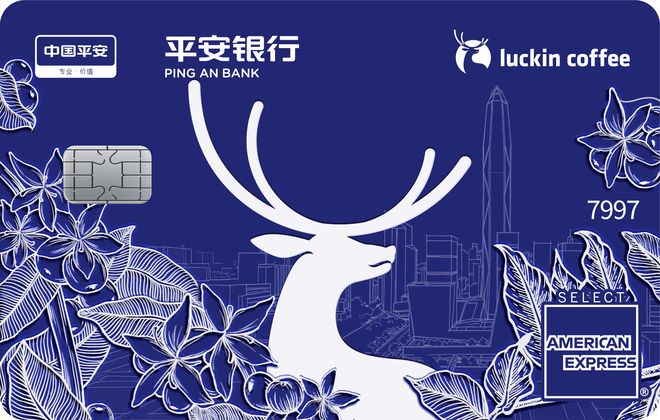
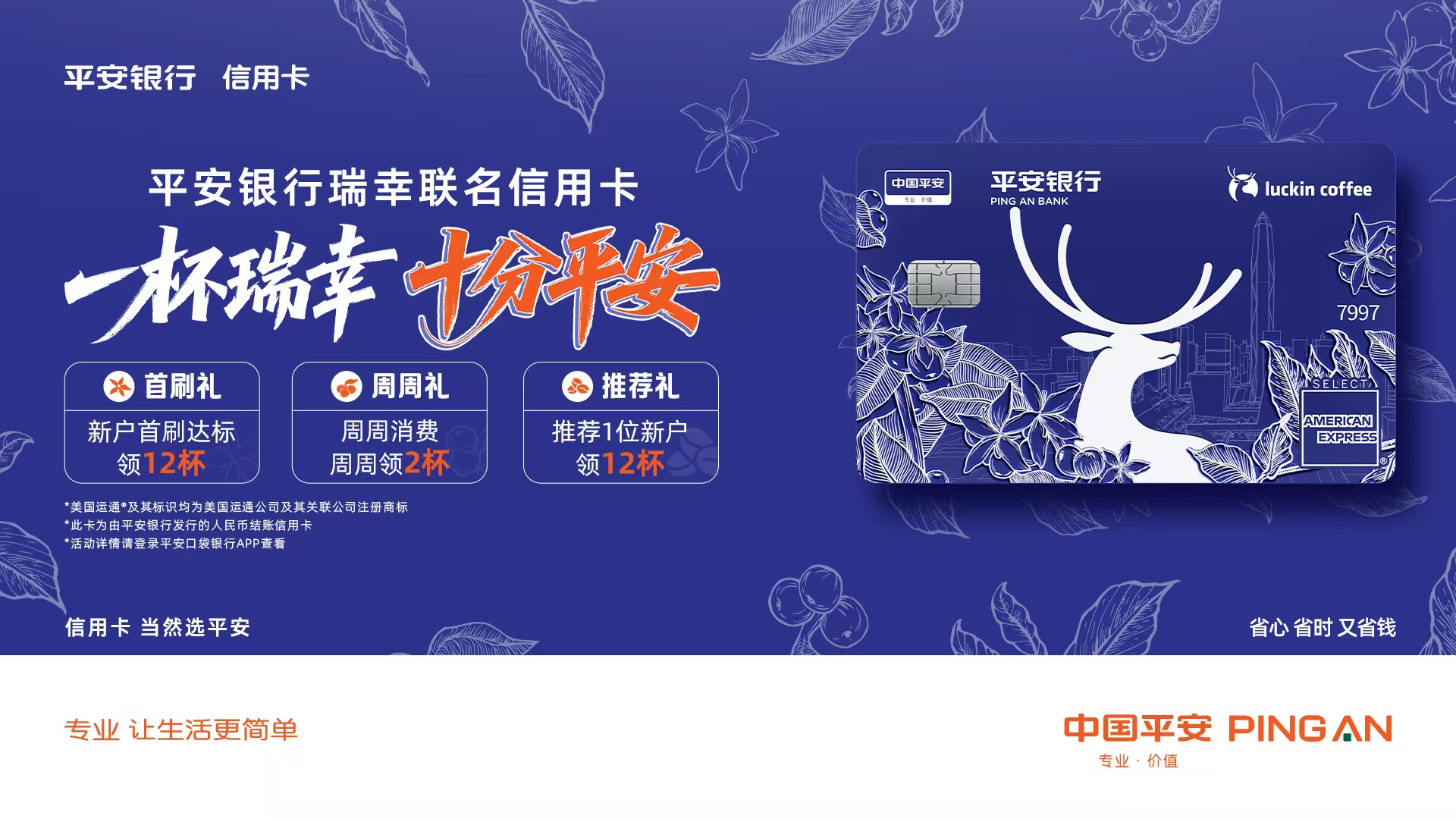
Core Viewpoint - Ping An Bank has launched a co-branded credit card with Luckin Coffee, emphasizing a connection through coffee and targeting young consumers with appealing benefits and design [2][3][4]. Group 1: Card Design and Features - The card features a fresh and dynamic illustration style, primarily in Luckin blue, symbolizing the blend of nature and urban life [2]. - The card's craftsmanship includes UV relief technology for a tactile experience and elegant textures, making it not just a payment tool but a fashionable item [2]. Group 2: Customer Benefits and Promotions - The card offers a first-year fee waiver and additional benefits for meeting spending criteria, including 12 cups of coffee for new users who complete specific transactions [3]. - Users can earn weekly rewards by meeting spending thresholds, with opportunities to invite friends for additional rewards [3]. Group 3: Value-Added Services - The card provides comprehensive services, including 72-hour fraud protection, 1 million yuan transportation accident coverage, and free AI consultations [4]. - Cardholders can enjoy exclusive benefits from American Express, such as dining promotions and cashback on overseas spending [4]. Group 4: Target Market Strategy - Ping An Bank is focusing on young consumers by aligning its offerings with their lifestyle and emotional needs, utilizing various themes in its products [4]. - The collaboration with Luckin Coffee is part of a strategic initiative to enhance engagement with young customers and create a supportive service ecosystem [4].



Beijing-based Luckin Coffee eyes Starbucks' shuttered NYC stores — as even more could be closing: sources
New York Post· 2025-12-30 18:31
Core Insights - Starbucks is planning to close five more stores in New York City, continuing a trend that began in the fall, with rival Luckin Coffee eyeing these locations for potential expansion [1][5][6] - The closures are attributed to leases not being renewed, following a significant reduction of 34 stores in September due to six consecutive quarters of declining sales [2][5][15] - Luckin Coffee has opened nine stores in NYC within seven months and is actively negotiating for more locations, potentially quadrupling its presence in the city [5][6][13] Company Actions - Starbucks has closed a total of 42 stores in New York City over the year, marking the highest number of closures among chain retailers in the US [12][15] - The company is undergoing a $1 billion restructuring plan, which includes closing 400 stores nationwide and laying off 900 corporate staff [15] - Starbucks is focusing on reopening select locations, such as a shop at 1585 Broadway, but no new openings are planned beyond this [9] Market Dynamics - The abrupt closures of Starbucks stores have significantly impacted the real estate market, as the chain was previously considered a desirable tenant [11][12] - The closures reflect a broader trend where Starbucks has reduced its NYC store count by about 20% since 2019, from 351 to 286 stores [15] - The shift in consumer behavior post-COVID, with fewer customers visiting stores regularly, has contributed to the decline in profitability for many locations [16]


金融+咖啡:平安银行信用卡与瑞幸共拓年轻生态新场景
Di Yi Cai Jing· 2025-12-30 09:20
Core Viewpoint - Ping An Bank has launched a co-branded credit card with Luckin Coffee, emphasizing a connection through coffee and targeting young consumers with a message of warmth and companionship during winter [1] Design and Aesthetics - The card features an eye-catching design with a fresh and dynamic illustration style, primarily in Luckin's blue color, depicting a lively scene of a deer in front of the Ping An Financial Center, symbolizing the blend of nature and urban life [3] - The card's craftsmanship highlights details and quality, with a UV relief technique that enhances the deer’s image and a matte relief for coffee flower and leaf elements, making it not just a payment tool but a fashionable item that embodies brand spirit and lifestyle aesthetics [3] Customer Benefits and Promotions - The credit card offers a range of benefits tailored to the consumption habits of young professionals, including a first-year fee waiver and various promotional offers from December 29, 2025, to March 31, 2026 [5] - New cardholders can receive 12 cups of coffee as a welcome gift by completing specific spending criteria, and there are weekly rewards for continued spending, allowing users to earn additional coffee vouchers [5] - Existing cardholders can earn rewards by referring friends to apply for the card, with the potential to earn up to 360 coffee vouchers through successful referrals [5] Value-Added Services - This co-branded card is the first product following the upgrade of Ping An Bank's five basic protections, offering comprehensive value-added services such as 72-hour fraud liability protection, 1 million yuan transportation accident coverage, and 12 free AI consultations [6] - Cardholders also benefit from exclusive perks through American Express, including buy-one-get-one-free offers at star-rated hotels and 50% off afternoon tea [6] Targeting Young Consumers - Ping An Bank has been focusing on young consumers, launching various themed products that resonate with their lifestyle and emotional needs, and the collaboration with Luckin Coffee is a strategic innovation to deepen engagement with this demographic [7] - The co-branded product effectively addresses high-frequency consumption scenarios for target users, providing tangible care and value while establishing a deeper emotional connection with young consumers [7] - Future collaborations with Luckin Coffee will leverage American Express's premium benefits and cross-border resources to create a service ecosystem that caters to the diverse lifestyles of young people, enhancing their consumption experience [7]
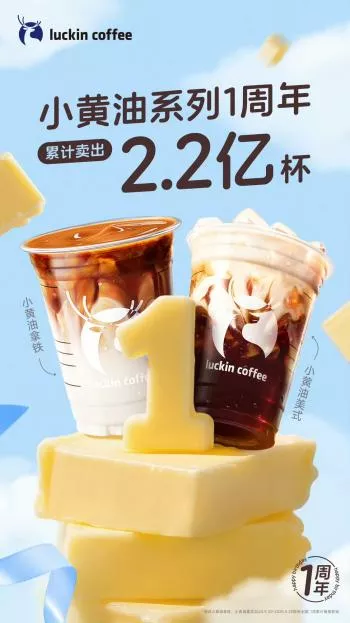
咖啡赛道潮向标杆!瑞幸小黄油拿铁荣获财经网“年度爆款咖啡单品”殊荣
Cai Jing Wang· 2025-12-29 10:49
Core Insights - Luckin Coffee's new product, the "Little Yellow Butter Latte," has successfully captured market attention due to its innovative flavor and clean formulation, aligning with the health-conscious trends of younger consumers [1][2] - The product has achieved the highest repurchase rate among new offerings in 2024, indicating strong consumer demand and satisfaction [1] - The "Little Yellow Butter Latte" was awarded "Annual Best-Selling Coffee Product" in the 2025 New Consumption and New Economy Awards, highlighting its market resonance and quality [1][4] Product Innovation - The "Little Yellow Butter Latte" combines the rich aroma of butter, creamy milk, and coffee, creating a unique flavor profile that appeals to the desire for individual expression and taste experiences among young consumers [1] - The product is developed using a digital research and development system, ensuring it is free from trans fats, artificial sweeteners, and other undesirable ingredients, thus meeting the growing health consumption demands [1] Market Impact - The success of the "Little Yellow Butter Latte" not only generates commercial value but also serves as a model for innovation in the coffee industry, driving industry upgrades and providing insights into consumer trends [2] - Luckin Coffee's commitment to quality, supported by a global sourcing strategy and a robust supply chain, enables the delivery of high-quality products and services to consumers [2] Brand Development - The product's emergence reflects the practice of "new trends and value co-existence," showcasing Luckin Coffee's dedication to understanding user needs and capturing consumption trends [4] - By continuously innovating and developing new products, Luckin Coffee contributes to the healthy development of the new consumption ecosystem and injects sustained momentum into the industry [4]
这些消费者去奶茶店、咖啡店的理由,没想到是……
东京烘焙职业人· 2025-12-28 08:33
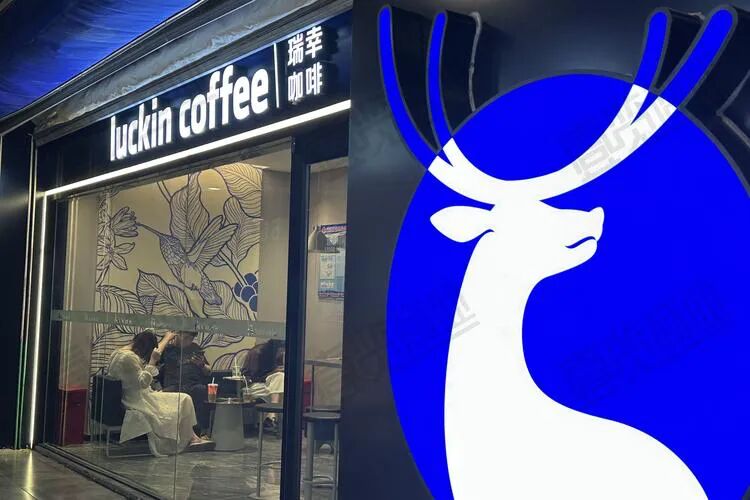
Core Viewpoint - The rise of "Instagrammable" spaces in beverage shops, particularly in tea and coffee stores, is becoming a significant factor in attracting customers, as seen in the popularity of Luckin Coffee's store in Pizhou, which gained attention for its aesthetic appeal rather than product promotions [2][4]. Group 1: Thematic Stores and Consumer Experience - Beverage brands are increasingly focused on creating "thematic stores" and "third spaces" that enhance the consumer experience beyond just the drinks offered [5][7]. - For instance, Heytea's new store in Huizhou features minimalist design elements that provide a serene environment, appealing to consumers seeking relaxation [5]. - The design evolution of brands like Guming Coffee reflects a continuous exploration of consumer scenarios and sensory experiences, with their sixth-generation store showcasing this trend [7]. Group 2: Independent Cafés and Atmosphere - Independent coffee shops excel at creating narrative atmospheres, using simple elements like lighting and decor to evoke specific feelings and experiences [11]. - Examples include a retro café in Shanghai that uses a sunset lamp to create a sought-after "dusk warmth" ambiance, and a Chengdu café that offers a laid-back vibe with natural elements like trees and bamboo chairs [11][13]. - The value of a café or tea shop often extends beyond the beverages served, as the overall experience and atmosphere contribute significantly to customer satisfaction and memory [13].
瑞幸“入侵”岗亭、地铁闸机旁!成打工人“9.9元收费站”?
东京烘焙职业人· 2025-12-27 08:33
Core Viewpoint - The article discusses the innovative strategies employed by coffee brands, particularly Luckin Coffee, to expand their market presence by opening stores in unconventional locations, thereby transforming consumer access to coffee and enhancing convenience [2][12][39]. Group 1: Innovative Store Locations - Luckin Coffee has transformed a security booth in a Zhejiang industrial park into a mini coffee shop, attracting attention on social media for its unique positioning [5][8]. - The coffee brand is strategically placing stores in high-traffic areas such as subway stations and train stations, allowing customers to order coffee conveniently during their daily commutes [18][19]. - The trend of coffee brands occupying unexpected spaces, such as newspaper kiosks and public transport stations, signifies a shift in retail strategy from waiting for customers to come to actively reaching out to them [17][41]. Group 2: Creative Store Transformations - Coffee shops are being creatively integrated into existing structures, such as transforming newspaper kiosks into coffee outlets, which blend nostalgia with modern convenience [24][25]. - The article highlights various examples of coffee shops located in unusual settings, including temples and public parks, which create a unique consumer experience [28][30]. - The innovative use of space not only expands the physical boundaries of coffee shops but also enhances their visibility and accessibility to consumers [20][23]. Group 3: Collaborative Business Models - The article notes that some coffee brands are adopting a "store within a store" model, partnering with convenience stores and internet cafes to increase operational efficiency and expand their footprint [33][34]. - Nova Coffee, for instance, has successfully integrated its offerings into major convenience store chains, achieving significant growth with over 10,000 locations [35][36]. - This collaborative approach allows coffee brands to penetrate deeper into retail networks, making coffee more accessible to consumers [38][40].
瑞幸+茅台,龙年没火起来
Ge Long Hui· 2025-12-26 17:52
Core Insights - The new collaboration product "Sauce Aroma Chocolate" from Luckin Coffee and Kweichow Moutai has not replicated the success of the previous "Sauce Aroma Latte" [2][5] - The initial response to "Sauce Aroma Chocolate" has been lukewarm, with low sales and minimal social media buzz compared to the previous product launch [2][5][11] Product Launch and Sales Performance - "Sauce Aroma Chocolate" was launched on January 22, priced at 38 yuan per cup, but available for 18 yuan after discounts [2] - In contrast to the "Sauce Aroma Latte," which sold over 5.42 million cups and generated over 100 million yuan in sales on its first day, "Sauce Aroma Chocolate" did not sell out at stores and had low consumer awareness [5][10] - Consumers reported that the product remained available at multiple Luckin locations even hours after its launch [2][11] Consumer Reception and Market Trends - The initial excitement for "Sauce Aroma Latte" stemmed from its unique blend of Moutai liquor and coffee, appealing to a younger demographic who found it affordable compared to other Moutai products [10] - However, after the novelty wore off, many consumers expressed a lack of interest in repurchasing, which may explain the poor reception of the new chocolate product [10][11] - Luckin Coffee has been recognized as a "product explosion machine" in the coffee industry, but the challenge remains to maintain consumer interest with new offerings [3][16] Competitive Landscape - Luckin Coffee's pricing strategy is more affordable than Starbucks, allowing it to capture a significant market share [18] - The company faces increasing competition from both traditional coffee brands and emerging tea beverage brands that are also entering the coffee market [22][23] - The ongoing price war in the coffee sector has led to many brands offering coffee at lower prices, intensifying competition [25]
拟购蓝瓶咖啡:瑞幸的“高端化”
Xin Lang Cai Jing· 2025-12-26 12:21
Core Viewpoint - Luckin Coffee is considering acquiring Blue Bottle Coffee, a premium coffee brand owned by Nestlé, marking a significant potential merger between the "old king" Nestlé and the "new king" Luckin Coffee [1][13]. Group 1: Nestlé and Blue Bottle Coffee - Nestlé acquired a 68% stake in Blue Bottle Coffee for approximately $425 million in 2017, which was seen as a strategic move to embrace the "third wave" of specialty coffee [3][15]. - Over the past eight years, Blue Bottle has shifted from being a prized asset to a less valuable one for Nestlé, which reported nearly 740 billion RMB in annual revenue [3][15]. - The new CEO, Philippe Naefratil, has emphasized a growth strategy focused on internal growth rates and has raised critical questions regarding the attractiveness and positioning of Blue Bottle within Nestlé's portfolio [3][15]. Group 2: Blue Bottle's Market Position - Blue Bottle Coffee operates around 150 stores globally, with only 14 in mainland China, and its expansion has been nearly stagnant [5][17]. - The brand's commitment to a slow and artisanal coffee-making process contrasts sharply with Nestlé's focus on structured scale, making Blue Bottle a financial burden [5][17]. - Nestlé's growth is driven by its billion-dollar brands, while Blue Bottle's niche retail business contributes minimally and is misaligned with Nestlé's fast-moving consumer goods model [5][17]. Group 3: Luckin Coffee's Acquisition Intent - Luckin Coffee's potential acquisition of Blue Bottle is driven by a desire to elevate its brand perception from a budget option to a premium player in the coffee market [8][20]. - The acquisition could serve as a shortcut for Luckin to shed its "cheap drink" label and establish a presence in the high-end market, similar to how Anta leveraged acquisitions to build its brand matrix [8][20]. - Luckin's international expansion has been cautious, with only 108 overseas stores, making Blue Bottle's established presence in mature markets an attractive opportunity for global growth [8][20]. Group 4: Market Reactions and Concerns - Following the acquisition rumors, Luckin's stock price fell over 7%, indicating investor concerns about potential dilution of earnings [10][22]. - There is a fundamental cultural clash between Luckin's algorithm-driven operations and Blue Bottle's emphasis on artisanal craftsmanship, raising questions about the compatibility of their business models [10][22]. - Despite having approximately 9.4 billion RMB in cash, Luckin faces intense competition in the Chinese coffee market, with rising costs and price wars impacting profitability [10][22]. Group 5: Industry Trends - The potential merger is part of a broader trend in the global coffee industry, where major players are strategically divesting non-core assets while retaining valuable brand equity [12][24]. - This trend reflects a shift in the coffee value proposition, focusing on brand equity and intellectual property rather than the operational complexities of physical stores [12][24]. - The acquisition of Blue Bottle by Luckin symbolizes a clash of coffee philosophies and business models, highlighting the ongoing reevaluation of coffee's value in the market [12][24].
传瑞幸将收购蓝瓶咖啡,瑞幸未予置评
Xin Lang Cai Jing· 2025-12-26 09:25
Core Viewpoint - Luckin Coffee is considering acquiring Blue Bottle Coffee, which is owned by Nestlé, and is also evaluating other potential acquisition targets, including the China operations of % Arabica, backed by private equity firm PAG [1] Group 1: Acquisition Considerations - Luckin Coffee is in discussions regarding the acquisition of Blue Bottle Coffee [1] - The company, along with its investor Dazhong Capital, is assessing additional acquisition opportunities [1] Group 2: Background on Blue Bottle Coffee - Nestlé acquired approximately 68% of Blue Bottle Coffee for about $500 million in 2017 [1] - Blue Bottle Coffee entered the mainland China market in 2022, currently operating a total of 15 stores in Shanghai, Shenzhen, and Hangzhou [1] - There are plans for Blue Bottle Coffee to open a store in Beijing by 2026 [1]
2025民企大调研②:外卖大战没有赢家,应完善平台治理为餐饮商家“松绑”
3 6 Ke· 2025-12-26 00:24
Core Insights - The ongoing food delivery war has disrupted the operational rhythm of restaurants, leading to a significant decline in both efficiency and profit margins for dining establishments [1] - Major platforms like JD and Meituan have engaged in aggressive subsidies to stimulate order growth, resulting in a market share shift in the food delivery industry [1] - Despite increased order volumes, many restaurants are experiencing a situation of "growth without profit," as the cost of delivery has surged due to the competitive landscape [1][10] Group 1: Financial Performance of Major Companies - Meituan reported a revenue of 95.5 billion yuan for Q3 2025, a 2% year-on-year increase, but recorded a net loss of 18.6 billion yuan, marking its largest quarterly loss since its IPO in 2018 [2] - Alibaba's latest quarterly report indicated a surge in sales expenses by 34 billion yuan due to delivery subsidies, leading to a 52% year-on-year decline in net profit attributable to ordinary shareholders [2] - Luckin Coffee achieved a revenue increase of 50.2% year-on-year to 15.287 billion yuan in Q3 2025, but faced a 211% rise in delivery costs, resulting in a 2% decline in net profit [4] Group 2: Impact on Small and Medium-sized Restaurants - Small and medium-sized restaurants have lower bargaining power in the face of aggressive platform subsidies, leading to a significant drop in profits despite increased order volumes [4][5] - Fixed costs such as rent and labor remain unchanged, while prolonged delivery subsidies have led to a 20% decrease in average order value, creating a dilemma for restaurants between maintaining prices and attracting customers [4][5] - The financial strain on small businesses may hinder their ability to invest in new product development and service upgrades, potentially leading to a vicious cycle of declining profitability [5] Group 3: Industry Trends and Regulatory Responses - Research indicates that the food delivery war has resulted in a 7% average increase in total orders for merchants, but a 4% decrease in actual revenue [10] - The overall revenue of the restaurant industry in China for the first half of 2025 was approximately 2.75 trillion yuan, with a year-on-year growth rate of only 4.3%, reflecting a significant slowdown [10] - Industry associations have called for the regulation of irrational subsidies and the establishment of a healthier competitive environment, emphasizing the need for platforms to stop coercing merchants into price-cutting practices [11][15]