
PJSC LUKOIL(LUKOY)

Search documents
Oil prices surge 5% as US hits Russian firms Rosneft, Lukoil with sanctions
Yahoo Finance· 2025-10-23 15:18
Core Insights - Oil prices surged approximately 5% to a two-week high following U.S. sanctions on major Russian suppliers Rosneft and Lukoil due to the ongoing conflict in Ukraine [1] - The sanctions are expected to reduce the global oil supply, as Russia is the second-largest crude producer after the U.S. [1] Price Movements - Brent futures increased by $2.91, or 4.7%, reaching $65.50 per barrel, while U.S. West Texas Intermediate (WTI) crude rose by $2.89, or 4.9%, to $61.39 [2] - This rise positions Brent for its highest close since October 8 and WTI for its highest close since October 9 [2] - U.S. diesel futures also jumped over 5%, leading to the highest diesel crack spread since February 2024, indicating increased refining profit margins [2] Market Reactions - Chinese state oil majors have halted purchases of seaborne Russian oil from the sanctioned companies, contributing to the price increase [3] - Prices moderated slightly after the Kuwaiti oil minister indicated OPEC's readiness to offset any market shortages by reversing output cuts [3] Sanctions Impact - The U.S. sanctions will compel Chinese and Indian refineries, major consumers of Russian oil, to find alternative suppliers to avoid exclusion from the Western banking system [4] - The U.S. has signaled readiness for further actions and called for an immediate ceasefire in Ukraine [4] Additional Sanctions - The UK has already sanctioned Rosneft and Lukoil, while the EU has approved a 19th sanctions package against Russia, including a ban on Russian LNG imports [5] - The EU's sanctions list now includes two Chinese refiners with a combined capacity of 600,000 barrels per day and Chinaoil Hong Kong, a trading arm of PetroChina [5] Future Supply Dynamics - The effect of sanctions on oil markets will largely depend on India's response and whether Russia can find alternative buyers [6] - India has emerged as the largest buyer of discounted Russian crude since the onset of the conflict, but Indian refiners are expected to significantly reduce imports of Russian oil due to the new sanctions [6] Company Actions - Reliance Industries, the largest Indian buyer of Russian crude, is reportedly planning to reduce or completely halt imports of Russian oil [7] - There is skepticism in the market regarding whether U.S. sanctions will lead to a fundamental shift in supply and demand dynamics [7]
Factbox-The two Russian oil giants hit with US sanctions
Yahoo Finance· 2025-10-23 13:20
MOSCOW (Reuters) -The United States has imposed sanctions on Russia's largest oil companies, Lukoil and Rosneft, in Washington's toughest measures on Russian business since the start of the war in Ukraine. Here are some details about the two companies, which together account for around half of Russia's oil output: ROSNEFT * The company is led by Igor Sechin, a longtime ally of Russian President Vladimir Putin. * It produced some 3.7 million barrels per day (bpd) of oil and gas condensate in 2024, accou ...
Oil Jumps as Trump Steps Up Pressure on Russia With Sanctions
Yahoo Finance· 2025-10-23 13:15
Core Insights - The US has imposed sanctions on Russia's largest oil companies, Rosneft and Lukoil, leading to a significant increase in oil prices, with Brent crude rising over 5% to nearly $66 a barrel [1][3] - The sanctions are part of a broader strategy to exert pressure on Moscow, coinciding with a new package of EU sanctions targeting Russia's energy infrastructure [3] - Concerns are growing that India, a key buyer of Russian oil, may reduce its purchases, which could create a supply gap that China might need to fill [2][5] Group 1: Sanctions Impact - The latest US sanctions represent a significant escalation in efforts to pressure Russia, raising the risk of major disruptions to Russian crude production and exports [3] - The European Union has also intensified pressure on Russia with a full transaction ban on Rosneft and Gazprom Neft, contributing to rising prices in European diesel and US gasoline futures [3] Group 2: Market Dynamics - Despite the sanctions, global oil supply appears plentiful, with the International Energy Agency predicting a surplus of nearly 4 million barrels per day next year [4] - The oil market is currently showing signs of surplus, with record amounts of oil on tankers at sea, which may cushion the impact of the sanctions [4] Group 3: Regional Implications - India imports over a third of its oil from Russia, and rearranging these imports would be a significant challenge [5] - China's oil industry, which relies on Russian crude for up to 20% of its imports, is also feeling the effects of the sanctions [5][6] Group 4: Russia's Resilience - Russia has a history of circumventing sanctions, and its seaborne crude shipments recently reached a 29-month high despite ongoing restrictions [6] - The Rosneft-backed Indian refiner Nayara Energy may continue to serve as an outlet for Russian oil, indicating that the ultimate impact of the sanctions remains uncertain [6]
制裁!直线飙涨
Zhong Guo Ji Jin Bao· 2025-10-23 12:43
Core Points - International oil prices surged over 5% due to new sanctions on Russia, with Brent crude nearing $66 per barrel and WTI crude exceeding $61.7 per barrel [1][2] Group 1: Sanctions Overview - The European Union has officially implemented its 19th round of sanctions against Russia, focusing on energy and financial sectors, including a ban on Russian liquefied natural gas by 2027 and a price cap on Russian oil set at $47.6 per barrel [3] - The U.S. Treasury announced sanctions against two major Russian oil companies, Rosneft and Lukoil, due to Russia's lack of commitment to ending the Ukraine conflict [4] - With these sanctions, the U.S. has now targeted all four of Russia's largest oil companies, complicating Russia's oil exports and potentially reducing purchases from Asian buyers [5] Group 2: Market Reactions - U.S. energy stocks saw a pre-market rise, with companies like Schlumberger, ConocoPhillips, and Halliburton increasing over 2%, while ExxonMobil rose nearly 1.8% [3] - The sanctions are expected to have a significant impact on the Russian economy, as they include asset freezes and trading bans on major oil and gas companies [4] - The geopolitical tensions and supply concerns are likely to lead to increased volatility in oil prices in the short term [5]
How Russia has reacted to US sanction against its two biggest oil companies
Sky News· 2025-10-23 12:07
Core Viewpoint - The coordinated sanctions against Russia's major oil companies, Rosneft and Lukoil, are viewed by Moscow as "counterproductive" and unlikely to achieve their intended effects [1][12]. Group 1: Sanctions Response - The Russian Foreign Ministry has dismissed the sanctions, claiming they will fail and criticizing the EU for its inability to recognize their ineffectiveness [1]. - Russian media expresses skepticism about the sanctions, with some questioning the effectiveness of the measures and suggesting they may harm Europe instead [2]. - There is a notable surprise in Russia regarding the U.S. sanctions, marking the first punitive action taken by the Trump administration against Russia [3][4]. Group 2: Economic Impact - The sanctions target critical sectors of the Russian economy, which are considered vital to its financial stability [3]. - Despite the sanctions, Russia has managed to sustain military spending through tax increases and budget cuts in other areas, indicating resilience in its economic strategy [6][7]. - Experts predict that while the immediate impact of the sanctions may be limited, they could have longer-term effects if they lead to reduced oil imports from countries like China and India [9]. Group 3: Political Implications - The sanctions have led to a rapid shift in U.S.-Russia relations, moving from discussions of potential summits to the imposition of sanctions [6]. - Moscow's objectives remain unchanged despite the sanctions, with some officials suggesting that the measures could allow for an escalation in military actions without the need for negotiations [12].


扎哈罗娃回应美对俄新制裁:会适得其反,俄已有“强大免疫力”
Huan Qiu Wang· 2025-10-23 11:49
同日,特朗普宣布,暂缓原定与俄罗斯总统普京就乌克兰问题在匈牙利首都布达佩斯举行的会晤。他22 日下午在白宫会见北约秘书长吕特时告诉媒体,因为"感觉时机不对"取消了会晤计划,目前会晤"无法 达成目标"。他说,自己将同普京"在未来某个时间"举行会晤。 报道提到,对于特朗普发表的涉及美俄总统会晤的最新言论,扎哈罗娃表示,俄方注意到相关表态,俄 外交部愿意继续与美国国务院保持接触。 "(俄方)注意到美国总统10月22日与北约秘书长马克·吕特对话时发表的一些声明,其中最引人注目的 是取消美国最初提议的俄美峰会。"扎哈罗娃称,"当然,我们认为俄罗斯总统新闻处将就此事发表相关 评论。俄罗斯外交部愿意根据俄美两国总统10月16日通话达成的谅解,继续与美国国务院保持接触。" 美国财政部长贝森特22日在一份声明中说,美国此次对俄制裁针对俄罗斯国有企业俄罗斯石油公司和私 有企业卢克石油公司。声明未明确提及制裁生效日期。据彭博社估算,这两家企业的原油出口量共占俄 罗斯原油出口总量近50%。此外,贝森特22日上午在接受福克斯商业新闻台采访时说,特朗普对8月美 俄领导人阿拉斯加会晤后俄乌谈判毫无进展感到失望。 【环球网报道 记者 索炎琦 ...

制裁俄石油双巨头!美国冻其在美资产,外国金融机构也受限?
Sou Hu Cai Jing· 2025-10-23 10:11
在特朗普政府此前因俄罗斯对乌行动取消与普京会晤、北约宣布援乌武器等一系列动作后,美国在对俄 施压方面再出重磅举措。 美国财政部正式宣布,已对俄罗斯两大石油巨头:卢克石油公司与俄罗斯石油公司实施经济制裁,进一 步加码对俄关键经济领域的限制。 此次美国财政部推出的制裁措施覆盖范围明确,不仅适用于卢克石油公司和俄罗斯石油公司这两家母公 司,还将效力延伸至其旗下34家子公司。 更值得关注的是,制裁规则特别指出,即便部分实体未被直接列入制裁名单,只要其股权有超过50%由 卢克石油公司或俄罗斯石油公司控制,同样需受这些限制措施约束,这意味着制裁将全面覆盖两大石油 公司的核心关联业务实体,避免出现"规避制裁"的漏洞。 美国财政部在声明中进一步澄清了制裁的具体影响:一方面,被制裁的卢克石油公司、俄罗斯石油公司 及其关联实体,其在美国境内的所有资产将依法被冻结,无法进行资金支取、资产处置等操作。 尽管目前尚未明确欧盟第19项制裁的具体内容,但从过往欧盟对俄制裁的整体思路来看,其举措往往与 美国等盟友形成协同,多围绕能源、贸易、科技等领域展开,此次同步批准新制裁,无疑进一步强化了 美西方阵营对俄的联合施压态势。 从事件关联来看, ...
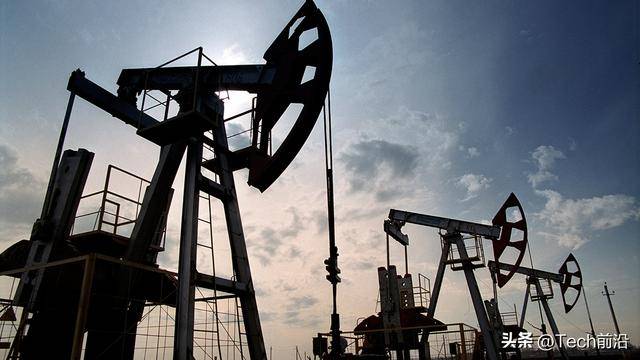
特朗普怒批普京,对俄石油巨头下狠手,莫斯科异常沉默
Jin Shi Shu Ju· 2025-10-23 09:38
在美国总统特朗普批评俄罗斯总统普京并对俄罗斯两家最大石油公司实施严厉制裁后的第二天,莫斯科 陷入了冰冷的沉默。 就在两位领导人进行了一次"非常富有成效"的电话交谈几天后,特朗普似乎站在了俄罗斯一边。然而, 这位美国总统在周三改变了策略,表达了对莫斯科的失望。 "我们取消了与普京总统的会晤。只是,感觉不适合见面。感觉我们不会达到必须到达的地方(俄乌停 火)。所以我取消了,但我们将来会这样做,"特朗普周三说。"每次我和普京谈话,我们都谈得很好, 然后就没有下文了,就是没有任何进展。" 普京的新闻秘书佩斯科夫尚未公开评论取消的会晤、制裁或未来举行特朗普-普京会谈的前景。 据报道,俄罗斯外交部发言人扎哈罗娃周四表示,俄外交部准备"继续与"美国国务院接触,但表示其在 乌克兰的目标"保持不变"。她补充说,对俄罗斯石油公司和卢克石油的最新制裁对找到和平解决方案适 得其反。 知名反西方鹰派人物、俄罗斯前总统梅德韦杰夫抨击了特朗普取消布达佩斯峰会的决定,他周四评论 说,"美国是我们的对手,他们爱说话的'和平缔造者'(特朗普)现在已经完全走上了对抗俄罗斯的道 路,已经完全与疯狂的欧洲站在一起。" 制裁压力 美国财政部表示,对卢克 ...
US Sanctions Against Russian Oil Trigger Concerns in China
Yahoo Finance· 2025-10-23 09:14
Core Insights - US sanctions on Russian energy companies are significantly impacting China's oil industry, with both state and private refiners facing challenges in maintaining supply while avoiding penalties [1][2] - Approximately 20% of China's crude oil imports, equating to about 2 million barrels per day in the first nine months of this year, originate from Russia, making it a crucial source for refining into products like diesel and gasoline [1] Sanctions and Compliance - The US government's blacklisting of Rosneft PJSC and Lukoil PJSC is part of broader sanctions aimed at reducing financial support for Russia's war efforts in Ukraine, requiring transactions with these firms to be concluded by November 21 [2] - Chinese and Indian companies risk severe secondary penalties if they continue dealings with sanctioned entities, which could result in exclusion from western banking systems and global commodities markets [3] Market Dynamics - Compliance with sanctions may lead to a loss of access to discounted oil supplies, which have been essential for keeping energy costs low for industries and consumers in China and India [5] - The involvement of Lukoil in significant projects, such as Iraq's Basrah project and the Caspian Pipeline Consortium, poses additional challenges for buyers outside China and India [5] Political Response - China has publicly opposed unilateral sanctions that lack international legal basis and have not been authorized by the United Nations Security Council, indicating a potential geopolitical tension surrounding these sanctions [6]
India Faces Energy Shock as Trump Targets Russian Oil Giants
Yahoo Finance· 2025-10-23 08:30
Core Insights - The flow of Russian crude oil to Indian refiners may significantly decrease due to new sanctions imposed by the Trump administration on Rosneft and Lukoil [1][3] - Russian crude oil constitutes one-third of India's total imports, and a reduction in this supply could lead to higher international oil prices, which have already seen an increase of over $2 per barrel following the sanctions announcement [2] - Despite the sanctions, Russian maritime oil exports have recently reached their highest levels since early 2023, averaging 3.82 million barrels per day, indicating a complex market dynamic [5] Group 1: Sanctions Impact - The Trump administration's sanctions target major Russian oil companies, potentially disrupting the supply chain for Indian refiners like Indian Oil Corp., Bharat Petroleum Corp., and Hindustan Petroleum Corp. [1] - Indian refiners have been purchasing Russian crude on the spot market, while Reliance has a long-term supply agreement with Rosneft, making them vulnerable to these sanctions [1] Group 2: Market Reactions - The immediate market reaction to the sanctions was an increase in Brent crude prices, reflecting concerns over supply disruptions despite a perceived glut in the market [2] - The geopolitical context involves efforts to reduce Russian financial strength amid ongoing conflicts, with India being a focal point due to its better relations with the U.S. compared to China [3][4] Group 3: Purchasing Trends - Reports indicate that Indian buyers of Russian crude have already begun to reduce their purchases, aligning with U.S. government sources suggesting a shift in buying behavior [4] - President Trump has publicly stated that India's Prime Minister Modi has committed to ceasing Russian oil purchases, although India has shown resistance to external pressures [3][4]