
PJSC LUKOIL(LUKOY)

Search documents
冷空气也到油市上空,油价连续2天下跌,市场情绪持续降温
Xin Lang Cai Jing· 2025-12-09 22:59
Core Viewpoint - Oil prices continued to decline despite attempts to rebound during the European session, influenced by geopolitical tensions and supply-demand dynamics in the oil market [4][16]. Oil Market Dynamics - WTI crude oil futures closed at $58.25 per barrel, down 1.07%, while Brent crude oil futures settled at $61.94, down 0.88% [6][18]. - The American Petroleum Institute (API) reported a significant drop in crude oil inventories, but this did not boost market sentiment [4][16]. - The U.S. Energy Information Administration (EIA) projected that U.S. oil production will reach a record high of 13.61 million barrels per day in 2025, an increase of 20,000 barrels from previous estimates [4][16]. - The EIA also revised down its 2026 production forecast by 5,000 barrels to an average of 13.53 million barrels per day, reinforcing expectations of a supply surplus in the oil market [4][16]. Geopolitical Influences - Ukrainian President Zelensky is negotiating three core documents with partners, focusing on framework agreements, security guarantees, and post-war reconstruction [4][9][21]. - The Trump administration is reportedly preparing plans for regime change in Venezuela, which could lead to further geopolitical disruptions affecting oil markets [7][19]. Market Sentiment and Recommendations - The diesel market has seen a significant decline, fully reversing previous gains made due to concerns over Russian sanctions, leading to weakened crack spreads and reduced support for oil prices [5][17]. - Overall market sentiment towards oil prices has cooled, with recommendations to consider shorting opportunities during price rallies [5][17].


【美股盘前】美国将允许对华出售H200芯片,英伟达涨1.6%;拟发20亿美元可转债,CoreWeave跌1.3%;AI借贷狂潮愈演愈烈,穆迪警告:整个金...
Mei Ri Jing Ji Xin Wen· 2025-12-09 10:24
Group 1 - Major U.S. stock index futures are showing slight gains, with Dow futures up 0.05%, S&P 500 futures up 0.13%, and Nasdaq futures up 0.14% [1] - Chinese concept stocks are experiencing a decline, with Alibaba down 1.92%, Pinduoduo down 1.38%, Baidu down 3.88%, JD.com down 1.3%, and Xpeng Motors down 2.58% [1] - Trump announced that NVIDIA can sell H200 AI chips to approved customers in China, with 25% of the revenue going to the U.S. government, which is expected to create jobs and maintain U.S. leadership in AI [1] Group 2 - U.S. oil giants may take over stakes in an Iraqi oil field from the sanctioned Russian company Lukoil, with ExxonMobil and Chevron as potential buyers [2] - Stellantis and Bolt are collaborating to explore the development and deployment of Level 4 autonomous vehicles in Europe, aiming for testing vehicles by 2026 and mass production by 2029 [2] Group 3 - Novartis has entered a drug target collaboration agreement with Relation Therapeutics, providing an initial payment of $55 million and potential milestone payments up to $1.7 billion [3] - Renault and Ford are partnering to develop affordable small electric vehicles for the European market, with plans to produce two models by 2028 [3] Group 4 - CoreWeave plans to issue $2 billion in convertible senior notes, increasing its already significant debt burden, which stood at $14 billion as of September [4] - Moody's warns that the AI lending boom poses risks to the financial system, with AI companies accumulating debt levels surpassing those seen before the dot-com bubble burst [4] - Medline is planning an IPO to raise up to $5.37 billion, potentially becoming the largest IPO in the U.S. this year, with a valuation of up to $55.3 billion [4]


美石油巨头或接手
中国能源报· 2025-12-09 09:01
美石油巨头或接手遭美制裁俄企在伊拉克油田股份。 据多家媒体披露,遭美国制裁的俄罗斯卢克石油公司在伊拉克一座油田项目中的股权可能 由美国石油巨头接手。 据法新社本月初报道,伊拉克石油部表示,已邀请数家大型美国石油公司参与西古尔纳- 2 油田的股权竞购,中标者将取代卢克石油成为新的运营商。 据一名消息人士8日向彭博社披露,伊方属意埃克森美孚,理由是该公司曾运营邻近的西 古尔纳- 1油田。另一个美国能源巨头雪佛龙公司也是潜在接盘方,其首席执行官迈克·沃 思11月曾表示,公司正商谈进入伊拉克市场。 一名美国国务院发言人在回答彭博社提问时表示,对伊拉克石油部最近承诺将西古尔纳- 2 油田转让给美国公司运营"感到鼓舞"。埃克森美孚和雪佛龙尚未就此作出回应。 西古尔纳- 2油田位于伊拉克南部,是世界最大油田之一。卢克石油公司2 0 0 9年获得此油 田开发合同。据路透社报道,该油田日产量为46万桶,分别约占全球和伊拉克原油产量的 0 . 5%和9%。卢克石油公司持有其75%的经营性股权,是该公司最大的海外资产。 为施压俄罗斯与乌克兰停火,美国财政部10月22日宣布制裁俄罗斯两家最大石油企业, 即国有的俄罗斯石油公司和私有的 ...

【特稿】美石油巨头或接手遭美制裁俄企在伊拉克油田股份
Sou Hu Cai Jing· 2025-12-09 08:25
王奕昕 据多家媒体披露,遭美国制裁的俄罗斯卢克石油公司在伊拉克一座油田项目中的股权可能由美国石油巨 头接手。 据法新社本月初报道,伊拉克石油部表示,已邀请数家大型美国石油公司参与西古尔纳-2油田的股权竞 购,中标者将取代卢克石油成为新的运营商。 据一名消息人士8日向彭博社披露,伊方属意埃克森美孚,理由是该公司曾运营邻近的西古尔纳-1油 田。另一个美国能源巨头雪佛龙公司也是潜在接盘方,其首席执行官迈克·沃思11月曾表示,公司正商 谈进入伊拉克市场。 美石油巨头或接手遭美制裁俄企在伊拉克油田股份 一名美国国务院发言人在回答彭博社提问时表示,对伊拉克石油部最近承诺将西古尔纳-2油田转让给美 国公司运营"感到鼓舞"。埃克森美孚和雪佛龙尚未就此作出回应。 西古尔纳-2油田位于伊拉克南部,是世界最大油田之一。卢克石油公司2009年获得此油田开发合同。据 路透社报道,该油田日产量为46万桶,分别约占全球和伊拉克原油产量的0.5%和9%。卢克石油公司持 有其75%的经营性股权,是该公司最大的海外资产。 为施压俄罗斯与乌克兰停火,美国财政部10月22日宣布制裁俄罗斯两家最大石油企业,即国有的俄罗斯 石油公司和私有的卢克石油公司 ...
原油日报:卢克石油西库尔纳油田复产,俄油到货恢复-20251209
Hua Tai Qi Huo· 2025-12-09 03:19
1. Report Industry Investment Rating No information provided. 2. Core Viewpoints of the Report - The oil market is currently in a chaotic phase where Russian oil buyers need to balance compliance risks and discount benefits, and the number of floating storage tanks for Russian oil is an important indicator to watch [2]. - Short - term oil price drivers are strong. The strategy is to go long on diesel cracks (event - driven) in the short term and hold a short - position in the medium term [3]. 3. Summary by Relevant Catalogs Market News and Important Data - WTI January crude oil futures fell $1.20, a nearly 2.00% drop, to settle at $58.88 per barrel. Brent February crude oil futures dropped $1.26, a 1.98% decline, to $62.49 per barrel [1]. - The crude oil transportation from the West Qurna - 2 oilfield of Lukoil has resumed, and the site is expected to return to normal operations between 1:00 and 2:00 am. The repair of the damaged part of the oil pipeline at the West Qurna - 2 oilfield was completed around 7:30 pm local time [1]. - On December 8, Ukrainian President Zelensky held over two - hour talks with UK Prime Minister Starmer, French President Macron, and German Chancellor Merz at the UK Prime Minister's residence. The four leaders discussed a draft of the latest peace plan to end the Ukraine crisis [1]. - The US White House stated that the national average price of regular gasoline is at its lowest level in 1681 days. GasBuddy data shows that the average gasoline price in 37 states has fallen below $3 per gallon, 22 states below $2.75 per gallon, and 5 states below $2.50 per gallon [1]. Investment Logic - The recent arrival of Russian crude oil in Turkey has returned to 400,000 barrels per day, indicating that buyers may have sourced Russian oil from non - sanctioned entities. The Indian state - owned company BPCL has also resumed purchases, but the discount on Russian oil continues to decline [2]. Strategy - Short - term: Go long on diesel cracks (event - driven). - Medium - term: Hold a short - position [3]. Risk - Downside risks: OPEC significantly increases production; a macro black - swan event occurs [3]. - Upside risks: Supply of sanctioned oil (from Russia, Iran, and Venezuela) tightens; large - scale supply disruptions occur due to Middle East conflicts [3].
原油市场周报:两周已过 -评估俄罗斯制裁的早期影响-Oil Markets Weekly_ Two weeks in—assessing the early impact of Russia sanctions
2025-12-08 00:41
Summary of Key Points from the Conference Call Industry Overview - The conference call focuses on the oil market, particularly the impact of sanctions on Russian crude oil exports and the dynamics of global oil supply and demand. Core Insights and Arguments - **Resilience of Russian Crude Flows**: Despite the expansion of sanctions and the transition deadline on November 21, Russian crude oil exports to Asia, especially from Rosneft, have remained resilient. China and India continue to import significant volumes, offsetting declines from Lukoil [2][3][5]. - **Infrastructure and Logistics**: Rosneft has established a robust infrastructure, including a wide network of intermediaries and shipping capabilities, which has allowed it to maintain crude flows despite regulatory challenges. This contrasts with Lukoil, which has seen a sharp decline in exports [2][15]. - **Market Reactions**: Turkey is the only major market adhering strictly to new sanctions, while Asian refiners are focusing on pricing and logistics rather than the seller's identity [2][3]. - **Caspian Pipeline Consortium (CPC) Disruption**: A late-November outage at the CPC reduced throughput from 1.7 million barrels per day (mbd) to 0.9 mbd, jeopardizing December Kazakh crude exports, which typically average 1.5 mbd. Kazakhstan can redirect some volumes, but not enough to fully compensate for CPC constraints [2][57][59]. - **Price Differentials**: Following the sanctions, price differentials for major Russian crude grades have widened significantly, with Urals DAP India and ESPO CFR China trading at steep discounts [4][5]. Additional Important Insights - **Buyer Differentiation**: India and Turkey have largely stopped purchasing Lukoil barrels, while Rosneft continues to see strong demand. This is attributed to deeper discounts and logistical flexibility from Rosneft [15][19]. - **Stable Imports Post-Sanctions**: Combined imports of Russian crude into China, India, and Turkey have remained stable, with a slight increase of approximately 50,000 barrels per day (kbd) post-November 21 [14][23]. - **Refined Product Exports**: Russian refined product exports remain subdued, averaging around 1.9 mbd, significantly below the summer average of 2.4 mbd. This decline is attributed to both sanctions and domestic logistical issues [38][39]. - **Future Outlook**: The report suggests that as temporary constraints ease, refined product exports could stabilize in January, supported by the expiration of the diesel ban for non-producers and a normalized domestic fuel market [42]. Conclusion - The oil market is currently navigating complex dynamics due to sanctions on Russian oil, with varying impacts on different companies and countries. Rosneft's ability to adapt and maintain exports contrasts sharply with Lukoil's struggles, highlighting the importance of infrastructure and market strategies in the current environment.
美国延长俄油企授权,5000座加油站不关门,油价要涨还是跌?
Sou Hu Cai Jing· 2025-12-05 05:22
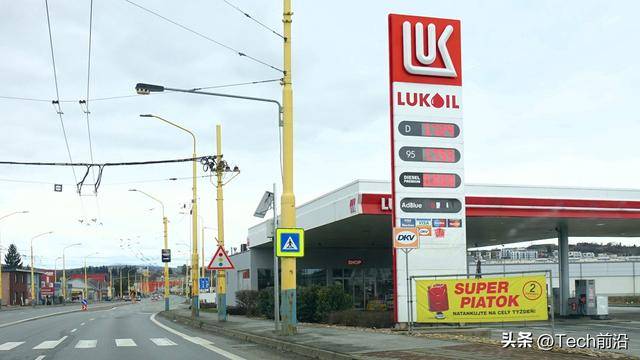
Core Viewpoint - The U.S. Treasury Department announced an extension of the operational authorization for Lukoil's foreign brand gas stations, while suspending some sanctions against the company, indicating a subtle easing of U.S. energy sanctions policy amid the ongoing Russia-Ukraine conflict [1][3]. Group 1: Company Overview - Lukoil is the second-largest oil company in Russia, operating over 5,000 gas stations in more than 30 countries, with approximately 15% of its market share in Europe and the U.S., serving tens of millions of consumers [1]. - Since the outbreak of the Russia-Ukraine conflict in February 2022, Lukoil has faced over 20 sanctions from the U.S. and Europe, with its overseas assets frozen amounting to $12 billion, and a 28% decrease in crude oil exports compared to pre-conflict levels [3]. Group 2: Impact of U.S. Policy Changes - The extension of authorization aims to "mitigate the harm to consumers and suppliers in daily transactions," with data suggesting that a sudden shutdown of Lukoil gas stations in the U.S. could lead to a $0.3 per gallon increase in gasoline prices on the East Coast, resulting in supply chain losses exceeding $200 million [3]. - This adjustment directly suspends sanctions imposed by former President Trump in October 2024, which were among the most severe measures taken against Russia in response to the Ukraine war, causing significant fluctuations in the global oil market [3][4]. Group 3: Broader Implications - The timing of the easing of restrictions coincides with U.S. negotiations with Russia aimed at reaching a conflict resolution, reflecting a pragmatic approach similar to the EU's previous measures of implementing price caps rather than outright bans on Russian oil [4]. - Analysts suggest that the U.S. adjustment is a form of "precise loosening," ensuring domestic consumer protection and supply chain stability without fundamentally relaxing restrictions on core Russian energy exports, though it may affect international coordination on sanctions [4].
今日国际国内财经新闻精华摘要|2025年12月5日
Xin Lang Cai Jing· 2025-12-05 00:36
Group 1: US Stock Market Performance - The US stock market showed mixed results with the Dow Jones down 0.07%, Nasdaq up 0.22%, and S&P 500 up 0.11% [1][12] - Technology stocks had a varied performance, with Meta and Oracle rising over 3%, while Intel fell over 7% [1][12] - Snowflake's stock dropped 8.3% due to disappointing profit margin outlook, while UiPath surged 7.5% after exceeding Q3 expectations [1][12] Group 2: Individual Company Developments - Meta's CEO announced plans to cut up to 30% of investments in the metaverse-related business, leading to a pre-market rise of over 5% [1][12] - Dollar General raised its full-year earnings guidance, resulting in a 5.6% increase in its stock price [1][12] - Tiger Brokers reported record high Q3 revenue and non-GAAP net profit, with a pre-market surge of 9.2% [1][12] Group 3: Commodity and Cryptocurrency Markets - WTI crude oil prices surpassed $60 per barrel, increasing by 1.79% [3][14] - Bitcoin fell below $92,000, with a daily decline of 2.62% [3][14] - Gold prices fluctuated significantly, breaking through $4,250 per ounce before dropping to $4,240 [2][13] Group 4: Forex and Economic Policy - The British pound reached its highest level against the US dollar since October 24, rising 0.2% to $1.3373 [4][15] - The White House's economic advisor indicated a potential 25 basis point rate cut at the next Federal Reserve meeting [4][15] Group 5: Domestic Market Developments - Taobao's flash sale platform announced voluntary compliance with national standards for food delivery services, aiming to enhance service quality and consumer experience [10][21][22]





重磅:罗马尼亚没收第三大俄罗斯炼油厂!比利时阻止动用俄资产
Sou Hu Cai Jing· 2025-12-04 16:34
Group 1 - Romania has approved the confiscation of assets from Russian oil giant Lukoil, including the third-largest refinery in Romania and over 350 oil and gas facilities [3] - The Romanian Energy Minister Bogdan Ivan stated the necessity to control Lukoil's subsidiaries in the country to ensure the stability of the energy system [3] - Romania supports the EU's increased sanctions against Russia, with similar actions occurring in Bulgaria [5] Group 2 - The EU has reached an agreement to completely stop importing Russian natural gas by November 1, 2027 [5] - Upcoming sanctions are expected to extend to Russian oil imports, indicating a serious commitment from Europe to sever energy ties with Moscow [6] - The EU plans to provide €90 billion in aid to Ukraine over the next two years, utilizing frozen Russian assets and international market borrowing [10][11] Group 3 - The funding for Ukraine will be issued as loans, which will only need to be repaid after Moscow pays war reparations [11] - The EU's approach to supporting Ukraine while using Russian funds reflects a complex strategy to navigate internal opposition and pro-Moscow sentiments within the EU [13] - The increasing security ties between Ukraine and Europe have significant implications for the region [15]
ExxonMobil in talks to acquire Lukoil’s stake in Iraqi oilfield
Yahoo Finance· 2025-12-02 15:15
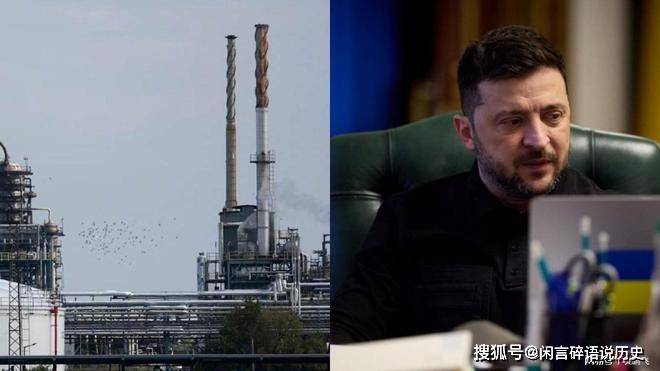
Core Insights - ExxonMobil is in discussions with the Iraqi Oil Ministry to potentially acquire Lukoil's majority stake in the West Qurna 2 oilfield, as Lukoil seeks to divest its global assets due to US sanctions [1][3] - The West Qurna 2 oilfield is significant, representing approximately 0.5% of global oil supply and 9% of Iraq's total output, with an estimated market value of $1.6 billion [2] - Lukoil currently holds a 75% operational stake in West Qurna 2, producing around 470,000 barrels per day, with reserves exceeding eight billion barrels [2] Group 1: Acquisition Context - The US Treasury has allowed potential buyers to negotiate with Lukoil until December 13, but specific transactions will require further approval [3] - ExxonMobil, alongside Chevron, is exploring opportunities to acquire parts of Lukoil's portfolio [3] - Lukoil declared force majeure at West Qurna 2 after Iraq suspended cash and crude payments to the company [3] Group 2: ExxonMobil's Activities in Iraq - In October, Exxon signed a non-binding agreement with Iraq to assist in developing the Majnoon oilfield and expanding oil exports, marking its return to the country after nearly two years [4] - A senior Iraqi oil official indicated that Exxon is the preferred option to take over Lukoil's stake due to its capacity and experience [5] - Abu Dhabi's International Holding Company has also shown interest in acquiring Lukoil's foreign assets [5]