
PJSC LUKOIL(LUKOY)

Search documents
视频丨美制裁俄石油公司引发保加利亚各界担忧
Yang Shi Xin Wen Ke Hu Duan· 2025-10-29 12:48
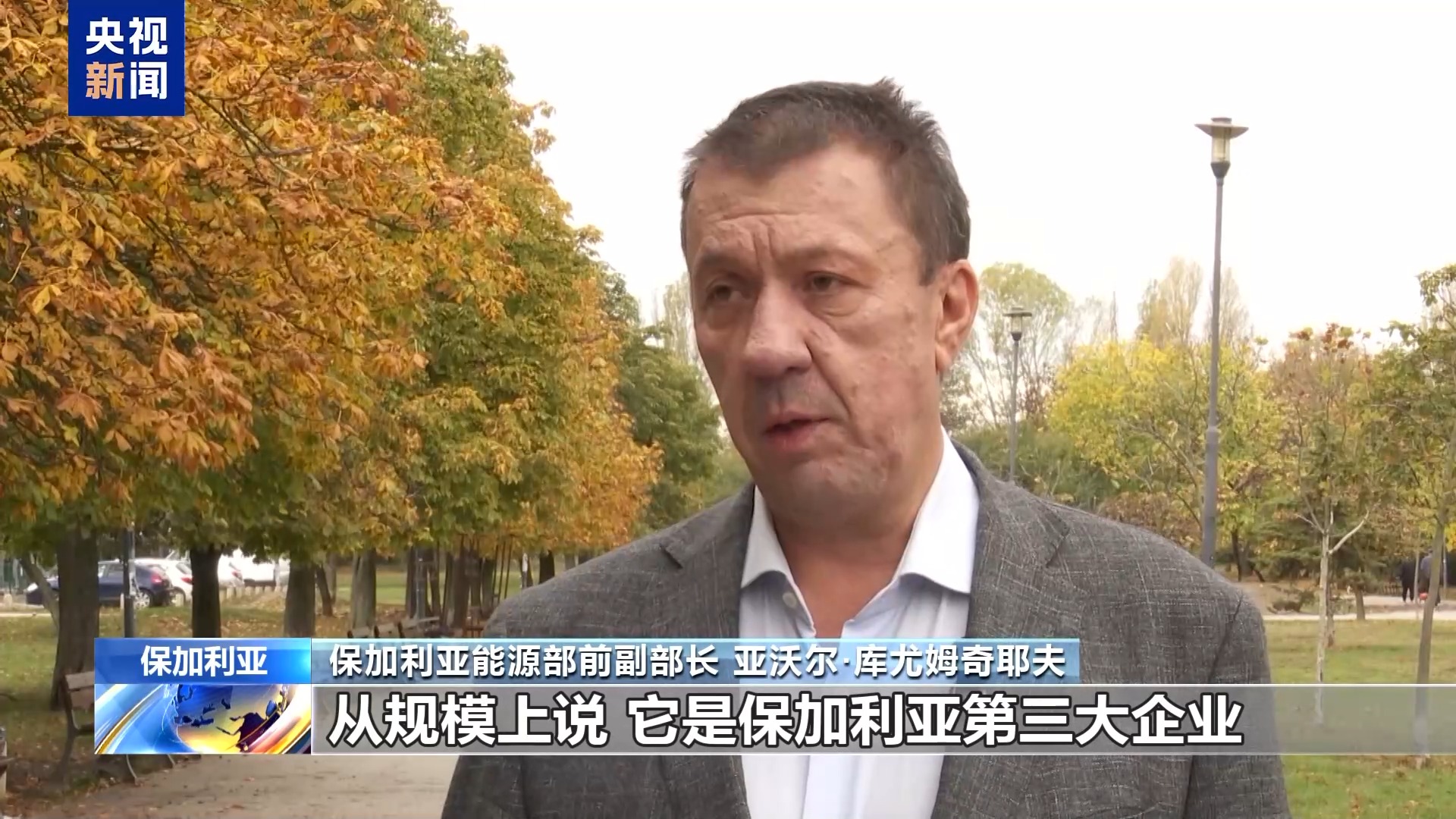
Core Points - The U.S. Treasury announced sanctions against two major Russian oil companies, including Lukoil, which operates the largest refinery in the Balkans located in Bulgaria [1][3] - The sanctions are expected to impact Bulgaria's energy security and also affect other countries like Hungary and Slovakia that import oil from Russia [3] Group 1: Impact on Bulgaria - Lukoil is the third-largest company in Bulgaria, providing significant tax revenue and employment [5] - If Lukoil ceases operations due to sanctions, it would cause a major disruption in Bulgaria's fuel market [5] - Local residents express concerns about potential fuel shortages and rising prices due to the sanctions [6][9] Group 2: Government Response - The Bulgarian government held an emergency meeting to discuss measures in response to the U.S. sanctions [13] - The Energy Committee of the Bulgarian Parliament passed an amendment requiring government approval for any sale or transfer of Lukoil's assets in Bulgaria [13] - The Bulgarian President emphasized the need to prevent a fuel crisis or price increases [13]

重磅!特朗普制裁失效!俄石油巨头海外资产大甩卖!宣布全部出售
Sou Hu Cai Jing· 2025-10-29 10:16
Group 1 - The U.S. government has imposed sanctions on Lukoil and Rosneft, following similar actions by the UK, leading to an immediate increase in global oil prices [1] - Lukoil is the second-largest oil producer in Russia, accounting for approximately 2% of global oil production, with operations in 20 countries and a projected net profit of $10 billion for 2024 [1] - The company has begun evaluating potential buyers for its assets and may seek to extend its "business winding-up permit" to ensure uninterrupted operations of its international assets [2] Group 2 - Russia has consistently claimed that Western sanctions lack legitimacy and are counterproductive, with President Putin describing the U.S. actions as "unfriendly" but asserting they will not significantly impact the Russian economy [4] - Russian officials emphasize that pressure tactics are ineffective and advocate for constructive dialogue to achieve results [4]

特朗普制裁一击制敌,俄罗斯石油巨头抛售大量海外资产!
Sou Hu Cai Jing· 2025-10-29 04:36
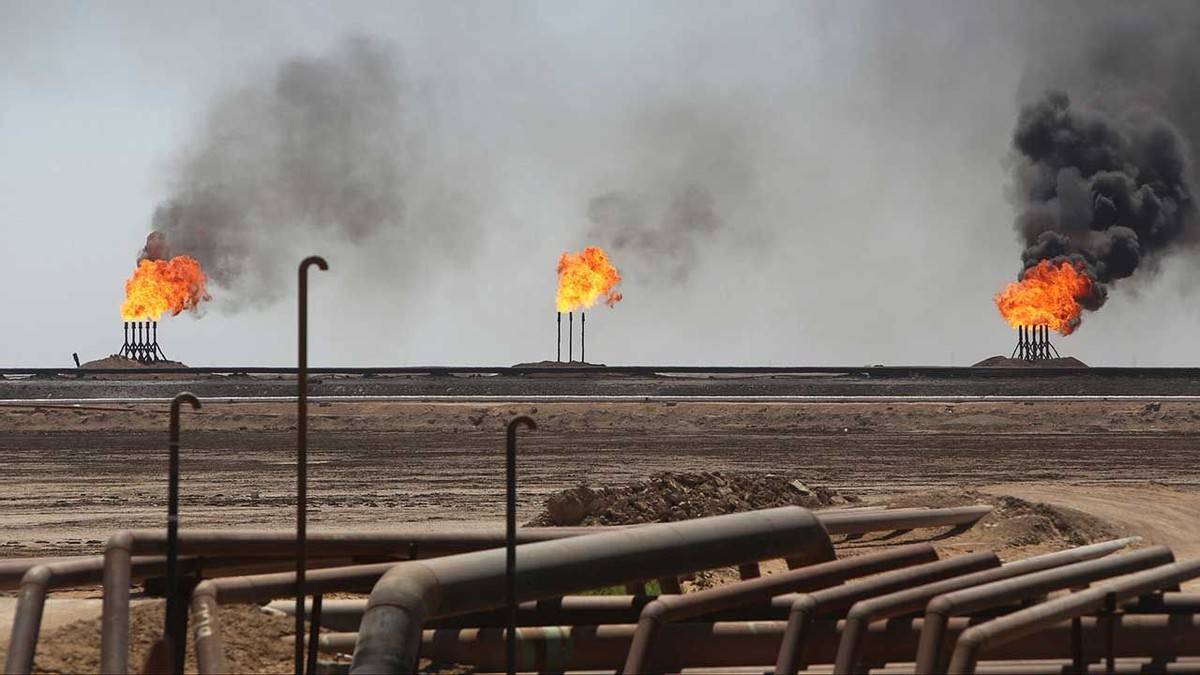
Core Points - The U.S. has imposed severe sanctions on two major Russian oil companies, Lukoil and Rosneft, including secondary sanctions [1][10] - Lukoil announced plans to sell overseas assets to cope with the challenges posed by the sanctions [1][11] - Despite Putin's threats involving nuclear capabilities, the economic difficulties faced by Russia are becoming increasingly apparent [1][9] Sanctions Impact - The sanctions directly target Lukoil and Rosneft, which account for half of Russia's oil exports and provide over 40% of the country's oil and gas revenue [9][10] - Secondary sanctions will affect any entities engaging in transactions with these companies or their subsidiaries [10] - Major clients of Russian oil, including companies in China and India, have ceased imports of Russian oil following the sanctions [10] Lukoil's Response - Lukoil has begun the process of selling its international assets, including a 75% stake in the West Qurna-2 oil field in Iraq, which has a production capacity exceeding 480,000 barrels per day [11][13] - The company is also reviewing potential buyers' offers while maintaining a commitment to "stable operations" [14] - The sale of assets is expected to occur under the gradual approval of the U.S. Treasury [11] Political Dynamics - Putin's calm demeanor in public contrasts with his underlying anxiety regarding the economic impact of the sanctions [3][4] - Trump's administration remains firm, with Treasury Secretary Mnuchin dismissing Russian claims as mere "word games" [6][10] - Ukrainian President Zelensky has called for further sanctions against the entire Russian oil industry, not just the two companies [16]
【环球财经】俄卢克石油公司宣布出售其海外资产
Xin Hua Cai Jing· 2025-10-28 22:42
Core Viewpoint - Russian oil company Lukoil plans to sell its overseas assets due to sanctions imposed by certain countries [1] Group 1: Company Actions - Lukoil has begun reviewing applications from potential buyers for its international assets [1] - The company intends to apply for an extension of the license issued by the U.S. Treasury Department if necessary, to ensure that international asset operations are not affected [1] Group 2: Regulatory Environment - The U.S. Treasury Department announced sanctions against Lukoil on October 22, affecting all entities and subsidiaries in which Lukoil holds 50% or more ownership [1] - All transactions with these subsidiaries must be completed by November 21 [1] Group 3: Operational Impact - The asset sale will be conducted under the gradual shutdown license issued by the U.S. Treasury's Office of Foreign Assets Control [1]
石油过剩成契机,美国对俄制裁“核选项”终出鞘
Sou Hu Cai Jing· 2025-10-28 14:24
Core Viewpoint - The oversupply of oil has created conditions for the U.S. to implement stricter sanctions against Russia, particularly targeting major oil producers [3][4]. Group 1: U.S. Sanctions on Russian Oil Companies - The U.S. has announced sanctions against Russia's largest oil producers, including Rosneft and Lukoil, marking a significant escalation in economic measures against Russia [3]. - Approximately 70% of Russia's oil production and exports for 2024 are already affected by sanctions, with transactions involving Rosneft and Lukoil required to cease by November 21 [4]. - The effectiveness of these sanctions will depend on enforcement strength, reactions from major buyers like India and China, and Russia's ability to circumvent sanctions [4]. Group 2: Market Reactions and Oil Prices - The market had previously perceived an oversupply of oil, with the number of oil tankers rising to pandemic-era levels and Brent crude hovering around the critical support level of $60 [5]. - Following the U.S. sanctions announcement, the market experienced a slight recovery, driven by short covering, as traders began to question the oversupply narrative [5]. - The sanctions aim to disrupt the flow of oil that continues to support Russia's war efforts despite widespread Western embargoes [5]. Group 3: Statements from Officials - The U.S. Treasury announced that the sanctions would increase pressure on Russia's energy sector, weakening its ability to fund its military operations and support its struggling economy [6]. - Russian President Vladimir Putin claimed that sanctions would not significantly impact the country's economic well-being, asserting the stability and confidence of Russia's energy sector [6].
特朗普对俄罗斯石油企业制裁,印度石油企业赶在生效截止日期前已开始取消订单!印度最大国有石油公司:将遵守所有适用的制裁
Ge Long Hui· 2025-10-28 10:39
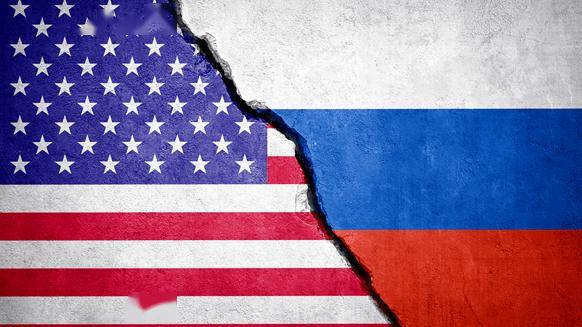
Group 1 - The core viewpoint is that U.S. sanctions on Russian oil companies are causing Indian firms to reconsider their oil orders, with a potential shift towards a complex evasion system to continue acquiring Russian oil [2] - Indian companies, including Reliance Industries, are adjusting their operations to comply with the sanctions, indicating a commitment to adhere to applicable regulations [3] - The Indian government faces a dilemma between maintaining its long-standing relationship with Russia for discounted oil and strengthening ties with the U.S., especially in light of previous tariffs imposed by the Trump administration [2][4] Group 2 - India's largest state-owned oil company, Indian Oil Corporation, has also stated its intention to comply with all applicable sanctions, reflecting a broader industry trend [4] - Analysts suggest that India's reliance on discounted Russian oil complicates its situation, as reverting to previous supply structures would significantly increase costs due to the need to source oil from the Gulf, West Africa, or even the U.S. [4] - Ongoing negotiations between India and the U.S. for a trade agreement may hinge on India's ability to demonstrate a reduction in oil trade with Russia, which could serve as a goodwill gesture [4]
印度企业将不会购买由贸易商供应的俄罗斯石油公司和卢克石油的原油
Xin Hua Cai Jing· 2025-10-28 10:05
Core Viewpoint - Indian companies will not purchase crude oil from Russian oil companies and Lukoil supplied by traders, making it difficult to predict when new orders for Russian oil will be placed [1] Group 1 - Indian government sources indicate a halt in crude oil purchases from Russian suppliers [1] - The uncertainty surrounding future orders for Russian oil from Indian enterprises is highlighted [1]
Russian oil company Lukoil to sell international assets in response to Trump sanctions
Yahoo Finance· 2025-10-28 09:22
FRANKFURT, Germany (AP) — Russian oil company Lukoil says it is selling its international assets in response to sanctions imposed by U.S. President Donald Trump that aim to push Russia to agree to a ceasefire in its war against Ukraine. The company said in a statement that it was already talking with potential purchasers. The transactions would be carried out under a sanctions grace period that allows transactions with Lukoil until Nov. 21, and the company said it would seek an extension if necessary to c ...
特朗普又对俄下手,制裁俄60%原油企,中国能源安全咋保障?
Sou Hu Cai Jing· 2025-10-27 03:21
回顾事件的背景,这次美国的行动并非偶然。早在2025年3月,华盛顿就提出了一个"全面无条件停火倡 议",乌克兰表示接受,但俄罗斯却坚决拒绝,并继续在多个地方对乌克兰进行军事打击。 特朗普最近在对俄罗斯的政策上做出了多次调整,令人应接不暇。首先,他拒绝了向乌克兰提供"战 斧"巡航导弹的请求,导致基辅方面极为失望。然而,没过多久,他却转变立场,对俄罗斯的两大能源 公司实施了严厉的制裁。 这次的制裁并非普通的限制措施,而是精准打击——卢克石油和俄罗斯石油这两家公司是俄罗斯原油生 产的核心,合计贡献了约60%的原油产量。此举实际上是从根源上切断了俄罗斯能源出口的"生命线"。 能源是俄罗斯经济的支柱产业,特朗普的这一举动不仅改变了俄乌战争的战略态势,也在全球能源市场 引发了一系列连锁反应,油价波动、交易避险、供应链调整等现象频繁出现。 然而,这一行动也带来了新的问题:俄罗斯是中国的重要能源供应国之一,这次美国的高压制裁将如何 影响中国的能源供应体系?我们又该如何应对这些潜在的风险? 这使得特朗普政府的情绪进一步恶化。虽然特朗普之前多次公开批评普京,但一直未采取实质性的制裁 措施。直到10月23日,制裁正式生效的同时,美 ...
原油分析师_俄罗斯新制裁风险_从升级到缓和-Oil Analyst_ Risks From New Russia Sanctions_ Escalate to De-Escalate_
2025-10-27 00:52
Summary of Key Points from the Conference Call Industry Overview - The conference call focuses on the oil industry, specifically the impact of new US sanctions on Russian oil producers, Rosneft and Lukoil, which are the largest in Russia [1][4][5]. Core Insights and Arguments 1. **Oil Price Reaction**: Brent and WTI oil prices increased by 5% to $66 and $62 respectively following the announcement of sanctions on Rosneft and Lukoil, which together account for 45% of Russia's oil exports [1][4][8]. 2. **Export Volumes**: Rosneft and Lukoil have exported approximately 3.0 million barrels per day (mb/d) year-to-date, with crude oil making up 2.2 mb/d of this total [1][8][9]. 3. **Supply-Demand Balance**: The company maintains its supply-demand balance and oil price forecast, projecting Brent/WTI prices to decline to averages of $56/52 by 2026. This forecast assumes a reduction in Russian liquids production by 0.6 mb/d by 2026 compared to 2024 levels [1][12][15]. 4. **Potential Upside Risks**: The sanctions could lead to additional upside risks to oil prices, particularly if Russian supply decreases significantly. In scenarios where Russian supply falls by 1.5 mb/d, Brent prices could peak at nearly $85 before averaging $73 in 2026 [1][27][30]. 5. **Factors Mitigating Impact**: The potential impact of sanctions on global oil imports may be limited due to: - Possible exemptions for importers [15][17]. - Continued purchases of discounted Russian oil [15][17]. - Reorganization of trade networks following previous sanctions [15][18]. - Increased production from OPEC to stabilize the market [15][18]. 6. **Temporary Nature of Reductions**: The reduction in Russian oil purchases may be temporary if peace negotiations progress or if energy affordability becomes a higher priority for Western policymakers [1][22][24]. Additional Important Insights 1. **Market Pricing Adjustments**: The crude market has adjusted to reflect a nearly 60 percentage point increase in the likelihood of a significant disruption in Russian oil supply [2][34]. 2. **Production Estimates**: Rosneft and Lukoil's total liquids production is estimated at approximately 4.6 mb/d year-to-date, indicating a significant portion of their output is still operational despite sanctions [11][12]. 3. **Regional Production Distribution**: About 70% of the combined crude volumes from Rosneft and Lukoil are produced in regions with both domestic and export outlets, which may help mitigate the impact of sanctions [36]. This summary encapsulates the key points discussed in the conference call regarding the implications of US sanctions on Russian oil producers and the broader oil market dynamics.