Merck(MRK)

Search documents
Trump unveils major drug price deals with 9 Pharma giants, launches TrumpRx.gov to cut medicine costs in US
MINT· 2025-12-19 23:46
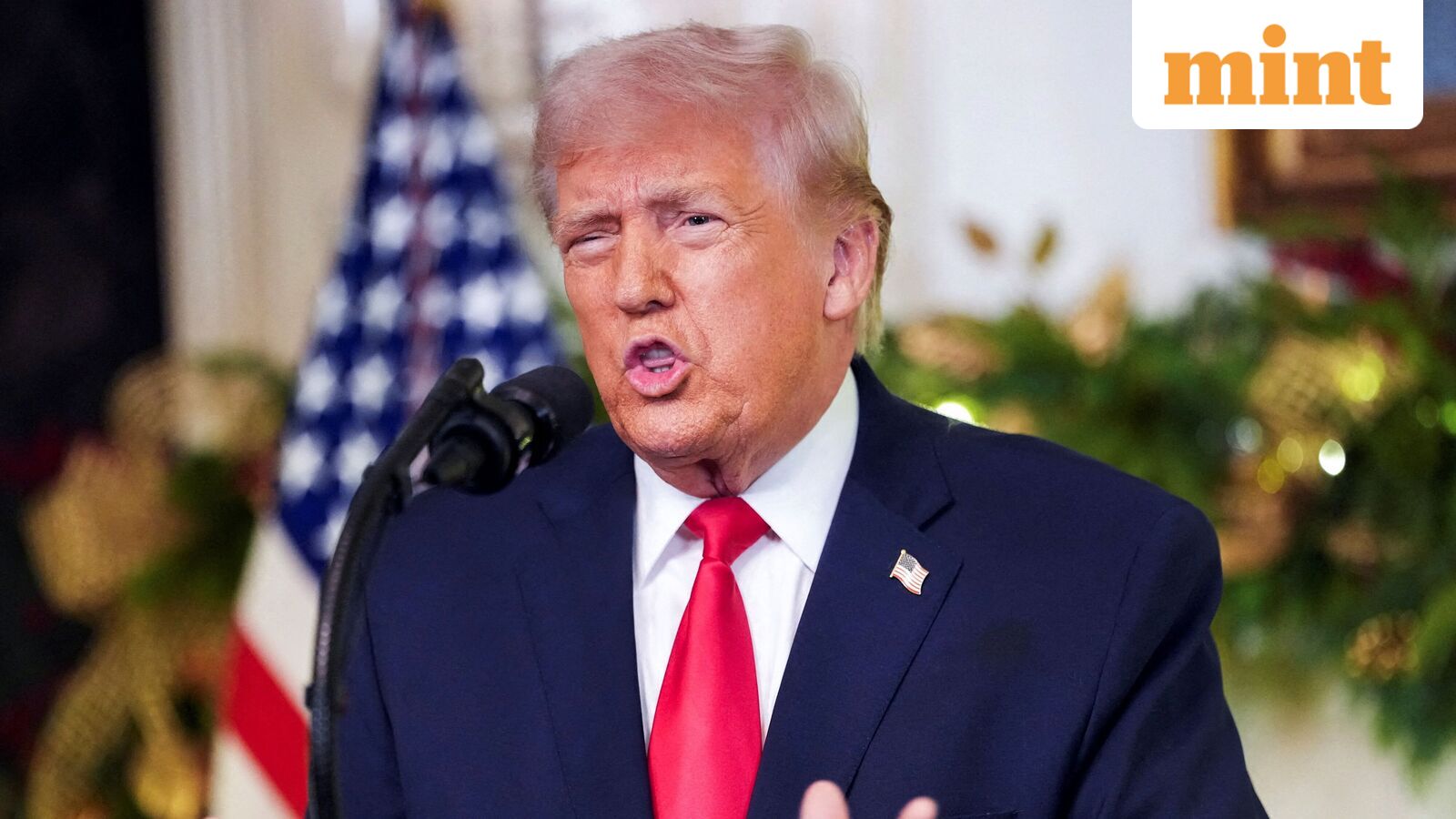
Core Insights - President Trump announced a set of drug-pricing agreements with nine major pharmaceutical companies, aiming to align U.S. medicine costs with those in Europe [1][2] - The initiative includes a new direct-to-consumer portal, TrumpRx.gov, allowing patients to purchase certain medicines directly from manufacturers [2][4] Group 1: Agreements and Participants - The agreements involve 14 out of 17 drugmakers that Trump previously urged to lower prices, including Amgen, GSK, and Merck [2][3] - Drug companies are motivated to negotiate to avoid potential regulatory measures that could impact their profits [3] Group 2: TrumpRx.gov Functionality - TrumpRx.gov will serve as a central directory for patients to access selected medicines directly from manufacturers' websites [4] - The portal is expected to be fully operational by January, following a promotional launch [4] Group 3: Pricing Details - Highlighted medicines include Amgen's Repatha at $239/month, GSK's Advair Diskus at $89/month, and Merck's Januvia at $100/month [6] - Gilead's Epclusa will be priced at $2,492/month, despite lower costs for insured patients [6] Group 4: Impact on Medicaid and Medicare - Companies committed to launching new medicines in the U.S. at prices comparable to those in other wealthy countries [8] - Medicaid programs are legally entitled to the lowest drug prices, with Bristol Myers Squibb offering Eliquis free to Medicaid [9] Group 5: Industry Response and Future Outlook - Health policy experts express skepticism about the agreements' impact on overall drug prices for most Americans [10] - The agreements do not impose mandatory price controls and leave many brand-name drug costs unchanged [15] - Ongoing discussions with additional manufacturers like AbbVie and Johnson & Johnson may lead to further agreements [14]


默沙东(MRK.US)、施贵宝(BMY.US)等多家药企同意下调美国药价 以换取特朗普政府关税豁免和政策支持
智通财经网· 2025-12-19 23:18
Group 1 - The core point of the news is that several major pharmaceutical companies in the US and Europe have agreed to voluntarily lower drug prices in exchange for tariff exemptions and policy support from the Trump administration, which is reviving the "Most Favored Nation" pricing policy to reduce high prescription drug costs in the US [1][2] - Companies that signed the agreement include Merck (MRK.US), Bristol-Myers Squibb (BMY.US), Amgen (AMGN.US), Gilead Sciences (GILD.US), GlaxoSmithKline (GSK.US), Sanofi (SNY.US), Rogers (ROG.US), Boehringer Ingelheim, and Novartis (NVS.US), committing to increase domestic production and investment in the US over the next three years [1] - Bristol-Myers Squibb's commitment to provide its best-selling anticoagulant drug Eliquis for free to Medicaid patients is highlighted as one of the most significant measures in this price reduction initiative [1] Group 2 - Trump stated that out of 17 major pharmaceutical companies he contacted in July, 14 have agreed to significantly lower drug prices, marking a historic victory for patient affordability in the US [2] - Although the full terms of the agreements have not been disclosed, companies have agreed to various measures to lower drug prices, including selling existing drugs to Medicaid patients at "Most Favored Nation" prices and committing to pricing for future new drugs [2] - Gilead Sciences announced that patients will be able to obtain its hepatitis C treatment drug Epclusa at a discounted price, while Sanofi indicated discounts of nearly 70% on certain drugs in the fields of infection, cardiovascular, and diabetes [2] Group 3 - Merck's CEO expressed support for Trump's policy direction of lowering US drug prices while raising prices in overseas markets to end global free-riding [3] - Amgen announced an expansion of its existing direct sales program, including significant discounts on its migraine prevention drug Aimovig and autoimmune treatment drug Amjevita [3] - The average price of prescription drugs in the US is nearly three times that of overseas markets, with brand-name drug prices exceeding four times, highlighting the US market's importance to pharmaceutical companies, especially European firms [3]

US FDA grants priority vouchers to Merck's cholesterol pill, cancer therapy
Reuters· 2025-12-19 21:03
Core Insights - The U.S. Food and Drug Administration (FDA) has granted national priority vouchers to Merck's cholesterol pill and cancer therapy, marking them as the latest additions to the fast-track program [1] Group 1: Company Developments - Merck's cholesterol pill and cancer therapy have received national priority vouchers from the FDA, which may expedite their development and approval process [1] Group 2: Industry Implications - The granting of national priority vouchers indicates a supportive regulatory environment for innovative therapies in the pharmaceutical industry, potentially leading to faster market access for new treatments [1]
Trump strikes deal with US drugmakers to cut Medicaid medicine costs
The Guardian· 2025-12-19 20:14
Core Insights - Donald Trump and nine major pharmaceutical companies have reached agreements to significantly reduce drug prices for the Medicaid program and cash payers, aiming to align US costs with those in other wealthy nations [1][2] Group 1: Price Reductions and Agreements - Drugmakers will cut prices on most drugs sold to Medicaid, promising "massive savings" on commonly used medicines, although specific figures were not disclosed [2] - The deals include agreements to lower cash-pay prices for select drugs, launch drugs in the US at prices equal to those in other wealthy nations, and increase manufacturing [3] - Merck plans to sell its diabetes drugs at approximately 70% off list prices directly to US consumers, with potential for its experimental cholesterol drug to be offered through direct channels [4] Group 2: Previous and Current Deals - Five companies had previously made agreements with the administration to control prices, while three companies have yet to announce deals [6] - Drugmakers committed to "most-favored-nation" pricing for all new US drug launches across various markets, including Medicare [7] Group 3: Financial Commitments and Investments - Companies pledged to invest over $150 billion in US research and development and manufacturing, with Merck contributing $70 billion of that total [8] - A portion of revenues from foreign sales will be remitted to the US to help offset costs [8] Group 4: Medicaid and Market Impact - Medicaid, which represents about 10% of US drug spending, already benefits from significant price discounts, sometimes exceeding 80% [9] - Pfizer indicated that Medicaid discounts would lead to price and margin compression in the upcoming year [9]



Trump secures agreements with Merck, Amgen, Novartis and others to cut drug prices under Medicaid
MINT· 2025-12-19 20:04
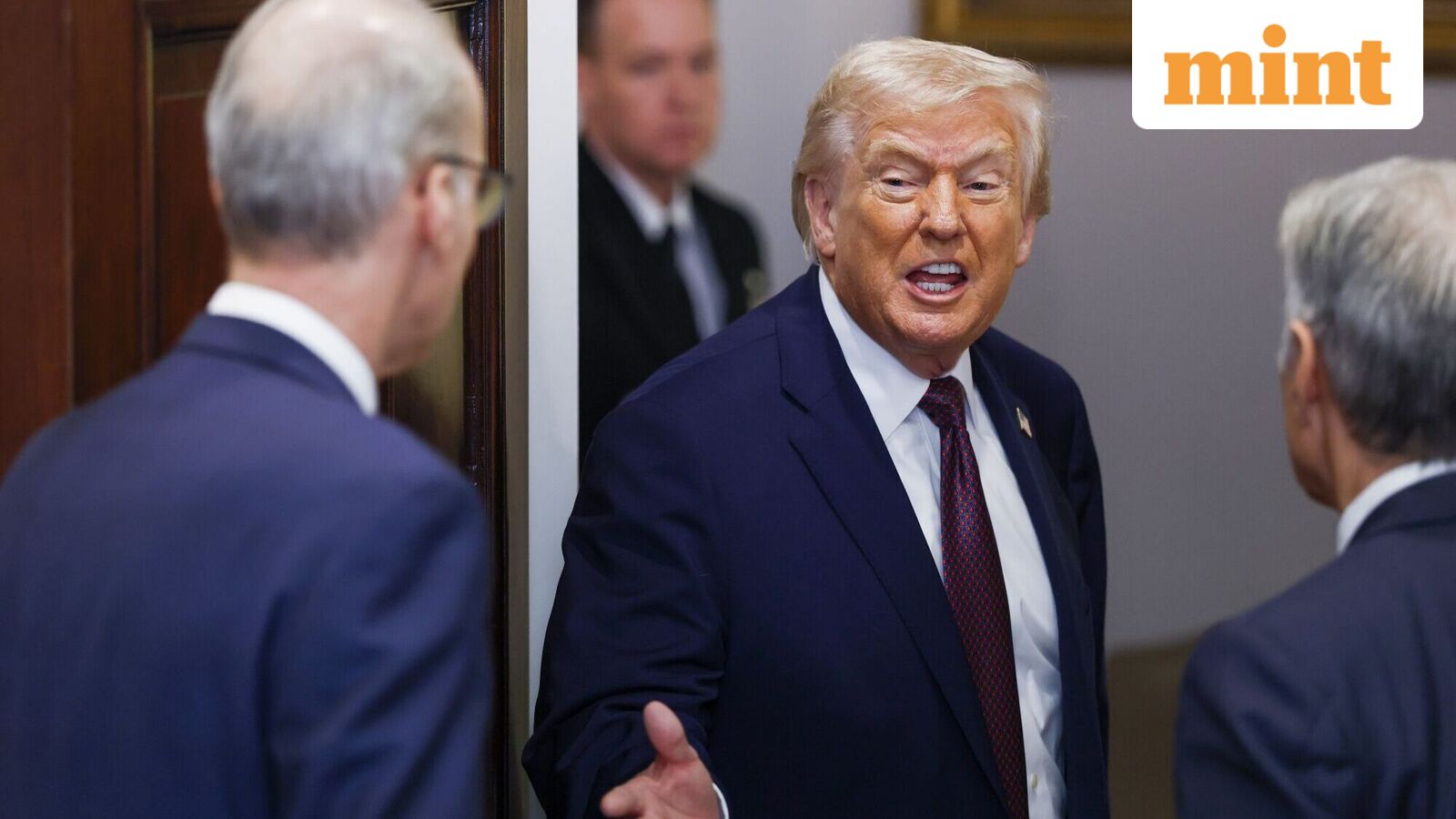
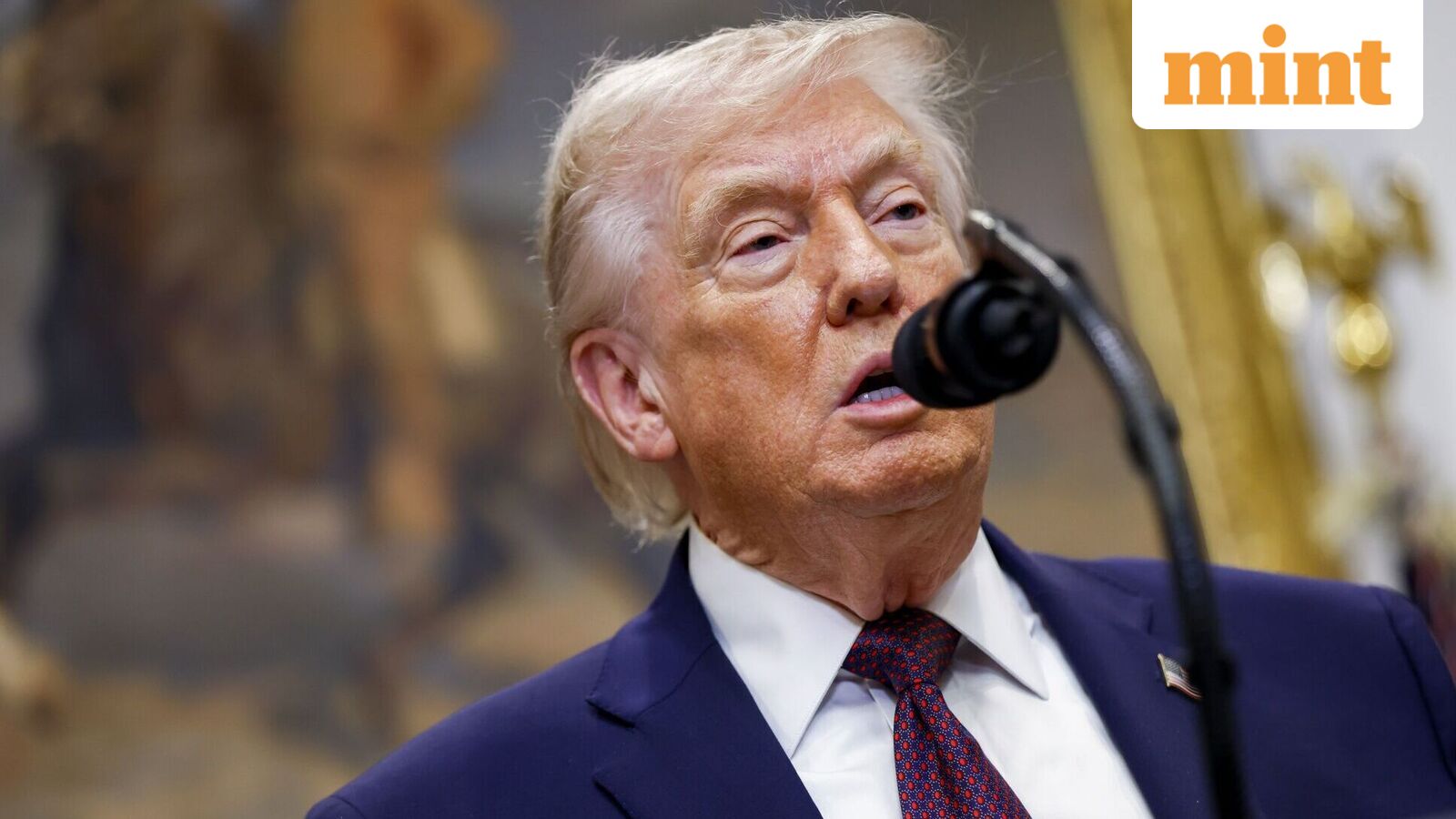
Core Points - US President Donald Trump announced agreements with nine major pharmaceutical companies to reduce drug prices for Medicaid and cash-paying consumers, aiming to align US drug costs with those in other wealthy nations [1][4] - Trump emphasized that the US was previously subsidizing global drug costs and will no longer do so [2] Group 1: Drugmakers Involved - Participating companies include Bristol Myers Squibb, Gilead Sciences, Novartis, Amgen, Boehringer Ingelheim, Sanofi, GSK, Merck, and Roche's US unit Genentech [3] - Additional companies like Regeneron, Johnson & Johnson, and AbbVie are expected to join after the holidays [3] Group 2: Price Reductions and Commitments - Drugmakers will reduce prices on most medicines sold to Medicaid, promising "massive savings" on widely used drugs, although specific figures were not disclosed [4] - The agreements also include commitments to cut cash prices for select medicines and to launch new drugs in the US at prices equal to those in other wealthy countries [5] Group 3: Specific Drug Pricing - Merck plans to sell diabetes drugs Januvia, Janumet, and Janumet XR at discounts of about 70% off list prices [7] - Amgen will price its migraine drug Aimovig and arthritis treatment Amjevita at $299 per month, which is nearly 60% and 80% below current US list prices, respectively [7] Group 4: Investment and Revenue Sharing - Companies pledged to invest over $150 billion in US research, development, and manufacturing, with Merck alone committing $70 billion [8] - A portion of each company's overseas revenue will be remitted to the US to help offset domestic drug costs, and several companies agreed to donate drug ingredients to the US strategic reserve [9] Group 5: Industry Reaction - Five drugmakers, including Pfizer and Eli Lilly, had already struck similar deals with the administration, and AbbVie is expected to announce its agreement soon [10]

Better Buy in 2026: Pfizer or Merck?
The Motley Fool· 2025-12-19 20:00
Core Viewpoint - The pharmaceutical giants Pfizer and Merck have underperformed in 2023, facing financial challenges and upcoming patent cliffs, leading to uncertainty in their medium-term outlooks. The article compares both companies to determine which presents a better investment opportunity heading into the new year. Pfizer - Pfizer's Eliquis, a leading blood thinner, is approaching patent expiration, which could exacerbate its already slow revenue and earnings growth [3] - The company has expanded its pipeline through internal efforts, acquisitions, and licensing deals, launching new products that are expected to impact financial results positively in the future [4] - Notable pipeline candidates include MET-097i, a promising weight loss drug with fewer side effects and a long-acting dosing schedule, and PF-4404, a cancer therapy that could become a standard treatment for certain cancers [5][7] - Pfizer is also implementing cost-cutting measures and has secured a deal with the White House to be exempt from tariffs for three years, which may help improve its margins and bottom line [8] Merck - Merck's sales from its HPV vaccines, Gardasil and Gardasil 9, have declined due to lower sales in China, and its best-selling cancer drug Keytruda faces a patent cliff by 2028 [9] - The company has introduced a new subcutaneous version of Keytruda, which offers a more convenient administration method and is expected to mitigate sales losses from biosimilars [10] - Merck's pipeline includes successful products like Winrevair for pulmonary arterial hypertension and Capvaxive, a pneumonia vaccine, both of which are expected to generate significant revenue [12][13] - An acquisition that adds CD388 to its pipeline could potentially transform the influenza vaccine market, indicating strong future prospects for Merck [13] Investment Comparison - Both Pfizer and Merck are considered viable long-term investment options, but Merck is viewed as the stronger choice due to better financial results and a more developed plan to address challenges [14][16] - Merck's higher profit margins and faster dividend growth over the past decade make it more attractive for dividend-seeking investors, despite Pfizer's higher forward dividend yield [17]
Merck Reaches Agreement With U.S. Government to Expand Access to Medicines and Lower Costs for Americans
Businesswire· 2025-12-19 19:39
Core Points - Merck has reached an agreement with the U.S. government aimed at expanding access to its medicines and reducing costs for American patients [1] Group 1 - The agreement is part of a broader initiative to enhance affordability and accessibility of healthcare for Americans [1] - Merck's collaboration with the government is expected to lead to significant reductions in the prices of certain medications [1] - This initiative aligns with ongoing efforts to address healthcare costs and improve patient access to essential treatments [1]
Evaxion Seeks New Partner For Gonorrhea Vaccine After Merck Opts Out
Benzinga· 2025-12-19 17:43
Core Viewpoint - Merck & Co. Inc. will not exercise its option for Evaxion A/S's Gonorrhea vaccine candidate EVX-B2, allowing Evaxion to retain global rights and seek another licensing partner [1][2]. Group 1: Company Developments - Evaxion's Gonorrhea vaccine candidate EVX-B2 has shown protective effects against the bacteria in preclinical studies, yet no vaccine has been approved for Gonorrhea despite over 80 million infections annually [2]. - Evaxion's CEO, Helen Tayton-Martin, stated that the decision by Merck does not affect the company's cash runway, which extends to the second half of 2027 [2]. - Merck's option was specifically for the protein-based version of EVX-B2, while Evaxion is also developing an mRNA version in collaboration with Afrigen Biologics [3]. Group 2: Financial Aspects - Evaxion received a cash payment of $7.5 million from Merck and is eligible for future milestone payments of up to $592 million, along with royalties on net sales for the EVX-B3 vaccine [4]. - Merck will take full responsibility for the further development and associated costs of the EVX-B3 vaccine [4]. Group 3: Market Reaction - Following the news, Evaxion's stock (EVAX) experienced a decline of 14.61%, trading at $4.91 [5].

Can Merck Successfully Steer Through the Upcoming Headwinds?
ZACKS· 2025-12-19 16:36
Core Viewpoint - Merck is expected to face significant challenges impacting its long-term growth outlook, primarily due to the impending loss of exclusivity for its leading drug, Keytruda, in 2028, despite recent sales growth [1][11]. Group 1: Keytruda and Revenue Impact - Keytruda, a PD-L1 inhibitor, generated sales of $23.3 billion in the first nine months of 2025, marking an 8% year-over-year increase and accounting for over 50% of Merck's pharmaceutical sales [1][2]. - The intravenous formulation of Keytruda will lose patent exclusivity in 2028, prompting Merck to develop a subcutaneous formulation, Keytruda Qlex, which has its own patents extending beyond 2028 [3]. - The anticipated loss of exclusivity for Keytruda is a major concern for Merck's revenue stability moving forward [11]. Group 2: Declining Sales of Gardasil - Gardasil, Merck's second-largest product, saw sales of $4.20 billion in the first nine months of 2025, reflecting a 40% decline year over year, primarily due to weak demand in China and Japan [4][5]. - Management expects continued weakness in Gardasil sales in these markets as they head into 2026 [5]. Group 3: Regulatory and Competitive Challenges - The redesign of Medicare Part D under the Inflation Reduction Act, effective in 2025, poses additional challenges, with drugs like Januvia and Janumet facing government price setting starting in 2026 and 2027, respectively [6][7]. - Keytruda is also expected to be subject to government price setting in 2027, which could further impact U.S. sales post-2029 [7]. Group 4: Future Growth Prospects - Merck is focusing on new products like the 21-valent pneumococcal conjugate vaccine, Capvaxive, and the pulmonary arterial hypertension drug, Winrevair, to drive revenue growth after Keytruda's exclusivity ends [8]. - The Animal Health business is contributing positively to Merck's growth, and the company aims to achieve $3 billion in annual cost savings by the end of 2027 through optimization initiatives [9]. Group 5: Market Performance and Valuation - Merck's shares have increased by 27.5% over the past six months, outperforming the industry average of 19% [14]. - The company's price/earnings ratio stands at 11.56, which is lower than the industry average of 17.11 and its five-year mean of 12.49, indicating attractive valuation [15]. - The Zacks Consensus Estimate for 2025 earnings per share has risen from $8.92 to $8.98, while the estimate for 2026 has decreased from $9.44 to $8.37 [17].
Trump to announce new deals with major drugmakers to lower US prescription drug prices
MINT· 2025-12-19 15:35
Group 1 - The US President is set to announce new agreements aimed at lowering prescription drug prices, with participation from major pharmaceutical companies including AbbVie, Bristol Myers Squibb, Gilead Sciences, and Merck [1] - Swiss drugmakers Novartis and Roche are also reportedly involved in the upcoming deals [1] - Previous agreements have been reached with five companies: Pfizer, Eli Lilly, AstraZeneca, Novo Nordisk, and EMD Serono [3] Group 2 - In July, the President directed 17 major pharmaceutical companies to offer most-favored-nation prices to the US Medicaid program and ensure new drugs are not priced higher than in other wealthy countries [2] - The remaining companies that have not yet reached agreements include Sanofi, Regeneron, Merck, Johnson & Johnson, AbbVie, Amgen, Gilead, Boehringer Ingelheim, Bristol Myers, GSK, Novartis, and Genentech [3] - AbbVie and Merck declined to comment on the new agreements, while Novartis expressed commitment to discussions and Roche supported the goal of reducing drug prices [4] Group 3 - The President has emphasized the significant disparity between US drug prices and those in other high-income countries, where government-run health systems negotiate for price discounts [5]