
Merck(MRK)

Search documents
默沙东又踩了个雷
3 6 Ke· 2025-12-24 00:00
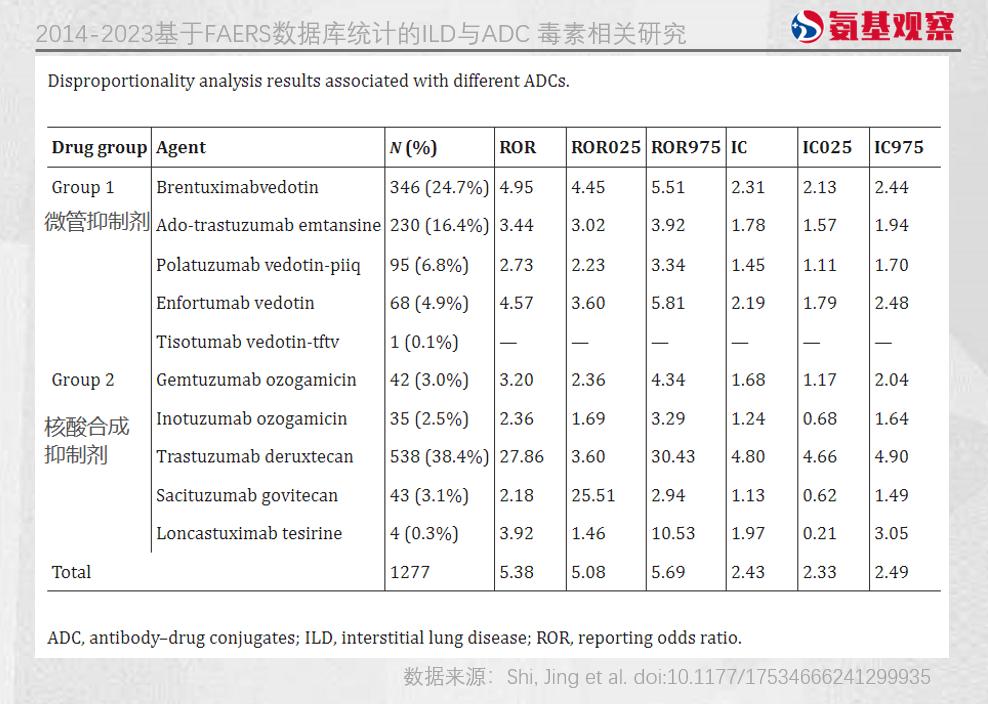
Core Viewpoint - The clinical trial for the B7-H3 ADC drug I-Dxd, developed by Merck and Daiichi Sankyo, has been globally suspended due to a higher-than-expected incidence of grade 5 interstitial lung disease (ILD), which corresponds to fatal outcomes in medical toxicity grading [1][2]. Group 1: Clinical Trial Outcomes - The suspension of the I-Dxd trial represents a significant setback for a $22 billion ADC collaboration project between Merck and Daiichi Sankyo, which had high expectations [2]. - Prior to this, another ADC, Patritumab deruxtecan, was withdrawn from the market due to poor overall survival data, with two patient deaths attributed to ILD during clinical trials [2][3]. - The increasing occurrence of severe ILD has led to a decrease in regulatory tolerance for ADCs, raising concerns about the safety of these therapies [3][7]. Group 2: ADC Safety Concerns - The FDA has begun to scrutinize ADC safety more closely, particularly in light of the recent clinical trial suspensions and the associated fatal adverse reactions [5][16]. - Previous studies indicated that I-Dxd had already shown ILD signals in earlier phases, with 36.5% of patients experiencing grade 3 or higher treatment-related adverse events (TRAEs) in the IDeate-Lung01 trial [5]. - The safety issues surrounding ILD are not isolated to a single drug or design but may be inherent risks associated with the Dxd toxin platform [10][11]. Group 3: Market Implications - Despite the safety concerns, ADCs remain a critical technology in oncology, capable of significantly improving efficacy in late-stage patients [14][15]. - The recent approval of Enhertu for a new indication demonstrates that regulatory bodies may allow for some flexibility in safety standards if the therapeutic benefits are substantial [15][16]. - The competitive landscape for ADCs is shifting, with a growing emphasis on balancing efficacy and safety, particularly in managing systemic exposure to minimize damage to normal cells [16].


药物受理最新动态:Merck Sharp & Dohme LLC九价人乳头瘤病毒疫苗(酿酒酵母...
Xin Lang Cai Jing· 2025-12-23 23:21
Core Viewpoint - The application for the nine-valent human papillomavirus vaccine (yeast) by Merck Sharp & Dohme LLC has been accepted by the National Medical Products Administration, indicating a significant step in the vaccine's regulatory process [1] Group 1: Application Details - The application acceptance date is December 24, 2025, with the acceptance number JYSB2500306 [1] - The vaccine is classified as a preventive biological product and is categorized under supplementary application registration [1] - The companies involved include Merck Sharp & Dohme LLC and MSD Ireland (Carlow) [1]
Check Out What Whales Are Doing With MRK - Merck & Co (NYSE:MRK)
Benzinga· 2025-12-23 19:01
Core Insights - Significant investors have adopted a bearish stance on Merck & Co, with 53% of trades being bearish and 46% bullish [1] - The predicted price range for Merck & Co over the last three months is between $90.0 and $110.0 [2] Options Trading Activity - A total of 13 trades were detected for Merck & Co, with 6 puts amounting to $623,040 and 7 calls totaling $278,124 [1] - Noteworthy options activity includes several bearish trades, with significant put options at strike prices of $90.00, $95.00, and $105.00, indicating a bearish sentiment among traders [7] Market Position and Analyst Ratings - Merck & Co's current market position is supported by expert opinions, with an average target price of $119.4 from 5 analysts [9] - Analysts from various firms have differing ratings, with Morgan Stanley maintaining an Equal-Weight rating at $102, while BMO Capital upgraded to Outperform with a target of $130 [10] Company Overview - Merck & Co specializes in pharmaceutical products across various therapeutic areas, including cancer and cardiometabolic diseases, with Keytruda being a major sales contributor [8] - The company generates 47% of its sales from the US human health sector, which includes pharmaceuticals and vaccines [8] Trading Metrics - The trading volume for Merck & Co stands at 7,080,902, with the stock price at $104.99, reflecting a 0.26% increase [12] - The upcoming earnings announcement is expected in 42 days, indicating a potential catalyst for stock movement [12]

默沙东宣布动脉型肺动脉高压(PAH)创新药物sotatercept在京获批临时进口
Zhong Guo Jing Ji Wang· 2025-12-23 01:41
Core Insights - Merck announced the temporary import approval of sotatercept (WINREVAIR) for clinical use in China, supported by local policies aimed at facilitating the import of urgently needed medical products [1][2] - Sotatercept is the first and only activin signaling inhibitor (ASI) for treating pulmonary arterial hypertension (PAH), which has received multiple regulatory designations including breakthrough therapy and orphan drug status in the US and EU [1] - PAH is a rare and progressive vascular disease that can lead to severe health complications, including right heart failure, if not treated effectively [1] Group 1 - The approval of sotatercept is expected to provide a new treatment option for PAH patients, addressing the urgent need for innovative therapies as survival rates have not significantly improved over the past decade [2] - Professor Liu Zhihong highlighted that the five-year mortality rate for newly diagnosed PAH patients remains high at 40%, emphasizing the necessity for new treatment mechanisms [2] - Sotatercept has already been implemented in the Boao Lecheng International Medical Tourism Pilot Zone, indicating its growing presence in the Chinese market [2]
“Merck (MRK) is an Inexpensive Stock,” Says Jim Cramer
Yahoo Finance· 2025-12-22 17:29
Company Overview - Merck & Co., Inc. (NYSE:MRK) has seen its shares increase by 1.9% year-to-date, following a strong performance since early November [2] - Prior to this increase, the stock was down 16.8% year-to-date due to various challenges, including issues in China affecting the Gardasil HPV vaccine shipments and a $3 billion restructuring program [2] Recent Developments - On November 18th, Merck announced a successful phase two trial for its Winrevair drug, which targets patients with combined post- and precapillary pulmonary hypertension, allowing progression to a phase three study [3] - Bank of America raised Merck's share price target to $120 from $105 on December 15th, adjusting its FY27 EPS estimates [3] Market Sentiment - Jim Cramer believes that Merck may be undervalued, describing it as an inexpensive stock amidst a market recovery [3] - Despite the potential of Merck as an investment, there is a belief that certain AI stocks may offer higher returns with limited downside risk [3]
Drug Sector on a High as 9 Drugmakers Strike Drug Pricing Deals
ZACKS· 2025-12-22 14:31
Core Insights - The Trump administration has signed drug-pricing agreements with several large-cap drugmakers to lower drug prices in the U.S. [1] - The agreements require drugmakers to reduce prescription drug prices to match those in comparable developed countries, supporting the Most Favored Nation (MFN) pricing proposal [2] - Drugmakers will receive a three-year exemption from import tariffs on pharmaceutical ingredients in exchange for expanding domestic manufacturing operations [3] - Some companies will donate active pharmaceutical ingredients (APIs) to a government stockpile to ensure supply chain resilience during emergencies [4] - The Trump administration has now reached deals with 14 out of 17 targeted drug manufacturers, with three companies still in discussions [5] Industry Impact - The agreements address major concerns regarding drug pricing and tariffs, improving investor outlook for the pharmaceutical sector [6] - The deals are seen as a turning point that could alleviate regulatory and pricing pressures on the industry [7] - The latest agreements involve nine major drugmakers, joining others like Pfizer and AstraZeneca who signed similar deals earlier [8]



The Trump Market: A Rollercoaster of Tweets, Tariffs, and Unexpected Fusion
Stock Market News· 2025-12-21 18:00
Group 1: Market Volatility and Reactions - The year 2025 has been marked by significant market volatility, heavily influenced by presidential announcements, particularly from Donald Trump, leading to rapid fluctuations in market values [1] - Following the announcement of a 10% universal tariff on all US imports, the S&P 500 dropped over 10%, erasing approximately $5 trillion from global markets [5] - A subsequent 90-day pause on new reciprocal tariffs resulted in a market rebound, with the S&P 500 surging 9.52% [5][6] Group 2: Trump Media & Technology Group (DJT) - Trump Media & Technology Group (DJT) saw its stock surge 13.03% after announcing a merger with TAE Technologies, a nuclear fusion company, indicating a pivot from social media to energy [3] - DJT stock closed at $16.80 before the merger announcement, marking a significant rise, and trading volume reached 99.5 million shares, 1,265% above its three-month average [3] - Despite the recent surge, DJT stock remains down 58% over the past year, highlighting ongoing volatility [3] Group 3: Pharmaceutical Industry Developments - Trump announced new drug pricing deals with nine major pharmaceutical companies, including Merck and Pfizer, aimed at lowering Medicaid drug prices [7] - Merck committed to approximately 70% discounts on diabetes treatments, while Pfizer agreed to significant price cuts and a $70 billion investment in U.S. research [8] - These deals included a three-year exemption from Section 232 tariffs for the pharmaceutical companies, creating a win-win scenario for both the industry and consumers [8] Group 4: Nvidia and Geopolitical Dynamics - The U.S. government approved the export of Nvidia's H200 chips to select Chinese customers, with a 25% revenue cut going to the government, reflecting complex geopolitical dynamics [9][10] - Nvidia's stock saw a positive reaction, closing at $176.29 and rising to $183.40 following the announcement, despite ongoing investor caution regarding China exposure [10] Group 5: Economic Overview - Despite stock market gains of 13% to 20% year-to-date, public sentiment regarding the economy remains low, with 70% of Americans describing it as "poor" [11] - Trump's approval rating on economic performance has dropped to between 31-39%, indicating a disconnect between market performance and public perception [11] - The Federal Open Market Committee has been cutting interest rates to stimulate the economy, reflecting concerns about rising prices and unemployment [12]


X @Xeer
Xeer· 2025-12-20 04:58
Pharmaceutical Industry Concerns - The industry faces challenges related to the high cost of life-saving drugs [1] - There is a need for access to essential medications, potentially hindered by pricing issues [1] Company Specific Inquiry - An individual is seeking contact within Merck/MSD to obtain a specific drug [1]
Trump unveils major drug price deals with 9 Pharma giants, launches TrumpRx.gov to cut medicine costs in US
MINT· 2025-12-19 23:46
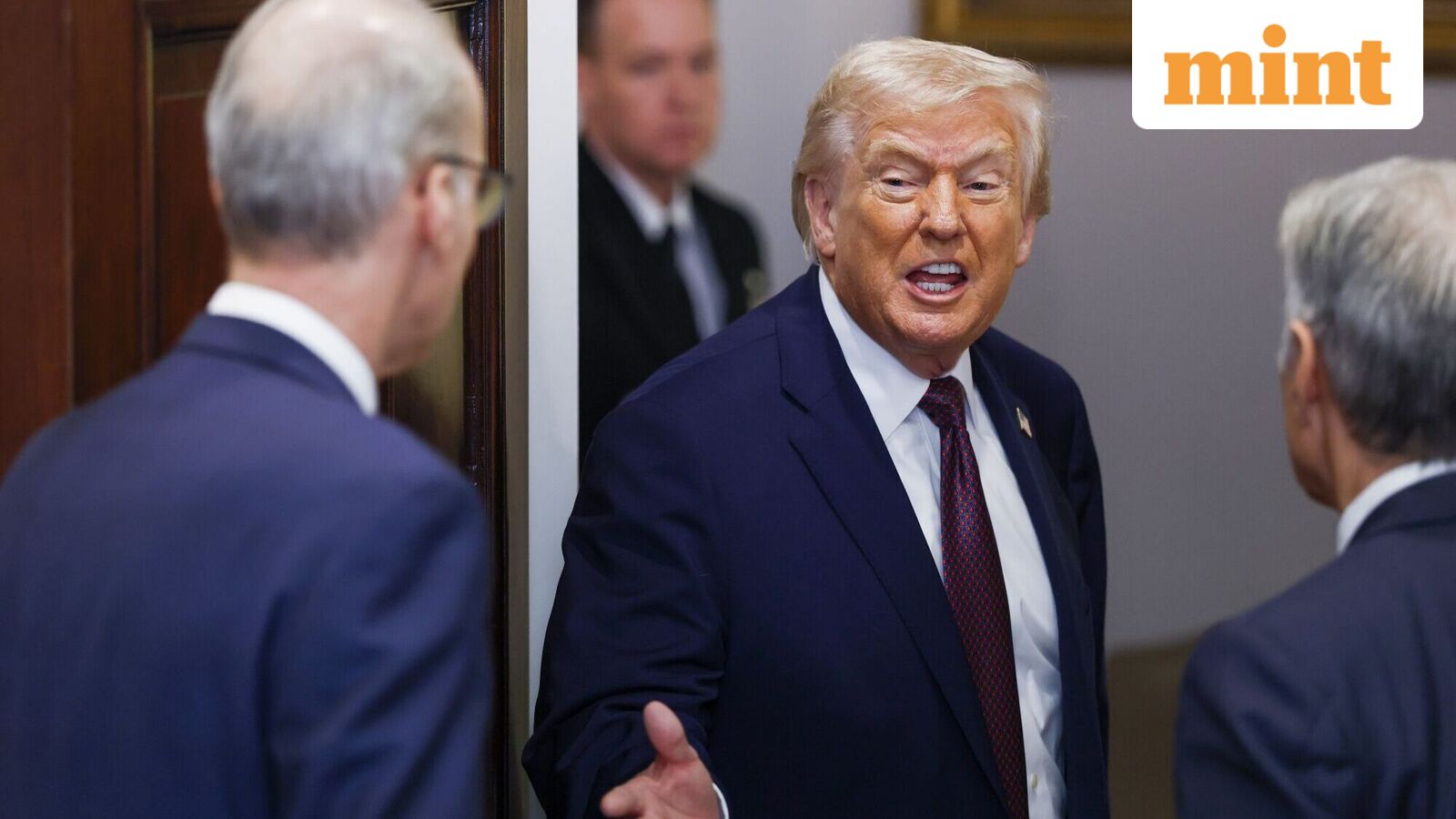
Core Insights - President Trump announced a set of drug-pricing agreements with nine major pharmaceutical companies, aiming to align U.S. medicine costs with those in Europe [1][2] - The initiative includes a new direct-to-consumer portal, TrumpRx.gov, allowing patients to purchase certain medicines directly from manufacturers [2][4] Group 1: Agreements and Participants - The agreements involve 14 out of 17 drugmakers that Trump previously urged to lower prices, including Amgen, GSK, and Merck [2][3] - Drug companies are motivated to negotiate to avoid potential regulatory measures that could impact their profits [3] Group 2: TrumpRx.gov Functionality - TrumpRx.gov will serve as a central directory for patients to access selected medicines directly from manufacturers' websites [4] - The portal is expected to be fully operational by January, following a promotional launch [4] Group 3: Pricing Details - Highlighted medicines include Amgen's Repatha at $239/month, GSK's Advair Diskus at $89/month, and Merck's Januvia at $100/month [6] - Gilead's Epclusa will be priced at $2,492/month, despite lower costs for insured patients [6] Group 4: Impact on Medicaid and Medicare - Companies committed to launching new medicines in the U.S. at prices comparable to those in other wealthy countries [8] - Medicaid programs are legally entitled to the lowest drug prices, with Bristol Myers Squibb offering Eliquis free to Medicaid [9] Group 5: Industry Response and Future Outlook - Health policy experts express skepticism about the agreements' impact on overall drug prices for most Americans [10] - The agreements do not impose mandatory price controls and leave many brand-name drug costs unchanged [15] - Ongoing discussions with additional manufacturers like AbbVie and Johnson & Johnson may lead to further agreements [14]


默沙东(MRK.US)、施贵宝(BMY.US)等多家药企同意下调美国药价 以换取特朗普政府关税豁免和政策支持
智通财经网· 2025-12-19 23:18
Group 1 - The core point of the news is that several major pharmaceutical companies in the US and Europe have agreed to voluntarily lower drug prices in exchange for tariff exemptions and policy support from the Trump administration, which is reviving the "Most Favored Nation" pricing policy to reduce high prescription drug costs in the US [1][2] - Companies that signed the agreement include Merck (MRK.US), Bristol-Myers Squibb (BMY.US), Amgen (AMGN.US), Gilead Sciences (GILD.US), GlaxoSmithKline (GSK.US), Sanofi (SNY.US), Rogers (ROG.US), Boehringer Ingelheim, and Novartis (NVS.US), committing to increase domestic production and investment in the US over the next three years [1] - Bristol-Myers Squibb's commitment to provide its best-selling anticoagulant drug Eliquis for free to Medicaid patients is highlighted as one of the most significant measures in this price reduction initiative [1] Group 2 - Trump stated that out of 17 major pharmaceutical companies he contacted in July, 14 have agreed to significantly lower drug prices, marking a historic victory for patient affordability in the US [2] - Although the full terms of the agreements have not been disclosed, companies have agreed to various measures to lower drug prices, including selling existing drugs to Medicaid patients at "Most Favored Nation" prices and committing to pricing for future new drugs [2] - Gilead Sciences announced that patients will be able to obtain its hepatitis C treatment drug Epclusa at a discounted price, while Sanofi indicated discounts of nearly 70% on certain drugs in the fields of infection, cardiovascular, and diabetes [2] Group 3 - Merck's CEO expressed support for Trump's policy direction of lowering US drug prices while raising prices in overseas markets to end global free-riding [3] - Amgen announced an expansion of its existing direct sales program, including significant discounts on its migraine prevention drug Aimovig and autoimmune treatment drug Amjevita [3] - The average price of prescription drugs in the US is nearly three times that of overseas markets, with brand-name drug prices exceeding four times, highlighting the US market's importance to pharmaceutical companies, especially European firms [3]