NIKE(NKE)

Search documents
两年市值翻了三倍,运动品牌最意外的赢家出现了
36氪未来消费· 2026-01-16 04:47
Group 1 - The core viewpoint of the article highlights the stark contrast between the booming global sports trend in 2025 and the significant decline in stock prices of major footwear brands, with Nike dropping from $179.1 to $65.64, Adidas falling over 30%, and Puma experiencing a 51.34% drop [2][3] - The overall slowdown in the athletic shoe market is a contributing factor to disappointing stock performances, with Bank of America's report indicating that the average organic growth rate for global sports brands has plummeted from 13.38% in 2022 to 1.33% in 2025, suggesting a shift towards stock competition after two decades of rapid growth [2][3] - Asics stands out as a notable exception, with its market value increasing from 1 trillion to over 3 trillion yen, and its stock price rising nearly 30% this year, making it the fastest-growing athletic shoe brand on the second-hand platform StockX for the past year [2][3] Group 2 - Asics, despite its relatively limited scale and global recognition compared to Nike and Adidas, demonstrates that patience, focus, and rhythm control may be more important than explosive growth in a long-term industry marathon [3][4] - The brand's historical roots trace back to Onitsuka Tiger, founded in 1949, which later evolved into Asics, emphasizing quality and affordability to penetrate the market dominated by Adidas and Puma [6][7] - Asics' resurgence is attributed to a strategic shift back to running shoes, with significant technological advancements like the Alpha GEL midsole introduced in 1986, which helped solidify its position in the serious running market [17][19] Group 3 - The brand's recent growth strategy includes a focus on core competencies, with a significant reduction in product lines under the leadership of President Yasuhito Hirota, who has streamlined operations by exiting non-core businesses [23] - Asics' business segments now include running shoes, core sports, sports fashion, apparel equipment, and Onitsuka Tiger, with running shoes contributing the largest share at 48% in the fiscal year 2024 [23] - The Greater China region has become a crucial market, accounting for approximately 15% of revenue, with Onitsuka Tiger seeing a 50.1% year-on-year growth in the second quarter of 2025, indicating a strong consumer base in China [23]


Nike vs. Starbucks: Which Turnaround Effort Is More Likely to Succeed?
Yahoo Finance· 2026-01-15 12:35
Core Insights - Nike and Starbucks are both iconic brands that have faced challenges due to rising inflation and have recently changed their CEOs to implement turnaround strategies [1][7] - Both companies finished the previous year with negative stock performance, with Nike down 16% and Starbucks down 8% [2] Company Performance - Starbucks appointed Brian Niccol as CEO in September 2024, focusing on simplifying the menu, reducing wait times, and enhancing customer experience, which has positively impacted investor confidence [3] - Nike appointed Elliott Hill as CEO in October 2024, choosing an internal candidate with extensive company knowledge, focusing on improving wholesale relationships and brand investment [4] - Both companies have shown initial signs of progress in growth rates over recent quarters under their new leadership [5] Margin Pressure - Gross profit margin is a critical metric for assessing the impact of rising costs and pricing strategies on both companies [6] - Nike has experienced a smaller decline in its margin, losing about four percentage points from its recent high, compared to Starbucks, which has lost nearly eight percentage points [8]

为什么运动户外品牌,都开始爱办秀?
3 6 Ke· 2026-01-15 00:06
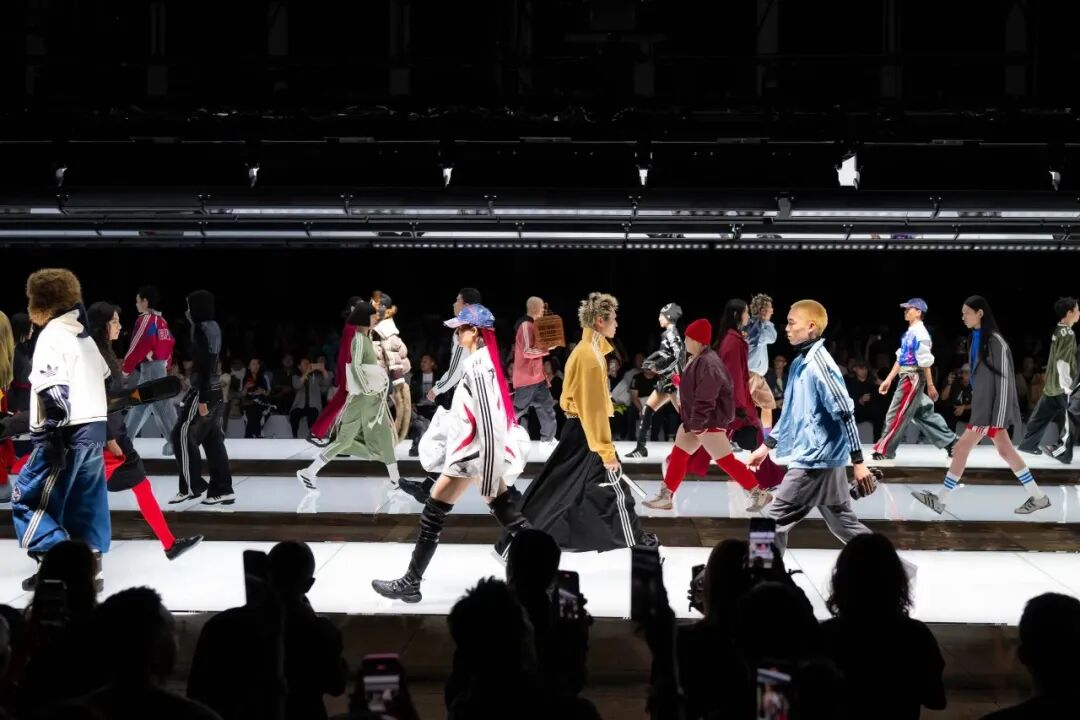
Core Insights - The upcoming Winter Olympics in Milan is expected to highlight the intersection of sports and fashion, with major sports brands using the event as a platform for showcasing their latest collections [1] - In 2025, approximately 15 mainstream sports brands participated in over 45 independent fashion events globally, with around 18 events held in the Chinese market [1] Group 1: Major Events and Brand Participation - Nike and adidas led the fashion shows, with Nike debuting its "Victory Lap" show in April and adidas showcasing its "POWER OF THREE" in October, both in Shanghai [2][8] - High-end outdoor brands like HOKA and Descente are also making their mark, with HOKA presenting at the Taipei Fashion Week and Descente launching a show in Beijing [4][11] - SALOMON hosted its first show in China, blending French outdoor culture with local elements [5][13] Group 2: Fashion and Sports Integration - The integration of sports and fashion is becoming more pronounced, with brands like HELLY HANSEN using unique venues like natural caves for their shows, emphasizing the connection between outdoor activities and fashion [7][17] - The concept of fashion shows as a new competitive arena for sports brands is emerging, with both international giants and local brands participating in multiple events [17][18] Group 3: Consumer Identity and Market Trends - Fashionable sports products are becoming identity markers for individuals and groups, with high-end sports brands serving as alternatives to luxury goods for the middle class [18][20] - The trend of "Protein chic" and the popularity of healthy body images are influencing fashion aesthetics, indicating a shift in consumer preferences towards active lifestyles [31] Group 4: Marketing and Sales Strategies - Fashion shows are increasingly being used as a marketing tool to connect with buyers and retailers, enhancing sales opportunities for brands [25][28] - The cost of hosting fashion shows is significant, but the potential for high returns through celebrity appearances and social media engagement makes it a worthwhile investment for brands [22][24]

Margin Headwinds Strengthen: Will Tariff Mitigation Be Enough for NKE?
ZACKS· 2026-01-14 15:01
Core Insights - NIKE, Inc. is experiencing significant margin pressure due to higher tariffs, unfavorable channel mix, and soft demand in key markets, compounded by increased promotional activity and a competitive global athleticwear market [1][10] Financial Performance - In Q2 fiscal 2026, NIKE's gross profit decreased by 6.3% year-over-year to $5.05 billion, with gross margin contracting by 300 basis points to 40.6% due to elevated product costs and inventory obsolescence in Greater China [2][10] - The gross margin is expected to decline further by 180 basis points in the fiscal third quarter [2] Strategic Responses - NIKE has implemented a multi-pronged tariff mitigation strategy, including diversifying manufacturing away from China, selectively raising prices, and renegotiating terms with suppliers [3][4] - The company is also focusing on internal cost controls across sourcing, logistics, and operating expenses to enhance efficiency [3] Competitive Landscape - Competitors such as lululemon athletica and Steven Madden are also facing tariff-related pressures, leading to uncertainties in their cost structures and margin outlooks [5][6] - lululemon's strategy includes diversifying sourcing to limit reliance on any single country, while Steven Madden is focused on protecting margins through disciplined pricing and reshaping its geographic revenue mix [7][8] Valuation and Estimates - NIKE shares have declined by 7.9% over the past six months, compared to a 6% decline in the industry [9] - The forward price-to-earnings ratio for NIKE is 31.47X, higher than the industry average of 28.50X [11] - The Zacks Consensus Estimate for NIKE's fiscal 2026 earnings indicates a year-over-year decline of 27.8%, with a projected growth of 53.9% for fiscal 2027 [12]
Nike Stock: Reasonably Priced or Still Too Expensive?
Yahoo Finance· 2026-01-14 13:43
Core Viewpoint - Nike's stock price has declined over 50% in the past five years, despite its strong brand recognition and sponsorship deals with elite athletes [1] Group 1: Financial Performance - Nike's current dividend yield is 2.5%, which is attractive given its poor stock performance [2] - In Q2 of fiscal 2026, revenue increased by 1% year over year, but net income fell by over 30% [4] - Wholesale revenue, Nike's largest segment, grew by 8% year over year, while Nike Direct revenue decreased by 8% [5] Group 2: Regional Sales Performance - North American revenue increased by 9%, but sales in other regions, including Europe, China, and Asia Pacific & Latin America, declined by 1%, 16%, and 4% respectively [6] - International sales, which account for over half of Nike's revenue, are under pressure from tariffs, trade wars, and rising competition [6] Group 3: Market Position and Growth Potential - Nike has been losing market share for years, with only the apparel segment showing meaningful growth, which has decelerated [7] - Executives believe North American sales growth indicates a comeback, but the potential for further growth in this saturated market may be limited [8]
Nike Stock: Reasonably Priced or Still Too Expensive?
Yahoo Finance· 2026-01-14 13:43
Core Insights - Nike's stock price has decreased by over 50% in the past five years despite its strong brand recognition and sponsorship deals with elite athletes [1] - The current dividend yield stands at 2.5%, which is a positive aspect for investors, but overall sales growth remains stagnant [2] Financial Performance - In Q2 of fiscal 2026, Nike reported a 1% year-over-year revenue increase, while net income fell by over 30% [4] - Wholesale revenue, Nike's largest segment, increased by 8% year-over-year, but Nike Direct revenue fell by 8% [5] - North American revenue grew by 9%, but international sales in Europe, China, and Asia Pacific & Latin America declined by 1%, 16%, and 4% respectively [6] Market Dynamics - Nike has been losing market share for several years, with only the apparel segment showing meaningful growth, which has decelerated sequentially [7] - The company faces challenges from tariffs, high consumer costs, and rising competition, which could further hinder growth [5][6] - Executives believe that the growth in North America indicates a potential comeback, but the market may be saturated, limiting further expansion opportunities [8]

“Nike (NKE) is Ahead of Schedule,” Says Jim Cramer
Yahoo Finance· 2026-01-13 20:57
Core Viewpoint - NIKE, Inc. (NYSE:NKE) is currently facing challenges in convincing the market of its turnaround strategy, with shares down 8% over the past year, but have seen a 15% increase since mid-December [2]. Group 1: Stock Performance - NIKE's shares have decreased by 8% over the past year, indicating struggles in market confidence regarding its turnaround efforts [2]. - Since mid-December, the stock has rebounded by 15%, suggesting a potential shift in investor sentiment [2]. Group 2: Analyst Opinions - Analysts have mixed views on NIKE's future, with Needham downgrading the stock from Buy to Hold due to uncertainties in the recovery timeline in China [2]. - RBC Capital has reduced its price target for NIKE from $85 to $78 while maintaining an Outperform rating, highlighting concerns over the timeline for profitability during the turnaround [2]. Group 3: Management and Strategy - Jim Cramer continues to support CEO Elliott Hill, asserting that he is the right leader to execute the turnaround, particularly in the Chinese market [2][3]. - Cramer believes that NIKE is ahead of schedule in its recovery efforts, despite some analysts suggesting delays [3].
Nike signs its first pickleball deal with phenom Anna Leigh Waters
CNBC· 2026-01-13 15:00
Company - Nike has signed a deal with Anna Leigh Waters, the No. 1-ranked pickleball player, making her the first pickleball athlete to join Nike's roster [1] - The terms of the deal remain undisclosed, but Waters will represent Nike for apparel and footwear at all her events and serve as a global ambassador for pickleball [1] - Nike is currently undergoing a turnaround plan under new CEO Elliott Hill due to previous lagging sales and a stock slump [2] Industry - Pickleball has experienced explosive growth in recent years, indicating a rising trend in the sport [2] - Anna Leigh Waters has had a record-breaking year, holding the No. 1 rank in women's singles, doubles, and mixed doubles, with a total of 181 gold medals and 39 career triple crowns [3] - Waters began her professional pickleball career in 2019 at the age of 12, becoming the youngest-ever pro pickleball player [3]
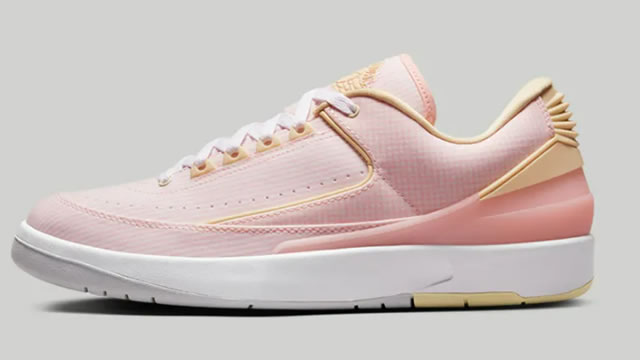
Jim Cramer Says “There’s a Lot of Value in Nike”
Yahoo Finance· 2026-01-13 14:06
Company Overview - NIKE, Inc. (NYSE:NKE) is a leading company in the athletic and casual footwear, apparel, equipment, and accessories market, selling products under brands such as Nike, Jordan, and Converse [2]. Recent Developments - The stock of NIKE has experienced volatility, particularly following the replacement of the previous CEO with Elliott Hill, who has initiated the "Win Now" strategy aimed at refocusing the company on its sports heritage [1]. - A recent downgrade by a Needham analyst has raised concerns about the stock's performance, which has been described as a "nightmare" over the long term [1]. - Notably, three board members, including Elliott Hill and Apple CEO Tim Cook, have made significant stock purchases, with Cook investing nearly $3 million, indicating strong confidence in the company's future [1].

中国消费必定重走日本老路吗?这份研究给出了新答案
3 6 Ke· 2026-01-13 02:34
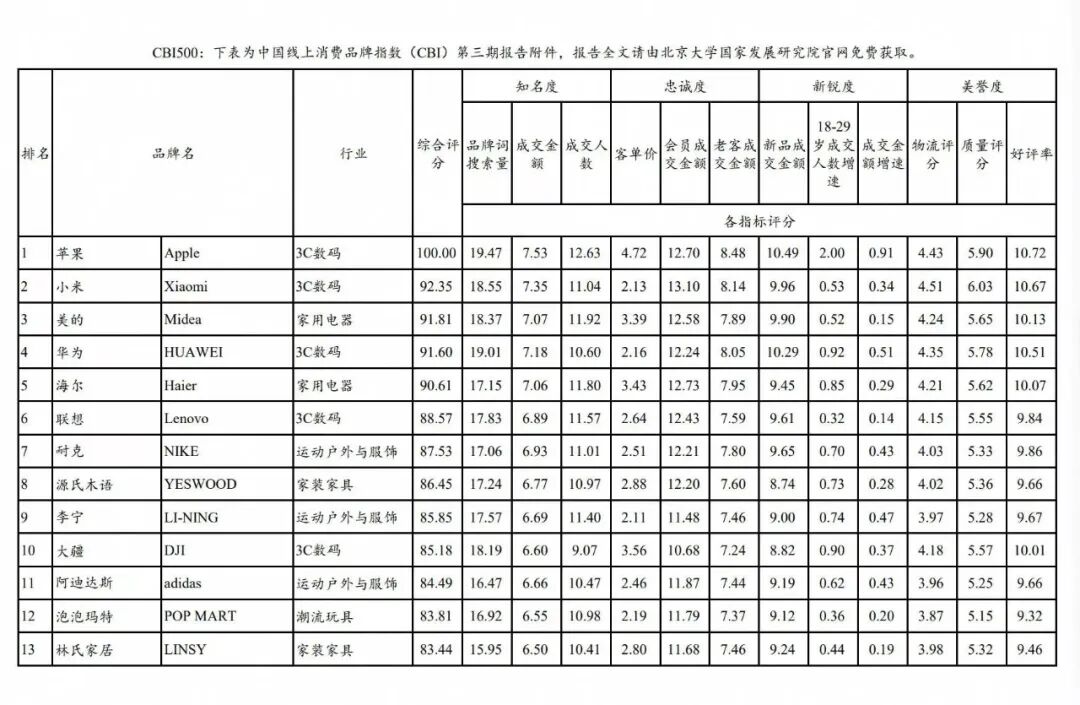
Core Viewpoint - The article discusses the evolving consumer behavior in China, contrasting it with Japan's "lost three decades," emphasizing a trend towards selective consumption upgrades rather than a decline in consumption quality [1][2]. Group 1: Consumer Behavior Trends - The Chinese online consumption brand index (CBI) reached 62.65 in Q3 2025, showing a 4.4% increase year-on-year and a 0.92% increase compared to the same quarter in 2024, indicating a stable growth in consumer preference for high-quality brands [2][4]. - The CBI reflects the proportion of consumers purchasing high-quality branded goods, suggesting that consumers are not entering a "consumption menopause" but are instead actively seeking quality [3][4]. - The trend of "selective consumption upgrade" is evident, where consumers pursue cost-effectiveness for necessities while being willing to pay a premium for emotional and experiential products [5][6]. Group 2: Brand Performance and Market Dynamics - Brands like DJI and Pop Mart have shown significant growth, with DJI entering the top ten for the first time, indicating a shift towards innovative products that create new demand rather than relying on price competition [7][16]. - The CBI report highlights that brands achieving high scores are not necessarily those known for low prices but those that create unique experiences and emotional value for consumers [7][18]. - The report indicates a seasonal pattern in consumer behavior, with higher CBI scores during promotional periods, but the third quarter's performance reflects a solid foundation for brands in non-promotional times [12][14]. Group 3: Platform Strategies and Market Evolution - E-commerce platforms like Taobao are shifting their focus towards supporting quality brands and original merchants, moving away from price wars to fostering product quality and service [24][25]. - The growth in the CBI index is attributed to a strategic shift in platform policies that encourage brands to enhance their value proposition rather than compete solely on price [25][26]. - The article emphasizes that a market balanced between daily sales and promotional periods is more resilient, indicating that brands are building long-term value rather than relying on short-term sales spikes [26][28].