NIKE(NKE)

Search documents
KeyBanc Trims Nike (NKE) Target but Sees Early Signs of Stabilization
Yahoo Finance· 2026-01-29 17:43
Core Viewpoint - NIKE, Inc. is facing challenges in recovering market share and is implementing layoffs and operational changes to improve profitability and efficiency [2][3][4]. Group 1: Financial Adjustments - KeyBanc has reduced its price target for NIKE from $90 to $75 while maintaining an Overweight rating, indicating early signs of business stabilization [2]. - The company is undergoing layoffs, with approximately 775 employees being cut, primarily from distribution centers in Tennessee and Mississippi [3][5]. Group 2: Operational Changes - The layoffs are part of a broader strategy to strengthen and streamline operations, allowing NIKE to operate with greater discipline and speed [5]. - Previous rounds of job cuts included a reduction of nearly 1% of the corporate workforce in August and about 2% in February 2024, totaling over 1,600 roles [4]. Group 3: Market Position - NIKE is under pressure to regain lost market share to competitors, which has prompted these operational and workforce adjustments [4]. - As of May 2025, NIKE employed around 77,800 people globally, including retail and part-time staff [5].

3 Important Metrics All Nike Stock Investors Need to Know
Yahoo Finance· 2026-01-29 14:55
Core Insights - Nike is currently not operating at its best, facing significant challenges despite being a leader in the global sportswear market, with shares trading 63% below their peak as of January 23 [1] Group 1: Revenue Growth - From fiscal 2019 to fiscal 2024, Nike's revenue grew at a compound annual rate of 6%, but in fiscal 2025, revenue decreased by 10% year over year; analysts expect a 1% increase in sales for fiscal 2026 [3] - North America saw a 9% increase in sales in the second quarter of 2026, while the Greater China segment experienced a 17% decline in sales last quarter [4] Group 2: Gross Margin - Nike's gross margin decreased from 43.6% in Q2 2025 to 40.6% in the most recent quarter, impacted by higher expenses due to trade policy changes, with tariffs adding $1.5 billion to product costs [5] - The company is moving away from excessive discounts and promotional activities, which is a positive trend for gross margin [5] Group 3: Demand Creation Expense - Nike remains one of the most powerful brands globally, and maintaining the brand image is crucial for the company's success [7] - The leadership team is focusing on refreshing the product lineup and rebalancing the distribution strategy, moving away from an over-reliance on e-commerce established during the COVID-19 pandemic [6]
2025年第四季度产品竞争分析与2026年前沿洞察:运动品牌行业专题
Guoxin Securities· 2026-01-29 08:40
Investment Rating - The investment rating for the sports brand industry is "Outperform the Market" (maintained) [1] Core Insights - The industry is experiencing a bifurcation, necessitating innovation to break through. The outdoor sports market continues to grow, but there is a contrasting price trend between apparel and footwear. Apparel shows a clear trend of "volume and price rising," driven by high-priced brands, while footwear has seen "volume increase and price decrease" [5][3] - The overall market growth is slowing down in Q4, with apparel showing volume and price increases, while footwear prices are under pressure. The outdoor category has achieved a 13.5% increase in sales, while sports shoes have seen a decline in growth [5][4] - International brands like Nike are facing significant adjustment pains, with a 15.5% year-on-year decline in sales. Adidas, on the other hand, has seen growth in basketball and casual shoes despite an overall decline in sales [5][4] - Domestic brands are under pressure from price competition, but the professional product market is performing well. Brands like Li Ning and Anta are experiencing mixed results, with some product lines performing better than others [5][4] Summary by Sections 1. Industry Overview - The sports apparel market is showing a stable penetration rate, with a slight increase in average prices and a decrease in sales volume. The outdoor apparel category has achieved a double-digit growth in sales [5][60] 2. International Brands - Nike's sales have dropped significantly, with a 15.5% year-on-year decline, while Adidas has seen a slight decrease in sales but growth in specific categories like basketball shoes [5][4] 3. Domestic Brands - Domestic brands are facing price competition, with some brands like Li Ning and Anta experiencing mixed results. The professional product lines are performing well, but overall sales are under pressure [5][4] 4. Key Company Profit Forecasts and Investment Ratings - Li Ning: Outperform the Market, with an EPS forecast of 1.17 RMB for 2024A [7] - Anta Sports: Outperform the Market, with an EPS forecast of 5.58 RMB for 2024A [7] - Xtep International: Outperform the Market, with an EPS forecast of 0.44 RMB for 2024A [7] - 361 Degrees: Outperform the Market, with an EPS forecast of 0.56 RMB for 2024A [7] 5. Key Takeaways - The industry shows favorable growth potential, with brand premium and product price competition occurring simultaneously. The overall market is expected to maintain good growth, but brands that can lead new market demands are likely to show significant growth and profitability [5][8]
舆观 最佳品牌 排名2026-北欧版
YouGov· 2026-01-29 05:10
Investment Rating - The report does not explicitly provide an investment rating for the industry or companies analyzed. Core Insights - The YouGov Best Brand Rankings 2026 highlight the top-performing global brands based on consumer appeal over the past 12 months, with a focus on brand health as measured by YouGov BrandIndex's daily tracking [7][8]. - The top five brands globally are dominated by tech companies, including WhatsApp, Samsung, YouTube, and Google, indicating the significant role of digital platforms in daily life [7][8]. - The report incorporates consumer voices through AI-powered analysis, revealing key themes and sentiments regarding brand performance [8][21][29]. Summary by Sections YouGov Best Brand Rankings 2026 - The rankings are based on an average Index score of brands tracked in a minimum of 10 markets [16]. - The top global brands include WhatsApp (41.5), Samsung (41.4), YouTube (41.1), Google (38.6), and adidas (35.3) [57]. Top Brands by Market - **Denmark**: The top brand is REMA 1000 with an overall Index score of 47.6, followed by MobilePay (42.8) and Matas (41.6) [66]. - **Finland**: Fiskars leads with a score of 59.6, followed by Fazer (56.9) and Valio (55.4) [73]. - **Norway**: Vipps ranks first with a score of 53.4, followed by FINN.no (51.1) and NRK TV (39.7) [79]. - **Sweden**: Swish is the top brand with a score of 43.9, followed by IKEA (42.7) and Volvo (39.4) [87]. Most Improved Brands - **Denmark**: SAS shows the most improvement with an increase of 6.3 points, followed by OK (3.9) and MobilePay (3.2) [69]. - **Finland**: Coop leads with a 5.4 point increase, followed by McDonald's (3.9) and Nordea (3.7) [75]. - **Norway**: Sony has the highest improvement with 5.9 points, followed by Philips (5.1) and Electrolux (3.7) [81]. - **Sweden**: SAS again shows significant improvement with 3.4 points, followed by SJ (3.4) and BMW (2.4) [89]. Additional Markets - The report also covers brand performance in additional markets such as Australia, France, and Germany, with brands like Toyota, Samsung, and LEGO leading in their respective regions [95][103][111].


耐克计划裁员775人 加速美国配送中心自动化进程
Huan Qiu Wang Zi Xun· 2026-01-28 18:40
来源:央视财经 0:00 澳大利亚气象局27日发布警报说,该国东南部遭遇严重的热浪,南澳大利亚州一地气温达到49.6摄氏 度,维多利亚州多地当日气温也创下该州纪录。在维多利亚州首府墨尔本,当日下午3点半机场附近气 温达到44.1摄氏度。正在进行的澳大利亚网球公开赛暂停了所有室外场馆的比赛,几个主要场馆启用了 移动屋顶遮阳,比赛才得以继续。维多利亚州乡村消防局27日表示,墨尔本西南160公里处有一处林火 处于失控状态,过火面积约1万公顷,3座房屋被烧毁。 ...
Best Consumer Stock to Buy Right Now: Nike or TJX Companies?
Yahoo Finance· 2026-01-28 14:50
Industry Overview - Consumers are cautious due to economic challenges such as high inflation and a potentially weakening job market, leading to reduced spending [1] - The S&P 500 consumer discretionary sector has returned 4.8% over the past year, significantly lower than the S&P 500's overall return of 15.1% [1] Nike - Nike has historically been a dominant player in the sportswear market, with approximately 65% of its sales coming from footwear [4] - Recent sales have been declining due to increased competition, lack of innovative products, and a strategic shift to direct-to-consumer sales, which has impacted relationships with wholesale partners [5] - In the fiscal third quarter, Nike's sales growth was stagnant after adjusting for foreign-currency effects, with wholesale revenue increasing by 8% but direct revenue declining by 9% [6] TJX Companies - TJX Companies operates an off-price retail business under brands like TJ Maxx and Marshalls, capitalizing on purchasing excess inventory at attractive prices [7] - The company has benefited from economic conditions that allow it to source a wider selection of discounted goods, particularly during challenging times [8] - In the fiscal third quarter, TJX reported a 5% increase in same-store sales, achieving positive comps across all its business segments [8]

Nike to reportedly cut 775 US warehouse jobs in automation push – report
Yahoo Finance· 2026-01-28 10:14
Core Viewpoint - Nike is planning to eliminate 775 positions at its distribution centers in Tennessee and Mississippi to improve profitability and expand automation [1] Group 1: Workforce Reductions - The job cuts will primarily impact warehouse-based roles at Nike's facilities in the two states [1] - In August, Nike reduced just under 1% of its corporate staff as part of a turnaround strategy led by CEO Elliott Hill, who took over in 2024 [2] - Earlier in February 2024, Nike announced a 2% reduction in roles, equating to over 1,600 positions [2] Group 2: Operational Strategy - Nike stated that the changes aim to strengthen and streamline operations for faster and more disciplined operations, mainly affecting its US distribution network [2] - The measures are designed to reduce complexity, improve flexibility, and support a return to long-term profitable growth [3] Group 3: Financial Performance - Nike reported a second consecutive quarterly decline in gross margins in December, attributed to softer demand in China and efforts to rebalance its product lineup [4] - The recent job cuts are part of a broader restructuring program aimed at restoring profitability [4] Group 4: Leadership Changes - In December 2025, Nike restructured its senior leadership as part of its 'Win Now' turnaround strategy, introducing a new COO role and elevating regional leaders to the senior leadership team [5] - The company eliminated the positions of CTO and CCO, consolidating global and direct-to-consumer sales operations under the CFO [5]
传闻坐实!阿迪达斯赞助“苏超”
第一财经· 2026-01-28 06:01
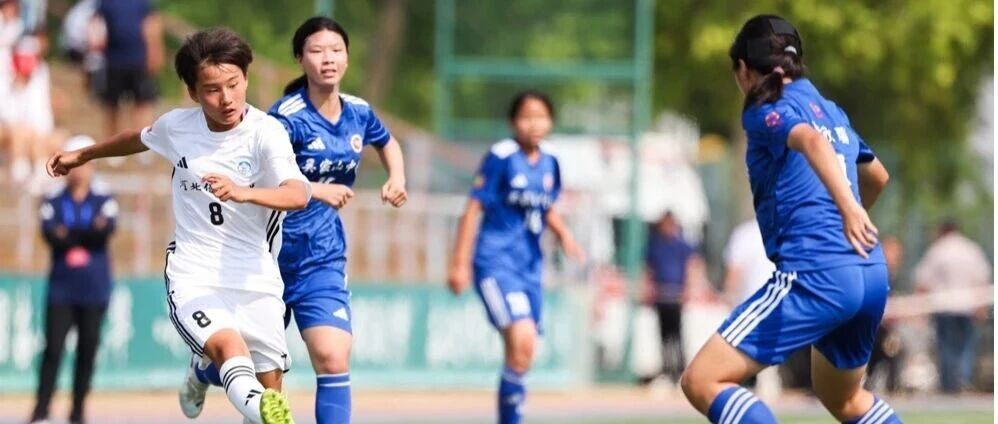
Core Viewpoint - The article discusses the competitive landscape of commercial sponsorship in Chinese football, highlighting the rivalry between Nike and Adidas as they vie for sponsorship rights in the market [3][4]. Group 1: Sponsorship Developments - Adidas has secured exclusive equipment sponsorship rights for the Jiangsu Provincial City Football League, reportedly investing 21 million yuan (8 million cash + 13 teams at 1 million each for equipment) [4]. - Nike has a long-standing presence in Chinese football, having been the sponsor of the Chinese Super League since 2005 and extending its contract in 2018 for another 10 years [5]. - Adidas is shifting its strategy in China from a fashion-oriented approach to a focus on sports, particularly in grassroots markets, as it seeks to break into areas dominated by Nike [5][7]. Group 2: Youth Development Initiatives - The "Adidas Support for Chinese Youth Football Development Plan (2026-2029)" aims to enhance the training and competition systems for youth football, with a focus on organizing events and developing elite youth players [7]. - Adidas has partnered with the Shanghai Football Association to localize event equipment design, with 60% of its products designed locally and 95% manufactured in China [7]. - The collaboration with the Scottish Professional Football League (SPFL) is seen as a way for Adidas to deepen its engagement in the Chinese football market and connect with grassroots events [8]. Group 3: Market Potential and Brand Impact - The article emphasizes the growing commercial value of Chinese football, driven by over 200 million football enthusiasts and increasing sports consumption [8]. - Sponsorship in football is shown to significantly enhance brand recognition and consumer favorability, with Nielsen Sports indicating a 30% higher increase in brand favorability compared to traditional advertising [8]. - The ongoing investment from international brands like Adidas and Nike is expected to mature the economic landscape of Chinese football, creating a positive cycle of brand empowerment and event support [8].


传闻坐实!阿迪达斯赞助“苏超”
Di Yi Cai Jing· 2026-01-28 05:17
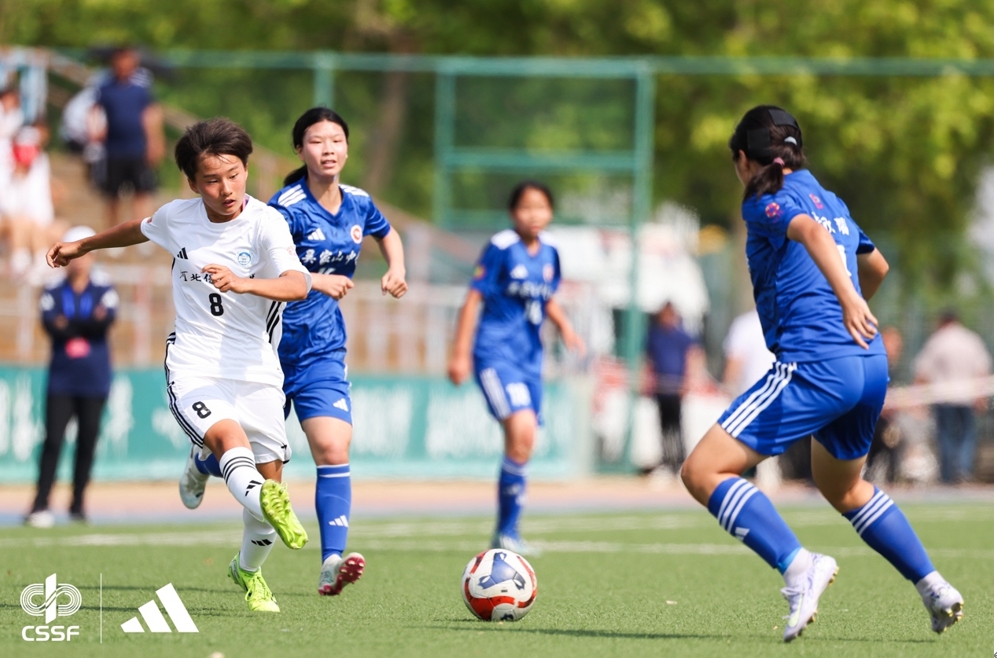
Core Insights - The commercial value of Chinese football events is continuously rising, highlighted by the competition among major sports brands for sponsorships [1][7] - Adidas has secured exclusive equipment sponsorship rights for the upcoming season, reportedly investing 21 million yuan (8 million cash + 100 million yuan in equipment for 13 teams) [2] - The partnership between Adidas and the Chinese Football Development Foundation aims to enhance youth football development in China from 2026 to 2029 [5][6] Group 1: Sponsorship Dynamics - Adidas has emerged as a key player in the Chinese football sponsorship landscape, competing against Nike, which has historically dominated the market since 2005 [3] - The shift in Adidas' strategy reflects a renewed focus on professional sports after previously positioning itself in the fashion segment [3] - The sponsorship deal with the "Sichuan Super League" is part of Adidas' broader strategy to connect with grassroots football and enhance brand engagement with local consumers [6] Group 2: Market Potential - The Chinese football market boasts over 200 million football enthusiasts, driving a growing demand for sports consumption [7] - Sponsorship in football significantly boosts brand recognition and consumer favorability, with Nielsen Sports indicating a 30% higher increase in brand favorability compared to traditional advertising [7] - Continuous investment from international brands is expected to mature the economic landscape of Chinese football, creating a positive cycle of brand empowerment and event promotion [7]
Down More Than 50% in 3 Years, Is Now Finally the Time to Buy Nike Stock?
The Motley Fool· 2026-01-28 00:16
Core Viewpoint - Nike's stock has underperformed the market in 2026, with a decline of about 1% compared to a 2% rise in the S&P 500, extending a three-year decline of over 50% [1] Financial Performance - Nike's financial results show a year-over-year revenue increase of 1% in both the first and second quarters of fiscal 2026, indicating some improvement compared to a 10% decline in fiscal 2025 [2][3] - However, significant weaknesses exist, particularly in direct-to-consumer sales, which fell 8% year over year in fiscal Q2, worsening from a 4% decline in fiscal Q1 [4] - Greater China revenue also declined by 17% year over year in fiscal Q2, compared to a 9% decline in fiscal Q1 [4] Revenue Breakdown - Wholesale revenue rose 8% year over year, an acceleration from 7% growth in the previous quarter, but this improvement is overshadowed by declines in direct-to-consumer and Greater China segments [5] - Direct-to-consumer sales are considered higher-margin, and their decline could negatively impact overall profitability, which saw a 32% year-over-year drop in net income in fiscal Q2 [6][7] Market Position and Competition - Nike's poor performance in China is concerning, especially as competitors like Lululemon are experiencing significant growth in the same market, suggesting a loss of market share for Nike [8] Future Outlook - The company is in a transition year, facing both transitory and structural headwinds that are affecting profit margins, as noted by the CFO [9] - Guidance for fiscal Q3 indicates expected revenue to decrease by a low single-digit percentage year over year, with gross margin expected to contract between 175 and 225 basis points [10] - Despite a significant decline in stock price, the current price-to-earnings ratio of 38 suggests that a successful turnaround may already be priced in, leading to a cautious outlook on buying the stock unless it declines further [12]